How Close an Ohio Mentor Must Stay
One of the most common questions new hunters and mentors in Ohio grapple with is just how close you need to be to your apprentice. It's not always as simple as a hard-and-fast distance, and misunderstanding the intent behind the rules can lead to safety hazards or even legal issues. This guide will walk you through Ohio's regulations, practical considerations, and field advice to ensure you and your apprentice have a safe, successful, and legally sound hunting experience.
Understanding Ohio's Apprentice Hunter Program
The Ohio Apprentice Hunter program is a fantastic initiative designed to introduce new hunters to the sport, allowing them to gain practical, supervised experience in the field before completing a formal hunter education course. It's built on the understanding that hands-on learning from an experienced mentor is invaluable. However, this privilege comes with specific responsibilities, particularly regarding supervision.
The Purpose of the Apprentice Program
The core idea behind the apprentice program is mentorship. It acknowledges that classroom learning, while crucial, doesn't always prepare someone for the real-world complexities of hunting. Things like reading deer sign, understanding wind currents, approaching a roosted gobbler, or even simply the ethical considerations of a shot opportunity are best learned alongside a seasoned hunter. The program allows new hunters, regardless of age, to experience hunting under the wing of someone who already knows the ropes. This structured pathway encourages participation and knowledge transfer, helping to preserve our hunting heritage. It's about building confidence and competence, ensuring that when an apprentice eventually gets their full license, they're not just book-smart but field-ready.
Many experienced hunters remember their first time afield, often with a parent, grandparent, or close family friend. This program formalizes that tradition, making it accessible to more people. It bridges the gap for those who might not have had a direct mentor previously but are eager to learn. By providing a clear, legal framework, it protects both the apprentice and the mentor, ensuring that everyone operates within established safety and ethical guidelines.
Who Qualifies as a Mentor and Apprentice
For the apprentice program to work, there are clear definitions for both roles. An apprentice hunter is someone, regardless of age, who has not yet completed a hunter education course and is hunting under the direct supervision of a licensed adult. They must carry an apprentice hunting license, which is easily obtainable online or at license vendors. If you're wondering about the specifics, you can find more information on Ohio Apprentice Hunter License Rules.
The mentor, on the other hand, must be at least 18 years old and hold a valid Ohio hunting license for the current season. This person is responsible for directly supervising the apprentice, ensuring they understand and follow all hunting laws and safety practices. It's a significant responsibility, and the mentor is essentially acting as the on-site instructor and safety officer. They are guiding the apprentice through the entire hunting process, from proper firearm handling to ethical shot placement and game recovery. This responsibility underscores why proximity is so critical – the mentor needs to be able to intervene, instruct, or assist at a moment's notice.
The Legal Requirements for Mentor Proximity
When it comes to the legal aspect of how close an Ohio mentor must stay, the key phrase you'll find in the Ohio Administrative Code is "direct supervision." This isn't a precise number of feet or yards, which can sometimes lead to confusion. Instead, it's about the mentor's ability to maintain effective control and communication with the apprentice at all times.
Defining "Direct Supervision" in Ohio Law
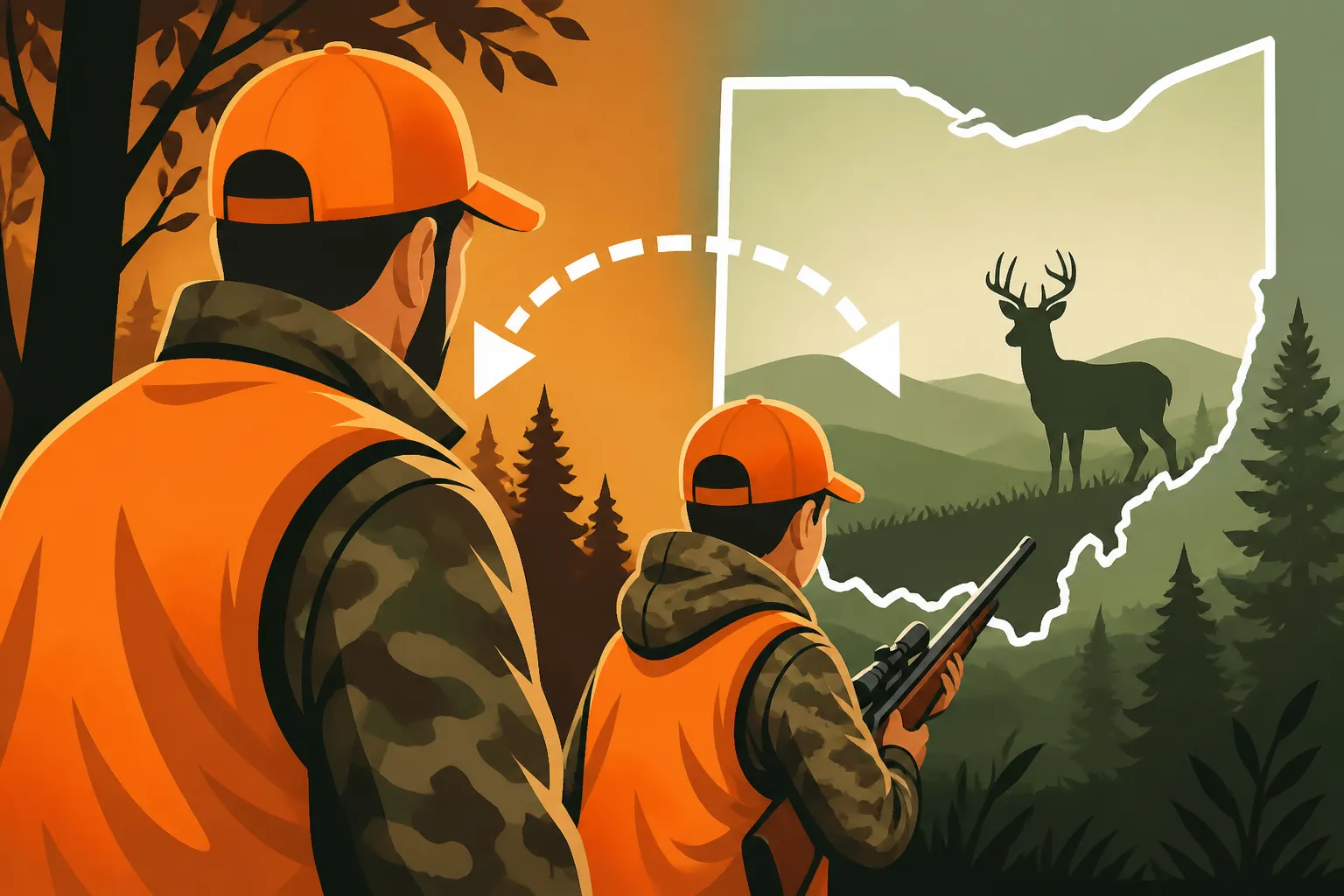
Ohio law specifies that an apprentice hunter must be under the "direct supervision" of their mentor. While the Ohio Department of Natural Resources (ODNR) does not define an exact physical distance, the prevailing interpretation means the mentor must be close enough to clearly communicate, observe, and immediately assist or correct the apprentice. This implies visual and often verbal contact. Imagine a situation where an apprentice is about to make a dangerous mistake, or they have an animal down that needs immediate tracking and field dressing. The mentor needs to be right there, ready to step in.
This interpretation is crucial for safety. Hunting involves firearms and other potentially dangerous equipment, often in challenging environments. A mentor's presence ensures that the apprentice handles their weapon safely, correctly identifies their target, understands their zone of fire, and knows what to do after the shot. It also covers crucial ethical aspects, like not taking risky shots or ensuring swift, humane dispatch of game. Without this close proximity, "direct supervision" becomes an empty phrase, and the risk of accidents or violations skyrockets.
Varying Proximity for Different Hunting Scenarios
The practical application of "direct supervision" can vary slightly depending on the type of hunting. A deer hunt from a treestand might look different from a squirrel hunt with a .22 rifle.
Scenario 1: Still-Hunting or Stalking
When still-hunting or stalking game like deer, the mentor and apprentice should be immediately adjacent, often walking side-by-side or with the mentor slightly behind and to the side. This allows the mentor to whisper instructions, point out sign, or intervene if a questionable shot arises. They can teach the apprentice how to move quietly, read the landscape, and identify potential game. This close contact is vital for safety, particularly when navigating tricky terrain or dense cover. You might be Still-Hunting Shawnee State Forest Ridges, where the terrain demands constant communication and immediate correction.
Scenario 2: Treestand or Ground Blind Hunting
If hunting from a treestand or ground blind, the mentor should ideally be in the same stand or blind, or in an adjacent position where they have clear sight of the apprentice and their surroundings. For instance, if using a two-person treestand, they are right there. If using two single stands, they should be close enough to maintain visual contact and easily communicate with low voices. For ground blinds, sharing a blind or having two blinds within very close proximity (e.g., 10-20 yards) would be appropriate. This allows the mentor to monitor weapon handling, identify game, and provide guidance on shot placement. Remember, Treestand Setups in Appalachian Ohio Hardwoods often involve tricky angles and dense cover, making close supervision even more critical.
Scenario 3: Small Game Hunting (Squirrels, Rabbits, Turkeys)
For small game, the distances might stretch a little, but the principle remains. If hunting squirrels, the mentor might walk a few yards behind or beside the apprentice. The ability to communicate discreetly and intervene if an unsafe shot presents itself is paramount. When Roost Hunting Ohio Gobblers or calling turkeys, the apprentice and mentor should be positioned together, ideally shoulder-to-shoulder, or in very close proximity to coordinate calling and shooting. Turkeys can appear suddenly, and the mentor needs to ensure proper target identification and safe firearm handling. A mentor must be able to visually track the apprentice and ensure they are shooting in safe directions.
Here's a quick reference table for common hunting scenarios and practical interpretations of "direct supervision":
| Hunting Scenario | Practical Proximity Guidance | Key Considerations |
|---|---|---|
| Still-Hunting/Stalking | Immediately adjacent, side-by-side, or mentor slightly behind and to the side (within 5-10 yards). Must be able to whisper instructions and physically intervene instantly. | Terrain, visibility, communication ability, immediate intervention for safety/shot ethics. Mentor guides movement, sign reading, and target identification. |
| Treestand Hunting | In the same two-person stand, or in separate stands within very close visual and verbal range (e.g., 10-20 yards) with clear lines of sight. | Safe climbing/descending, weapon handling in the stand, identifying legal game, shot placement, fall arrest systems. Mentor must observe and advise on all aspects. |
| Ground Blind Hunting | In the same blind, or in separate blinds within close proximity (e.g., 10-20 yards) with excellent visibility between them and the hunting area. | Target identification, shooting lanes, safe firearm handling, blind etiquette. Mentor ensures apprentice doesn't get tunnel vision and maintains situational awareness. |
| Small Game (Walking) | Within easy speaking distance and clear visual contact (e.g., 10-25 yards), especially in open timber or fencerows. Proximity may vary slightly with cover density but maintain ability to quickly close distance. | Safe direction of fire, identifying legal game, understanding game movement, dog control (if applicable). Mentor ensures safe swinging of firearm and teaches about species identification. |
| Waterfowl Hunting | In the same blind, boat, or pit. If in separate positions, they must be within immediate visual and verbal range (e.g., 5-15 yards), especially critical with multiple hunters, fast-moving game, and sensitive zones of fire over decoys. | Blind construction, decoy placement, calling, safe handling of shotguns, identifying species and limits. Mentor ensures safe swings over water and proper bird identification. |
Practical Considerations for Mentors and Apprentices
Beyond the letter of the law, effective mentoring goes hand-in-hand with appropriate proximity. It's not just about avoiding legal trouble; it's about fostering a passion for hunting, ensuring safety, and passing on valuable skills.
Communication and Instruction in the Field
Being close enough allows for effective, subtle communication. Imagine you're stalking a deer, and your apprentice needs to learn how to step over a log quietly, or how to use a specific patch of cover. If you're 100 yards away, these teaching moments are lost. Whispering instructions, pointing out tracks or droppings, and demonstrating proper movement are all part of the invaluable field education. It's also critical for safety calls – a quiet "stop," "don't shoot," or "wait for a better angle" can prevent an accident or an unethical shot.
Moreover, an apprentice often has questions, from identifying game species to understanding legal shooting hours in Ohio. Being nearby means these questions can be answered immediately, reinforcing their learning in real-time. This interactive learning environment is far more effective than trying to manage from a distance. The mentor also gets to observe the apprentice's body language, their comfort level with their firearm, and their awareness of their surroundings. This constant feedback loop is essential for building a competent and confident hunter.
Safety as the Foremost Priority
The primary reason for "direct supervision" and close proximity is safety. Hunting accidents, while rare, often stem from a lapse in judgment or training. An experienced mentor can prevent these. This includes:
- Firearm Safety: Ensuring the apprentice always points their muzzle in a safe direction, keeps their finger off the trigger until ready to shoot, and understands their target and what's beyond it.
- Target Identification: Teaching the difference between a legal buck and a doe, or identifying a specific duck species to ensure bag limits are met. Sometimes, in low light or dense cover, even experienced hunters can misidentify. An apprentice needs that extra set of eyes.
- Safe Zones of Fire: Especially important in group hunts or when traversing varied terrain. The mentor needs to confirm that the apprentice's shot path is clear and safe for all involved.
- Handling a Shot Animal: If an animal is shot, the mentor needs to be right there to guide the apprentice on proper follow-up, ensuring a quick and humane recovery. Learning Field Dressing a Deer in Cold Weather is a hands-on skill best taught up close.
A good example might be hunting a public land spot like Ohio Wildlife Areas which can have varying terrain and other hunters. The mentor’s close proximity mitigates risks and builds a foundation of safe hunting practices.
Ensuring Safety and Success in the Field
Beyond the legal minimum, think about what creates the best possible experience for your apprentice. It’s about building a solid foundation of ethics, skill, and passion.
Equipping for Success: Gear and Planning
Preparation is key, and it extends to both the mentor and the apprentice. Make sure the apprentice understands the gear, especially their chosen weapon. If they're using a straight-wall rifle, ensure they know its capabilities and limitations. Familiarize them with Ohio Legal Firearms for Deer Hunting to avoid any issues. They should also understand the importance of Ohio Blaze Orange Requirements for visibility, especially during gun seasons.
Before you even step foot in the woods, discuss the plan. Where are you going? What are you hunting? What are the possible scenarios? Using mapping applications, perhaps from a provider like GoHunt, can help a mentor and apprentice visualize the terrain and plan their movements, ensuring they stay within sight or voice command. This pre-hunt briefing is a crucial part of direct supervision, setting expectations and reinforcing safety protocols. When you're planning your outings, knowing what to expect for Ohio Deer Season Structure Explained can greatly inform your strategy.
Teaching Ethics and Responsibility
Proximity isn't just about physical safety; it's about instilling the ethical core of hunting. A mentor needs to be close enough to teach about fair chase, respect for wildlife, and responsible land stewardship. This includes demonstrating how to properly tag and check game, understanding bag limits, and the importance of leaving no trace. If you're hunting on private land, you'll want to ensure the apprentice understands the nuances of Getting Private Land Permission in Ohio and respecting property rights.
The mentor is the primary role model. How you react to a missed shot, how you approach tracking a wounded animal, and how you speak about wildlife all leave a lasting impression. When you’re right there with them, these lessons are tangible and immediate. They learn the dedication required for Scouting Ohio Public Land Before Season, the patience required in a blind, and the perseverance in tracking. This holistic approach ensures the apprentice doesn't just learn how to hunt, but why we hunt, and how to do it responsibly. Being able to demonstrate the use of digital tools like GoHunt for checking regulations or mapping out safe zones further enhances the educational aspect, showing them how to be a responsible and informed hunter in the modern era.
Moving Beyond the Apprentice Phase
The goal of the apprentice program is temporary. Once an apprentice gains sufficient experience and confidence, the next step is to complete their formal hunter education and obtain a regular hunting license. Ohio offers various options for this, including online and in-person courses. You can look into Ohio Hunter Education Requirements for more details.
The transition from apprentice to licensed hunter is a testament to the mentor's dedication. They’ve not just shared their time, but their knowledge, their experience, and their passion. Even after the apprentice gets their full license, the mentorship often continues, evolving into a hunting partnership. The early days of close supervision lay the groundwork for a lifetime of safe and ethical hunting. Remember, platforms like GoHunt can continue to be a valuable resource for experienced hunters for e-scouting, accessing regulations, and staying informed about hunting opportunities across Ohio.
Disclaimer
Please note that while this guide provides detailed information on Ohio hunting regulations and best practices, it is not a substitute for official legal advice. Hunting laws can change, and interpretations may vary. Always consult the most current Ohio Department of Natural Resources (ODNR) hunting regulations or contact the ODNR directly for the most accurate and up-to-date information before heading afield.