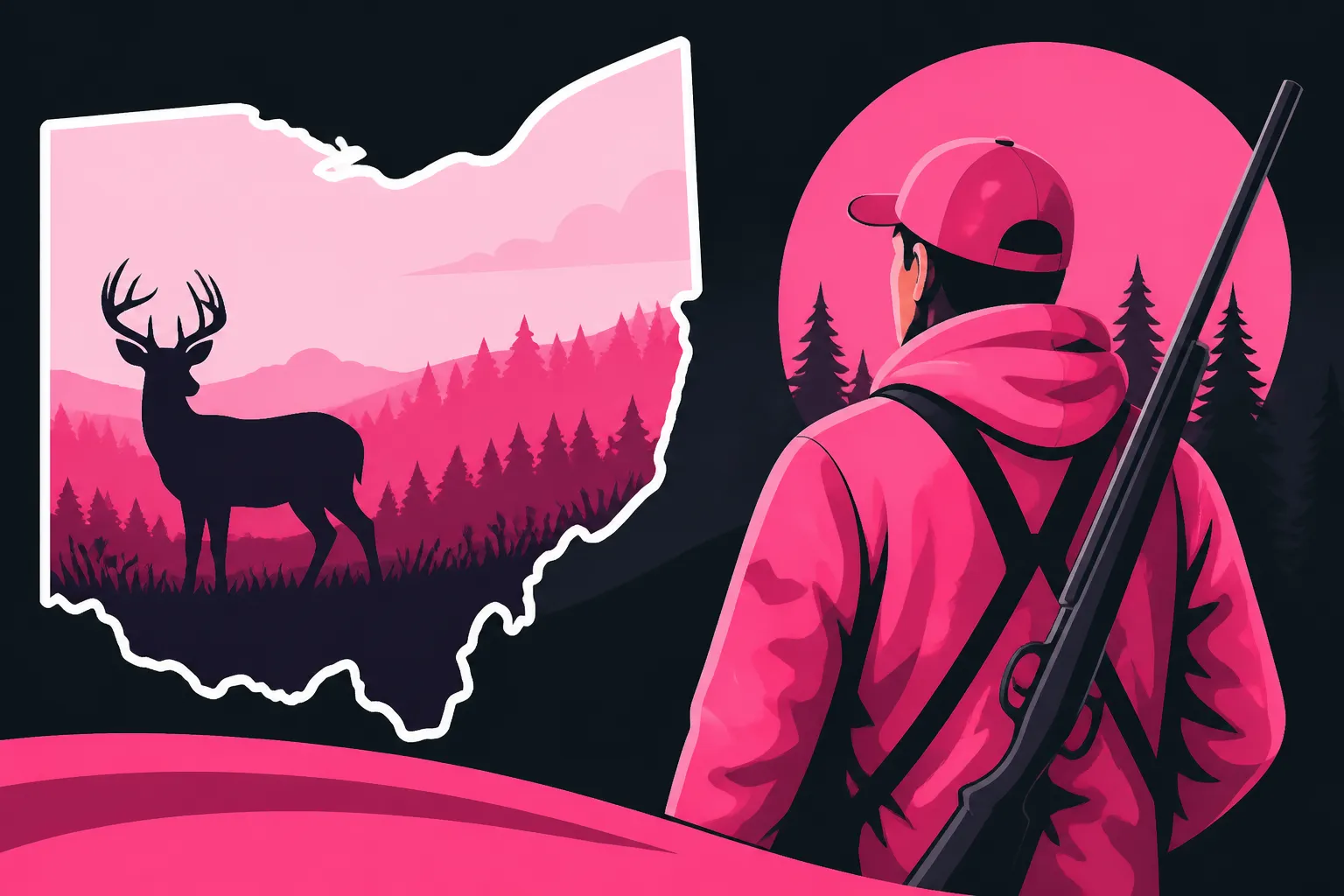
Blaze Pink Options Under Ohio Law
Hunting season in Ohio is a time many of us eagerly anticipate, filled with the promise of crisp air, quiet woods, and the thrill of the chase. But navigating the ever-evolving safety requirements, especially when new options like blaze pink emerge, can sometimes feel like trying to track a ghost in thick fog. For decades, blaze orange was the undisputed standard for hunter visibility. If you've found yourself asking whether blaze pink is truly legal in Ohio and how it measures up for safety, you're not alone. This comprehensive guide will shed light on everything you need to know about blaze pink options under Ohio law, ensuring you stay safe, seen, and compliant in the field.
The Evolving Landscape of Hunter Safety Colors in Ohio
For generations, the sight of vibrant blaze orange was synonymous with hunter safety. It was the color chosen to ensure hunters were clearly visible to other humans, a critical component in preventing accidental shootings. But like all aspects of hunting, practices and regulations adapt to new research, societal shifts, and a desire to make the outdoors more accessible. The introduction of blaze pink into the conversation marks a significant evolution in how we think about safety and inclusivity in the hunting community.
Why Blaze Orange Became the Standard
Before the advent of blaze orange, hunters often wore muted colors, camouflaging themselves not only from game but also, unfortunately, from other hunters. This led to a tragic number of accidental shootings, particularly during crowded gun seasons. Scientists and safety experts began researching colors that were highly visible to the human eye but less so to color-blind animals like deer. The solution? Blaze orange, also known as fluorescent orange or hunter orange.
The human eye, especially in low light or dense cover, is remarkably adept at picking out this specific shade of orange. Its high luminosity and unique wavelength make it stand out against natural greens, browns, and grays. It became a mandatory safety color across many states, including Ohio, primarily for anyone hunting deer, bear, or feral swine with a firearm, or during any gun season for other game. The goal was simple: make hunters easily identifiable to each other, reducing the risk of being mistaken for game or other objects. You can find more details on the traditional requirements in the guide to Ohio Blaze Orange Requirements.
The Introduction and Acceptance of Blaze Pink
The conversation around blaze pink didn't just appear out of nowhere; it grew from a desire to both offer more options and potentially encourage a broader demographic, particularly women, to participate in hunting. While blaze orange has proven incredibly effective, some felt a different color could achieve similar safety benefits while also appealing to personal preferences. The movement gained traction, largely supported by data suggesting that blaze pink, a vivid fluorescent magenta, could be just as visible, if not more so, than blaze orange under certain conditions.
States like Wisconsin were among the first to adopt blaze pink as a legal alternative, based on scientific studies that demonstrated its comparable, or even superior, visibility to the human eye. This wasn't about replacing blaze orange, but about providing an equally safe option. The debate wasn't without its detractors, with some questioning the science or simply preferring the traditional orange. However, the underlying principle remained hunter safety, and if blaze pink could meet that standard, it was a valuable addition. Ohio, always keen to ensure hunter safety while also adapting to modern trends, eventually joined other states in recognizing blaze pink as a legal option, a welcome change for many in the hunting community.
Ohio's Legal Framework for Blaze Pink
Ohio’s embrace of blaze pink wasn't a casual nod; it came with specific legal language designed to ensure the same high level of safety as traditional blaze orange. Hunters need to understand these precise regulations to ensure they are compliant and, more importantly, safe in the field. It’s not just about wearing any pink; it's about wearing the right kind of pink in the right way.
Specific Requirements for Visibility
Under Ohio law, any person hunting deer, bear, or feral swine with a firearm, or any person hunting during Ohio's gun seasons for other game, must conspicuously wear outer garments of "hunter orange" or "hunter pink." The key word here is "conspicuously." This isn't just a small patch; it means your safety color needs to be easily seen from all directions. This typically translates to a hat and an outer garment like a vest or jacket. The law is very clear that these garments must be visible from a 360-degree angle, meaning your front, back, and sides should present an unobstructed view of the safety color.
While the Ohio Department of Natural Resources (ODNR) does not specify a minimum square inch requirement for blaze pink as explicitly as some other states, the spirit of the law aligns with the understanding that a substantial amount of visible color is necessary for maximum safety. Think of it this way: if you’re standing in a thicket, and only a tiny sliver of pink is showing, that’s not "conspicuous." A full vest or jacket, combined with a hat, typically meets this expectation. It's about being hard to miss, even in challenging light or dense cover. This adherence to strong visibility is a core tenet of Ohio Hunter Education Requirements, stressing the importance of being seen by fellow hunters.
Accepted Garments and Placement Regulations
So, what exactly counts as an "accepted garment" when we're talking about blaze pink in Ohio? Essentially, anything that would be considered legal for blaze orange is also legal for blaze pink, provided it meets the visibility standard. This includes:
- Hats: A solid blaze pink hat, such as a baseball cap or beanie, is a popular and effective way to ensure visibility above the shoulders.
- Vests: A blaze pink vest worn over other clothing is perhaps the most common choice, as it covers the torso and is easily seen.
- Jackets: Full blaze pink jackets are also acceptable, providing both warmth and expansive visibility.
- Safety Belts/Sashes: Some hunters use blaze pink safety sashes, though these are typically in addition to a vest or jacket, not a replacement, to ensure full 360-degree coverage.
The critical factor is placement. The garments must be worn as outer garments, meaning they should be the outermost layer of clothing, not covered by backpacks, camouflage jackets, or game bags. Imagine yourself walking through the woods; if another hunter were to see you from any angle, would they immediately recognize you as a human hunter because of your prominent blaze pink gear? If the answer is yes, you're likely good to go. If you're concerned about how much coverage you need, refer to the guidance on How Much Blaze Orange Ohio Requires, as the principles apply directly to blaze pink as well.
Comparing Blaze Pink to Blaze Orange in Ohio
In Ohio, from a legal standpoint, there is no difference between blaze pink and blaze orange for hunter safety requirements. They are considered equivalent and interchangeable. If a law states "hunter orange" must be worn, "hunter pink" is an equally valid option. This parity is crucial for hunters, as it means you can choose the color that best suits your preference without compromising your legal standing or safety.
However, the question often arises: is one more visible than the other? Scientific studies have shown that both colors are highly effective at being seen by humans. Some research suggests that blaze pink might even stand out slightly better in certain lighting conditions or against specific natural backgrounds, particularly during dawn and dusk or in heavily overcast weather, due to its unique wavelength. Conversely, other studies have found them to be equally detectable. The key takeaway for Ohio hunters is that both colors serve the same safety function and are legally recognized as such. The choice, therefore, becomes a matter of personal preference, comfort, and the availability of quality gear. For those who enjoy researching their gear, platforms like GoHunt provide excellent resources for comparing the practical performance and user reviews of various safety apparel.
Understanding the Science Behind Blaze Pink's Effectiveness
When discussing hunter safety colors, it’s not just about what looks bright to us; it’s about understanding how eyes, both human and animal, perceive these hues. The science behind blaze pink's effectiveness is fascinating and directly supports its legal acceptance in Ohio. It boils down to the unique way different species process light and color.
Human Vision vs. Deer Vision: How Colors Are Perceived
Here’s where it gets interesting. Humans are trichromatic, meaning our eyes have three types of cone cells that are sensitive to red, green, and blue light. This allows us to see a broad spectrum of colors, including vibrant oranges and pinks. Fluorescent colors like blaze orange and blaze pink are particularly effective because they absorb ultraviolet light and re-emit it in the visible spectrum, making them appear to "glow" or be exceptionally bright.
Deer, on the other hand, are dichromatic. Their eyes primarily have two types of cone cells, making them somewhat similar to a red-green colorblind human. They can distinguish blues and yellows, but struggle with reds and greens. To a deer, blaze orange and blaze pink appear as shades of grey or yellowish-grey, blending into their environment much more readily than they do for us. What stands out to a deer is movement, silhouette, and scent, not the specific hue of your safety gear. So, the idea that blaze pink somehow spooks deer more than blaze orange is a myth; to a deer, they're both just variations of muted tones against the backdrop. This biological reality is why hunters can wear these bright colors with confidence, knowing they are highly visible to fellow hunters but not significantly more so to their quarry.
Optimizing Visibility in Various Hunting Environments
While the legal standard is met by wearing either color, understanding how to optimize your visibility, regardless of which you choose, is paramount. Different hunting environments in Ohio present unique challenges for being seen.
For instance, if you're Hunting Southeast Ohio Appalachian Foothills during late fall, the deep reds and browns of fallen leaves and the dark timber can make even bright colors appear less stark. In this scenario, maximizing the surface area of your blaze pink or orange becomes critical. A full jacket and hat will be more effective than just a vest. Similarly, during Hunting Northwest Ohio Farmland Deer where open fields are interspersed with woodlots, your visibility needs to be maintained across varying distances and backgrounds.
Consider the weather:
- Overcast days or foggy conditions: The reflective properties of fluorescent colors truly shine. Blaze pink, like orange, helps cut through the gloom.
- Snowy landscapes: Both colors provide a stark contrast against white, but their vibrancy is undiminished.
- Heavy rain: Water can dull the brightness of any color, so opting for waterproof or water-resistant blaze pink gear is a smart move.
The most important aspect is consistent, 360-degree visibility. Always check your setup in a mirror or have a hunting buddy confirm that your safety color isn't obscured by your backpack, bino harness, or even a weapon sling. When planning a hunt, the GoHunt app or website is a great tool for scouting and can help you visualize the terrain, which can inform your gear choices for optimal visibility.
Practical Considerations and Gear Selection
Now that we’ve covered the legal and scientific aspects, let’s talk about the practical side of incorporating blaze pink into your Ohio hunting setup. It’s one thing to know it’s legal; it’s another to find reliable gear that performs well in the field and keeps you safe.
Choosing Quality Blaze Pink Apparel
Just like any other piece of hunting gear, quality matters when it comes to blaze pink apparel. You're looking for garments that are not only brightly colored but also durable, comfortable, and suitable for Ohio's diverse weather conditions.
Here's what to consider:
- Material: Look for moisture-wicking, breathable fabrics for warmer early season hunts or insulated, weather-resistant materials for Clothing for an Ohio Late Season. Many brands offer technical fabrics that blend performance with safety color. Polyester blends are common, offering good durability and color retention.
- Durability: Hunting gear takes a beating. Ensure stitching is solid, zippers are robust, and the fabric can withstand snags from briars and brushes against rough bark.
- Comfort and Fit: You'll be spending hours, perhaps days, in this gear. Make sure it allows for a full range of motion, whether you're climbing into a treestand, still-hunting through thickets, or dragging a deer. A jacket that bunches up or a vest that constantly rides up will be a distraction and a discomfort.
- Visibility: While all legal blaze pink will be bright, there can be subtle differences in hue and luminosity between manufacturers. Some brands might offer a more intense fluorescent shade than others. When possible, compare options in person or read detailed reviews online from other hunters to gauge real-world visibility.
- Functionality: Does the garment have useful pockets? Is it quiet? Does it offer features like a built-in safety harness slot? Think about how it integrates with the rest of your hunting system. Many hunters appreciate vests or jackets with ample storage for calls, licenses, and other essentials.
Don't just grab the cheapest option; invest in gear that will last and genuinely contribute to your safety. A reliable piece of blaze pink apparel is an investment in both your hunt and your well-being.
Integrating Blaze Pink into Your Hunting Setup
Successfully integrating blaze pink into your hunting setup means more than just throwing on a vest. It's about a holistic approach to visibility and safety.
Consider these tips:
- Layering: In Ohio's fluctuating weather, layering is key. Your blaze pink outer layer should be easy to put on or take off without hindering other gear. For example, if you're using a harness, ensure your vest or jacket is designed to go over it or allows for proper harness integration.
- Headwear: A blaze pink hat is non-negotiable during gun season. It provides crucial visibility above your immediate body profile, especially when you're seated or moving through undulating terrain.
- Accessories: While not always legally required, blaze pink accessories like a backpack cover or even a piece of flagging tape on your treestand setup can further enhance your visibility when stationary. However, remember the outer garment rule applies to the main safety color you’re wearing.
- Checking Visibility: Before heading into the field, especially on public land where Hunting Pressure on Ohio Public Land can be higher, have a friend verify your visibility from various angles and distances. Walk away from them, turn around, simulate glassing or sitting, and ensure you're easily spotted. This quick check can offer peace of mind.
- Storage: Keep your blaze pink gear clean and stored properly to maintain its vibrancy. Dirt and grime can dull fluorescent colors, reducing their effectiveness.
For hunters who rely on digital tools, checking apps like GoHunt can sometimes offer gear recommendations specific to regional hunting conditions, helping you find the most suitable blaze pink options for your Ohio adventures.
Here's a quick comparison of key aspects between blaze orange and blaze pink in Ohio:
| Feature | Blaze Orange | Blaze Pink |
|---|---|---|
| Legal Status in Ohio | Fully legal and commonly required | Fully legal and accepted as an equivalent |
| Visibility (Human) | Highly visible, stands out against natural backgrounds | Highly visible, stands out against natural backgrounds |
| Visibility (Deer) | Appears as shades of grey/yellowish-grey | Appears as shades of grey/yellowish-grey |
| Primary Purpose | Hunter safety and identification | Hunter safety and identification |
| Common Garments | Vests, jackets, hats | Vests, jackets, hats |
| Acceptance in Hunting | Traditional and widely adopted | Newer, growing acceptance, especially for inclusivity |
Fostering Inclusivity: Beyond Just a Color
The debate and eventual acceptance of blaze pink in hunting laws across various states, including Ohio, represents more than just a legislative change. It signifies a broader movement towards inclusivity and modernization within the hunting community. It's about breaking down barriers and welcoming new participants, ensuring that safety remains paramount, regardless of personal style or preference.
Addressing Common Myths and Misconceptions
When blaze pink was first proposed, it sparked several myths and misconceptions, many of which persist today. One of the most prevalent was the idea that "deer can see pink better than orange" or that "pink will scare deer away." As discussed earlier, the science of deer vision definitively debunks this. Deer are primarily sensitive to blues and yellows; reds and greens (and by extension, fluorescent orange and pink) appear as muted tones to them. Their primary defense mechanisms rely on scent, sound, and detecting movement, not on differentiating between various shades of highly visible human colors.
Another misconception was that blaze pink was simply a "gimmick" or "feminine" color designed purely for aesthetics, rather than safety. This overlooks the rigorous scientific studies that demonstrated its comparable, if not superior, visibility to the human eye. The decision to legalize blaze pink was rooted in safety science, not just fashion. It expanded choice while maintaining the core principle of hunter visibility. By understanding and addressing these myths, we can ensure that decisions are based on facts and that all hunters feel confident in their gear choices.
The Broader Impact on the Hunting Community
The introduction of blaze pink is a small but significant step in making hunting more inclusive. For years, hunting gear was largely designed with a male demographic in mind, often lacking options that appealed to or properly fit women. Offering blaze pink provides a choice that some women (and men!) prefer, potentially making them feel more comfortable and welcome in a traditionally male-dominated activity. This move aligns with broader efforts to diversify the hunting community and ensure its future.
A more inclusive community is a stronger community. When more people feel welcome to participate, it brings fresh perspectives, new advocates for conservation, and helps ensure the traditions of hunting are passed on to future generations. The focus should always be on safety, responsible hunting, and respect for wildlife, regardless of the color of one's outer garment. Ultimately, whether a hunter chooses blaze orange or blaze pink, the goal is the same: to be seen, to be safe, and to enjoy the rich heritage of Ohio hunting. Exploring resources like Ohio Apprentice Hunter Rules can provide more insight into how Ohio is working to introduce new individuals to the sport safely and responsibly, and the availability of options like blaze pink only aids in these efforts.
Disclaimer
Please note that hunting regulations, seasons, and licensing requirements can change. Always consult the official Ohio Department of Natural Resources (ODNR) website or their most current hunting regulations digest before heading into the field. This article is intended for informational purposes only and should not be considered a substitute for official legal guidance.