Ohio’s Chronic Wasting Disease Surveillance Area
The emergence of Chronic Wasting Disease (CWD) in Ohio has understandably caused a lot of anxiety and confusion for hunters and landowners alike. Suddenly, the simple act of harvesting a deer comes with new questions about testing, carcass movement, and the long-term health of our beloved deer herd. This guide is here to cut through the noise, offering a comprehensive, realistic look at Ohio's CWD Surveillance Area (DSA), what it means for you, and how we can all work together to manage this significant challenge.
Understanding Chronic Wasting Disease Itself
Before we dive into the specifics of Ohio's response, it's crucial to grasp what CWD actually is. It's not just another deer disease; it's something entirely different, demanding a unique approach from wildlife managers and hunters alike. The more we understand, the better equipped we are to deal with it responsibly.
What CWD Is and How It Spreads
Chronic Wasting Disease is a transmissible neurological disease affecting cervids, which include deer, elk, moose, and caribou. Unlike bacterial or viral infections, CWD is caused by abnormal proteins called prions. These prions are incredibly resilient and can persist in the environment for years, making them extremely difficult to eradicate once a landscape becomes contaminated. Think of it like a slow-motion, inevitably fatal degenerative brain disease for deer.
The way CWD spreads is what makes it so concerning. Infected animals shed prions through their saliva, urine, and feces. When a healthy deer comes into contact with these contaminated bodily fluids, or even with soil, plants, or water where infected prions have lingered, it can contract the disease. This indirect transmission is particularly problematic because it means even if you remove all infected deer, the environment itself can remain a source of infection for new animals. Direct contact between deer, like nose-to-nose grooming or sparring during the rut, also contributes significantly to its spread, especially in areas with high deer densities.
Symptoms and Progression in Deer
Identifying CWD in the field can be tricky, especially in its early stages. Infected deer often show no outward signs for an extended period, sometimes for months or even years. This "incubation period" is one reason the disease can spread silently through a population before anyone is aware of a problem. However, as the disease progresses, classic symptoms typically begin to appear.
Common signs of advanced CWD include a drastic loss of weight (hence "wasting"), stumbling, lack of coordination, excessive drooling, increased thirst and urination, and a general change in behavior, such as a lack of fear of humans. Their ears might droop, and they might appear lethargic or depressed. Unfortunately, these symptoms can also mimic other conditions, like EHD (Epizootic Hemorrhagic Disease) or even severe malnutrition. This overlap is why official testing is the only definitive way to confirm CWD. If you ever see a deer exhibiting these symptoms, especially if it seems unusually sick or tame, it's vital to report it to the Ohio Department of Natural Resources (ODNR) for investigation. Early detection is key to containing the spread.
Why CWD Matters to Hunters and Wildlife
For hunters, CWD represents a multi-faceted threat. First and foremost, there's the concern for the health and sustainability of our deer herds. A widespread CWD infection could drastically reduce deer populations over time, fundamentally changing hunting opportunities and traditions in Ohio. Imagine future generations not having the rich hunting heritage we enjoy today – that's a real fear. This is why understanding Ohio Deer Population Estimate and localized herd health is so important.
Beyond population impacts, there are economic considerations. Hunting is a huge driver of local economies, from gear sales to gas stations and local diners. If CWD diminishes hunting, it hurts these communities. There's also the very real emotional toll on hunters who care deeply about wildlife and the outdoor experience. Lastly, and perhaps most talked about, is the public health aspect. While there's currently no scientific evidence that CWD can be transmitted to humans, health organizations like the CDC recommend against consuming meat from CWD-positive animals. This means strict protocols for carcass handling and mandatory testing are in place to ensure public safety and confidence in wild game meat. It's a complex issue that touches every part of our hunting culture and the broader ecosystem.
The Establishment of Ohio's CWD Surveillance Area (DSA)
When CWD shows up, states have to act fast and decisively. Ohio has been proactive in its approach, establishing a specific CWD Surveillance Area (DSA) to try and contain the disease and prevent it from becoming widespread. It's a challenging task, but a necessary one to protect our deer herd.
Tracing Ohio's First CWD Cases
Ohio's journey with CWD unfortunately began with the inevitable first detection. In 2014, the disease was confirmed in a captive deer facility in Holmes County, which immediately raised alarms. However, the more critical and unsettling development occurred later, with the detection of CWD in wild deer populations. The first case in a wild, free-ranging deer in Ohio was confirmed in Wyandot County in 2020. This was a game-changer, shifting CWD from a captive cervid issue to a wild deer management crisis in Ohio.
Since that initial wild deer detection, additional cases have been identified, primarily concentrated within a specific geographic region. The continued detections prompted the Ohio Department of Natural Resources (ODNR) to take significant steps to monitor and manage the disease. Learning about Why Wyandot County Drives Ohio's CWD Numbers sheds light on the epicenter of the issue and why this particular area became the initial focus of intensive surveillance and management efforts. Each new positive case, even if geographically isolated, triggers a rapid response to assess the risk and prevent further spread, reinforcing the importance of diligent hunter reporting.
Defining the Boundaries of the DSA
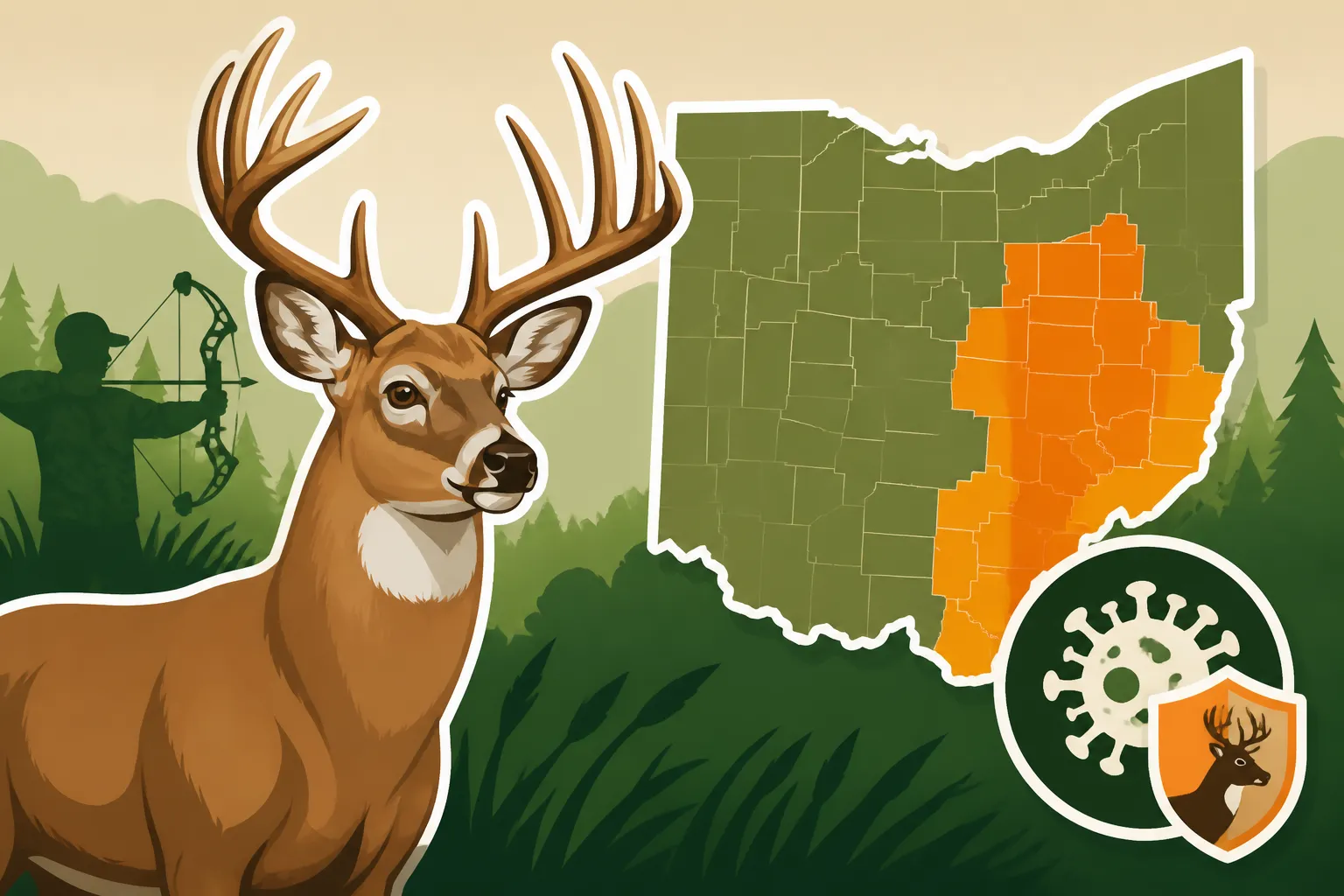
Following the confirmation of CWD in wild deer, the ODNR acted to establish the CWD Surveillance Area (DSA). This isn't just an arbitrary line on a map; it's a carefully designated region where enhanced surveillance, stricter regulations, and mandatory testing are implemented to monitor and control the disease. The boundaries of the DSA are determined based on the locations of confirmed CWD cases and the expected movement patterns of deer in those areas, aiming to encompass the potential range of infected animals.
Currently, the DSA includes a specific cluster of counties, primarily centered around where the first wild cases were found. For example, counties like Wyandot, Hardin, and Marion have been integral to the DSA since its inception, with surrounding counties sometimes added or adjusted based on ongoing surveillance results. It's essential for any hunter to know Which Counties Sit Inside the Ohio DSA before heading out for a hunt, as the rules change dramatically within these boundaries. The ODNR provides regularly updated maps and lists of DSA counties, often accessible through their website or platforms like GoHunt, which can help hunters keep track of the most current regulations. These boundaries are dynamic and can expand or contract as new information about the disease's prevalence and distribution becomes available, emphasizing the need to check for the latest updates each season.
The Goals and Purpose of the Surveillance Area
The primary goal of establishing the CWD Surveillance Area is multifaceted, all geared towards protecting Ohio's deer herd and the hunting public. First and foremost, it's about early detection and containment. By concentrating efforts in areas where CWD has been found or is most likely to appear, wildlife managers can identify new cases quickly, preventing the disease from quietly establishing itself across a wider geographic footprint. This targeted approach is crucial because the longer CWD goes undetected, the harder it is to manage.
Secondly, the DSA allows the ODNR to collect robust data on the prevalence and distribution of CWD in Ohio's wild deer. This scientific data is invaluable for understanding the disease's progression, assessing the effectiveness of management strategies, and informing future policy decisions. Without dedicated surveillance, managers would essentially be flying blind. Finally, the DSA serves an educational purpose, raising awareness among hunters and the public about CWD, its risks, and the critical role everyone plays in preventing its spread. It's an intensive, collaborative effort designed to give Ohio the best possible chance of mitigating the long-term impact of CWD on its deer and hunting heritage.
Mandatory Testing and Reporting Requirements Within the DSA
Hunting in the CWD Surveillance Area isn't quite the same as hunting outside of it. The biggest difference you'll encounter is the mandatory testing and reporting requirements. These aren't meant to be a hassle, but rather a crucial line of defense in the battle against CWD.
Who Must Submit Deer for Testing
If you're lucky enough to harvest a deer within the CWD Surveillance Area, congratulations! However, your responsibilities don't end there. Within the DSA, specific regulations mandate that all deer harvested during designated periods must be submitted for CWD testing. This typically applies to deer taken during the opening weekends of both the statewide gun season and the early gun season in the DSA, as well as possibly other selected periods. It's not optional; it's a mandatory step in the process.
This requirement applies to all hunters, regardless of whether they are residents or non-residents, and regardless of the type of permit they used (e.g., standard deer permits or Ohio Deer Management Permits). The goal is to maximize the number of samples collected during peak harvest times, providing the most accurate picture of CWD prevalence. It's easy to wonder if your individual deer really matters, but every single sample contributes to the overall dataset that informs critical wildlife management decisions. Always double-check the current regulations, especially regarding Mandatory CWD Testing Windows in the DSA, as these can be updated annually by the ODNR.
How to Submit Samples: Kiosks and Check Stations
The ODNR has made the process of submitting deer for CWD testing as convenient as possible within the DSA. You won't be expected to drive hours out of your way. Instead, a network of CWD sampling stations and self-serve kiosks are established throughout the designated counties. These locations are usually strategically placed near popular hunting areas or along major travel routes, making it relatively easy to drop off your deer head for sampling.
At a full-service check station, ODNR staff or trained volunteers will assist you, taking the necessary lymph node samples from the deer's head. For self-serve kiosks, you'll be provided with instructions on how to properly deposit the deer head, ensuring it's clearly labeled with your hunting information. It's crucial to follow these instructions carefully to ensure your sample is processed correctly. The ODNR provides detailed maps and lists of these locations, which can also often be found on the Wild Ohio website or through hunting apps like GoHunt. Knowing the locations of Ohio CWD Sampling Station Locations beforehand can save you a lot of time and hassle after a successful hunt. Remember, your deer also needs to be checked through the Ohio Deer Checking and Reporting Rules system before submitting it for CWD sampling.
Understanding Test Results and Turnaround Times
Once you've submitted your deer for CWD testing, the waiting game begins. The samples are sent to specialized laboratories for analysis. Given the volume of samples, particularly during peak hunting seasons, it can take some time to receive your results. The ODNR typically aims for results to be available within several weeks, but this timeline can vary depending on lab capacity and the time of year.
You'll usually receive notification of your deer's test results via email or through the ODNR's online portal where you initially checked your deer. It's crucial to hold onto any venison from a harvested deer within the DSA until you receive a negative test result. If a deer tests positive for CWD, you will be notified, and the ODNR will provide guidance on safe disposal. While a positive result can be disheartening, it's vital information for wildlife management and helps prevent the further spread of the disease. Remember, testing is an essential step to ensure the meat you consume is safe, aligning with recommendations from public health agencies regarding Handling Venison From a DSA County Safely.
Carcass Movement Restrictions and Disposal Protocols
One of the most significant changes for hunters operating in the CWD Surveillance Area (DSA) concerns what you can and cannot do with your deer carcass. These rules are designed to prevent the physical movement of prions, which are incredibly persistent and can spread the disease to new areas if proper precautions aren't taken.
Rules for Moving Deer Out of the DSA
The regulations regarding carcass movement are perhaps the most impactful for hunters who live outside the DSA but hunt within it, or for those who wish to transport their deer to a different county for processing. To prevent the spread of CWD prions, there are strict rules about what parts of a deer carcass can be moved out of a CWD-positive county or the broader DSA. Typically, these restrictions state that only certain parts are allowed to leave: boned-out meat, capes (without the skull or spinal column), cleaned skulls or skull plates (with all brain and nervous tissue removed), and antlers (whether attached to a skull plate or not).
This means you cannot simply load an entire deer, gut pile included, into the back of your truck and drive it home if your home is outside the DSA. This can be a major logistical challenge, especially for hunters without access to local processing facilities or those who prefer to do their own butchering at home. These Ohio Carcass Movement Restrictions are non-negotiable and are enforced to safeguard deer populations in areas currently free of CWD. Ignorance of these rules is not an excuse, so it's critical to be informed and plan your processing strategy before you even head into the woods.
Safe Disposal of Carcasses and Parts
Just as important as restricting movement is the proper disposal of carcass parts that cannot leave the DSA. Any parts of a deer—including the head (especially if not submitted for testing), spinal column, brain, and other nervous tissues—that contain or might contain CWD prions must be disposed of safely within the DSA. This means they cannot be left in fields or forests outside the DSA where other deer could come into contact with them.
The ODNR usually designates specific collection sites or landfills within or near the DSA that are equipped to handle CWD-positive or potentially positive deer waste. These sites ensure that the prions are contained and do not contaminate new areas. If you're processing a deer yourself within the DSA, you'll need to follow these disposal guidelines rigorously. For example, if you bone out your deer in the field, the remaining skeletal parts and gut pile should ideally be left on the property where the deer was harvested, if allowed, or taken to a designated disposal site. Never discard potentially infected parts along roadsides or in uncontrolled areas, as this directly contributes to the spread of the disease.
Processing Deer Within or Near the DSA
Given the carcass movement restrictions, many hunters find it most practical to process their deer entirely within the DSA, or at least at a facility very close to where the deer was harvested. This might mean using a local butcher or processor who is familiar with and compliant with the CWD regulations. These processors are generally aware of the requirements for handling and disposing of deer parts from the DSA.
If you prefer to process your own deer, you'll need to prepare to do all the boning and cleaning on-site or at a designated location within the DSA before transporting only the legal parts (boned-out meat, cleaned skull, etc.) out of the area. This can add an extra layer of planning and effort to your hunt. Some hunters even set up temporary processing stations or camp kitchens to handle this. It’s a good idea to bring extra game bags and coolers, especially if hunting during warmer archery seasons. Understanding these logistical challenges is key to having a successful hunt while also doing your part to contain CWD. Companies like GoHunt provide resources and community forums where hunters share tips and experiences for navigating these new realities, offering practical advice on processing and logistics.
Impact on Hunting and Deer Management Strategies
CWD isn't just a concern for the deer; it significantly reshapes how Ohio's wildlife managers approach deer populations and how hunters engage in their beloved pastime. It introduces new layers of complexity and responsibility that we all must adapt to. Understanding Ohio Deer Season Structure Explained is more critical than ever, especially in the context of CWD.
Special Hunting Regulations in the DSA
One of the most direct impacts of CWD on hunting is the implementation of special regulations within the DSA. These aren't minor tweaks; they're designed to either increase the harvest of deer in an effort to reduce deer density (which can help slow CWD transmission) or to facilitate more widespread testing. For instance, the ODNR might introduce an early gun season specifically within the DSA counties, often referred to as a "special early gun season," which provides an additional opportunity to harvest deer and gather samples before the main statewide seasons begin. This directly relates to the importance of mandatory testing windows in the DSA.
Furthermore, antlerless permits might be made unlimited in DSA counties, or specific bonus tags might be offered to encourage hunters to take more does. The rationale here is that reducing overall deer numbers, particularly does which contribute to population growth, can lessen deer-to-deer contact, thereby potentially slowing the rate of CWD spread. These regulations are subject to change annually based on surveillance data and disease progression, so staying informed is crucial. Hunters must check the latest Ohio Hunting Regulations Digest or the ODNR website every season for the most up-to-date rules specific to the DSA.
How CWD Affects Deer Herd Management
CWD fundamentally alters the paradigm of deer herd management. In areas free of CWD, management often focuses on balancing herd health with hunter opportunity, typically aiming for stable or slightly increasing populations. With CWD present, the priority shifts dramatically towards disease mitigation and control. This means making difficult decisions that might not always be popular with hunters, but are deemed necessary for the long-term health of the herd.
Management strategies in CWD areas often involve targeted culling, increased antlerless harvest, and intense surveillance to identify and remove infected animals. The goal is to keep the prevalence rate of CWD as low as possible and to prevent the disease from becoming established and widespread. This can sometimes lead to lower deer numbers in affected areas, which is a tough pill to swallow for hunters who enjoy seeing abundant deer. However, without these proactive measures, the long-term consequences for the deer population could be far more severe. The ODNR regularly assesses Ohio Wildlife Disease Monitoring data to fine-tune these strategies, emphasizing that CWD management is an ongoing, evolving process.
Hunter Cooperation and Disease Mitigation
The success of any CWD management strategy hinges heavily on the cooperation of hunters. Wildlife agencies, no matter how dedicated, simply don't have the resources to test every deer or enforce every regulation without the active participation of the hunting community. Your compliance with mandatory testing, carcass movement restrictions, and reporting sick deer is not just about following rules; it's about being an integral part of the solution.
Hunters can also contribute by being vigilant in the field, promptly reporting any deer that exhibit CWD-like symptoms. This "boots on the ground" surveillance is invaluable for early detection. Additionally, understanding and adhering to practices that minimize disease spread, such as not using natural urine-based lures (which could potentially contain prions) or avoiding the congregation of deer around bait piles (which can increase nose-to-nose contact), are all ways hunters can help. It's a collective responsibility, and every hunter's actions, big or small, contribute to the overall effort to mitigate CWD in Ohio. Platforms like GoHunt often highlight these responsibilities and offer guides on how to be a responsible hunter in CWD areas.
Living with CWD: Hunter Responsibility and Future Outlook
Chronic Wasting Disease is here to stay in Ohio, and that's a hard truth. But it doesn't mean the end of deer hunting as we know it. It simply means adapting, becoming more informed, and embracing a new level of responsibility as stewards of our wildlife.
Best Practices for Hunters in CWD Areas
Hunting in a CWD Surveillance Area requires a heightened sense of awareness and adherence to best practices, not just for compliance but for the long-term health of the herd. Firstly, always check the most current ODNR regulations for the specific counties you plan to hunt. These can change annually, so what was true last year might not be this year. Be prepared for mandatory testing and know the locations of the nearest sampling kiosks or check stations.
When field dressing a deer in the DSA, take precautions. While prions aren't easily transmitted through cuts on skin, it's always wise to wear gloves. Minimize contact with brain and spinal cord tissue, and use dedicated tools that can be thoroughly cleaned. If you're planning to process your own deer, consider doing it entirely within the DSA and disposing of all high-risk parts (brain, spinal cord, spleen, lymph nodes) at a designated CWD disposal site or ensuring they remain within the DSA. For those who send their deer to a commercial processor, choose one that is aware of and compliant with CWD regulations. Furthermore, consider limiting the use of deer urine lures or other products that might contain biological material from cervids, as these could potentially contribute to prion spread, though the risk is still being studied.
The Long-Term Picture for Ohio's Deer Herd
The long-term picture for Ohio's deer herd in the face of CWD is still developing, and it's a topic of continuous research and debate among wildlife biologists. The hope is that through aggressive management, targeted harvest, and vigilant surveillance, the prevalence of CWD can be kept low, minimizing its impact on overall deer numbers and herd health. However, in other states where CWD has been established for decades, it has sometimes led to localized population declines, shifts in age structures, and a reduction in the overall health of the deer.
Ohio's ODNR is working to learn from these other states, implementing strategies designed to prevent such severe outcomes. This includes focusing on reducing deer densities in core CWD areas and promoting hunter harvest to remove potentially infected animals. The disease is a marathon, not a sprint, and effective management requires long-term commitment and adaptive strategies based on ongoing scientific data. It's a future where wildlife management will be inextricably linked with disease management, and where hunter involvement will be more critical than ever. How Many Deer Have Tested CWD-Positive in Ohio will be a key metric that informs these ongoing strategies.
The Role of Research and Continued Monitoring
Underpinning all of Ohio's CWD efforts is the critical role of scientific research and continued monitoring. Biologists are constantly studying CWD—how it spreads, how long prions persist in the environment, potential genetic resistance in deer, and the effectiveness of various management techniques. This research informs every decision made by the ODNR, from setting DSA boundaries to determining testing protocols and hunting regulations.
Continuous monitoring means not only testing harvested deer but also conducting surveillance of roadkill and sick deer reports, and sometimes even targeted sampling in specific areas. This data allows the ODNR to track the disease's progression, identify new areas of concern, and evaluate whether current strategies are working. As hunters, our active participation in these monitoring efforts—through mandatory testing and by reporting suspicious animal behavior—directly contributes to this vital scientific understanding. It's a collaborative effort between science, management, and the hunting community, all working towards the shared goal of a healthy and sustainable deer herd for Ohio.
Beyond the DSA: Statewide Efforts and Monitoring
While the CWD Surveillance Area gets a lot of attention, it's important to remember that CWD management is a statewide concern. The ODNR isn't just focused on the DSA; they're implementing broader strategies and monitoring efforts to protect deer across all of Ohio.
Targeted Surveillance Outside Designated Areas
Even in counties outside the official CWD Surveillance Area, the Ohio Department of Natural Resources (ODNR) maintains a vigilant watch for CWD. This often involves targeted surveillance, which might include sampling a percentage of deer harvested during general hunting seasons in counties bordering the DSA, or in areas identified as having higher-than-average deer densities. The goal of this targeted surveillance is to catch any potential "spillover" of CWD before it can become entrenched in a new region.
These efforts might not involve mandatory testing for all hunters, but they are crucial for building a statewide picture of deer health. Hunters might find themselves asked to voluntarily submit samples from their harvested deer in these areas, or ODNR staff might conduct targeted collections at deer processing facilities. While the intense regulations are focused on the DSA, it's vital to recognize that the threat of CWD is constantly being assessed across the entire state. This proactive approach aims to expand knowledge about Ohio's CWD Prevalence Rate in the DSA and the rest of the state, ensuring that management strategies are informed by the most comprehensive data possible.
Understanding Ohio's Six-County CWD Footprint
As of recent updates, Ohio's known CWD footprint has been primarily concentrated within a six-county area, though the exact boundaries of the active DSA can shift. These core counties, which have seen confirmed CWD cases in wild deer, are the focal point of the most intensive management strategies. It's crucial for hunters to stay informed about Which Counties Sit Inside the Ohio DSA because these are the areas where the mandatory testing, carcass movement restrictions, and potentially modified hunting seasons are most strictly enforced.
The fact that CWD has remained largely confined to this relatively small cluster of counties, despite years of detection, speaks to the intense efforts being put into surveillance and management. However, it also highlights the constant need for vigilance. The disease doesn't respect county lines, and continued spread is a perennial threat. Understanding this geographic footprint allows hunters to make informed decisions about where they hunt, how they process their deer, and how they dispose of carcass waste, ensuring they do their part to prevent further spread.
The Importance of Reporting Sick Deer
Perhaps one of the most critical roles for every hunter and outdoor enthusiast, regardless of whether they are in the DSA or not, is to report sick or unusually behaving deer. Wildlife agencies simply cannot be everywhere at once, and reports from the public are often the first indication that something might be wrong in a new area. If you observe a deer exhibiting classic CWD symptoms—such as extreme weight loss, neurological signs like stumbling or head-tilting, excessive drooling, or a complete lack of fear of humans—it is imperative that you contact the ODNR immediately.
Do not attempt to approach or interact with the animal directly, especially if it appears disoriented or aggressive. Simply make note of the exact location, take a photo or video if safely possible, and provide this information to the ODNR through their dedicated reporting hotlines or online portals. Reporting a sick animal contributes directly to Ohio Wildlife Disease Monitoring efforts and can be the key to early detection in areas not yet known to have CWD. Early reporting can trigger targeted investigations, potentially preventing the disease from gaining a foothold in new areas and protecting more of Ohio's cherished deer herd.
Common Questions and Misconceptions About Ohio CWD
When a disease like CWD hits the news, it's natural for rumors and misinformation to spread as quickly as facts. Let's clear up some of the most common questions and misconceptions that hunters and the public often have about Chronic Wasting Disease in Ohio.
Is CWD Transmissible to Humans?
This is, understandably, the question that worries people the most. The short answer is: currently, there is no scientific evidence that Chronic Wasting Disease can be transmitted to humans. Major public health organizations, including the Centers for Disease Control and Prevention (CDC), state that no human cases of CWD have ever been identified. This is a critical point that helps alleviate some of the immediate fears associated with the disease.
However, these same organizations also advise extreme caution. They recommend not consuming meat from CWD-positive animals. This precautionary principle is in place because CWD is a prion disease, and other prion diseases (like "mad cow disease") have been known to cross species barriers, albeit rarely. Scientists are still actively researching the potential for CWD to affect humans, and until more is known, the safest approach is to avoid exposure. This is precisely why mandatory testing in the DSA and adherence to Handling Venison From a DSA County Safely guidelines are so important—they provide an added layer of assurance for hunters consuming wild game.
Debunking Common CWD Myths
There are many myths that circulate about CWD, and it's important to separate fact from fiction. One common myth is that CWD is just like EHD (Epizootic Hemorrhagic Disease). While both affect deer, they are completely different. EHD is a viral disease spread by biting midges, and deer often recover from it. CWD, caused by prions, is always fatal and is not viral. Another myth is that you can always tell if a deer has CWD just by looking at it. As discussed, early-stage CWD often shows no symptoms, making visual detection unreliable. Only laboratory testing can confirm CWD.
Another misconception is that baiting or feeding deer is harmless. While not illegal statewide, in CWD areas, practices that concentrate deer, such as baiting or feeding, are strongly discouraged or often prohibited because they increase nose-to-nose contact and can accelerate the spread of CWD. Some also believe that CWD is a "man-made" disease, but it's a naturally occurring neurological condition in cervids, though human activities (like deer farming and movement of animals) can influence its spread. It's important to rely on information from reputable sources like the ODNR or wildlife health experts, and not just what you hear on social media or around the campfire.
Resources for More Information and Updates
Staying informed is your best defense against misinformation and the most effective way to contribute to CWD management. The Ohio Department of Natural Resources (ODNR) is the primary and most authoritative source for all information regarding CWD in Ohio. Their website (OhioDNR.gov) provides up-to-date regulations, maps of the CWD Surveillance Area, information on testing locations, and the latest news and research. They often publish an annual hunting regulations digest that highlights any changes related to CWD.
Additionally, organizations like the Chronic Wasting Disease Alliance (CWD-info.org) offer a wealth of general information on the disease, its science, and management efforts across North America. For hunters using digital tools, apps like GoHunt often integrate ODNR data, providing visual overlays of DSA boundaries and real-time updates on regulations. If you suspect you've seen a sick deer, or have specific questions not covered by these resources, don't hesitate to contact your local ODNR wildlife officer or district office. They are there to help and your input is invaluable for ongoing surveillance and management efforts.
Table: Key CWD Regulations in Ohio's DSA
To give you a quick reference, here's a summary of some of the key CWD regulations and recommendations specific to Ohio's CWD Surveillance Area (DSA). Always confirm the most current regulations with the ODNR before hunting.
| Regulation Aspect | Requirement/Recommendation Within DSA | Why It Matters |
|---|---|---|
| Mandatory Testing | All harvested deer during specific gun season weekends must be submitted for CWD testing. | Critical for tracking disease prevalence and identifying new cases. |
| Carcass Movement | Only specific parts (boned-out meat, cleaned skull, cape, antlers) can leave the DSA. | Prevents the spread of CWD prions to new areas. |
| Carcass Disposal | High-risk parts (brain, spinal cord, spleen) must be disposed of at designated sites within the DSA. | Contains prions to prevent environmental contamination. |
| Early Gun Season | Special early gun season often implemented in DSA counties. | Increases harvest opportunities for surveillance and population control. |
| Antlerless Permits | Often unlimited or more readily available to encourage higher doe harvest. | Reduces deer density to slow CWD transmission. |
| Reporting Sick Deer | Immediate reporting of any CWD-like symptoms to ODNR. | Essential for early detection and rapid response to new cases. |
| Processing Practices | Consider field dressing and boning out deer completely within the DSA. | Simplifies compliance with movement restrictions and reduces spread risk. |
| Baiting/Feeding | Discouraged or prohibited; concentrates deer and increases nose-to-nose contact, increasing transmission risk. | Minimizes deer congregation to reduce direct and indirect transmission. |
| Urine-Based Lures | Use with caution or avoid; potential for prion transmission. | Reduces potential for prion introduction to the environment. |
Disclaimer
The information provided in this article is for general informational purposes only and is not intended as legal advice or as a substitute for official regulations. Hunting laws and regulations, particularly concerning Chronic Wasting Disease, are subject to change. Always consult the most current Ohio Department of Natural Resources (ODNR) hunting regulations and official publications before participating in any hunting activities.