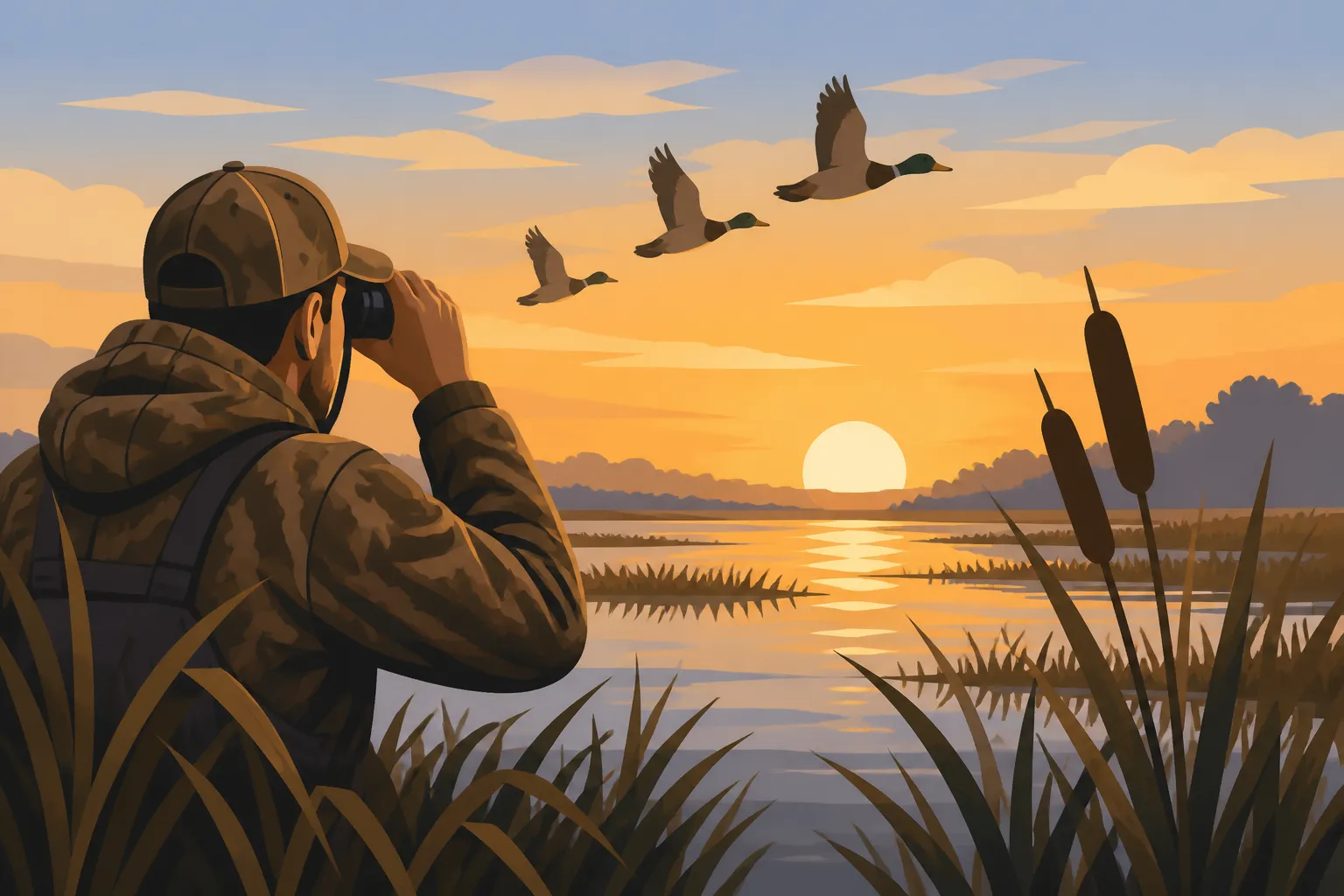
Reading a Marsh for a Morning Flight
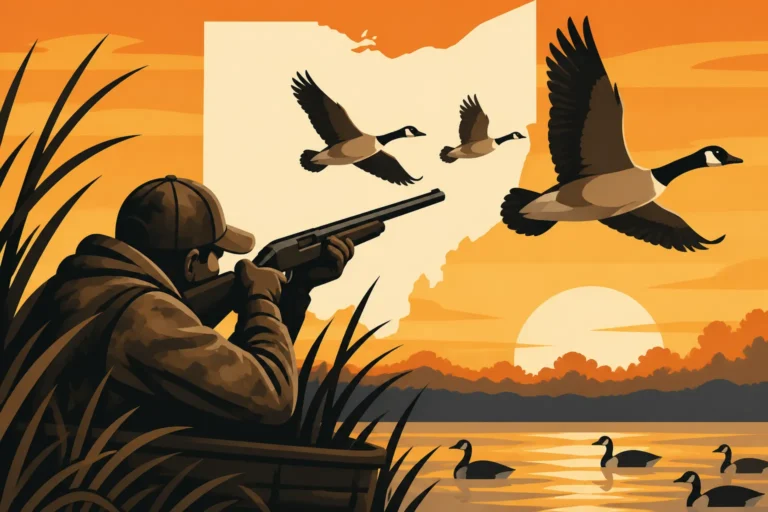
There's nothing quite like the anticipation of a morning waterfowl flight, especially when you're tucked into a marsh blind as the first hint of dawn paints the eastern sky. But let's be honest, marshes can be incredibly frustrating to hunt. One morning the birds are there, the next they're gone, leaving you wondering what you missed. This comprehensive guide will help you decipher the subtle language of an Ohio marsh, teaching you how to "read" the water, the wind, and the birds themselves to put yourself in the right place for that unforgettable morning flight.
Understanding Marsh Dynamics and Waterfowl Habits
Before you can even think about setting decoys, you've got to understand the marsh itself. It’s a living, breathing ecosystem with its own rhythms, and those rhythms dictate where the ducks and geese will be.
The Rhythms of a Marsh: Tides, Wind, and Weather
Ohio's marshes, particularly those along Lake Erie and the larger river systems, are often influenced by water levels that can change dramatically. It’s not just about a rising and falling tide in the traditional sense, but about wind-driven seiches on Lake Erie or river levels responding to upstream rain. A strong north wind on Lake Erie can push water into coastal marshes, flooding new feeding areas and changing access points overnight. Conversely, a sustained west wind might draw water out, exposing mud flats that ducks love for grubbing. You need to pay attention to these fluctuations. Birds will follow the food and the most accessible water.
Weather fronts are another huge factor. A cold front sweeping through Ohio, especially in the fall, can bring fresh waves of migratory birds down the flyway. Ducks and geese, especially those that have traveled a long way, will be looking for easy food and safe resting areas. Post-front, often with high pressure and clear skies, the birds might be more active, but also warier. The wind, perhaps the most critical element, dictates flight paths. Ducks almost always land and take off into the wind. If the wind is blowing from the north, expect them to approach your spread from that direction. Understanding this helps you position your blind and decoys for optimal shooting lanes. A heavy fog can also completely shut down or redirect morning flights, forcing birds to fly lower and often later in the morning.
Key Waterfowl Species and Their Preferences in Ohio Marshes
Ohio's diverse wetlands attract a variety of waterfowl, each with its own preferred habitat within the marsh. Knowing these preferences is crucial.
- Mallards and Wood Ducks: These are your classic puddle ducks, often found in shallower water, flooded timber, or areas with abundant emergent vegetation like smartweed, wild rice, and corn. Wood ducks, in particular, love swamps and backwater sloughs with overhead cover. You'll often find them feeding in the dense cover of a cattail marsh, especially in the more secluded pockets. For more on where to find these birds, you might want to read about Mallards and Wood Ducks in Ohio Marshes.
- Teal (Green-winged and Blue-winged): Small and fast, teal are often early migrants and prefer shallow, open mudflats rich with aquatic invertebrates and seeds. They're quick to come to decoys, but their flight can be erratic.
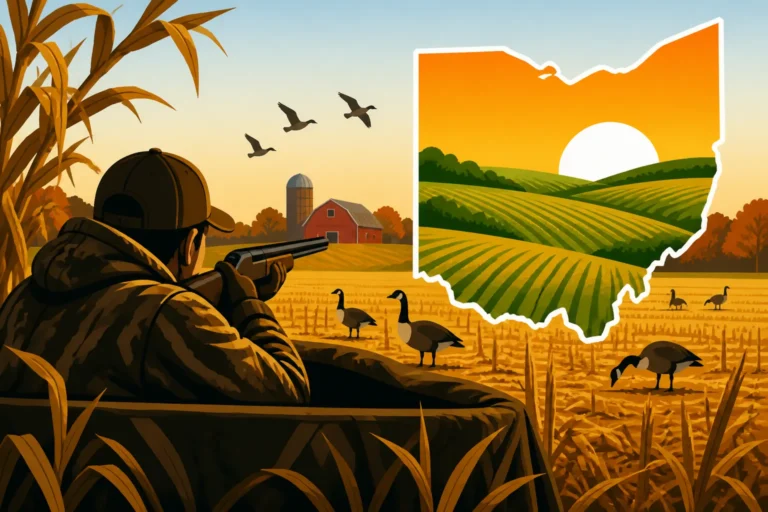
- Canada Geese: While often seen in cut grain fields, Canada geese also use marshes for loafing and roosting, particularly larger, more open pools within the marsh. They need space for their larger bodies and prefer a clear line of sight.
- Diver Ducks (Canvasbacks, Redheads, Scaup): While primarily open-water birds on Lake Erie, you might find divers in the deeper, more open sections of larger marshes, especially those connected to the big lake. They dive for submerged vegetation and mollusks. However, for most marsh hunting, you'll be focusing on puddle ducks and geese. If you're chasing divers specifically, check out Diver Hunting on Open Lake Erie Water.
Understanding these species-specific preferences helps you narrow down potential hot spots within a marsh. A deep, open area is less likely to hold a bunch of mallards than a shallow, vegetated pocket, for instance.
Scouting Strategies for Identifying Flyways and Roosts
You can’t just show up on opening day and expect to magically find the birds. Successful marsh hunting starts long before the season with thorough scouting.
Pre-Season Reconnaissance: Maps, Boots on the Ground, and Technology
The first step in reading a marsh is to immerse yourself in it, even if it’s just from afar initially. Start with topographical maps and aerial imagery. Tools like GoHunt or other mapping apps are invaluable here. Look for:
- Open water pockets: Where ducks will land and raft.
- Dense vegetation: Cattails, phragmites, buttonbush – these offer cover and security for resting and roosting birds.
- Natural funnels: Points, narrow channels, or breaks in vegetation that birds will naturally follow when flying in or out.
- Adjacent food sources: Is there a cut cornfield, a standing soybean field, or a flooded timber area nearby? Birds often use marshes to loaf during the day and fly out to feed. Understanding these flight lines is critical. For instance, knowing how to approach Hunting a Standing Soybean Field adjacent to a marsh can be a game-changer.
- Access points: Where can you safely and quietly enter and exit without spooking birds?
Once you’ve got a handle on the landscape from above, it’s time for boots (or waders) on the ground. Walk the edges of the marsh, or better yet, paddle a kayak or sneak in with a layout boat. Look for sign: feathers, droppings, "feeding circles" in mud. Observe birds from a distance during the evening fly-in or morning fly-out. Where do they want to be? Where are they landing? Remember, waterfowl are incredibly sensitive to pressure. You want to scout without disturbing them too much, especially closer to opening day. Early goose season can be a great time to observe patterns before the main duck migration, offering insights into Early Goose Season Tactics in Ohio.
Interpreting Waterfowl Behavior During the Hunt
Scouting doesn't stop once the hunt begins. Even while you're sitting in the blind, you should be constantly observing.
- High fliers: If ducks are flying high and not responding to calls, they're likely going to a different, more preferred spot, or they've been pressured heavily. Pay attention to the direction they're headed.
- Circling birds: Birds that circle your spread but don't commit are trying to pinpoint something that looks "off." It could be your concealment, decoy spread, or calling. They might also be checking the wind direction and looking for a clear landing zone.
- Landing patterns: Watch how birds approach and land. Do they prefer a specific open pocket? Are they landing short of your decoys, or beyond them? This immediate feedback can help you adjust your spread or calling during a lull.
- The "X" Factor: Sometimes, ducks will land in the most unexpected places, often a small, out-of-the-way pocket of water that offers perfect security or a specific food source. These are the "Xs" that dedicated marsh hunters spend years trying to find. If you see birds consistently landing in a specific spot away from your setup, take note. It might be worth moving later in the day or for a future hunt.
Paying close attention to these subtle cues during the hunt itself is a form of real-time scouting, allowing you to learn and adapt.
Setting Up for Success: Decoys, Blinds, and Entry/Exit
Once you’ve read the marsh and identified where the birds want to be, the next critical step is setting up your ambush effectively.
Decoy Placement for Different Marsh Conditions and Species
Decoy spreads aren't one-size-fits-all. What works for a field edge might not work for a cattail marsh, and what works for a bunch of mallards won't be ideal for a flock of Canada geese.
- Puddle Ducks (Mallards, Wood Ducks, Teal): These birds like shallow water and tend to land in clearings within dense vegetation. A common strategy is to create a "landing hole" or "kill hole" with your decoys arranged in a U or J shape, leaving an open pocket directly in front of your blind, ideally with the wind at your back. This encourages birds to land into the wind, right in your sweet spot. A dozen mallard decoys, mixed with a few teal or wood ducks, can be very effective. Motion decoys, like spinning wing decoys, can add realism and attract distant birds, but can also flare pressured birds. Place them a bit away from your primary landing zone. Remember that where you're hunting, Nontoxic Shot Is Required in Ohio for all waterfowl, so make sure your loads are compliant.
- Canada Geese: Geese prefer more open water and larger spreads. If you're targeting geese in a marsh, you'll need larger goose decoys, often full-body or shell decoys. Arrange them in family groups, leaving plenty of open water between the groups for incoming birds to land. Geese are often warier than ducks, so realism and concealment are paramount.
- Mixed Spreads: In Ohio marshes, it's common to hunt both ducks and geese. A mixed spread can work, but keep the species somewhat separate – a raft of duck decoys in one area, and a separate group of goose decoys in another, perhaps closer to a field edge if applicable. This allows incoming birds of each species to feel more comfortable. For specific decoy tactics, checking out a guide on Decoy Spreads for Lake Erie Divers might offer some adaptable insights, even if you're not targeting divers directly, on how to arrange for natural appeal.
Blind Concealment and Managing Pressure
You can have the best decoy spread in the world, but if your blind sticks out like a sore thumb, the birds will flare every time.
- Natural Blinds: The best blinds are those that blend seamlessly into the environment. Use existing cattails, brush, or fallen logs to create your hide. Cut and weave natural vegetation into your blind to break up your outline. A well-built natural blind might require a bit more effort, but it pays off in close-working birds.
- Layout Blinds and Boat Blinds: These are excellent options for open marsh environments or when hunting adjacent cut fields. A layout blind, like those discussed in Layout Blind Hunting Ohio Farm Fields, offers superb concealment when brushed in correctly. For water-based hunting, a boat blind can be brushed with marsh grass or corn stalks to disappear into the surroundings. The key is to over-brush it – you can always take some away if it's too thick, but adding more during the hunt is difficult.
- Managing Pressure: This is probably the most overlooked aspect. Every time you enter a marsh, every shot you fire, every bird you spook, you're educating the local waterfowl. Try to vary your entry and exit routes, or at least be as quiet and stealthy as possible. Don't overhunt a specific spot. If the birds have been pressured, they’ll become nocturnal or simply move to another, quieter marsh. Using the same stand location repeatedly without adjusting for bird behavior will quickly lead to diminishing returns.
Adapting to the Morning Flight
Marsh hunting is dynamic; conditions change, and so do the birds. Being able to adapt on the fly is what separates consistent success from occasional luck.
Adjusting to Changing Conditions
Even with the best scouting and setup, a morning hunt rarely goes exactly as planned.
- Wind Shifts: Wind is king. If the wind unexpectedly shifts direction, your carefully placed decoy spread might suddenly be forcing birds to land with the wind, often short of your blind. If possible, quickly adjust a few key decoys to re-create that open landing zone into the new wind direction. Sometimes, a full repositioning of your blind might be necessary, though often impractical mid-hunt.
- Bird Behavior: Birds that were hot the day before might be shy today. This could be due to increased hunting pressure, a change in weather, or simply their mood. If ducks are flaring consistently, try reducing your calling, or go silent. If they're working but not committing, try adding more decoys, especially motion decoys, or removing some if they seem too crowded. Sometimes, less is more.
- Light and Glare: As the sun rises, glare on the water can make it hard to see incoming birds or judge distances. Position yourself so the sun isn't directly in your eyes. If possible, use natural cover or a blind extension to create shade.
- Fog or Precipitation: A thick fog can delay flights or cause birds to fly low and pop up unexpectedly. Rain or snow can increase bird activity but also make them fly faster. Keep your head on a swivel and be ready for anything. And speaking of being ready, having reliable gear is essential. Make sure your Waders for Cattail Marsh Hunting are leak-free, and your Blind Bags and Cold-Weather Gear are well-stocked.
The Importance of Safe and Ethical Hunting
Waterfowl hunting, especially in a marsh, comes with unique responsibilities.
- Target Identification: Always be 100% certain of your target. In the low light of dawn, species can be hard to distinguish. Know your local regulations, bag limits, and protected species. Never shoot at low-flying birds unless you can clearly identify them.
- Safe Shooting Lanes: Be aware of your hunting partners and any potential structures or public access points. Always know where your shot is going. In a marsh, shots can travel unexpectedly, especially if ricocheting off water.
- Quick Retrievals: Marshes often have thick vegetation and soft bottoms, making retrieving downed birds challenging. A good retrieving dog is invaluable, but if you don't have one, mark where the bird falls precisely. Use landmarks. If the bird is still alive and struggling, prioritize a swift follow-up shot to ensure a humane kill. Lost birds are a waste of game and reflect poorly on hunters. If you have a dog, ensure it's equipped with a Dog Vests for Cold Water Retrieves to protect it from the elements and sharp vegetation.
- Respect for the Resource: Pack out everything you pack in. Leave no trace. Be mindful of others using the marsh, whether they are other hunters, bird watchers, or kayakers. Ethical behavior ensures these incredible hunting opportunities remain available for future generations. Don't forget to report your harvest according to Ohio's checking rules and get your Ohio HIP Certification for Bird Hunters squared away before you even step foot in the marsh.
| Ohio Marsh Duck Species | Preferred Marsh Features | Decoy Needs (Typical) | Calling Recommendation |
|---|---|---|---|
| Mallard | Shallow water, emergent vegetation, open pools | 6-12 standard mallards, some motion | Aggressive hails, contented quacks |
| Wood Duck | Flooded timber, dense cover, secluded sloughs | 3-6 wood duck decoys (often near cover) | Whistle, soft hen calls |
| Green-winged Teal | Shallow mudflats, sparse vegetation | 3-6 teal decoys, small splashes | High-pitched whistles, quick quacks |
| Northern Shoveler | Shallow, muddy areas, open water | Few shoveler decoys, mixed | Soft quacks, generally subtle |
| Gadwall | Vegetated pools, open water edges | 6-12 mallard/gadwall mix | Soft calls, often silent |
Disclaimer
Hunting involves inherent risks, including but not limited to those associated with firearms, natural environments, and wildlife. Always prioritize safety, adhere to all local, state, and federal regulations, and practice ethical hunting principles. The information provided in this guide is for educational purposes only and should not replace professional instruction or advice. Always confirm current regulations with the Ohio Department of Natural Resources (ODNR) before hunting.