Keeping a Muzzleloader Dry in Wet Snow
There are few things more frustrating than carefully preparing for a late-season deer hunt in Ohio, only to have a sudden downpour of sleet or wet snow compromise your muzzleloader. That sinking feeling as you realize your meticulously loaded charge might be a dud because moisture has crept in is enough to ruin any hunt. This guide is all about preventing that exact scenario, offering practical, field-tested advice to keep your muzzleloader bone dry, even when Mother Nature throws her worst Ohio winter weather your way.
Understanding the Muzzleloader's Vulnerability to Moisture
Muzzleloaders, particularly traditional cap and ball or even modern inline models, are notoriously susceptible to moisture. Unlike a sealed modern cartridge rifle, the powder charge, primer, and ignition system are far more exposed. When that fine Ohio snow starts turning to sleet or a cold, driving rain, it’s not just a nuisance; it’s a direct threat to your ability to take a shot.
How Moisture Compromises Ignition
The biggest enemy of a muzzleloader is moisture getting into the powder charge or around the primer. Black powder and its modern substitutes like Pyrodex or Triple Seven are hygroscopic, meaning they readily absorb moisture from the air. Even a tiny bit of dampness can cause the powder to clump, reduce its burn rate, or completely prevent it from igniting. Imagine climbing to your favorite stand in the Wayne National Forest on a blustery January morning, the thermometer hovering just above freezing, and that beautiful, fluffy snow from yesterday has turned into a heavy, wet mess. You spot a deer, steady your aim, and pull the trigger, only to hear a pathetic click instead of a resounding boom. It’s soul-crushing, right?
Beyond the main powder charge, the primer is equally critical. For percussion cap rifles, the cap must stay completely dry to spark reliably. Inline muzzleloaders, often using 209 shotshell primers, are more weather-resistant, but they're not foolproof. Water can still wick into the breech plug area, especially if not properly sealed, or simply dampen the primer’s compound. This is why late-season hunters often face unique challenges when hunting during Ohio's Muzzleloader Season Structure, as these late-season hunts frequently coincide with unpredictable, wet winter weather patterns. The damp air alone, even without direct precipitation, can be enough to start degrading your powder over several hours in the woods, especially if you've been moving and generating body heat inside your hunting layers, creating condensation.
Common Areas Where Water Sneaks In
Knowing where moisture can gain access is the first step to preventing it. On a typical muzzleloader, several key areas are vulnerable. The muzzle itself is an obvious entry point; snow, rain, or even just melting frost can fall directly into the barrel. The breech plug area, where the primer ignites the powder, is another critical spot. If your breech plug isn't seated tightly or its threads are dry, water can seep past. The nipple on a percussion rifle, or the firing pin channel on an inline, also presents an opening.
Even the ramrod channel can act like a conduit, guiding water down into the barrel if not plugged properly. Then there’s the lock mechanism itself – the hammer and trigger assembly. While not directly linked to ignition, a frozen or seized lock due to water ingress can render your firearm inoperable. Ohio's winter weather can be quite fickle; one moment it’s a crisp, sunny morning, the next you’re battling freezing rain. Being aware of these vulnerabilities is crucial for anyone planning to go Muzzleloader Deer Hunting in Ohio during the late season when conditions are often at their harshest. It’s not just about keeping the barrel dry, but understanding the entire system's exposure.
Pre-Hunt Preparation for Wet Weather
The best defense against a wet muzzleloader is a good offense. Proper preparation before you even step foot in the woods can make all the difference between a successful hunt and a frustrating misfire. This isn't just about loading your gun; it's about making sure your equipment is genuinely ready for the conditions it will face.
Thoroughly Cleaning and Sealing Your Muzzleloader
Before loading your muzzleloader for a hunt, give it a meticulous cleaning. Any residual fouling from previous shooting can attract and hold moisture, acting as a magnet for rust and dampness. Use a good quality bore cleaner, scrub the barrel until patches come out white, and don't forget the breech plug. Ensure the breech plug is free of carbon buildup, especially the flash hole, which is vital for proper ignition. Once clean, lightly oil all metal surfaces to prevent rust, but avoid getting oil inside the barrel or on the breech plug's flash hole, as this can impede powder performance.
For sealing, a thin layer of anti-seize compound or Teflon tape on your breech plug threads can help create a better seal against moisture. Some hunters even use a dab of beeswax or specialized breech plug grease. For percussion caps, a light coat of nail polish or melted beeswax over the cap once it's seated on the nipple can provide an excellent waterproof barrier. For inline 209 primers, ensuring the primer pocket is clean and dry, and the breech plug is tight, is usually sufficient. Remember, a dry, clean gun is inherently more resistant to moisture. Even something as simple as ensuring all screws are snug can help prevent tiny gaps where moisture might find its way in. Many serious late-season hunters use digital scouting tools like the GoHunt app to check detailed weather forecasts, allowing them to prepare their muzzleloaders accordingly based on predicted precipitation and temperature drops.
Protecting Your Powder and Primers
Keeping your powder and primers dry extends beyond the firearm itself. Always carry your powder in a waterproof container. Many hunters prefer individually pre-measured charges in plastic tubes, often called speedloaders. These not only protect the powder from moisture but also make reloading in the field much faster and less cumbersome, especially with cold, numb fingers or under the cover of a ground blind. If you're using loose powder, a small, tightly sealed powder flask made from a non-corrosive material is essential.
Primers should be stored in a small, waterproof container, like a film canister (if you can find one these days!) or a dedicated primer caddy. Avoid storing them in your main pack where they could get crushed or exposed to melting snow if your pack isn't fully waterproof. Some hunters even keep a few spare primers in a tiny Ziploc bag tucked into a pocket for quick, emergency access. The key is redundancy and ensuring your ignition components are isolated from any potential moisture source. Planning out your Muzzleloader Tactics in January Cold absolutely has to include a robust plan for keeping these critical components dry.
The Importance of a Good Muzzle Cover
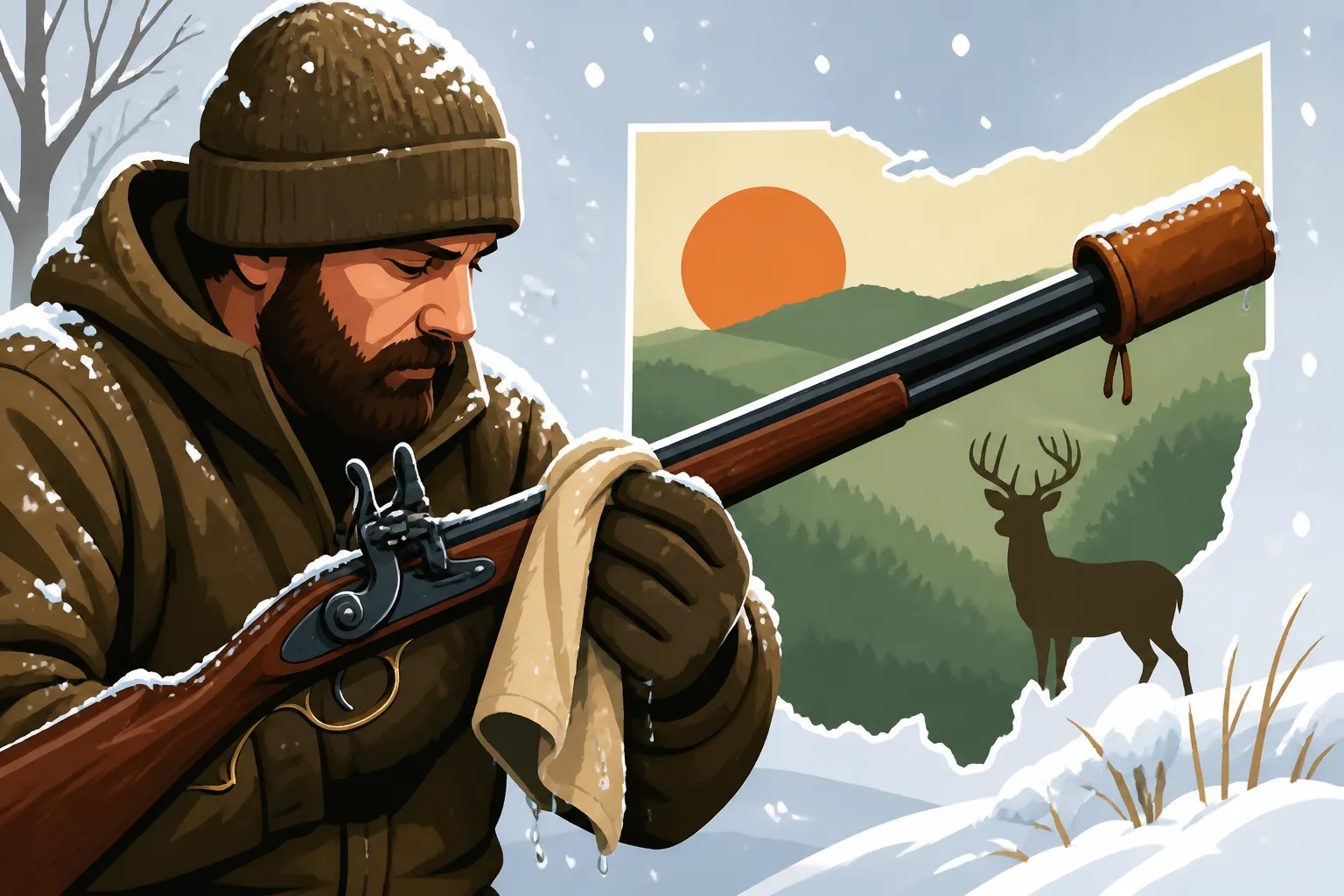
A simple, yet incredibly effective piece of gear for any muzzleloader hunter, especially in wet conditions, is a good muzzle cover. This prevents snow, rain, twigs, and dirt from entering the barrel. There are several options, from dedicated elastic covers to more DIY solutions. A common and very effective field expedient is a piece of latex or vinyl glove stretched over the muzzle and secured with a rubber band. Another popular choice is a balloon, which can be easily slipped over the muzzle and shot through without affecting accuracy at typical muzzleloader ranges.
Alternatively, some hunters use a small piece of electrical tape across the muzzle. Whichever method you choose, make sure it’s something you can shoot through safely without worrying about obstruction. Testing it at the range is always a good idea. A good muzzle cover is cheap insurance against a fouled bore and dramatically increases your chances of a successful shot when the moment arrives. Coupled with meticulous pre-hunt preparation, it’s one of the easiest ways to ensure your first shot counts, especially when you’re out for Ohio's Two-Weekend Gun Deer Season, where muzzleloaders are often carried as a backup or primary during the later season.
On-the-Hunt Tactics to Stay Dry
Once you’re out in the field, even with the best pre-hunt prep, active measures are needed to combat persistent wet snow and moisture. Ohio winters can be brutal, and being proactive during your hunt is crucial for keeping your muzzleloader functional.
Using a Cover and Carrying Techniques
When you're actively hunting, especially during periods of wet snow or freezing rain, keeping your muzzleloader covered is paramount. A simple gun sleeve or a waterproof case is excellent for transport to and from your stand, but what about when you’re sitting or still-hunting? Many hunters use a commercially available waterproof muzzleloader cover that allows the firearm to be shouldered and aimed without removal. These often resemble a large, fitted sock or sleeve. If you don't have one, a contractor-grade trash bag can be rigged up with a few cuts to create a functional, albeit less elegant, cover. Drape it over your gun, ensuring the muzzle and breech are well protected.
Beyond covering, how you carry your muzzleloader also matters. When walking through thick brush or heavy snow, try to carry it with the muzzle pointed down, or at least angled, to prevent snow and water from accumulating in the barrel. If you're sitting in a stand, try to position your firearm under an overhanging branch or against your body, under your outer layer, to shield it from direct precipitation. This might seem like a small detail, but consistently implementing these practices will make a huge difference over several hours in adverse conditions. When you’re spending hours in the woods, you need to think about not just your gear, but your Clothing for an Ohio Late Season to stay warm and dry yourself.
Strategic Use of Ground Blinds and Natural Shelter
Ground blinds are a muzzleloader hunter's best friend in wet weather. A fully enclosed ground blind offers excellent protection from snow, rain, and wind, keeping both you and your firearm dry. If you plan to hunt extensively in late-season Ohio, investing in a good quality ground blind is highly recommended. Set it up a day or two before your hunt to let deer get accustomed to it. When inside, make sure to position your muzzleloader so it's not resting against damp walls or floors, and use a small towel or cloth to wipe down any condensation that might form inside the blind.
If a ground blind isn't an option, leverage natural shelters. Large, dense evergreens can offer surprising protection from falling snow and rain. Overhanging rock ledges or dense laurel thickets can also provide temporary respite. When still-hunting or moving between stands, actively look for these natural umbrellas to pause and check your rifle, wiping down any moisture you find. This vigilance, combined with smart positioning, can significantly extend your muzzleloader's "dry time" in challenging conditions. The GoHunt app often has topographic maps and satellite imagery that can help identify potential natural shelters or ideal locations for a ground blind.
Field Checks and Maintenance in Wet Weather
Even with all precautions, moisture can still find its way in. This is why regular field checks are vital. Every hour or two, or after any significant change in weather (like snow turning to rain), take a moment to carefully inspect your muzzleloader. Check the muzzle, the breech plug area, and especially the percussion cap or primer. If you see any moisture, gently wipe it away with a clean, dry cloth.
Carry a small, absorbent towel or a few microfiber cloths specifically for this purpose. If you suspect water has entered the barrel, you might need to carefully remove the breech plug (if your model allows for quick, silent removal in the field) and inspect the powder charge. If it appears clumpy or wet, it's safer to dump the charge and reload with fresh powder and a new primer, if circumstances allow. Many experienced hunters carry a small, sealed bag with spare pre-measured powder charges and primers for just such an event. This quick, attentive maintenance can save your hunt from a misfire. For long sits, consider the benefits of a thick pair of Boots for Ohio Mud and Snow to keep your feet dry and warm, allowing you to focus on your firearm's condition.
Here's a quick comparison of common muzzleloader waterproofing methods:
| Method | Description | Pros | Cons | Ideal Use Case |
|---|---|---|---|---|
| Muzzle Cover (Balloon/Glove) | Stretched over muzzle to seal barrel opening. | Cheap, lightweight, disposable, can shoot through. | Can tear, may require rubber band to secure. | All-weather protection during active hunting. |
| Breech Plug Anti-Seize/Tape | Applied to breech plug threads. | Creates tight seal, prevents seizing, lasts all season. | Requires careful application, can be messy. | Pre-season setup for reliable sealing. |
| Percussion Cap Seal (Beeswax/Nail Polish) | Applied over seated percussion cap. | Excellent waterproofing for traditional caps. | Takes time to apply, may need reapplication for multi-day hunts. | Traditional percussion cap rifles in wet conditions. |
| Full Gun Sleeve/Cover | Waterproof fabric sleeve covering entire muzzleloader. | Comprehensive protection, allows shouldering. | Can be bulky, may interfere with quick shots, adds cost. | Transport, stand hunting in heavy precipitation. |
| Field Towel/Microfiber | Small, absorbent cloth for wiping down moisture. | Immediate moisture removal, versatile. | Requires active vigilance, won't stop ingress. | Active field checks and condensation management. |
| Pre-measured Powder Tubes | Individual, sealed tubes of powder. | Powder stays bone dry, fast reloading. | Adds bulk to pack, requires pre-measurement. | All-weather reloading, especially on multi-shot hunts. |
Post-Hunt Care and Storage
Your responsibilities don't end when you leave the woods. Proper post-hunt care, especially after a wet day, is crucial to prevent rust and ensure your muzzleloader is ready for your next outing, whether it's another late-season deer hunt or prepping for the next year. Neglecting your firearm after it’s been exposed to moisture is a surefire way to invite corrosion.
Immediate Cleaning After Wet Conditions
As soon as you get home, especially if your muzzleloader got wet, prioritize cleaning it. Even if you didn't fire a shot, condensation, sleet, or snow can get into every nook and cranny. Disassemble your muzzleloader as much as necessary, removing the breech plug, nipple, and any other components that are easy to access. Thoroughly clean the bore with a quality muzzleloader solvent, running patches until they come out clean. Don't forget to scrub the breech plug, nipple, and the flash hole, as powder residue combined with moisture can cause rapid corrosion.
Pay special attention to all metal surfaces, wiping them down to remove any moisture. Use a rust preventative oil or spray on all external and internal metal parts. If you have an air compressor, a gentle blast of air can help dislodge moisture from hard-to-reach areas like the lock mechanism or under sights. Leaving a wet gun for even a few hours can be enough for rust to begin forming, particularly in the humid climate of Ohio, which is why understanding Ohio Muzzleloader Season Tactics extends well beyond the shooting itself. This immediate attention is the best way to safeguard your investment and keep it in peak condition.
Drying and Storing Your Muzzleloader Properly
After cleaning and oiling, ensure your muzzleloader is completely dry before storage. Never put a damp gun into a case or cabinet, as this can trap moisture and accelerate rust. Allow it to air dry for several hours, ideally in a warm, dry area of your home, but not directly next to a heat source that could cause metal expansion or damage wood stocks. You can stand it upright with the muzzle down (if safe to do so) to allow any residual moisture to drain.
Once completely dry, store your muzzleloader in a proper gun safe or cabinet. Consider using a desiccant, like silica gel packets, or a dehumidifier specifically designed for gun safes to manage humidity levels. For long-term storage, a thin coat of rust-preventative grease on external metal surfaces can offer an extra layer of protection. If you plan to hunt again within a few days, you can re-load your firearm or leave it clean and ready for a quick reload before your next Muzzleloader Deer Hunting in Ohio adventure. The goal is to keep it in prime condition, always ready for action, no matter what the Ohio weather decides to do next.
Planning for the Next Hunt
Hunting is often about learning and adapting. Every challenging day in the field, especially with a muzzleloader in wet Ohio conditions, provides valuable lessons that can be applied to future hunts. Taking the time to reflect on what worked and what didn’t is crucial for continuous improvement.
Evaluating Your Gear and Methods
After a particularly wet or snowy muzzleloader hunt, take a moment to honestly assess your gear and the methods you used. Did your muzzle cover perform as expected, or did it tear? Did your chosen carrying method keep the action dry? Were your speedloaders truly waterproof? Did your Choosing a Muzzleloader for January Cold prove effective against the elements, or did you find yourself wishing for a different setup? This is where an honest self-critique pays off.
Perhaps you realize that the cheap Ziploc bag you used for your primers wasn't quite up to the task, or that your hunting pack isn't as waterproof as you thought. This reflection gives you the opportunity to upgrade specific items or refine your techniques. Maybe you need to invest in a better rain gear setup for yourself, or perhaps a more robust gun cover. Using scouting tools like GoHunt during your off-season to review locations and potential stand sites in relation to cover can also help you plan better for weather protection next time. This continuous evaluation cycle ensures you’re always improving and always better prepared for the unpredictable Ohio weather.
Reloading and Testing for Future Confidence
One of the most disheartening experiences is a misfire in the field. If you experienced one due to moisture, it can understandably shake your confidence in your muzzleloader. The best way to regain that confidence is to head back to the range and reload, testing your system under conditions as close to the field as possible. Use fresh powder and primers, employ your waterproofing techniques, and simulate how you might carry it.
Fire a few shots to confirm everything is working flawlessly. This isn't just about ensuring the gun fires; it’s about rebuilding your trust in your equipment. If you replaced a component or tried a new waterproofing method, the range is the place to verify its effectiveness. A reliable muzzleloader is a safe and effective muzzleloader, and knowing that your gun will fire when you pull the trigger, even after hours in a damp Ohio stand, is invaluable peace of mind. Remember, having your Ohio Hunting Licenses and What They Cost is a given, but a deep understanding of your firearm is just as important.
Disclaimer
Please ensure you always adhere to all local, state, and federal hunting regulations. Stay informed about specific rules pertaining to muzzleloader hunting in Ohio, including season dates, bag limits, and legal equipment. Safety should always be your top priority when handling firearms.