Hunting the Late-Season Rut Lull
That post-rut period, often hitting us hard in mid to late November and bleeding into early December here in Ohio, can be incredibly frustrating. One week, bucks are on their feet, chasing does all over creation, and the next, it feels like the woods have gone completely silent. You’re left wondering if all the deer just packed up and left the state. This guide is all about understanding that "late-season rut lull" and giving you the strategies to punch your tag when everyone else is packing it in.
Understanding the Ohio Late-Season Rut Lull
The late-season rut lull is a real phenomenon, and it throws a wrench into a lot of hunters' plans. It’s that period right after the main breeding chaos of early to mid-November, where it seems like the woods just… stop. Deer activity plummets, and those big bucks that were so visible during the peak suddenly vanish. It's not that they've disappeared; they've just drastically changed their behavior, and if we don't adapt, we'll be left scratching our heads in an empty stand.
The Post-Peak Reality for Bucks
Let’s be honest: bucks are absolutely drained after the rut. They’ve been running ragged, burning through massive amounts of energy chasing does, fighting rivals, and generally putting their bodies through the wringer. Their fat reserves are depleted, they’ve likely lost a significant amount of weight, and their primary focus shifts dramatically from breeding to survival and recovery. You won't see them cruising widely, scent-checking fields, or responding aggressively to calls like they did just a week or two prior. They’re exhausted, vulnerable, and seeking out the thickest, safest cover they can find to rest and recoup. This is often when you find them tucked away in places you might have overlooked during the chaos of the rut, trying to avoid any unnecessary expenditure of energy or risk.
Does and Their Priorities
While bucks are recovering, does have their own set of priorities. Most of the mature does have been bred during the primary rut, and their focus quickly returns to feeding and seeking refuge. They're less likely to be seen with bucks, and their movements become much more predictable, centered around food sources and security cover. They might still come into estrus if they weren't bred during the peak, but these "second rut" occurrences are usually sporadic and involve a smaller percentage of the herd, making them much harder to predict and capitalize on. For the most part, does are looking to replenish their energy, avoid predators (including hunters), and prepare for the coming winter. They often lead their fawns, sticking close to familiar bedding and feeding areas, rarely venturing far from safety. Understanding this shift in doe behavior is just as critical as understanding the bucks' post-rut exhaustion, as they will often dictate where the few remaining active bucks might eventually show up.
Shifting Your Strategy: Adapting to the Lull
To consistently find success during the late-season rut lull, you absolutely must throw out your mid-November playbook. Aggressive tactics like rattling and calling that worked so well during the peak rut will likely just educate deer or, worse, send them running. This period demands a complete recalibration of your approach, focusing on the fundamental needs of deer: food, cover, and security.
Prioritizing Food Sources
Deer, especially after the demanding rut, are driven by an insatiable need to replenish their energy reserves. This makes food sources your number one priority during the lull. Forget about those random cruising lanes or isolated scrapes; deer are going to be where the calories are. We're talking about standing grain fields like corn or soybeans, which offer both high-energy food and excellent thermal cover. Lush green food plots, particularly those planted with brassicas, clover, or winter wheat, can be magnets. Even overlooked areas with leftover acorns, if the mast crop was good, can draw deer in.
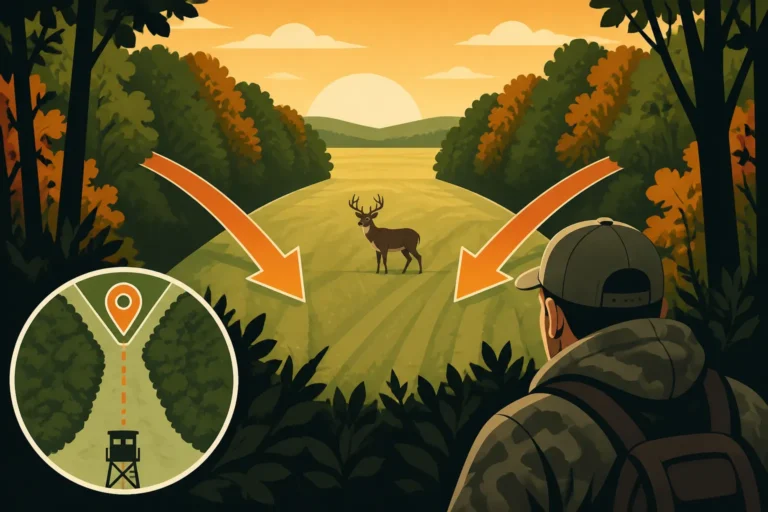
When you're trying to find these spots, think about the edges. Deer will often stage in thick cover nearby before slipping into a food source at dusk. I’ve seen countless deer emerge from the dense creek bottoms of Wayne National Forest or the thick shelterbelts in Northwest Ohio farmland deer zones to hit a standing cornfield. It's less about the "hottest" food and more about the most accessible and safest food available during this recovery period. Knowing what kind of Late-Season Food Sources for Ohio Whitetails are available in your area is key. Pay attention to fields that haven't been harvested yet; they offer an irresistible combination of food and cover.
Cover is King
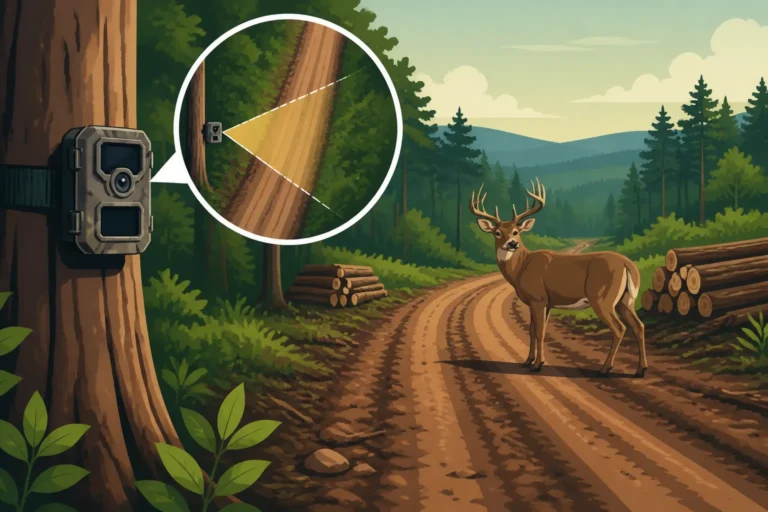
During the late-season lull, deer become much more sensitive to pressure and cold. They are actively seeking thermal cover to conserve energy and reduce stress. This means your focus should shift to identifying and hunting thick, protective areas. Look for stands of evergreens like pines or cedars that block the wind and hold heat. Dense brush thickets, fallen timber, deep ravines, and even thick fencerows can provide crucial thermal cover. In areas like the rugged Appalachian foothills of Southeast Ohio, thick clear-cuts or overgrown logging roads become prime bedding sanctuaries.
Think about how deer will move from these secure bedding areas to their chosen food sources. These travel corridors will be less about wide-open pathways and more about concealed routes, often using topography, natural funnels, or dense brush lines to remain hidden. A deer isn’t going to cross an open field in daylight unless it feels incredibly safe or is under extreme pressure. Consider how you might approach these areas without alerting deer, utilizing the wind and terrain to your advantage. Understanding how to interpret Reading a Ridge for Southeast Ohio Deer can provide insights into where deer will bed and travel on public land.
Subtle Tactics Over Aggression
The days of aggressive rattling and loud grunting are largely over once the rut has cooled down. Bucks are recovering, not looking for a fight or another chase. Your calling strategy should become much more subtle and conservative. Soft doe bleats, quiet fawn bleats, or very infrequent, soft grunts might still pique a deer's curiosity, but anything too loud or demanding will likely send them running.
Patience becomes your most valuable asset during this period. Long, silent sits are often required, especially around primary food sources or dense cover. Deer movement can be sporadic and unpredictable, with many deer not moving until the last few minutes of legal shooting light. This means staying put, staying quiet, and observing every detail. Hunting pressure can also influence deer movement significantly; the more hunters are in the woods, the more nocturnal and reclusive deer become. Instead of crashing through the woods, focus on quiet, deliberate entry and exit routes that minimize disturbance. Your goal is to be a ghost in the woods, not a disruptor. This is when a good Cold-Weather Sitting Strategy in Ohio truly shines, allowing you to endure long hours in the stand.
Scouting and Patience: Your Best Allies
In the late season lull, when deer aren't broadcasting their presence with aggressive behavior, effective scouting and unwavering patience become your most potent weapons. It's about putting in the work to understand what the deer are doing right now, not what they were doing a week ago.
Pre-Season Intel and E-Scouting
Believe it or not, the work you put in months before the season opens can still pay dividends during the late-season lull. Think back to your early scouting trips, your trail camera placements, and any historical data you've gathered. Which areas consistently held deer in the late season? Where were those isolated patches of thick cover or reliable food sources? Tools like the GoHunt app are invaluable here. You can pull up satellite imagery and topographical maps right on your phone or computer, allowing you to meticulously scan for pinch points, thermal cover, and unharvested crop fields from the comfort of your home. You can even use historical weather data to anticipate where deer might seek refuge from harsh winds or extreme cold. I've spent countless hours virtually walking properties with GoHunt, identifying key funnels and bedding areas that might hold a weary buck looking for peace and quiet. This kind of e-scouting, combined with actual boots-on-the-ground recon, is critical for understanding where deer will retreat. For a deeper dive into preparation, consider revisiting your notes on Scouting Ohio Public Land Before Season.
Reading the Landscape for Sign
While fresh scrapes and rubs might be few and far between, deer still leave plenty of clues if you know what to look for. During the lull, you’re less interested in aggressive sign and more focused on practical, survival-oriented activity. Look for fresh tracks around food sources and entry points into thick cover. Pay close attention to subtle browse lines—where deer have been feeding on saplings or woody browse. Sometimes, you’ll find smaller, secondary scrapes or rubs, indicating a buck that’s still feeling a bit frisky, or simply moving through an area.
Snow cover can be a game-changer for reading the landscape. A fresh blanket of snow will reveal exactly where deer are moving, bedding, and feeding. You can easily identify heavily used trails leading from bedding to feeding, and even distinguish the larger tracks of a mature buck from a doe or younger deer. If you find a series of large, fresh tracks heading into a thick bedding area in the morning, you know there's a good chance a buck is holed up in there for the day. Understanding how to interpret Reading Ohio Snow for Fresh Deer Movement can provide invaluable insights into current deer activity. Without snow, look for flattened grass in bedding areas, fresh droppings, and disturbed leaves near promising spots.
The Virtue of Long Sits
This might be the hardest part for many hunters after the excitement of the peak rut, but patience is absolutely paramount during the late-season lull. Deer movement often becomes highly concentrated around the first and last hours of daylight, with very little activity in between. This means you need to be prepared for long, quiet sits in your stand or blind.
Resist the urge to move around too much or check your phone constantly. Every movement, every sound, and every scent you emit could spook a wary deer. Bring plenty of layers to stay warm, pack a good book or some quiet entertainment, and commit to staying on stand for as long as possible. A buck that might only move for 15 minutes a day during daylight hours is easily missed if you're not in your spot, silent and still. This is where the mental game of hunting truly comes into play. You have to believe that the deer are there, and that if you put in the time, eventually, one will slip up.
| Rut Phase | Deer Behavior Focus | Hunter Tactics Shift To | Calling Strategy | Movement Tendencies |
|---|---|---|---|---|
| Peak Rut | Breeding, Chasing Does | Cruising funnels, scrapes, rubs | Aggressive grunts, rattling, bleats | Wide-ranging, often erratic |
| Late-Season Lull | Recovery, Feeding, Security | Food sources, thick cover, bedding | Subtle bleats, minimal grunts | Concentrated, short distances |
Gear and Mindset for Success
Successfully navigating the late-season rut lull in Ohio demands not just a change in tactics, but also a specific approach to your gear and, perhaps most importantly, your mindset. The conditions can be unforgiving, and the hunting itself requires a different kind of resolve.
Staying Warm and Comfortable
Ohio’s late season can throw anything at you: bitter cold, biting winds, sleet, or even wet snow. Staying warm and comfortable is non-negotiable for those long, patient sits. Layering is your best friend. Start with a moisture-wicking base layer, add insulating mid-layers like fleece or wool, and top it off with a windproof and waterproof outer shell. Brands like Sitka Gear or First Lite offer excellent options designed for cold-weather hunting, but even quality off-the-shelf winter gear can work. Don't forget your extremities: a warm hat, neck gaiter, insulated gloves or mittens, and most importantly, insulated boots are critical. Your feet can get incredibly cold sitting still for hours, so investing in quality boots with ample insulation is a game-changer. These are the hunts where Insulated Boots for All-Day Sits can make or break your experience, ensuring you stay put when that weary buck finally appears. Pack extra hand warmers and toe warmers, and consider a small, insulated seat cushion for added comfort.
The Right Optics for the Gloom
During the late-season lull, deer movement is often restricted to the low-light hours of dawn and dusk. This makes quality optics essential. A good pair of 8×42 or 10×42 binoculars with excellent light-gathering capabilities can help you pick out the subtle twitch of an ear or the faint outline of a deer tucked into thick cover in the fading light. A rangefinder is also crucial, especially if you're hunting near a food plot or field edge where shot distances can vary. The ability to quickly and accurately range a deer that appears just before dark can mean the difference between a successful shot and a missed opportunity. While high-end brands like Leica or Zeiss are fantastic, there are many reputable mid-range options from Vortex Optics or Athlon Optics that offer incredible performance for the price.
Legal Firearms and Permits
Make sure you're aware of the specific regulations for the latter part of Ohio's deer season. While the main gun season weekends might be over, the archery season continues, and the Ohio Muzzleloader Season Tactics come into play, which can be a fantastic opportunity during the lull. Always double-check the current year's Ohio Deer Season Structure Explained and specific county regulations with the Ohio Department of Natural Resources (ODNR). Straight-wall cartridge rifles and shotguns with slugs remain popular choices for firearm hunters. Don’t forget your Ohio Deer Management Permits if you plan to harvest additional antlerless deer; these can be particularly effective during the late season when deer are focused on food.
Before heading out, make sure your rifle or shotgun is sighted in properly for the distances you expect to shoot. If you're bowhunting, ensure your broadheads are sharp and your arrows are flying true. Remember, shot opportunities might be fewer and farther between during this period, so when one presents itself, you need to be absolutely ready. Having a well-maintained pack with all your essentials, from your license to a small first-aid kit, is always a good idea, especially when you're taking advantage of the more remote sections of public land or private properties found using tools like GoHunt. For longer treks into public hunting areas like Wayne National Forest, a sturdy pack is essential. Consider the versatility of Packs for a Day on Wayne National Forest to carry all your necessities.
Disclaimer
Please note: Hunting regulations, season dates, and license requirements in Ohio can change. Always consult the most current Ohio Department of Natural Resources (ODNR) hunting regulations guide before planning any hunting activity. This guide is for informational purposes only and does not supersede official state regulations.