Squirrel Hunting Ohio Oak Ridges
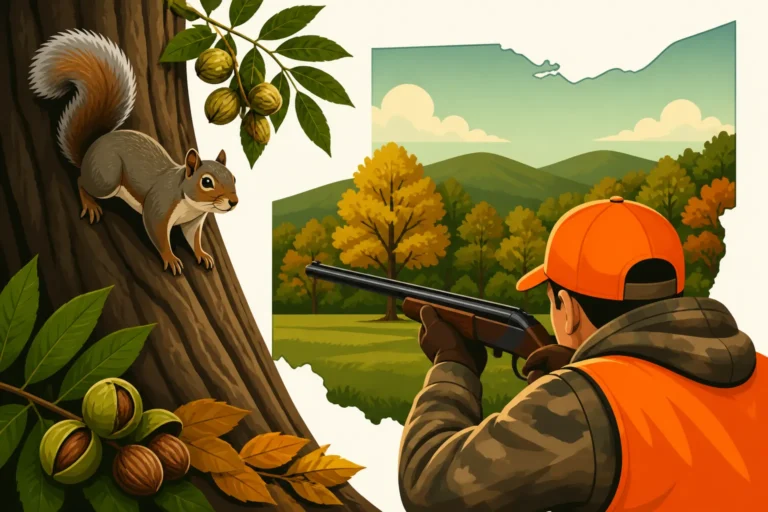
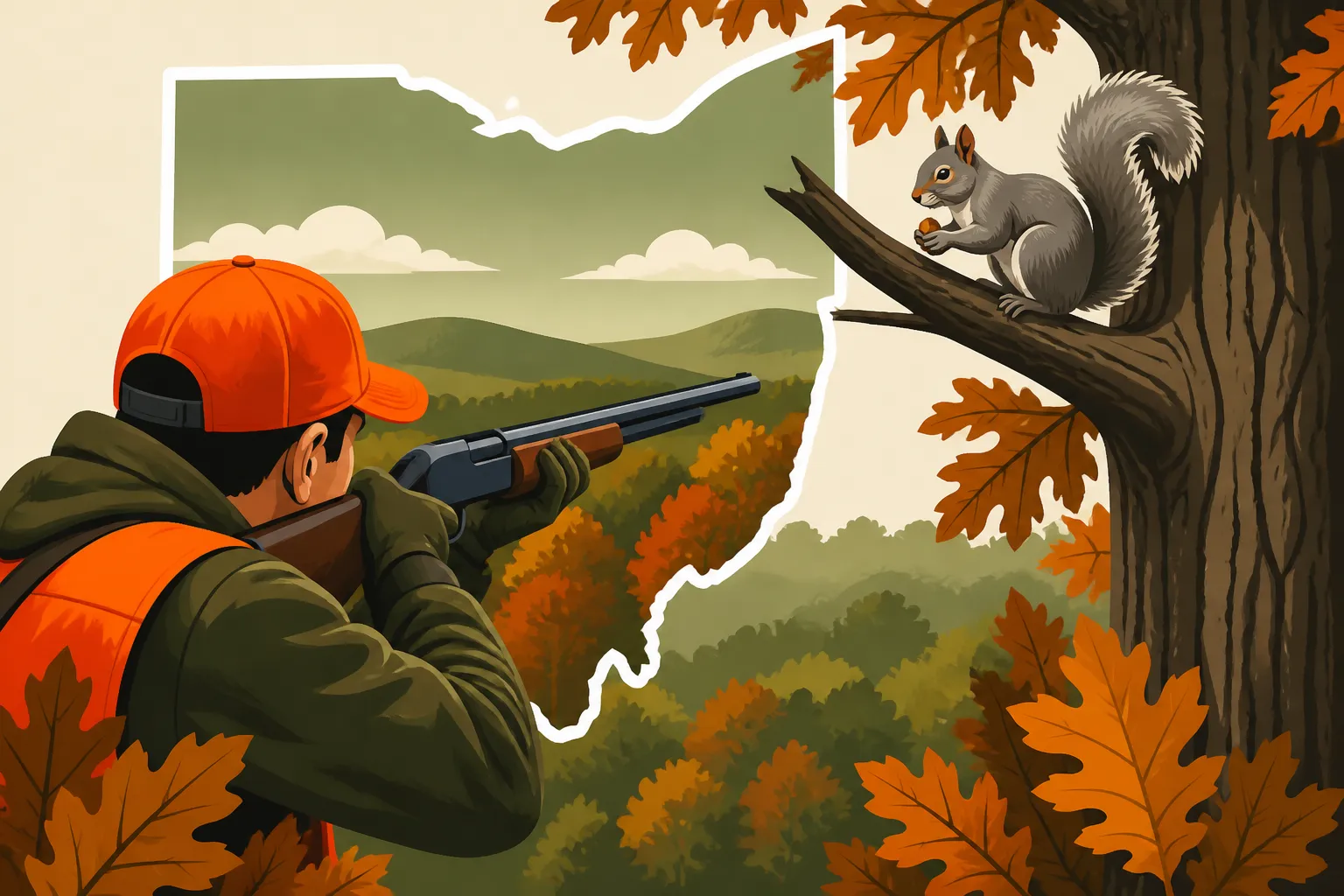
There's nothing quite like the crisp air of an Ohio autumn morning, the rustle of leaves underfoot, and the eager anticipation of spotting a bushy-tailed squirrel scampering through the canopy. But let's be honest, those little acrobats can be incredibly challenging to hunt, especially when you're navigating the dense, often steep, oak ridges that crisscross much of our state. This guide is here to walk you through everything you need to know, from understanding squirrel behavior to mastering the art of the hunt, ensuring you're well-equipped and confident the next time you head out to those productive Ohio hardwoods.
Understanding Ohio's Oak Ridges for Squirrel Hunting
Ohio's landscape, particularly in the eastern and southern portions of the state, is characterized by rolling hills and rugged Appalachian foothills, many of which are dominated by mature oak forests. These oak ridges are an absolute haven for squirrels, providing both food and shelter in abundance. However, they also present unique challenges that require specific hunting strategies. Knowing your terrain and understanding the food sources is the first step to a successful day afield.
Identifying Productive Oak Stands
Not all oak trees are created equal in the eyes of a squirrel hunter, and neither are all oak ridges. Ohio boasts a variety of oak species, each with its own mast production cycle and preferred squirrel visitors. White oaks (like white oak, swamp white oak, and chestnut oak) tend to drop their acorns earlier in the season, usually from late August through October. These acorns are often preferred by squirrels because they have lower tannin content, making them less bitter. Squirrels will hit these hard as soon as they ripen. Red oaks (like red oak, black oak, and pin oak), on the other hand, drop their acorns later, typically from October into late fall, and these acorns can often persist longer on the ground or be cached for winter.
When you're scouting, look for ridges with a strong mix of both white and red oaks. This provides a consistent food source throughout the squirrel season. Pay close attention to trees that show heavy "cuttings" – the tell-tale sign of squirrels gnawing on acorns or nuts. You’ll find piles of these broken acorn caps and shells at the base of productive trees or on logs where squirrels pause to eat. The more fresh cuttings you see, the better your chances are of finding active squirrels. Don't forget other mast producers like hickory and beech, which are often interspersed with oaks and can be equally attractive, especially if the acorn crop is light. For insights into other prime areas, check out tips for Squirrel Hunting Ohio Hickory Groves.
Navigating Appalachian Terrain
The oak ridges of Ohio, particularly in areas like Wayne National Forest or Shawnee State Forest, can be deceptively rugged. Steep ravines, deep hollows, and thick underbrush are common, making silent movement a real challenge. The elevation changes mean you'll be dealing with thermals – air currents that rise as the ground heats up and fall as it cools – which can carry your scent further than you might expect. Always try to hunt with the wind or thermals in your favor, keeping your scent from blowing directly into a squirrel's territory.
Understanding the contours of a ridge is crucial. Squirrels will often travel along benches or natural "shelves" that break up the steep slopes, making these excellent ambush points. They also use the tops of ridges for travel between food sources and den trees, especially during midday. When moving, try to stay on these flatter sections or use the cover of ravines to approach silently. A good GPS unit or a reliable hunting app like GoHunt can be invaluable for navigating these complex terrains, helping you mark promising trees and track your route.
The Importance of Water Sources
While acorns are the main draw, don't overlook the importance of water. Squirrels, like all wildlife, need water to survive, and during drier periods, their activity might be concentrated closer to reliable water sources. Look for small streams, seepages, or even damp areas in the bottom of hollows. These spots can act as natural funnels, concentrating squirrel activity, especially during the warmer parts of the early season or drier late fall periods.
On a hot day, a squirrel might make multiple trips to a watering hole. Setting up near a water source, especially one surrounded by mature oaks, can give you an edge. Just remember that other animals will also be visiting these spots, so maintain your stealth and keep an eye out for other game, like deer, while you're waiting.
Key Squirrel Behavior and Seasonal Tactics
Squirrel behavior shifts throughout the hunting season, largely dictated by food availability and weather. Understanding these changes and adapting your tactics accordingly is fundamental to consistently putting squirrels in the pot.
Early Season Abundance and Patterns
When Ohio Squirrel Season Opening Day rolls around, typically in early September, you'll find squirrels in their most active and abundant phase. The woods are still quite green, and foliage is thick, providing excellent cover for the squirrels but also for you, the hunter. During this time, squirrels are primarily focused on building up fat reserves for winter. They're frantically cutting and caching nuts, especially acorns and hickory nuts, and you'll often see them actively feeding on tree branches or scuttling across the forest floor.
In the early season, look for concentrated activity in areas with abundant, fresh mast crops. Squirrels are less wary at this time, often focused entirely on their foraging tasks. This is when you can really capitalize on their predictable feeding patterns. They'll often be out and about from first light until mid-morning, then again in the late afternoon. Learning How Early Season Squirrels Give Themselves Away can really help you pinpoint their locations amidst the thick foliage.
Mid-Season Mast Focus
As autumn progresses, usually from mid-October through November, the leaves begin to fall, and the main acorn drop is in full swing. This is prime squirrel hunting time in many oak ridges. With less foliage, visibility improves, but squirrels also become more aware of potential predators. Their primary focus remains on gathering and burying nuts for winter.
During this period, concentrate your efforts around individual "hot" trees – those that are actively dropping nuts or show heavy signs of recent squirrel feeding. It might take a bit of walking to find these specific trees, but once you do, you'll likely find consistent activity. Mid-season is also when squirrels might start to be more visible on the ground, scurrying back and forth to bury their treasures. This gives you different shot opportunities compared to early season, when they're mostly in the trees. Keep an eye on weather patterns too; a warm, sunny day after a cold snap can bring squirrels out in droves.
Late Season Scarcity and Strategy Shifts
By late fall and into the early winter months, as the temperatures drop significantly and snow might even dust the ground, squirrel behavior changes drastically. Many of the easily accessible nuts have been eaten or cached, and squirrels are relying more on their hidden stores or den trees. Activity becomes more sporadic, often concentrated during the warmest parts of the day. They're also much warier, having encountered hunters and predators for months.
In the late season, focus on areas with persistent food sources, such as standing corn fields bordering woods (if available, though less common on oak ridges) or large den trees where multiple squirrels might congregate for warmth and safety. Hunting around these established den sites, often visible as holes in mature oak or hickory trees, can be very productive. Look for tracks in the snow or disturbed leaves around the base of trees, indicating recent activity. This is also a great time to implement slow, methodical still-hunting or to consider using a squirrel dog to root them out of their winter hideouts.
Essential Gear and Preparation for Oak Ridges
Having the right gear isn't just about comfort; it's about efficiency and safety. The unique demands of Ohio's oak ridges—the steep terrain, the variable weather, and the quick-moving targets—mean you need equipment that can keep up.
Weapon Choices for Squirrel Hunting
When it comes to squirrel hunting, the most popular choices are .22 caliber rimfire rifles, shotguns, and increasingly, air rifles. Each has its pros and cons, and the best choice often depends on your personal preference and the specific hunting situation.
- .22 Caliber Rimfire Rifle: The classic squirrel rifle. A good .22 is accurate, quiet, and economical to shoot. The challenge lies in making precise headshots, which are often necessary to prevent meat damage. This is especially true on busy oak ridges where squirrels might be high in the canopy. For beginners, it requires practice, but the skill development is rewarding. Rifles like the Ruger 10/22 or a Marlin Model 60 are popular choices. Remember to consider your effective range; while a .22 can shoot further, most squirrel shots in dense woods are within 25-50 yards. You can read more about options with .22 Rifles for Early Season Squirrels.
- Shotgun: Many hunters prefer a shotgun for its versatility, especially in thick cover or when squirrels are moving fast. A 12-gauge or 20-gauge loaded with small shot (like #6 or #7.5) can be highly effective, offering a wider pattern that’s more forgiving than a rifle bullet. However, shotguns can also cause more meat damage, and they are louder, potentially spooking more squirrels in the immediate vicinity. Still, if you're in an area where squirrels are constantly on the move, a shotgun might offer more consistent success. For a broader view, check out Shotguns for Ohio Squirrel and Rabbit.
- Air Rifle: Modern high-power air rifles, particularly in .22 or .25 caliber, are gaining popularity. They offer similar precision to a .22 rimfire but with significantly less noise, making them ideal for areas where you want to avoid disturbing other game or nearby properties. They do require a consistent air supply (either a hand pump or a portable air tank), which adds a bit of bulk to your gear. Brands like Benjamin or Gamo offer excellent options for serious air rifle hunters.
Optics and Vision Aids
Binoculars and rangefinders might seem like overkill for squirrels, but they can significantly enhance your hunting experience, particularly on expansive oak ridges.
- Binoculars: A good pair of 8×42 or 10×42 binoculars can be incredibly useful for scanning distant tree branches, identifying subtle movements, and confirming that what you’re seeing is indeed a squirrel and not just a cluster of leaves. In the often-dim light of a dense forest, quality optics help immensely. You can quietly survey a large area without moving, which is key to successful still-hunting.
- Rangefinders: While not strictly necessary, a compact rangefinder can be helpful if you’re using a rifle, especially if you have a specific zero. Knowing the exact distance to a squirrel perched on a limb can help you make a more accurate shot, especially if you're trying for headshots to preserve meat.
GoHunt also offers excellent digital mapping tools that, while not optics, act as critical vision aids by showing you terrain features, public land boundaries, and potential squirrel hot spots right on your phone, even when you're without cell service. This allows you to visualize the landscape and plan your approach effectively.
Clothing and Comfort for Ridge Hunting
Hunting Ohio's oak ridges means dealing with variable weather and often strenuous activity. Layering is your best friend.
- Layering: Start with a moisture-wicking base layer, add an insulating mid-layer (fleece or wool works great), and top it with a quiet, durable outer shell that offers protection from wind and rain. Temperatures can swing dramatically from early morning to midday, and being able to shed or add layers will keep you comfortable.
- Quiet Fabrics: Leaves, twigs, and thick brush mean you'll be making some noise. Opt for quiet fabrics like fleece, wool, or brushed cotton. Avoid noisy materials like nylon or stiff denim that can give away your position.
- Boots: Invest in comfortable, waterproof hiking boots with good ankle support. The uneven, often steep terrain, covered in slick leaves or mud, demands excellent traction. Nothing ruins a hunt faster than wet, sore feet.
- Backpack: A small daypack is essential for carrying water, snacks, extra layers, a first-aid kit, and of course, your harvested squirrels. Choose one that's comfortable for extended wear and doesn't snag easily on brush.
Don't forget the importance of hunter orange if you're out during any overlapping deer seasons, even for squirrel. Always check the current Ohio Squirrel and Rabbit Season Rules to confirm all regulations, including blaze orange requirements.
Hunting Strategies for Ohio Oak Ridge Squirrels
With your gear squared away and a basic understanding of squirrel behavior, it's time to talk tactics. Hunting squirrels on Ohio's oak ridges requires a blend of stealth, patience, and adaptability.
Still-Hunting the Ridge Lines
Still-hunting is perhaps the most effective method for squirrels in dense oak ridge environments, especially when hunting without a dog. It involves moving very slowly and deliberately, pausing frequently to observe, listen, and scan the trees. Think of it as a moving ambush.
Start by entering the woods quietly, well before sunrise if possible, to be in position when squirrels begin their morning activity. Identify a promising ridge line with good mast trees. Then, take five to ten slow steps, pause for several minutes, and use your binoculars to scrutinize every branch, knot, and shadow. Look for movement, listen for the tell-tale "bark" of a squirrel, or the rustle of leaves as they forage. When you spot a squirrel, evaluate the shot carefully. If it's on the opposite side of a tree, try to slowly circle the tree, using its trunk as cover, until you get a clear shot. Remember that the woods are rarely truly quiet; blend into the ambient sounds, and don't rush. This method also works well for Still-Hunting Shawnee State Forest Ridges, where the terrain is equally challenging.
Stand Hunting Near Prime Food Sources
Sometimes, the best strategy is to let the squirrels come to you. If you've identified a handful of highly productive oak trees that are actively dropping nuts and showing fresh cuttings, setting up a stand or simply finding a comfortable spot to sit quietly can be incredibly effective. This is particularly useful during the mid-season when acorns are raining down.
Choose a position that offers good visibility of the target trees but also provides cover for yourself. A downed log, a thick cluster of evergreens, or the base of a large tree can work well. Settle in, get comfortable, and remain absolutely motionless and silent. Your patience will likely be rewarded as squirrels, unaware of your presence, go about their business. Pay attention to the ground, too, as many squirrels will spend time foraging for fallen nuts. This method requires patience, but it minimizes your disturbance in the woods and allows you to observe natural squirrel behavior, often leading to multiple opportunities from a single spot. Just make sure to check Scouting Ohio Public Land Before Season if you're on state land to ensure your chosen spot aligns with regulations.
Hunting with Dogs in Thick Cover
For many, squirrel hunting isn't complete without a good squirrel dog. Breeds like feists, curs, or even some terriers are bred for their ability to find, bark at, and "tree" squirrels. This method is especially fun and effective in thick oak ridges where visual detection can be nearly impossible, or during the late season when squirrels are more prone to holing up in dens.
A well-trained squirrel dog will range through the woods, sniffing out squirrel scent and looking for fresh sign. Once it locates a squirrel, it will bark excitedly, often looking up into the tree where the squirrel has taken refuge. Your job then is to quickly locate the dog, identify the tree, and find the squirrel. This can be a frantic and exciting process, often requiring quick decisions and careful shooting to avoid hitting your dog. Always ensure your dog is well-trained, obedient, and wearing a visible collar, perhaps with a GPS tracker, especially when hunting on Public Hunting Land in Ohio where they might encounter other hunters or wildlife.
Post-Hunt Processing and Safety
The hunt doesn't end when you pull the trigger. Proper game care and adherence to safety guidelines are crucial for a successful and responsible outing on Ohio's oak ridges.
Field Dressing and Meat Care
Once you've harvested a squirrel, prompt field dressing is key, especially on warmer early-season days, to ensure the meat stays fresh and flavorful. Many hunters simply remove the guts in the field to allow the carcass to cool quickly.
To field dress a squirrel:
- Bleed it out: If not already done, ensure the animal is humanely dispatched and allow it to bleed out.
- Make an incision: Carefully make a small incision through the skin of the belly, from the breastbone down to the pelvis. Be shallow to avoid puncturing the intestines.
- Open the cavity: Gently pull apart the skin and muscle layers to expose the internal organs.
- Remove organs: Reach inside and pull out the organs, usually starting with the stomach and intestines. Check for parasites (rare in squirrels but good practice).
- Cooling: Once the cavity is clean, let the squirrel cool as quickly as possible. If it's a warm day, a game bag or a small cooler with ice can help. Back at home, you'll skin and butcher the squirrel further. There are many great tutorials online for skinning a squirrel quickly and efficiently. Properly cleaned and chilled, squirrel meat is delicious, often tasting like a lean, mild chicken.
Navigating Public Land and Regulations
Ohio offers a fantastic amount of public hunting land, from state forests to wildlife areas, perfect for squirrel hunting. However, it's vital to know and adhere to the regulations for the specific property you are hunting.
- Licenses and Permits: Always carry your valid Ohio hunting license and any necessary permits. Know the Ohio Hunter Education Requirements if you're new to hunting or bringing a youth hunter.
- Season Dates and Bag Limits: Be intimately familiar with the Ohio Squirrel and Rabbit Season Rules for your zone and ensure you're within the legal daily bag limit.
- Boundary Awareness: Use a reliable mapping app like GoHunt or a physical map to know exactly where public land ends and private land begins. Trespassing, even accidentally, is a serious offense.
- Check-in Stations: While not always required for small game, some public lands might have specific check-in or check-out procedures. Always check the local rules.
It’s worth noting that while squirrels are plentiful, understanding the broader context of Ohio's Squirrel and Rabbit Populations helps us appreciate our hunting opportunities and practice responsible conservation.
Staying Safe in the Woods
Safety should always be your top priority.
- Firearm Safety: Always treat every firearm as if it's loaded. Be aware of your muzzle direction, keep your finger off the trigger until ready to shoot, and be absolutely sure of your target and what is beyond it. This is especially important when shooting into trees where a bullet could travel a long distance.
- Tree Stand Safety: If you're using a treestand for elevated visibility, always use a safety harness, and maintain three points of contact when ascending or descending.
- Weather Preparedness: Ohio weather can be unpredictable. Check the forecast before you go, and be prepared for sudden changes. Carry extra layers, rain gear, and plenty of water.
- Communication: Let someone know where you're going and when you expect to return, especially if you're hunting alone in remote areas of the oak ridges. A fully charged cell phone (with a portable charger) is a good idea, though service can be spotty in deep hollows.
- First Aid: Carry a basic first-aid kit for minor cuts, scrapes, or blisters.
By taking these precautions, you can ensure your squirrel hunting adventures on Ohio's beautiful oak ridges are not only successful but also safe and enjoyable.
| Season Phase | Typical Dates (Approx.) | Squirrel Behavior Focus | Best Tactics | Key Gear Considerations |
|---|---|---|---|---|
| Early Season | Sep – Mid-Oct | Foraging, caching, active | Still-hunt, walk & pause | Shotgun (dense cover), .22 rifle |
| Mid-Season | Mid-Oct – Nov | Heavy mast drop, caching | Stand hunt, still-hunt | .22 rifle (better visibility), binoculars |
| Late Season | Dec – Jan | Denning, sparse feeding | Dog hunt, still-hunt (slow) | Warm clothing, dog gear, patience |
Disclaimer
The information provided in this guide is for general informational purposes only and does not constitute legal advice. Hunting regulations, seasons, and licensing requirements are subject to change. Always consult the official Ohio Department of Natural Resources (ODNR) hunting regulations and local laws before planning any hunting activity. Safety should always be the priority, and hunters are responsible for understanding and adhering to all applicable rules and practicing ethical hunting methods.