Filling an Antlerless Permit Late in Ohio
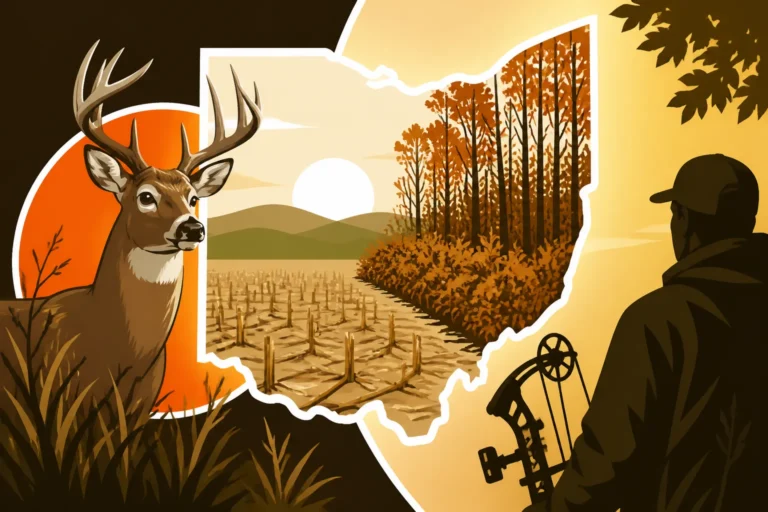
It's that time of year again, isn't it? The leaves are long gone, the air bites with a real chill, and maybe you're looking at an unfilled antlerless tag in your pocket, wondering how you're going to punch it before the season closes. The late season in Ohio can be a real challenge – deer are pressured, wary, and often concentrated in specific areas. This guide is all about giving you the strategies, insights, and practical tips you need to confidently fill that antlerless permit even when the odds feel stacked against you.
Understanding Late-Season Antlerless Opportunities in Ohio
Late-season deer hunting in Ohio, particularly for antlerless deer, presents a unique set of circumstances. The landscape has transformed, food sources have dwindled, and deer behavior shifts dramatically. This isn't the chaotic rut of November; it's a game of precision, patience, and adapting to the deer's primary survival instincts.
The Role of Ohio Deer Management Permits
Ohio's deer management permits, often referred to as "antlerless permits," are designed to help control deer populations and offer additional opportunities for hunters. These permits are crucial for late-season success, especially when you've already filled your buck tag or are simply looking to add venison to the freezer. Understanding the rules surrounding Ohio Deer Management Permits is paramount; they often allow for the harvest of multiple does in certain zones, extending your hunting window well into January during the muzzleloader and late archery seasons. This flexibility is what makes filling an antlerless permit late in the season a viable goal, not just a pipe dream.
You might find yourself with one or two of these permits remaining, and the clock is ticking. For many hunters, this means shifting focus entirely from trophy antlers to simply putting meat on the table. The objective changes the dynamic of your hunt, often leading to different scouting and hunting strategies that prioritize locating groups of does rather than solitary mature bucks. This also often means focusing on areas with higher deer densities where population management is a priority.
Key Seasonal Overlaps for Antlerless Hunting
The beauty of Ohio's deer season structure is the overlap of multiple weapons opportunities that extend well past the initial gun season. The late archery season, for instance, often runs into February, offering a significant window. Additionally, the Ohio Muzzleloader Season Dates in January provide a dedicated period where hunters can pursue antlerless deer with traditional or modern inline muzzleloaders. These periods are critical for hunters still holding an antlerless tag.
During these late-season overlaps, deer are typically in their winter patterns, which means they are highly predictable if you can locate their preferred feeding and bedding areas. The late archery season, specifically, offers a quieter hunting experience compared to the gun seasons, which can be an advantage when dealing with pressured deer. Hunters also have the option of pursuing deer during the youth gun weekend dates if they are mentoring a younger hunter, which can also include antlerless opportunities. Knowing when these seasons open and close, and understanding any specific county regulations, is your first step toward success.
Key Tactics for Locating and Targeting Late-Season Does
By the late season, deer have seen it all. They've dodged arrows, bullets, and countless human encounters. Locating and targeting these wary does requires a shift in strategy, focusing on their primary needs: food, cover, and minimal disturbance.
Identifying Late-Season Food Sources
With most agricultural fields harvested and natural browse depleted, identifying reliable Late-Season Food Sources for Ohio Whitetails is your number one priority. This is where deer will concentrate, making these areas prime hunting spots. Think about what's left standing or what offers consistent nutrition.
One of the most attractive food sources in late-season Ohio is often a standing soybean field. If farmers haven't harvested them, these fields provide a high-energy meal for deer, crucial for winter survival. Deer will often brave open areas to access these fields, especially during low light conditions. When hunting these spots, understanding how to read the deer trails entering and exiting can be the key to intercepting does. Additionally, any remaining corn fields, especially those that have been "gleaned" but still have dropped ears, can be magnets. Beyond agriculture, look for natural browse that's still palatable, such as honeysuckle thickets, green briar, or even certain evergreen saplings. The deer are simply trying to get enough calories to survive, and they will travel to where that food is most readily available.
Exploiting Thick Cover and Thermal Hubs
Late-season does are not only driven by food but also by a profound need for thermal cover to escape the biting Ohio winds and cold temperatures. They will seek out the densest, nastiest cover available, often on south-facing slopes that catch the most sunlight. This could be thickets of multi-flora rose, dense stands of young pines, or even steep, brushy ravines that offer a break from the wind. These spots serve as both bedding areas and sanctuaries from hunting pressure.
When scouting, look for these natural thermal hubs. A tool like GoHunt can be invaluable here, allowing you to overlay topographical maps with aerial imagery to pinpoint dense cover adjacent to known food sources. Does will often bed down just inside these thickets, moving out to feed in the evenings or during mid-day lulls if pressure is low. Setting up on the downwind side of these bedding areas, anticipating their travel routes to food, can be incredibly effective. Remember, deer want to conserve energy, so their travel corridors between bedding and feeding will be the most efficient paths possible.
Using Deer Drives on Public and Private Land
Sometimes, traditional stand hunting in the late season just isn't cutting it. Deer are hunkered down, and they're not moving much on their own during daylight hours. This is where a well-executed deer drive can be a game-changer for filling those antlerless permits, especially on public lands where deer can easily find refuge. Deer Drives With Three or Four Hunters can be particularly effective during late season when deer are concentrated in specific cover.
For a successful drive, communication and careful planning are key. Identify a section of thick cover or a woodlot where you know does are bedding. Assign "blockers" or "standers" to positions that cover natural escape routes, often funnels or pinch points. The "drivers" then slowly and methodically push through the cover, aiming to move the deer towards the standers. The late season's lack of foliage actually makes it easier for standers to see approaching deer, but also means deer can spot you more easily. This tactic is often best reserved for the coldest days when deer are most reluctant to move, and they might break cover quickly, offering a fleeting shot opportunity. Always prioritize safety, knowing where all hunters are at all times, and wear ample blaze orange.
Gear and Preparation for Cold-Weather Doe Hunting
Hunting late in the Ohio season often means battling significant cold, wind, and even snow. Your gear choices and preparation aren't just about comfort; they're about staying safe, quiet, and effective in challenging conditions.
Essential Cold-Weather Apparel and Layering
The biggest hurdle for late-season hunters is staying warm and comfortable enough to remain on stand for extended periods. This is where a strategic approach to layering comes into play. Forget bulky, single-piece suits that restrict movement and trap sweat. Instead, focus on a system that allows you to add or subtract layers as activity levels and temperatures change.
Start with a moisture-wicking base layer – merino wool or high-quality synthetics are excellent choices as they keep sweat off your skin. Over this, add an insulating mid-layer, such as a fleece or puff jacket, to trap body heat. Your outer layer needs to be windproof, waterproof, and insulated, providing maximum protection from the elements. Look for options with quiet fabrics to avoid spooking wary deer. Don't forget extremities: an insulated beanie or balaclava, thick gloves or mittens with finger access, and quality insulated boots are non-negotiable for keeping Cold-Weather Sitting Strategy in Ohio effective. Brands like Sitka Gear or First Lite offer excellent layering systems designed for extreme cold, using advanced materials that are both warm and quiet. Having hand warmers and toe warmers can also make a huge difference, extending your sit by hours.
Optimizing Your Weapon for January Conditions
Whether you're carrying a bow, a straight-wall rifle, or a muzzleloader, the late season demands specific considerations for your weapon. Cold hands and stiff muscles can impact your shot, and wet conditions can wreak havoc on optics and internal mechanisms.
For archers, ensure your bow is tuned for cold weather. Your peep sight might freeze, or your release might become stiff. Practice with gloved hands to simulate real hunting conditions. Crossbow hunters should also be mindful of string maintenance and scope clarity. Those using straight-wall rifles, like a .350 Legend or .450 Bushmaster, should zero their rifles for typical late-season shot distances, which might be shorter in dense cover. For muzzleloader hunters, keeping your powder dry in wet snow is an absolute must. Consider using sealed primer systems and protecting the muzzle with electrical tape or a balloon. Optics can fog up rapidly; use anti-fog treatments and lens covers to ensure clear sight pictures. A good sling is also essential, especially when walking long distances to get into secluded spots.
Navigating Public and Private Land for Late-Season Success
Late-season deer, particularly antlerless deer, are incredibly sensitive to pressure. Where you hunt and how you access it can make or break your chances of filling that tag. Both public and private lands offer opportunities, but they require different approaches.
Finding Unpressured Pockets on Public Land
Ohio boasts a significant amount of public hunting land, from expansive units of Wayne National Forest to smaller state wildlife areas. The challenge is that by late season, many of these areas have been heavily hunted. However, that doesn't mean success is impossible. The key is to find unpressured pockets that other hunters overlook or are unwilling to access. This often means walking further, getting deeper into the woods, or focusing on terrain that deters casual hunters.
Utilize digital mapping tools like GoHunt, onX Hunt, or the Ohio HuntFish app to scout from home. Look for areas with difficult access points, steep ravines, thick creek bottoms, or dense cedar swamps. These areas often serve as natural sanctuaries where deer feel safe. Pay attention to how Hunting Pressure on Ohio Public Land might funnel deer into these overlooked areas. Focus on reading aerial photos for southeast Ohio deer and identifying transition zones between bedding and feeding. Sometimes, even small public parcels adjacent to private land can hold deer that are seeking refuge from farming operations or other human activity. Be prepared for a physically demanding hunt, and always ensure you understand the specific rules for public land, such as treestand regulations or camping allowances.
Strategies for Gaining Private Land Access
If public land feels too crowded or picked over, securing private land permission can dramatically increase your late-season success for antlerless deer. Farmers and landowners are often more amenable to granting permission later in the season, especially if deer are impacting their crops or creating a nuisance.
The most effective strategy for gaining access is direct, polite communication. Knock on doors, introduce yourself, explain your intent to harvest an antlerless deer to help with population control, and offer to share some of the venison. Emphasize that you'll be respectful of their property, mindful of livestock, and practice safe hunting. Sometimes, offering to help with chores or provide other assistance can go a long way in building rapport. Many landowners, especially those with standing crops or winter wheat, welcome responsible hunters to reduce the deer browsing pressure. Focus on hunting small private tracts in Ohio near denser cover or agriculture. Be sure to clarify any specific rules the landowner might have, such as where you can park, what times you can hunt, and which areas are off-limits. A written permission slip, while not always legally required, can provide peace of mind for both you and the landowner.
Post-Harvest Strategies and Meat Care
Successfully harvesting an antlerless deer late in the season is a great feeling, but the work isn't over. Proper post-harvest care is crucial, especially in cold weather, to ensure the venison is high-quality and safe for consumption.
Field Dressing and Retrieval in Cold Weather
Cold weather actually works in your favor when it comes to preserving venison, but proper field dressing and retrieval are still critical. Once you've made a successful shot, give the deer ample time before approaching, especially if you suspect a marginal hit. Late-season deer are tough, and tracking can be more difficult in sparse cover or snow. Always bring a reliable headlamp for walking out after dark.
Once you've located your deer, immediate field dressing is important to allow the carcass to cool quickly. In cold temperatures, the internal organs will retain heat, and delaying can impact meat quality. If you're working in extreme cold, be mindful of exposed skin. Pack a good field dressing knife and optionally a bone saw if you prefer to split the pelvis. For retrieval, consider how far you are from your vehicle. A deer sled for hill country snow or a deer cart on forest roads can save your back and make the process much easier. If you're in truly rugged Appalachian terrain, you might consider boning out the deer in the field to make the pack-out manageable, though this requires specialized knowledge and gear.
Transporting and Processing Your Harvest
Once field dressed and retrieved, the next step is transporting your deer home and beginning the processing. Ohio has specific rules regarding Registering a Deer Through Ohio's Check-In System, which must be completed by a certain deadline. This is a critical step for all harvested deer, antlerless included.
When transporting, ensure the carcass is secure and clean. If it's very cold, you might not need to rush to a processor, as the natural refrigeration will help age the meat. However, if temperatures rise unexpectedly, or if you're not planning to process it yourself immediately, get it to a cooler or processor quickly. For DIY processors, be sure to have all your equipment ready: clean knives, a good cutting surface, and plenty of freezer bags or vacuum sealer supplies. Take your time, work in a clean environment, and always keep the meat cold. Properly processed venison from a late-season Ohio doe is some of the finest wild game you'll put on your table, a testament to your hard work and perseverance.
| Late-Season Antlerless Strategy | Best Conditions | Gear Consideration | Key Advantage |
|---|---|---|---|
| Stand Hunting Food Sources | Cold, calm days | Warm layers, optics | Predictable deer movement |
| Hunting Thermal Cover | Windy, frigid days | Quiet outer layers | Deer seeking refuge |
| Deer Drives | Heavy snow/cold | Group coordination, blaze orange | Moves reluctant deer |
| Still-Hunting Thickets | Light snow, quiet wind | Soft-soled boots, patience | Intercepts bedded deer |
Disclaimer
The information provided in this article is for general guidance only and does not constitute legal advice. Hunting regulations, seasons, and licensing requirements can change, and it is the responsibility of each hunter to verify current rules and regulations with the Ohio Department of Natural Resources (ODNR) before engaging in any hunting activities. Always prioritize safety and ethical hunting practices.