Deer Drives on Ohio Public Land
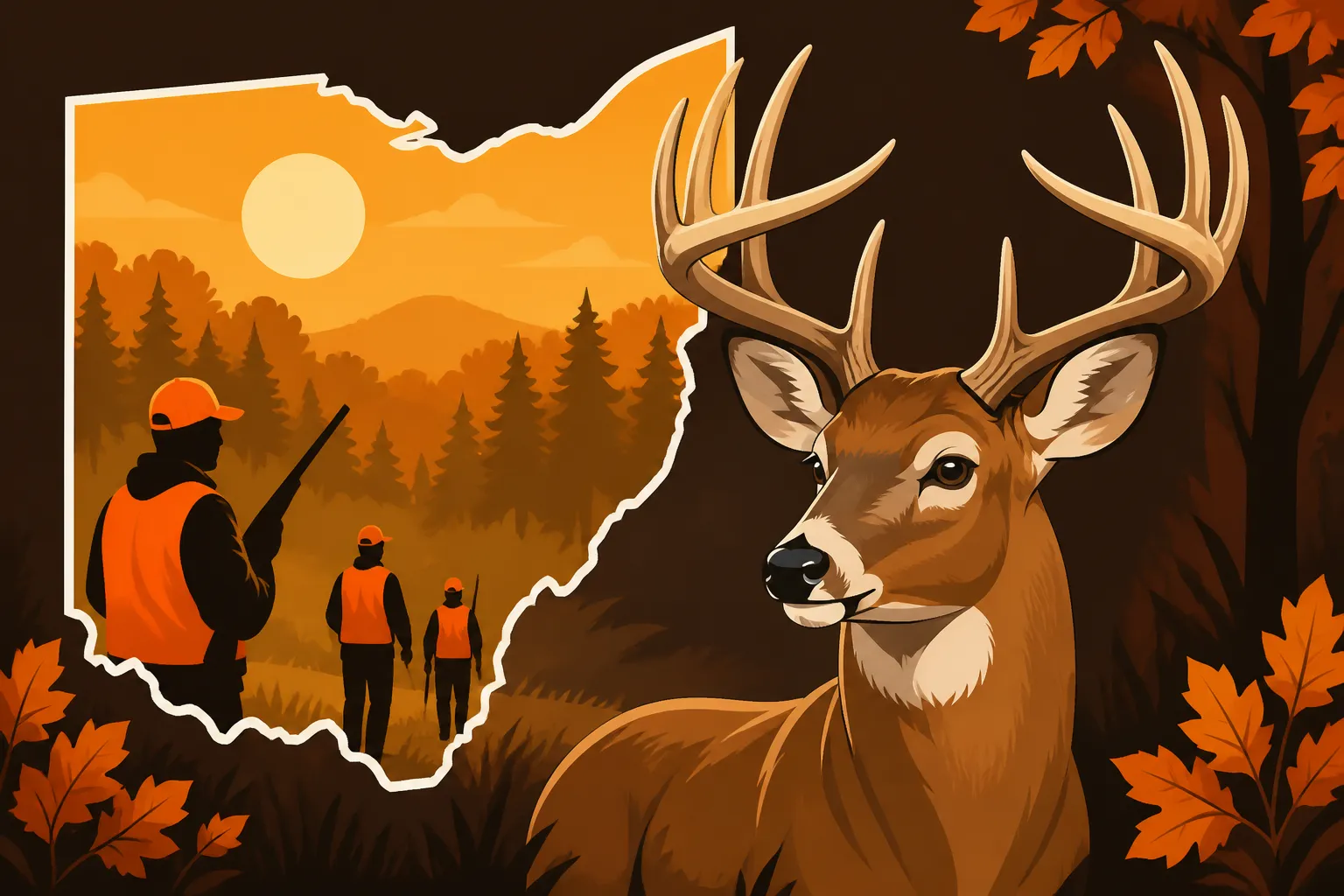
Hunting public land in Ohio can be incredibly rewarding, but let's be honest, those wily whitetails often know the drill, especially when hunting pressure builds. Trying to catch them off guard, particularly after they've been bumped multiple times, often requires thinking outside the box. This guide will walk you through the ins and outs of organizing and executing effective deer drives on Ohio's public lands, helping you understand how to push deer to waiting hunters safely and successfully.
Understanding Deer Drives on Public Land
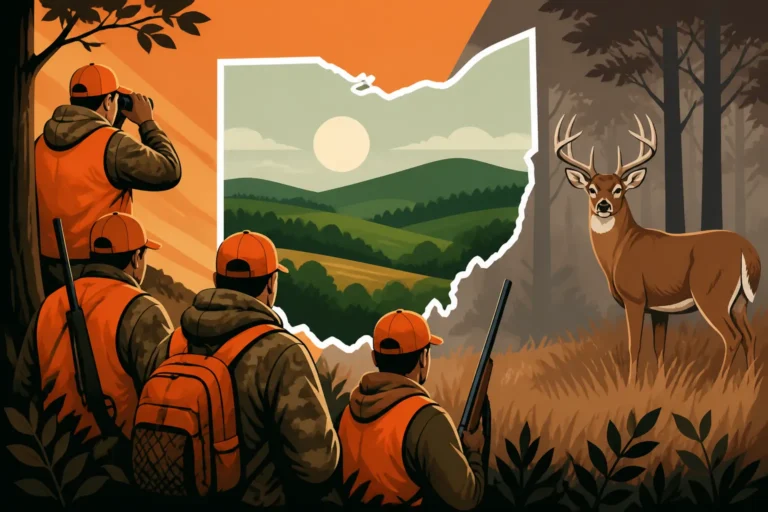
Deer drives have a long, storied tradition in hunting, often conjuring images of large groups working vast private tracts. However, they can be incredibly effective on Ohio's public lands too, especially when deer are pressured and holding tight in thick cover. The basic premise is simple: a group of hunters (drivers) moves through a piece of cover, pushing deer towards another group of hunters (standers) positioned to intercept the deer as they try to escape. It's a method that leverages teamwork to outsmart deer that have become accustomed to single hunters moving through their territory.
Why Drives Work on Pressured Public Land Deer
On public lands, especially those near urban areas or those that see a lot of hunter traffic, deer quickly learn to pattern solo hunters. They'll bed down tight, slip away unseen, or use dense cover to their advantage. A well-executed deer drive introduces a level of coordinated movement and pressure that can dislodge these deer. They're forced to make a decision, often pushing them into areas they might not typically choose, or past waiting standers. It's about changing the game on deer that are already playing chess with human predators.
Public land often has natural funnels, pinch points, and escape routes that deer use instinctively. By understanding these terrain features, a drive can be designed to exploit them. Imagine a thick briar patch bordered by a creek on one side and a steep bluff on the other; a drive pushing deer out of that briar will naturally funnel them towards the ends of that cover. It’s also a fantastic way to engage multiple hunters in a collaborative effort, making the hunt more social and often more productive than simply still-hunting the same worn-out trails.
Different Styles of Deer Drives
Not all deer drives are created equal, and understanding the nuances of different approaches can dramatically impact your success. The style you choose often depends on the size of your hunting party, the terrain, the amount of cover, and the desired outcome. Adapting your strategy to the specific public land you're hunting is key to outsmarting Ohio whitetails.
One common style is the "push drive," which involves drivers walking relatively quickly through cover, trying to spook deer and push them out. This works well for smaller woodlots or dense patches of cover. The goal isn't necessarily to get a clean shot for the drivers, but to get deer moving towards the standers. For larger areas or less dense cover, a slower, more methodical "still-hunt drive" can be more effective. Here, drivers move very slowly, almost still-hunting themselves, trying to jump deer and even take shots as opportunities arise, while still pushing deer towards the standers. This method often results in fewer deer blown out of the area at full speed, giving standers better shot opportunities.
Another effective tactic, especially on smaller parcels or when you have fewer hunters, is what some call a "mini-drive" or "Deer Drives With Three or Four Hunters." This involves just a couple of drivers systematically working a small, dense cover patch while one or two standers cover the most likely exit routes. This is particularly useful in Ohio's fragmented public lands, where you might find small, isolated woodlots or thick fencerows that deer use as bedding areas. It requires meticulous planning and precise execution to avoid blowing deer out of the area too quickly or in an unexpected direction.
Scouting and Planning Your Ohio Public Land Drive
The success of any deer drive, especially on Ohio's public lands, hinges far more on meticulous scouting and thoughtful planning than on sheer numbers of hunters. Without a solid understanding of the terrain, deer movement patterns, and potential escape routes, you're essentially just taking a walk in the woods and hoping for the best – which rarely works with savvy public land deer.
Reading Terrain and Identifying Escape Routes
Before you even think about setting up a drive, you need to become an expert on the piece of public land you intend to hunt. This means hitting the woods well before the season, or at least a day or two before your planned drive. Look for natural funnels, creek bottoms, ridges, saddles, and dense bedding areas. Deer, especially when pressured, will almost always take the path of least resistance or the most secure cover to escape. An excellent tool for this is a mapping application like GoHunt, which allows you to pore over aerial photos and topo maps from the comfort of your home, identifying potential escape routes and stander locations. You can also explore options for "Reading Aerial Photos for Southeast Ohio Deer" to get a leg up.
Once you’ve identified these key features, walk them. Check for fresh tracks, rub lines, and deer trails. Note where the thickest cover is – that's often where the deer will be bedded. Identify all possible escape routes: thick draws, parallel ridges, logging roads, or even open fields they might skirt. The goal is to anticipate where deer want to go when pushed. These routes are where your standers need to be positioned. Remember, on public land, deer might also try to double back through the drivers or sneak out the sides, so consider how to cover these possibilities.
Team Coordination and Communication
A deer drive is a team sport, and clear communication is the absolute bedrock of a safe and successful operation. Before you even set foot in the woods on hunt day, everyone needs to know their role, their boundaries, and the plan. Assigning clear roles (drivers, standers) and explaining the overall objective for each drive is crucial. Discussing the layout of the land, estimated drive time, and expected deer movement is paramount.
Establish clear communication signals. This could be two-way radios, cell phones (if you have service), or even simple whistle blasts for specific actions (e.g., "deer spotted," "driver stopped," "end of drive"). Everyone needs to understand these signals and use them consistently. On public land, it's also critical to discuss what happens if another hunting party is encountered – politeness and clear communication are key to avoid conflicts and ensure everyone's safety. For effective planning, consider reviewing tips on "Scouting Ohio Public Land Before Season" to ensure you have all your bases covered before the hunt.
Posting Standers and Mapping Drive Routes
This is where the rubber meets the road. Based on your scouting, position your standers first. They should be in locations that offer good visibility, a safe shooting lane, and cover the most likely escape routes. Think about what a deer will do when pushed – they rarely run straight at pressure; they try to flank it. Standers should be downwind of these escape routes if possible, or at least crosswind. Natural funnels are goldmines for standers. You might want to consider "Posting a Drive Around a Woodlot" to efficiently cover a specific area.
Next, map out the precise route for the drivers. Determine their starting point, their direction of travel, and any specific areas they should focus on pushing. Consider the wind direction for both drivers and standers; ideally, standers should be downwind of where the deer are expected to escape, and drivers should try to push crosswind or slightly upwind. Use mapping apps like GoHunt or the Ohio HuntFish app to mark stander positions and driver routes, and share these with everyone in the party. This helps ensure everyone is on the same page and avoids confusion in the field. Remember to also account for factors like "Hunting Pressure on Ohio Public Land" when selecting your drive locations, as deer might behave differently in areas with high human activity.
Executing the Drive: Roles and Strategies
With your plan in place, it's time to put it into action. Successful execution of a deer drive relies heavily on each member understanding and fulfilling their specific role, while also adapting to the dynamic nature of deer movement. It's not just about walking through the woods; it's a coordinated effort to channel deer.
Positioning the Standers for Success
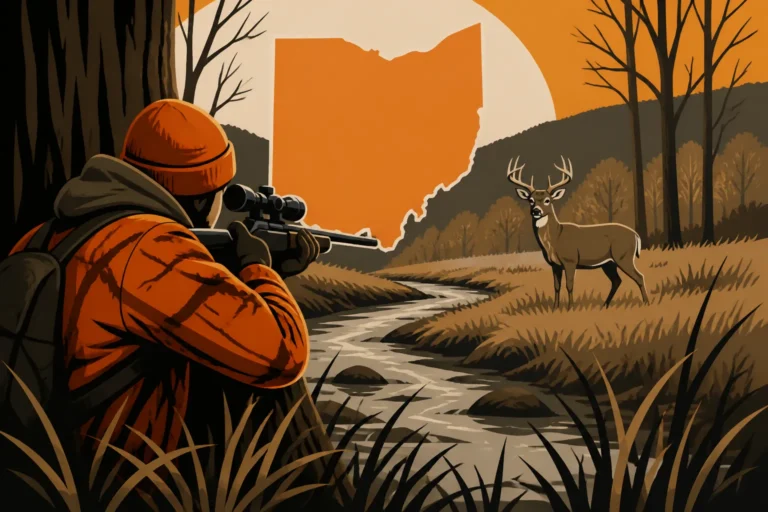
The standers are the interceptors in your deer drive, and their placement is paramount. Ideally, standers should be in position well before the drivers begin their push, allowing the woods to settle down and giving them time to get comfortable and alert. They should position themselves downwind or crosswind from expected deer movement, tucked into cover that breaks up their outline, but still allows for a clear, safe shooting lane. Think about natural funnels, saddles between ridges, creek crossings, or the edges of dense cover patches.
Standers should remain absolutely still and silent, scanning their assigned zone carefully. They need to be prepared for deer to appear suddenly and often from unexpected directions. A common mistake is for standers to assume deer will come from directly in front of them. Pressured public land deer might try to sneak around the sides or even double back. Standers should also have a clear understanding of the safe shooting lanes, ensuring they know where other hunters are located and never shooting towards the driving line or other standers. Using a ground blind can also be an option for some standers, particularly when "Using a Ground Blind on Ohio Public Land" can offer better concealment in open areas.
Tactics for Effective Drivers
Drivers are the engine of the drive, responsible for getting deer moving. Their tactics can vary depending on the cover and the deer's behavior. Generally, drivers should walk at a consistent pace, maintaining a line and communicating their position to each other. The goal isn't necessarily to run deer out, but to create enough consistent pressure to make them leave their beds and move toward the standers. For some drives, a steady, moderate pace is best, while for others, a slower, more deliberate still-hunt approach is more effective, especially in dense thickets where deer might hold tight.
Noise level can also be adjusted. Sometimes, a casual conversation or occasional grunt can be enough to get deer moving. Other times, especially in extremely thick cover, more noise, such as breaking twigs or clanking sticks, might be necessary. Drivers should always be ready for a shot opportunity, as deer might jump and present a quick chance. They also need to pay close attention to the terrain and communicate if they encounter thick patches of cover where deer might try to slip through the line or double back. Maintaining the integrity of the line is critical to prevent deer from breaking through the sides of the drive.
Safety First: Essential Considerations for Public Land Drives
When you're coordinating multiple hunters across public land, safety isn't just a suggestion; it's an absolute requirement. Public lands see varying levels of hunter traffic, and you never know who else might be out there. Adhering to strict safety protocols protects your hunting party and others.
Wearing Blaze Orange and Clear Identification
Ohio law mandates that all deer hunters during the gun seasons, and those hunting during the youth gun season, wear an outer garment of "Ohio Blaze Orange Requirements" or blaze pink. This isn't just a rule; it's a lifesaver. On a deer drive, especially with drivers moving through cover and standers waiting, high visibility is paramount. Every member of your hunting party, regardless of their role or the specific season, should wear blaze orange or pink. The more visible, the better.
Beyond legal requirements, bright colors help prevent accidents by making hunters easily identifiable to one another. Ensure jackets, vests, or hats are clearly visible from all angles. Before the drive, confirm that every hunter understands the importance of this, especially if they are new to driving deer or hunting on public land. This visual identification also helps in quickly locating other hunters in dense cover, making communication and coordination safer and more efficient.
Establishing Safe Shooting Lanes and Zones
Before the drive starts, clearly define the shooting lanes and zones for each stander. This means identifying not just where deer might appear, but also what lies beyond that target. Never shoot at deer running towards or parallel to the driving line, or towards another stander's position. Standers must have a clear backdrop and positive identification of their target and what's beyond it before taking a shot.
Drivers also need to understand their safe shooting zones. Generally, drivers should only shoot at deer running away from the line, and only if they have a clear, safe shot without endangering other drivers or standers. Communication before the drive about the exact layout, where everyone is positioned, and where it's never safe to shoot is critical. Use a mapping app like GoHunt to mark the positions of all hunters, establishing virtual "no-shoot" zones that are easily visible to everyone on their devices. This spatial awareness prevents tragic mistakes on a busy day in the woods.
Accounting for Other Public Land Users
Public land in Ohio isn't just for hunters. You might encounter hikers, bird watchers, photographers, or other hunters not involved in your drive. This adds another layer of complexity to safety and ethical considerations. Always assume there are other people in the woods.
Before initiating a drive, take a moment to observe the area. Look for parked cars that might indicate other users. If you encounter non-hunting users, politely inform them that a deer drive is underway, advise them on the safest routes, and ensure they are wearing bright colors if they plan to remain in the area. If you see another hunting party, communicate with them. Perhaps they're still-hunting, and your drive could interfere or even push deer into their lap. Respect their presence and adjust your drive as needed. It's all about sharing the resource safely and courteously. Remember, "Ohio Public Land Hunting Hours" typically align with daylight, so other users are more likely to be out during these times.
Common Challenges and Troubleshooting Public Land Drives
Deer drives, especially on public land, rarely go exactly as planned. Public land introduces variables like unpredictable deer behavior due to pressure, diverse terrain, and the presence of other hunters. Being prepared to troubleshoot and adapt is a hallmark of an experienced public land deer driver.
Dealing with High Hunting Pressure
Ohio's public lands, particularly during the gun seasons, can see significant hunting pressure. This means deer are often on high alert and can behave unpredictably. They might be quicker to blow out of an area, or they might hole up so tight you'd swear they weren't there. High pressure also means you might encounter other hunters who aren't part of your group, which can disrupt your drive or create safety concerns.
To mitigate this, try to identify areas that receive less pressure. Use mapping tools like GoHunt to find pockets of public land that are harder to access, requiring longer walks, or are simply overlooked. These are often small, thick, swampy, or extremely steep areas that other hunters avoid. Timing can also help: consider hunting on weekdays when pressure is lower, or during less popular times of day. If you encounter other hunters, communicate politely and be willing to adjust your drive to avoid conflict or interference. Sometimes, a smaller, more surgical drive in an overlooked thicket can be more effective than a large, loud push in a heavily hunted block. Learning how to "Find Ground Others Walk Past" can make a huge difference.
Deer Not Moving or Doubling Back
One of the most frustrating scenarios is when deer simply won't move, or worse, they double back through the driving line. This often happens with mature deer that have experienced drives before or when the cover is so thick they feel secure hiding in it. Sometimes, drivers are moving too fast, and deer slip out the sides unnoticed, or too slowly, giving deer time to circle back.
If deer aren't moving, drivers might need to adjust their pace or increase their noise level. A slower, more deliberate still-hunt approach by drivers, where they are actively looking for deer and ready to shoot, can sometimes be more effective than a fast push. If deer are doubling back, it usually means there's a gap in the driving line or the standers aren't covering all the escape routes adequately. Review your mapping, consider adding an extra driver or stander to cover that particular escape, or adjust the angle of the drive on subsequent attempts. Having drivers walk a slightly staggered line, rather than a perfectly straight one, can also help cover more ground and prevent deer from slipping through gaps.
Adapting to Unforeseen Circumstances
Weather changes, unexpected terrain features, or even a driver getting lost can throw a wrench into a perfectly planned drive. Being able to adapt on the fly is a crucial skill for any hunting party. A sudden downpour might necessitate changing your strategy to hunt areas where deer seek shelter, or a change in wind direction could require standers to relocate quickly.
Before the hunt, discuss contingency plans. What happens if someone gets lost? How do you re-establish communication if radios fail? Who makes the executive decision if the plan needs to change mid-drive? Having a designated leader who can make quick, informed decisions and communicate them clearly to the group is vital. Using reliable GPS devices or mapping apps like GoHunt is essential for every hunter, especially on unfamiliar public land, to prevent getting disoriented. Remember, safety always comes first, so if conditions become too dangerous or confusing, it's better to call off the drive and regroup.
| Role | Primary Responsibility | Key Tactics | Common Challenges & Solutions |
|---|---|---|---|
| Standers | Intercept deer pushed by drivers | Remain still and silent, scan assigned zone, identify safe shooting lanes, cover escape routes. | Deer unexpected appearance/direction (stay alert, cover all angles), other hunters (clear communication). |
| Drivers | Push deer toward standers | Maintain consistent line/pace, adjust noise level, communicate position, be ready for shots. | Deer holding tight/doubling back (adjust pace/noise, ensure tight line), slipping through gaps (staggered line, focus on thick cover). |
| Team Leader | Overall coordination and safety | Plan drive, assign roles, establish communication, monitor progress, make adjustments. | Unexpected events (contingency plans, clear decision-making, re-communicate). |
Post-Drive Procedures and Ethics
The hunt isn't over when the deer hit the ground or the drive concludes. What you do afterward is just as important, encompassing ethical responsibilities, legal requirements, and practical considerations to ensure a successful and respectful hunting experience.
Tracking and Recovery Efforts
If a deer is shot, especially if it doesn't drop immediately, tracking and recovery become the top priority. Every hunter has an ethical obligation to do everything in their power to recover any animal they shoot. On public land, this can be particularly challenging due to dense cover, varied terrain, and the possibility of other hunters. Mark the last known location of the deer and the point of impact meticulously. Look for blood, hair, bone fragments, and disturbed ground.
Coordinate your tracking efforts carefully. Avoid trampling the trail; assign one or two experienced trackers while others remain observant. If the blood trail is sparse or disappears, slow down and grid search the area. Sometimes, fresh snow can be a tracker's best friend, allowing you to easily read the terrain for signs of movement; consider strategies for "Tracking a Deer in Fresh Ohio Snow". If darkness approaches, mark the trail well, back out quietly, and return at first light with more trackers if needed. Always be mindful of property lines if the deer crosses onto private land, ensuring you have permission before retrieving game.
Field Dressing and Game Care
Once recovered, the next critical step is proper field dressing to preserve the quality of the meat. This involves quickly removing the entrails to allow the carcass to cool down as rapidly as possible, especially if the weather is mild. Make clean cuts, avoid puncturing the stomach or intestines, and ensure you clear out the body cavity thoroughly. This process can be challenging, particularly if the deer expired in a steep ravine or dense thicket.
After field dressing, focus on getting the deer out of the woods and cooled down further. In Ohio's cold weather, this might involve simply hanging it at camp, but in warmer early seasons, rapid cooling with ice is crucial. Think about how you'll "Field Dressing a Deer in Cold Weather" to make sure the meat is handled correctly. If you're deep in public land, consider quartering the deer to make it easier to pack out, especially if you’re alone or dealing with a large animal. Having a sturdy game cart or even a sled (in snowy conditions) can make the extraction much more manageable on Ohio’s often rugged public lands.
Ohio's Deer Checking and Reporting Rules
Every deer harvested in Ohio must be checked in with the Ohio Department of Natural Resources (ODNR). This is a mandatory legal requirement and provides vital data for wildlife management. The process is relatively straightforward, but adherence is strict. Hunters must check in their deer by noon the day following the harvest.
You can check your deer online through the ODNR's Wild Ohio Customer Center, via the HuntFish Ohio mobile app, or by calling a toll-free number. You'll need information like your customer ID, the date and time of harvest, the county of harvest, and the deer's sex and antler points (if applicable). Once successfully checked, you'll receive a confirmation number that serves as your legal tag. Always ensure you understand "Checking an Ohio Deer Online" thoroughly before heading out. Make sure you retain this information as proof of legal harvest. Failing to check a deer is a serious violation and can result in fines and penalties.
Disclaimer
Hunting is an inherently dangerous activity. This article provides general information and should not be considered a substitute for professional training, official regulations, or personal judgment. Always prioritize safety, follow all local, state, and federal hunting laws, and ensure you have the necessary licenses and permits. The author and publisher are not responsible for any accidents, injuries, or legal issues that may arise from the use of this information. Hunt responsibly and ethically.