Ross County Public Land for Deer
Finding good deer hunting spots on public land in Ohio can feel like an endless quest, especially when you're focusing on a specific area like Ross County. It's easy to get frustrated trying to piece together fragmented maps and anecdotal tips, wondering if you're truly maximizing your chances in such a diverse landscape. This guide is here to cut through that confusion, offering a comprehensive look at the deer hunting opportunities Ross County's public lands present and how to approach them effectively.
Navigating Ross County's Public Hunting Opportunities
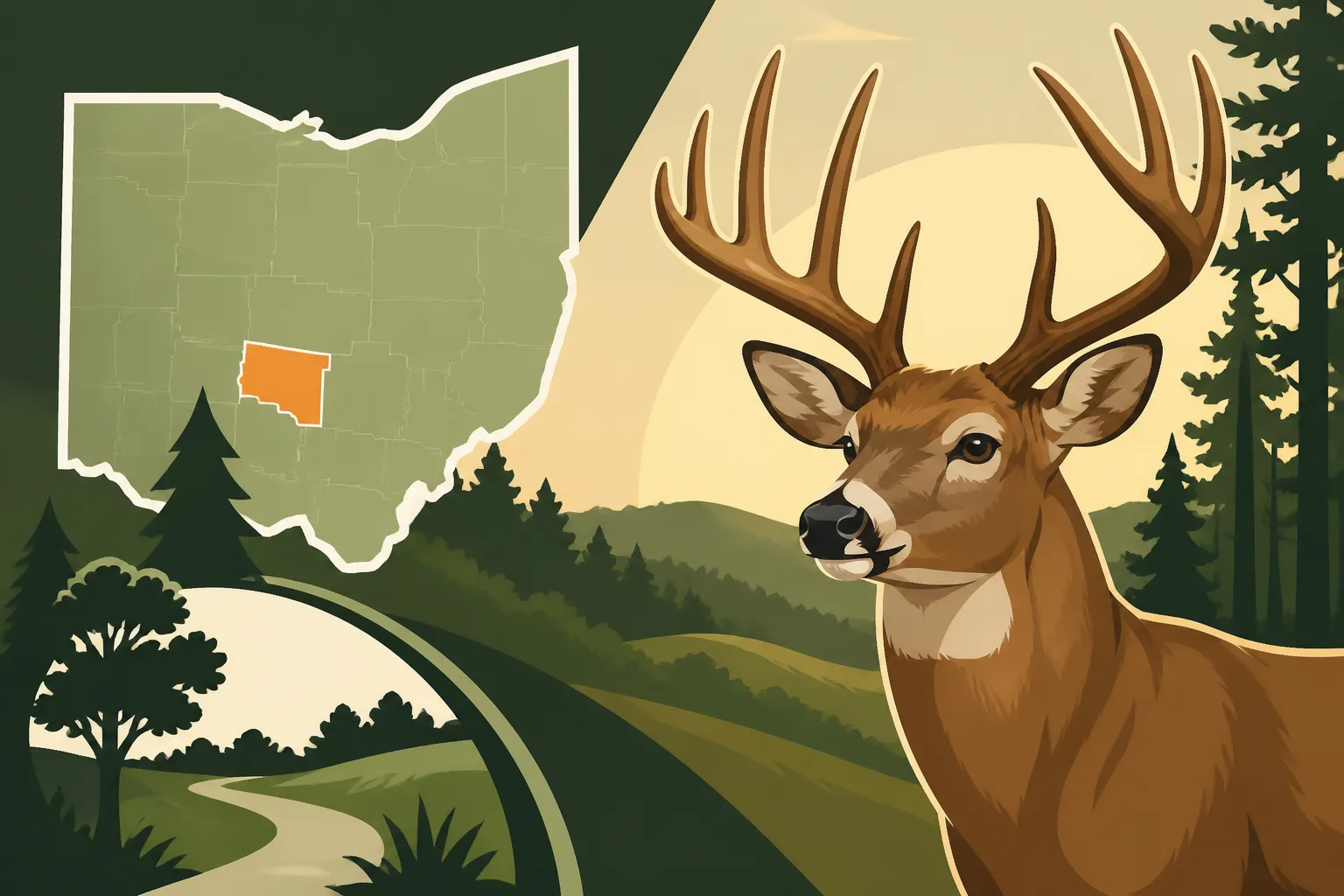
Ross County, nestled in south-central Ohio, offers a fascinating mix of landscapes that make it a compelling destination for deer hunters. It’s a transition zone, where the flatter, more agriculturally dominant terrain of central Ohio begins to give way to the rugged, forested foothills of Appalachia. This unique blend creates diverse habitats for white-tailed deer, but it also means hunters need to understand the nuances of the land to be successful.
Understanding the Landscape of Ross County for Deer
When you look at a map of Ross County, you'll immediately notice the Scioto River valley running right through its heart, flanked by rolling hills to the east and west. This river system, along with its tributaries like Paint Creek and Salt Creek, carves out valleys and creates natural travel corridors for deer. The habitat here is a patchwork: rich agricultural fields of corn and soybeans in the river bottoms and on plateaus, giving way to extensive mature hardwood forests on the hillsides and ridges. You'll find oak, hickory, and maple stands that provide crucial mast crops, alongside dense brushy thickets and regenerated timber cuts offering excellent bedding cover.
This combination of food-rich agricultural areas and protective, rugged timber means deer in Ross County can grow large and develop healthy populations. However, it also means they have options, and their patterns can shift dramatically based on crop rotations, mast production, and hunting pressure. Deer will often bed deep in the woods during the day, only venturing out to feed in fields under the cover of darkness, or using dense creek bottoms as travel routes. Understanding these movements is key, and it all starts with knowing where the best public access points are and what each offers.
Key Public Land Areas in Ross County
While Ross County might not boast the sheer acreage of contiguous public land found in some of the deeper Appalachian counties, it does offer several excellent options for deer hunters. These areas provide varied hunting experiences, from vast forests to more open, mixed habitats.
Let's explore a few of the primary destinations:
- Tar Hollow State Forest and Wildlife Area: Spanning parts of Ross, Hocking, Vinton, and Pike counties, Tar Hollow is arguably the premier public land deer hunting destination in the immediate Ross County area. It's a rugged expanse of over 16,000 acres, dominated by mature hardwood forests, steep ridges, and deep ravines. The deer here are accustomed to living in dense cover, and finding them often involves working hard to penetrate deep into remote sections. Acorn crops are a major draw in the fall, and knowing how to Read a Ridge for Southeast Ohio Deer can be invaluable here. While not entirely within Ross County, significant portions are close enough to be considered a prime option for Ross County residents or visitors.
- Paint Creek State Park and Wildlife Area: Located directly within Ross County, Paint Creek offers a different flavor of hunting. With Paint Creek Lake at its center, the wildlife area comprises mixed woodlands, brushy fields, and agricultural land leased for farming. The terrain around the lake can be less steep than Tar Hollow, but still offers plenty of rolling hills and creek drainages. Deer here will often relate to the edges of agricultural fields, dense fencerows, and thick bedding areas along the water. This area can see considerable pressure due to its accessibility, so deep scouting and unique entry routes are essential.
- Pike State Forest: While primarily located in Pike County, this 10,000+ acre state forest is just south of Ross County and offers similar rugged, forested hunting opportunities to Tar Hollow. For those willing to drive a short distance, it's another excellent option for encountering mature timber bucks. Accessing it is straightforward, and understanding its topography can greatly enhance your hunting strategy.
To make the most of these areas, digital mapping tools like onX Hunt or GoHunt are incredibly valuable. They allow you to visualize property boundaries, topo lines, and aerial imagery, helping you pinpoint potential bedding areas, travel corridors, and access points before you ever set foot in the woods. This is especially helpful in identifying those overlooked corners that might hold unpressured deer.
Strategies for Deer Hunting on Ross County Public Land
Public land hunting, particularly for deer, demands a thoughtful and adaptive approach. Deer on public land are often more wary due to increased human activity, and success hinges on a blend of meticulous planning and on-the-ground intuition. Ross County's diverse habitat requires strategies that can adapt from dense timber to open field edges.
Scouting and E-Scouting for Ross County Deer
Before you even think about setting up a stand, scouting is your most potent weapon. For Ross County, this involves both "e-scouting" from your computer or phone and traditional boots-on-the-ground reconnaissance.
E-scouting, using tools like onX Hunt or GoHunt, allows you to pore over aerial photos and topographical maps to identify key features. Look for:
- Funnels and Pinch Points: These are natural constrictions in the landscape, such as saddles between ridges, narrow strips of timber connecting larger blocks, or creek crossings, where deer are forced into a smaller travel lane. These can be prime stand locations.
- Bedding Areas: Look for dense, thick cover on south-facing slopes (for warmth) or tucked away in dense thickets away from common trails. Often, deer will bed on benches along ridge lines where they can see and smell approaching threats.
- Food Sources: Identify oak and hickory groves for acorns, especially important during the early season. Note any nearby agricultural fields. Even after harvest, gleanings can draw deer. Hunting After a Poor Acorn Year might require focusing more on browse or agricultural sources.
- Water Sources: Creek bottoms and small springs can be critical, especially during dry periods.
- Access Points and Pressure: Use your mapping app to see where roads and trails run. Try to find entry routes that allow you to get into promising areas with minimal disturbance, ideally with the wind in your favor. Reading Aerial Photos for Southeast Ohio Deer can help identify these subtle features.
Once you have a few promising spots identified virtually, it’s time for boots-on-the-ground scouting. During the off-season or before the season opens, walk these areas. Look for fresh deer sign: tracks, droppings, rubs, and scrapes. Pay attention to how deer are using the terrain. Where are they crossing creeks? Where are the well-worn trails? What kind of cover are they preferring for bedding? This is where you confirm your e-scouting theories and discover the subtle nuances that only direct observation can reveal.
Effective Hunting Tactics for the Terrain
Ross County's blend of hills and agricultural influence means a variety of tactics can be effective, depending on the specific location and time of year.
- Still-Hunting and Stalking: In the rugged, heavily wooded areas of Tar Hollow or Pike State Forest, still-hunting slowly and deliberately along ridge tops or through dense timber can be incredibly productive. Focus on moving quietly, stopping frequently to scan ahead, and using the contours of the land to your advantage. This works well when deer are not moving extensively in open areas. Still-Hunting Shawnee State Forest Ridges principles apply well here.
- Treestand Placement: This is a classic tactic, and choosing the right location is paramount. For forested areas, focus on saddles, benches, and funnels that connect bedding and feeding areas. Along agricultural edges, place your stand where deer transition from cover to the field, paying close attention to wind direction. Treestand Setups in Appalachian Ohio Hardwoods provides excellent guidance on this. Always use a safety harness, especially when hunting on steep terrain.
- Ground Blinds: Especially useful near field edges, in thick creek bottoms, or in areas with limited suitable trees for stands. A well-brushed-in ground blind can offer excellent concealment and warmth, particularly during late season. This can be a great option for hunting over a standing soybean field or a cut cornfield that deer are still frequenting. Using a Ground Blind on Ohio Public Land offers more insights.
- Rut Tactics: During the peak of the rut, typically in early to mid-November, focus on traditional rut sign like scrape lines and rub lines along logging roads or ridge tops. Rattling and grunting can be surprisingly effective on public land, drawing in curious bucks looking for a fight. Don't be afraid to try some aggressive calling sequences. Hunting the Rut in Early November is a crucial time to be in the woods.
Dealing with Hunting Pressure and Other Hunters
Let’s be real: public land means other hunters. This is especially true during the Ohio's Two-Weekend Gun Deer Season opener. However, understanding how pressure affects deer can actually work to your advantage.
Deer, when pressured, will often gravitate towards the thickest, nastiest cover they can find, or move into areas that other hunters overlook. This might mean:
- Hiking Deeper: Most hunters stick close to parking areas and well-worn trails. Being willing to put in the miles and access remote corners of a wildlife area or state forest can lead you to less-pressured deer. Use your mapping app to identify areas furthest from easy access. Finding Ground Others Walk Past is a mindset, not just a physical act.
- Hunting Mid-Day: Many hunters leave the woods during late morning or early afternoon. Deer, especially when pushed, will often move during these quiet periods. Staying on stand all day, especially during the rut or in cold weather, can pay off.
- Utilizing Thick Cover: Focus your efforts on the densest brush, cedar thickets, or deep, tangled ravines. These areas are harder for hunters to navigate and are often where deer will hide.
- Capitalizing on Drives: During gun season, deer drives are common. While you might not participate, positioning yourself along escape routes or funnel points that deer will use to flee other hunters can be very effective. This requires anticipating where deer will go when pushed.
- Timing Your Hunts: If possible, hunt during weekdays rather than weekends to avoid the heaviest crowds. Late season, after the initial gun season rush, can also offer more solitude and some excellent opportunities for Filling an Antlerless Permit Late in Ohio as deer are often concentrated on specific food sources.
Practical Considerations for Hunting Ross County
Hunting in Ross County, with its varied terrain and weather, requires proper preparation beyond just knowing where to go and what tactics to use. Being adequately equipped and understanding local regulations are crucial for a safe and successful hunt.
Essential Gear and Equipment
The right gear can make or break your hunt, especially when you're traversing rugged hills or sitting in changing weather.
- Footwear: Good, broken-in hunting boots with excellent ankle support are non-negotiable for Ross County. You'll encounter steep inclines, uneven terrain, mud, and potentially snow. Waterproof boots are a must.
- Navigation Tools: While your phone with onX Hunt or GoHunt is great, always carry a backup. A reliable handheld GPS unit or even a traditional compass and map (and knowing how to use them) can be a lifesaver if your phone battery dies or you lose signal in a deep hollow. Knowing Using HuntFish Ohio Without Cell Service is vital.
- Optics: Binoculars (8×42 or 10×42 are popular choices) are essential for spotting deer in dense cover or across distant ridges. A rangefinder is also highly recommended, especially when judging distances on uneven ground for those critical shots. Binocular Power for Timber Hunting is a real consideration here.
- Clothing Layers: Ohio weather can be unpredictable. Layering is key, allowing you to adapt to temperature swings throughout the day. Moisture-wicking base layers, insulating mid-layers (fleece or wool), and a waterproof/windproof outer shell are ideal. Wool is a fantastic choice for quiet movement and warmth, even when wet. Layering for an Ohio Deer Stand becomes a science in late fall and winter.
- Safety Gear: A full-body safety harness is mandatory for treestand hunting. Always carry a first-aid kit, a whistle, and a bright headlamp for walking in or out of the woods in the dark. Tell someone where you're going and when you expect to return.
- Game Retrieval: If you're successful in a remote area, having a plan for deer retrieval is important. A deer sled can make dragging a deer out of a ravine much easier. Dragging a Deer Off a Steep Ridge is a serious workout.
Understanding Regulations and Safety
Ohio has specific regulations designed to ensure safety and manage the deer herd effectively. It's your responsibility to know and follow them.
- Licenses and Permits: Ensure you have your current Ohio Resident Hunting License Cost or nonresident equivalent, along with the appropriate deer permits. You can purchase these online through the Ohio DNR's "Wild Ohio" portal or from authorized vendors. Always carry proof of your license.
- Blaze Orange: During various gun seasons, Ohio requires hunters to wear a certain amount of blaze orange (or blaze pink). Know the requirements for the specific season you're hunting. Ohio Blaze Orange Requirements are non-negotiable.
- Legal Firearms: Be aware of the legal firearms for deer hunting in Ohio, which include shotguns, straight-wall cartridge rifles, muzzleloaders, and bows/crossbows. Each has specific rules regarding caliber and use. Ohio Legal Firearms for Deer Hunting details these.
- Deer Checking and Reporting: All harvested deer must be checked in through the Ohio DNR's automated system by noon the day after the kill. This can be done online or via phone. Registering a Deer Through Ohio's Check-In System is a mandatory step.
- CWD Surveillance Area: While Ross County is not currently within Ohio’s Chronic Wasting Disease (CWD) Surveillance Area, it's always wise to stay informed about CWD. This disease impacts deer management and specific testing protocols might apply if you hunt in or near a DSA county.
- Private Land Boundaries: Public land often borders private property. Use your mapping app to clearly identify these lines and always respect private property. Know Ohio Trespass and Permission Law thoroughly. If a deer runs onto private land, you need permission to retrieve it.
Table: Public Land Deer Hunting Overview for Ross County Area
| Public Land Area | Primary Habitat | Terrain Type | Key Considerations |
|---|---|---|---|
| Tar Hollow State Forest/Wildlife Area | Mature Hardwood Forest, Thick Cover | Steep Ridges, Deep Ravines | Rugged, less accessible in spots; good for deep woods bucks. |
| Paint Creek State Park/Wildlife Area | Mixed Woodlands, Ag Fields, Lake Shoreline | Rolling Hills, Creek Bottoms | Accessible, can be pressured; focus on field edges and thickets. |
| Pike State Forest | Mature Hardwood Forest, Thick Cover | Steep Ridges, Valleys | Similar to Tar Hollow; good alternative for deep woods hunting. |
Hunting deer in Ross County's public lands can be an incredibly rewarding experience, combining the challenge of varied terrain with the excitement of pursuing Ohio's abundant whitetails. Whether you're navigating the rugged hills of Tar Hollow or patiently watching a field edge at Paint Creek, success comes down to preparation, persistence, and a deep respect for the land and its inhabitants. Do your homework, scout diligently, and adapt your tactics, and you'll find plenty of opportunities to punch your tag in this beautiful part of Ohio.
Disclaimer
This article is for general informational purposes only and does not constitute professional advice. Laws, prices and regulations vary by location and change over time. Consult a qualified professional for guidance on your specific situation.