Licking County Wildlife Area Access
It can feel daunting trying to pinpoint reliable public hunting grounds in the more populated, central parts of Ohio, especially when many of the big-name tracts are scattered across the state's edges. You want to know if a local gem like Licking County Wildlife Area truly offers accessible opportunities, or if it's just a heavily pressured spot that's not worth your time. This guide is designed to walk you through everything you need to know about accessing and making the most of Licking County Wildlife Area for your next hunting adventure.
Understanding Licking County Wildlife Area
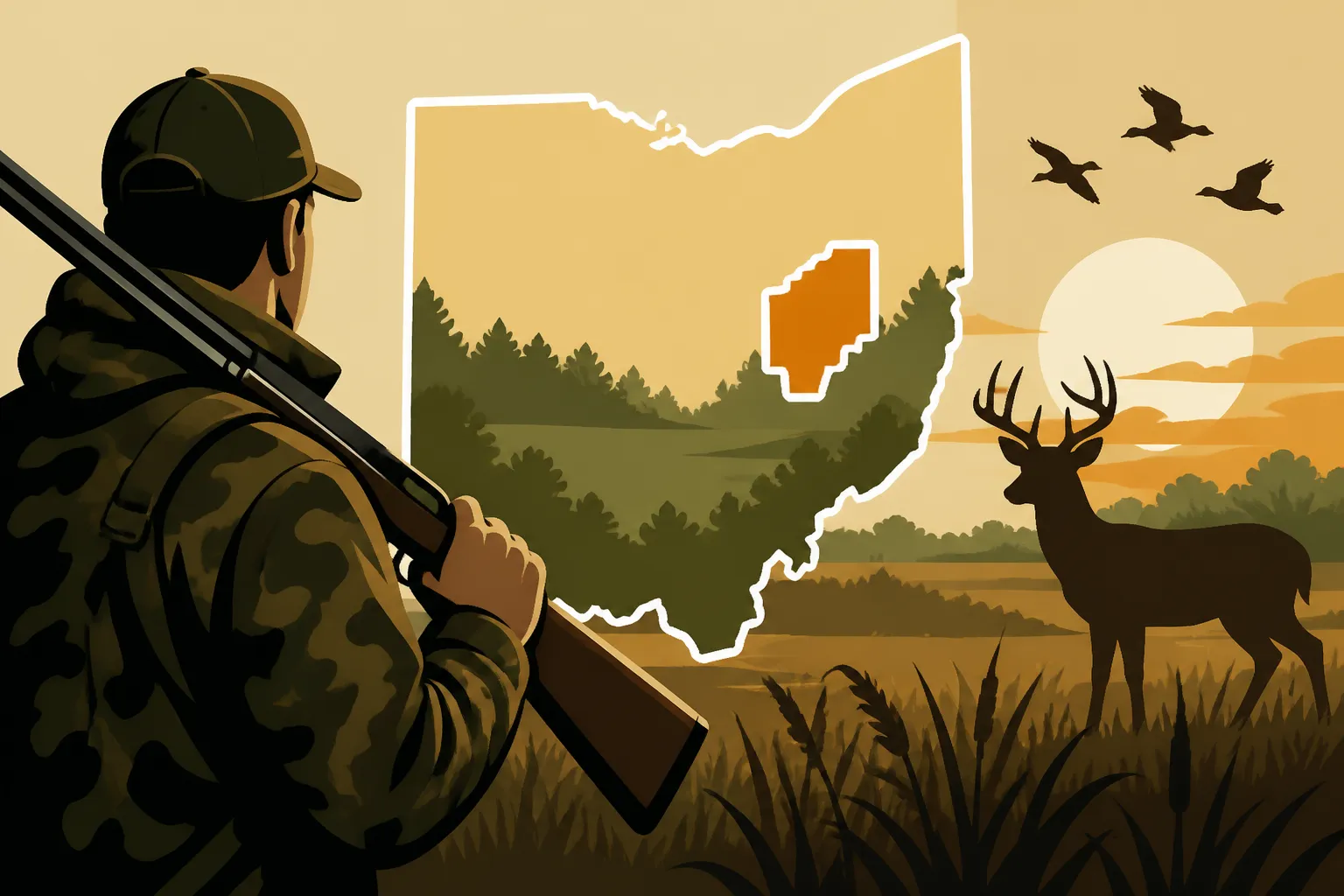
Nestled a bit east of Columbus, Licking County Wildlife Area is a fantastic example of a public hunting resource that often gets overlooked in favor of the larger state forests. It's not a vast wilderness, but it offers a diverse landscape that provides habitat for a variety of game. For many hunters in central Ohio, this area is a critical close-to-home option, saving long drives to more remote public lands. It's a place where you can genuinely connect with nature and pursue game without having to commit to an overnight trip or a full day's travel.
General Overview and Habitat Diversity
Licking County Wildlife Area encompasses several thousand acres, spread across a landscape that beautifully blends woodlands, open fields, and wetlands. It's truly a mixed bag, which is fantastic for wildlife diversity. You'll find mature hardwood stands on rolling terrain, which are prime areas for deer and squirrel. Interspersed are brushy field edges and old agricultural fields that have been left to revert, creating excellent cover for rabbits, pheasants (often stocked), and even some turkeys. Then there are the wetland components, often found along creek bottoms or in lower elevations, providing crucial habitat for waterfowl, especially during migration. This mosaic of habitat means you're not just limited to one type of hunting experience; you can often switch gears depending on the season and what game you're after. ODNR actively manages these different sections to enhance wildlife habitat, making it a productive area year after year.
One of the real benefits of this kind of varied terrain is that it encourages different game species to thrive. Deer use the dense woods for bedding and the field edges for browsing. Turkeys will roost in the taller trees and spend their days scratching for food in the open woods or strutting in the fields. Small game hunters appreciate the thickets and fencerows that offer escape cover for rabbits and pheasants. Understanding this habitat diversity is the first step in successful scouting and hunting here. It’s not just one big block of woods; it’s a series of interconnected ecosystems that support a robust wildlife population.
Primary Game Species to Pursue
When you talk about hunting in Licking County Wildlife Area, the first species that often comes to mind is the white-tailed deer. The mix of woods and fields provides everything a deer needs: food, water, and cover. While it might not produce the trophy bucks found in more secluded, less pressured areas of the state, there's a healthy population of deer, and many hunters fill their tags here annually. Both archery and gun hunters find success, particularly during the archery season when hunters can capitalize on early season patterns or target the rut. Ohio Deer Season Structure Explained is a good resource for understanding the statewide seasons.
Beyond deer, Licking County Wildlife Area is an excellent spot for small game. Squirrels are abundant in the hardwood sections, especially where you find mature oak and hickory trees. Squirrel Hunting Ohio Hardwoods details some great strategies. Rabbits thrive in the brushy cover and dense fencerows, making it a fun place for a walk-up hunt with a shotgun or a hunt with beagles. Turkeys are also present, often found near the wooded edges bordering agricultural fields, offering some challenging but rewarding spring and fall hunting. And don't forget waterfowl; while not a primary waterfowl destination like some Lake Erie marshes, the wetlands and small ponds can attract ducks and geese, especially during the colder months. ODNR sometimes stocks pheasants here too, so checking the Ohio Pheasant Season and Stocking information is always a good idea.
Accessing and Navigating Licking County Wildlife Area
Getting into and around Licking County Wildlife Area can sometimes be a bit of a puzzle if you’re not prepared. It’s not always as straightforward as pulling off a main road and walking into the woods. The area is often broken up by private land, county roads, and sometimes even active farming operations. Knowing the lay of the land, understanding parking regulations, and using modern mapping tools are absolutely essential for a successful hunt here.
Entry Points and Parking Considerations
Access to Licking County Wildlife Area typically involves a network of gravel roads and designated parking lots scattered around the perimeter. You won't find a single "main entrance" with a visitor center; instead, you'll likely encounter smaller pull-offs or clearly marked gravel lots. It's crucial to pay close attention to signs, as some areas might be designated for specific uses or have restrictions on parking outside of marked spots. Blocking gates or private drives is a definite no-no and can lead to fines or your vehicle being towed.
Many hunters find that the best way to scout out these entry points is by using online mapping tools. Applications like onX Hunt are incredibly valuable because they clearly delineate public and private land boundaries, show access roads, and often pinpoint designated parking areas. Before you even leave home, you can "drive" the perimeter of the area virtually and identify several potential spots to park and start your hunt. This foresight saves a lot of wasted time and frustration when you arrive, especially if you're trying to get set up before dawn for an early morning hunt. You want to make sure your vehicle is secure and legally parked so you can focus on the hunt ahead.
Utilizing Digital Mapping Tools
In today's hunting world, digital mapping tools are practically non-negotiable, especially on public land like Licking County Wildlife Area. Forget trying to piece together paper maps and hoping they're up-to-date. Apps like onX Hunt or even the ODNR's own Scouting With the Ohio HuntFish App can literally be game-changers. These platforms offer detailed satellite imagery, topographic maps, and crucially, property line overlays that show exactly where public land ends and private land begins. This is invaluable when you’re pushing deep into the woods and want to avoid trespassing, which is a major concern in areas bordered by numerous private landowners.
Beyond just land boundaries, these apps allow you to mark waypoints for potential stand locations, rub lines, scrapes, water sources, or bedding areas you find while scouting. You can track your movements, see elevation changes, and understand how wind and thermals might affect your hunt. Imagine knowing exactly where that creek bottom runs, or where a hidden bench on a ridge might hold deer, all from your phone. Many experienced hunters will spend hours studying these maps before stepping foot in the woods, looking for pinch points, funnels, and areas that might hold less pressure simply because they're harder to access. GoHunt is another great resource for broader scouting, but for on-the-ground navigation, a dedicated hunting app is key.
Navigating the Terrain and Public Land Ethics
Once you're on the ground in Licking County Wildlife Area, you'll quickly realize that the terrain, while not as rugged as the Appalachian foothills, still presents its own challenges. You'll encounter rolling hills, dense thickets, creek crossings, and potentially muddy conditions, especially during wet seasons. Foot travel is the primary mode of transportation for hunters, so comfortable, sturdy footwear is a must. Remember, on Ohio Wildlife Areas, vehicle use is generally restricted to designated roads and parking areas; you won't be driving your ATV into the woods.
It's also essential to practice good public land ethics. That means packing out everything you pack in, being respectful of other users (which could include hikers, birdwatchers, or other hunters), and adhering strictly to all regulations. Ohio Public Land Hunting Hours are important to remember, as are specific rules regarding treestands and ground blinds. Always assume that other hunters are in the area, even if you don't see them. Giving fellow hunters space, avoiding their setups if you know where they are, and generally being courteous goes a long way in ensuring everyone has a positive experience. Remember, we all share these precious resources.
Hunting Opportunities and Challenges
Licking County Wildlife Area, like any public land, offers both exciting opportunities and unique challenges. It’s a place where consistent effort, keen observation, and adaptability often pay off more than pure luck. Understanding the seasonal nuances and how game responds to hunting pressure here will significantly increase your chances of success.
Deer Hunting Tactics and Seasons
Deer hunting is arguably the most popular pursuit in Licking County Wildlife Area. During archery season, especially early on, deer can be found feeding in or near the edges of agricultural fields that border the property. As pressure mounts and crops are harvested, they often retreat deeper into the wooded sections. Focus on areas with good cover, dense undergrowth, and reliable water sources. Finding natural funnels, saddles on ridges, or thickets near food sources can be prime locations. Many hunters have success utilizing Treestand Setups in Appalachian Ohio Hardwoods strategies, even if the hills aren't as steep.
When the gun seasons roll around, expect increased pressure. Why Ohio's Gun Opener Draws the Biggest Crowds is true for most public lands, including here. Deer will become more nocturnal and seek out the thickest, hardest-to-reach cover. This is when patience becomes a virtue. Still-hunting slowly through dense timber, or setting up on escape routes that deer use to move between bedding and feeding areas, can be effective. Knowing that other hunters will be moving deer around is also a factor. Sometimes, just sitting quietly and letting the woods settle after initial hunter movement can present an opportunity. Don't be afraid to put on some miles and get away from easy access points, as deer will often gravitate to these quieter pockets.
Small Game and Furbearer Prospects
For small game enthusiasts, Licking County Wildlife Area offers solid opportunities throughout their respective seasons. Squirrels are readily available in the mature oak and hickory stands, especially early in the season when they are actively cutting nuts. A quiet approach, often called "still-hunting," can be very effective here. Rabbits thrive in the reverting fields, multiflora rose thickets, and brushy fencerows. Walking these areas with a good shotgun and a sharp eye is a classic and fun way to hunt. Rabbit Hunting Ohio Fencerows offers some practical advice.
Turkey hunting, both spring and fall, can be rewarding. In the spring, locating gobblers on the roost near field edges or along prominent ridges can be a good starting point. Fall turkey hunting requires a different approach, often involving locating flocks and trying to break them up to call them back in. For furbearers like coyotes and raccoons, Licking County provides plenty of habitat. Coyote calling can be effective, especially in the winter months when visibility is better and coyotes are more actively seeking food. Raccoon hunting at night with hounds is also a popular activity in the dense woods along creek bottoms. Remember to check all Ohio Small Game and Upland Bird Seasons and furbearer regulations before heading out.
Dealing with Hunting Pressure
Let's be realistic: Licking County Wildlife Area is public land, and it's relatively close to a major metropolitan area. That means you're going to encounter hunting pressure. It's not a secret wilderness. The key is to acknowledge it and adapt your strategy. Instead of seeing other hunters as a detriment, consider how their movement might influence deer patterns. Often, deer will use the thickest, nastiest cover as sanctuaries, and these areas tend to be the places most hunters avoid.
A good tactic is to scout these overlooked spots that are off the beaten path – maybe a steep ravine, a dense stand of briars, or a swampy bottomland that's difficult to navigate. You might not see other boot prints there, and that’s a good sign. Hunting mid-week instead of weekends, or focusing on the fringe hours of dawn and dusk, can also give you a quieter experience. Using tools like onX Hunt to identify "hard-to-reach" areas based on topography and distance from access points can give you an edge. The deer are there; you just need to work a little harder and smarter to find where they feel safe from the pressure.
Regulations and Best Practices for Licking County
Hunting on any public land in Ohio, including Licking County Wildlife Area, comes with a set of rules and best practices designed to ensure safety, promote ethical hunting, and conserve wildlife. Being informed and prepared is not just about staying legal; it’s about being a responsible steward of the land and respecting fellow hunters.
Ohio Wildlife Area Regulations
The Ohio Department of Natural Resources (ODNR) oversees all wildlife areas, and Licking County is no exception. It’s absolutely critical to be familiar with the statewide hunting regulations, which can be found in the Ohio Hunting and Trapping Regulations publication or on the ODNR website. Beyond general hunting rules, wildlife areas often have specific local regulations. These might include restrictions on ATVs (generally not permitted), camping (usually prohibited), or specific hours of use. For example, while you generally can use Ground Blind Rules on Ohio Wildlife Areas and treestands, there are rules about how long they can be left up and whether they need to be marked.
A key part of the regulations is the annual license and permit requirements. You'll need a valid Ohio Resident Hunting License Options (or nonresident equivalent) and the appropriate deer or turkey permits if you're pursuing those species. All harvested deer and turkeys must be checked in through the Ohio Game Check system. Blaze orange requirements are also important during specific gun seasons, so make sure you're aware of when and how much blaze orange is mandated. Ignorance of the law is never an excuse, so taking the time to review these rules before your hunt is a must.
Ethical Hunting and Conservation
Ethical hunting goes beyond just following the law. It’s about making responsible decisions in the field that reflect well on all hunters. This includes taking clean, humane shots, knowing your effective range, and diligently tracking any wounded animal. If you wound an animal, your commitment to recovery should be unwavering, even if it leads you onto adjacent private land (with permission, of course). Blood Trailing After Dark in Ohio can be a complex but necessary skill.
Conservation is also a huge part of the picture. Public lands like Licking County Wildlife Area are maintained through hunter license fees and federal excise taxes on hunting equipment. By purchasing your licenses and permits, you're directly contributing to habitat improvement, wildlife research, and enforcement efforts. Also, consider the long-term health of the wildlife. Don't overharvest, and always report any suspicious activity or poaching to the ODNR. We all have a role to play in ensuring these resources are available for future generations.
Scouting and Seasonal Planning
Successful hunting in Licking County Wildlife Area often hinges on good scouting and strategic seasonal planning. Don't just show up on opening day and expect to magically find game. Spend time in the off-season, or even during the summer, walking the property. Look for deer trails, rub lines, old scrapes, food sources, and bedding areas. Identify pinch points where deer are funneled, or natural travel corridors. Finding Sign in Big Appalachian Timber principles apply here for reading deer movement.
Different seasons present different opportunities and challenges. Early archery season might see deer in consistent patterns around food sources, while the late season can be more about finding cold-weather food and dense thermal cover. Understanding these shifts, combined with diligent scouting, allows you to adapt your strategy. Use aerial photos, which are available through tools like onX Hunt, to identify potential hot spots before you even set foot on the ground. This kind of preparation gives you a significant advantage and makes your time in the woods much more productive and enjoyable.
| Game Species | Primary Habitat Types | Best Times to Hunt | Common Challenges |
|---|---|---|---|
| White-tailed Deer | Mature hardwoods, thickets, field edges | Early Archery, Peak Rut, Late Gun/Muzzleloader | High pressure, nocturnal movement |
| Wild Turkey | Open hardwoods, field edges, creek bottoms | Spring (gobblers), Fall (flocks) | Locating birds, pressured calling |
| Squirrel | Oak & Hickory stands, mature timber | Early Fall, Mid-day | Identifying active feeding, quiet approach |
| Rabbit | Brushy fencerows, reverting fields, thickets | Late Fall, Winter | Dense cover, fast flushes |
| Waterfowl | Wetlands, ponds, creek channels | Migration (Fall/Winter) | Limited prime habitat, specific regulations |
| Coyote | All habitat types, especially open fields | Winter, Night (with lights) | Elusive, requires calling skill |
Disclaimer
This article is for general informational purposes only and does not constitute professional advice. Laws, prices and regulations vary by location and change over time. Consult a qualified professional for guidance on your specific situation.