How Many Acres Shawnee State Forest Covers
For many Ohio hunters, the sheer scale of our public hunting lands can feel overwhelming, especially when you're used to smaller woodlots or negotiating private land access. Shawnee State Forest, nestled deep in the Appalachian foothills, presents an incredible opportunity but also a unique challenge for those looking to immerse themselves in true big-woods hunting. This guide will reveal the impressive size of Shawnee State Forest and break down what that means for your hunting adventures, offering insights into how to tackle such a vast and rugged landscape.
The Sheer Scale of Shawnee State Forest: Ohio's 'Little Smokies'
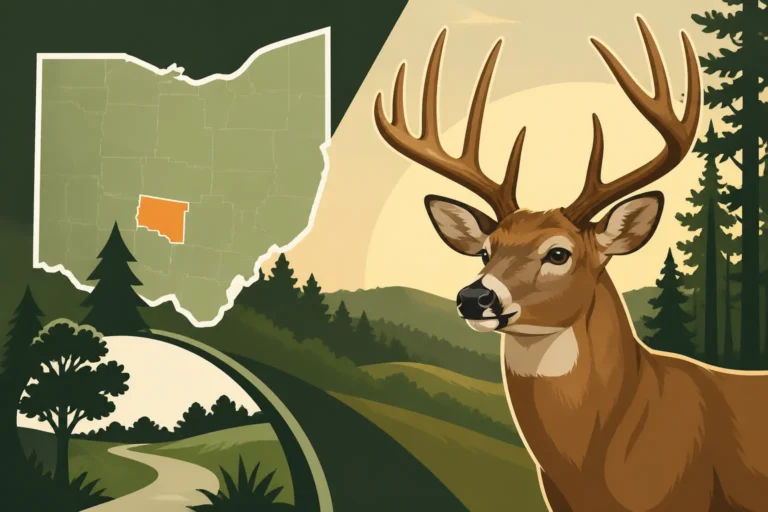
Shawnee State Forest isn't just another patch of woods; it's a monumental expanse of rugged, forested terrain that truly lives up to its nickname as "Ohio's Little Smokies." When you look at a map, you might think you understand "big," but stepping into Shawnee truly drives home the point. This magnificent forest, located primarily in Scioto and Adams counties, encompasses a sprawling 63,747 acres. That's a huge chunk of real estate, larger than many national parks in other states and certainly the largest contiguous block of public land dedicated to forestry and recreation in Ohio.
Understanding the Acreage in Context
To put 63,747 acres into perspective, imagine an area roughly ten miles long and ten miles wide, all covered in dense timber, steep ridges, and deep hollows. This isn't flat, easy-to-traverse ground. This is classic Appalachian Ohio, characterized by dramatic elevation changes, twisting creeks, and a canopy that rarely lets the sun truly penetrate to the forest floor. The forest borders the Ohio River and stretches north, creating a wilderness experience unlike almost anywhere else in the state. Why Shawnee Is Called Ohio's Little Smokies is a common question, and it's because of this incredible ruggedness and expansive, unbroken timberland that it earns such a moniker.
The vastness of Shawnee means a few things for hunters: less pressure in many areas if you're willing to walk, diverse habitat, and the potential to find truly secluded pockets where deer, turkeys, and other game can thrive undisturbed. It also means you need a different mindset and different preparation than if you were hunting a 200-acre wildlife area. You're not just hunting; you're often exploring, adapting, and embracing a more primitive style of pursuit.
How Shawnee Compares to Other Ohio Public Lands
While Ohio boasts numerous excellent public hunting opportunities, Shawnee State Forest stands in a league of its own when it comes to sheer size and contiguous wilderness feel. Wayne National Forest, for example, is larger overall but is broken into three distinct units spread across southeastern Ohio. Shawnee, by contrast, is one massive, connected block of forest, offering an uninterrupted experience.
Let's take a quick look at how Shawnee stacks up against some other notable public hunting areas in Ohio regarding their approximate primary landholding acreage:
| Public Hunting Area | Approximate Acreage (Primary Unit) | Primary Characteristic | Hunting Style |
|---|---|---|---|
| Shawnee State Forest | 63,747 | Vast, rugged Appalachian timber, deep hollows | Big woods, still-hunting, remote access |
| Wayne National Forest (Athens Unit) | ~60,000 | Hilly, mixed hardwoods, some reclaimed mine land | Wilderness hunting, diverse terrain |
| Zaleski State Forest | 28,000 | Rolling hills, dense timber, managed for grouse | Remote, good for still-hunting or stand hunting |
| Tar Hollow State Forest | 16,120 | Steep ravines, dense woods, remote | Rugged, challenging, excellent for deer |
| Killdeer Plains Wildlife Area | 9,000 | Wetlands, grasslands, some woodlands | Waterfowl, pheasant, deer on edges |
As you can see, Shawnee dwarfs many other popular spots. This isn't to say smaller areas aren't fantastic for hunting, but Shawnee offers an unparalleled opportunity for those who love to truly get lost in the woods and hunt expansive, unpressured territory. This scale makes it a premier destination for Hunting Southeast Ohio Appalachian Foothills.
Navigating Such a Vast Wilderness
Hunting 63,000+ acres is not like hunting your neighbor's back forty. The sheer size and ruggedness of Shawnee State Forest mean that robust navigation skills and reliable tools are absolutely essential. Losing your way in this forest isn't just an inconvenience; it can quickly become a serious situation, especially as darkness falls or weather moves in.
Essential Mapping and GPS Tools
Gone are the days when a paper map and compass were your only reliable options (though you should still carry them as a backup!). Today, apps like onX Hunt have revolutionized how we interact with vast public lands like Shawnee. With satellite imagery, topo maps, and the ability to mark waypoints for your stand, parking spot, or a hot sign, onX Hunt can be an invaluable tool. It allows you to visualize the terrain, identify subtle changes in elevation that might create deer funnels, and know precisely where you are in relation to property lines, roads, and trails. This is crucial for navigating Finding Sign in Big Appalachian Timber.
Many hunters also utilize dedicated GPS units, which can be more robust in terms of battery life and signal retention in thick cover compared to a phone. Even with these tools, understanding how to read a contour map and basic orienteering skills are critical. You'll want to map out potential travel corridors, bedding areas, and water sources long before you ever set foot in the woods. GoHunt is another excellent resource for planning, often providing detailed information and articles that can inform your strategy for various public lands.
Planning Your Entry and Exit Routes
With so much ground to cover, simply pulling off the side of the road and plunging into the woods is a recipe for disaster. Effective scouting and planning are paramount. Before your hunt, study aerial photos and topo maps to identify natural barriers, ridges, and hollows that can serve as landmarks. Plan your entry and exit points carefully, marking them on your GPS or mapping app. Consider how you'll get a deer out if you're successful. A long drag up a steep ridge in the dark is a daunting prospect. Dragging a Deer Off a Steep Ridge is a skill you might need to employ here.
For deer drives, which can be effective on public land if done safely and with enough participants, knowing the terrain intimately is even more critical. Understanding how deer will naturally funnel through certain saddles or along ridge lines can make or break a drive. Always let someone know your exact hunting location and your expected return time, especially when exploring deeper into the forest.
Hunting Opportunities and Challenges in Shawnee
The vastness of Shawnee State Forest creates both incredible opportunities for hunters and unique challenges that require different tactics and a higher level of preparation. It's a place where patience, perseverance, and a willingness to cover ground truly pay off.
What to Hunt and When
Shawnee State Forest is renowned for its white-tailed deer, particularly its potential for mature bucks that have had ample opportunity to grow old in its rugged, less-pressured reaches. The sheer amount of unbroken timber means deer can often escape hunting pressure, making them a challenge but also a significant reward. Where Shawnee State Forest Bucks Bed often comes down to the thickest, steepest, nastiest cover that most hunters avoid. Turkeys also thrive in Shawnee's hardwoods, offering a thrilling spring hunt. Spring Turkey Hunting in Ohio in such an environment is an unforgettable experience. Beyond deer and turkey, you can find opportunities for squirrel hunting, especially in the vast oak and hickory stands, and various furbearers.
The best time to hunt Shawnee depends on your target species and preferred method. Early archery season can be tough due to thick foliage, but it offers a chance at undisturbed patterns. The rut in early November is always a prime window for deer. During gun season, the forest can see more pressure, but its size still allows for escape. Ohio's Two-Weekend Gun Deer Season here offers diverse experiences.
Adapting Your Hunting Style for Big Timber
Hunting the extensive timber of Shawnee requires a different approach than what many hunters are accustomed to. Still-hunting, where you move slowly and deliberately through the woods, stopping frequently to observe and listen, is incredibly effective. It allows you to cover ground while remaining stealthy, picking apart the terrain as you go. Still-Hunting Shawnee State Forest Ridges is a classic tactic.
Treestand hunters will need to embrace mobility. Fixed stands might be too restrictive in such a dynamic environment. Mobile setups, like hang-on stands with climbing sticks or even saddle hunting, allow you to adapt to changing deer patterns and hunt specific terrain features you discover through scouting. Treestand Setups in Appalachian Ohio Hardwoods need to be chosen carefully, often deep off the beaten path. Given the rugged topography, using a ground blind is also a viable option, especially in areas with good natural cover.
Planning Your Trip: Making the Most of Shawnee
A successful hunt in Shawnee State Forest isn't just about what happens in the woods; it's heavily influenced by how well you prepare for the unique demands of this massive area. Thinking through the logistics beforehand can make all the difference in your comfort, safety, and ultimate success.
Gear and Supplies for a Rugged Hunt
Given the challenging terrain and potential for long walks, your gear choices are critical. Comfortable, sturdy hiking boots are non-negotiable. Layered clothing that can handle rapid weather changes, from chilly mornings to warm afternoons, is also essential. Since cell service can be spotty to non-existent in many of Shawnee's hollows, a reliable GPS or mapping device (like onX Hunt running on a phone or dedicated unit) with downloaded maps is a must, along with a compass and paper map as backup. Bring plenty of water, high-energy snacks, a first-aid kit, and a powerful headlamp – you never want to be caught in the dark without one. First Aid Kits for Remote Wayne Forest Ground are designed for similar wilderness conditions.
Consider how you'll carry your gear and, hopefully, your game. A comfortable hunting pack is crucial. If you're going deep, a game cart might be helpful for main trails, but in the really steep stuff, a deer drag or even a frame pack for boning out an animal might be your best bet.
Respecting the Resource and Other Users
With such a large public land, it's important to remember that you'll be sharing it with other hunters, hikers, bird watchers, and even horseback riders. Practice ethical hunting, leave no trace, and be respectful of others enjoying the forest. Park in designated areas and avoid blocking gates or trails. Familiarize yourself with all Ohio Public Land Hunting Hours and any specific regulations for Shawnee State Forest, which might include rules about treestand placement or camping.
Always keep safety front of mind. Hunting alone in such a vast area carries inherent risks, so consider hunting with a partner or at least ensuring someone knows your detailed plans. The rewards of hunting Shawnee's immense, wild acreage are immense, offering an experience that truly connects you to the natural rhythms of Ohio's Appalachian heartland. It's a place where you can challenge yourself, hone your skills, and truly understand the meaning of wild Ohio. Scouting Ohio Public Land Before Season is always recommended to ensure you have the best experience.
Disclaimer
This article is for general informational purposes only and does not constitute professional advice. Laws, prices and regulations vary by location and change over time. Consult a qualified professional for guidance on your specific situation.