Why Shawnee Is Called Ohio’s Little Smokies
Many hunters and outdoors enthusiasts in Ohio, especially those venturing into its southern reaches, quickly realize that not all public lands are created equal. You might have heard whispers, or seen it written, that Shawnee State Forest is affectionately known as "Ohio's Little Smokies." This isn't just a catchy nickname; it's a profound recognition of the forest's unique, rugged character that truly sets it apart from much of the state's flatter, more agricultural landscape. This guide will explore the deep connections between Shawnee and the famed Great Smoky Mountains, detailing the geographical, ecological, and recreational similarities that earn it such a distinctive title.
The Lay of the Land: Geographical and Topographical Parallels
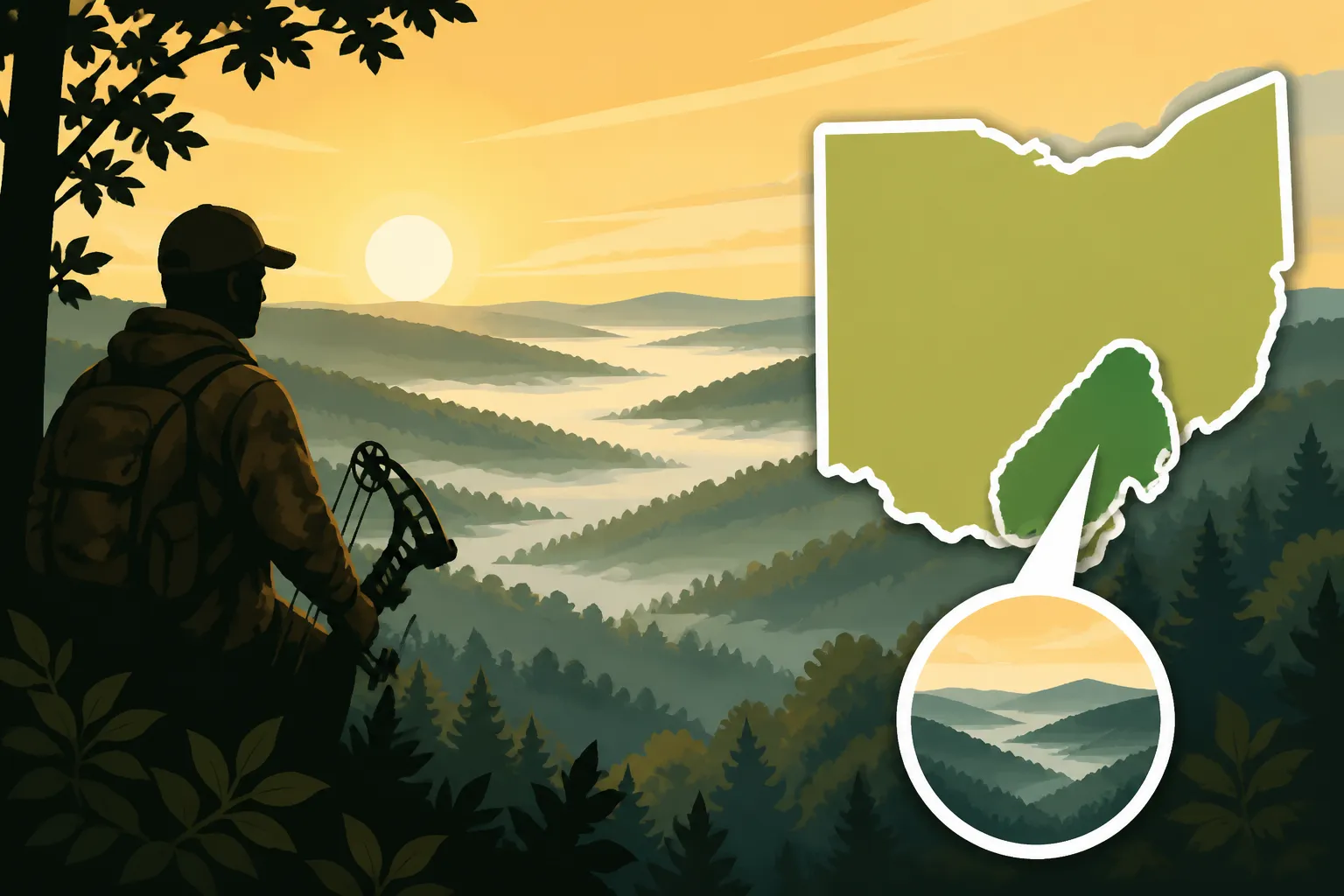
When you first drive through Shawnee State Forest, particularly if you're coming from central or northern Ohio, the immediate change in topography is striking. The gentle rolls give way to steep, winding roads, deep ravines, and dramatic elevation changes that feel a world away from the corn and soybean fields. This isn't just "hilly"; it's a truly rugged, Appalachian landscape that draws direct comparisons to its larger, more famous cousin to the south.
Rugged Terrain and Steep Ridges
The defining feature of Shawnee State Forest, much like the Great Smoky Mountains, is its incredibly rugged and dissected terrain. We're talking about sharp ridge lines that drop into deep, narrow hollows, often with little flat ground to be found. A hike that looks manageable on a map can quickly become a serious uphill trek, gaining hundreds of feet in elevation over short distances. This isn't the kind of woods where you casually stroll; it's a place that demands respect for its steep inclines and declines.
For hunters, this means adapting your entire strategy. Reading a Ridge for Southeast Ohio Deer becomes an essential skill, understanding how deer navigate these slopes, using saddles as travel corridors, and bedding on benches just below the ridge tops. You'll quickly learn that a mile here feels much longer than a mile in a flatter woodlot. The terrain influences everything from treestand placement to scent control, as thermals rising and falling with the sun can dictate deer movement and your approach. It’s a physical hunt, requiring stamina and careful planning, very much like hunting in true mountain country.
Water Features and Dissected Valleys
The intricate network of creeks, streams, and rivers that carve through Shawnee's landscape further reinforces its "Little Smokies" moniker. These waterways flow through deep, V-shaped valleys, creating natural funnels and breaks in the continuous ridge lines. Many of these streams are ephemeral, running strong after a rain and slowing to a trickle in dry spells, but their impact on the topography is permanent.
These water features are vital to both wildlife and hunters. They provide critical water sources, create natural travel corridors for deer and other game, and often serve as boundaries or navigational aids in the vast timber. Hunters often find themselves crossing these creeks, especially when trying to get into remote basins or reach ridge points that offer strategic views. Understanding how water flows and where it collects can tell you a lot about how deer move through the property, especially when trying to pinpoint late-season food sources or bedding areas. These valleys, often shrouded in fog on cool mornings, evoke the misty hollows of the larger Appalachian range, adding to the mystique of the area.
A Wild Heart: Ecological and Biodiversity Parallels
Beyond the visible landscape, Shawnee State Forest shares a deep ecological kinship with the Great Smoky Mountains. Both are ancient forest systems, survivors of glaciation, that harbor an incredible diversity of plant and animal life. It's a place where the wild truly persists, offering a glimpse into Ohio's natural heritage.
Diverse Forest Ecosystems
Shawnee is primarily a mature, deciduous forest, dominated by various oak and hickory species, along with maples, poplars, and an understory rich with dogwood and ironwood. This complex forest structure supports a wide array of life, mirroring the diverse ecosystems found in the Great Smoky Mountains. The varied tree species mean a diverse mast crop, providing critical food for deer, turkey, and squirrels, which fluctuate year to year. Squirrel Hunting Ohio Oak Ridges is a classic pursuit here, as is chasing gobblers that depend on these mature trees for roosting.
The dense canopy and diverse understory create unique microclimates and habitats. You'll find areas of dense, nearly impenetrable thickets on certain slopes, offering secure bedding for deer, right alongside more open, mature timber. This patchwork of habitat, influenced by decades of selective logging and natural succession, creates a dynamic environment that constantly challenges and rewards hunters. It's a stark contrast to the monoculture woodlots sometimes found in more developed areas, offering a truly wild forest experience.
Wildlife Abundance and Resiliency
The "Little Smokies" isn't just about the scenery; it’s about the wildlife that thrives within it. Shawnee State Forest boasts robust populations of white-tailed deer and wild turkeys, along with numerous small game species and a healthy predator base. The sheer size and remoteness of the forest provide the necessary sanctuary for these animals to flourish, much like the extensive wilderness areas of the Great Smoky Mountains.
Hunters often seek out Shawnee for its strong deer numbers and the chance to encounter mature bucks that have grown wise in its challenging terrain. Ohio Turkey Population Trends show continued strength in the southern counties, and spring turkey hunting here is a cherished tradition. Beyond the game animals, you might spot bobcats, river otters, or even black bears, which occasionally wander into the area from neighboring states, highlighting the rich biodiversity. This abundance of wildlife is a testament to the forest's health and its ability to provide for a wide range of species, making every trip into the woods an adventure.
Beyond the Hunt: Recreational Opportunities and Challenges
While hunting is a significant draw, Shawnee State Forest offers a wealth of other recreational activities, further strengthening its comparison to a miniature national park. These opportunities, however, come with the same rugged challenges that define the terrain itself.
Extensive Hiking and Backpacking Trails
Shawnee State Forest is renowned for its extensive trail system, including the epic 60-mile Shawnee Backpacking Trail. This network of footpaths winds through some of the most remote and scenic parts of the forest, offering multi-day backpacking trips that rival experiences found in larger mountain ranges. The elevation changes, stream crossings, and challenging climbs demand physical fitness and preparedness, much like hiking a segment of the Appalachian Trail.
Hikers here will discover stunning vistas, hidden waterfalls, and ancient stands of timber. For hunters, these trails, while busy at times, also offer excellent access points into deep woods. Using a GPS like onX Hunt, you can often find unmaintained spurs off these main trails, or simply strike out into the timber to find areas that see far less human pressure. Learning to navigate these trails and the surrounding wilderness is key to unlocking the full potential of Shawnee, whether you're carrying a pack for an overnight stay or just headed out for a day of scouting.
Horseback Riding and Camping Experiences
Another popular activity that mirrors the multi-use nature of larger national forests is horseback riding. Shawnee State Forest features numerous bridle trails and equestrian camps, allowing riders to explore the hills and valleys from a different perspective. It's a fantastic way to cover ground and experience the expansive beauty of the forest, attracting visitors from across Ohio and beyond.
Camping, both primitive and at designated sites, is also a staple of the Shawnee experience. There are options ranging from rustic backpacking campsites along the main trail to more developed equestrian camps with basic amenities. Setting up a base camp deep in the forest, waking to the sounds of wildlife, and spending days immersed in nature provides an escape from urban life that feels distinctly wild. This blend of remote adventure and accessible amenities allows a diverse group of outdoor enthusiasts to enjoy the forest, reinforcing its status as a significant recreational hub, much like a scaled-down version of the Great Smoky Mountains National Park.
The Shawnee Hunter's Perspective: A Deeper Dive
For many, the comparison to the "Little Smokies" truly resonates when they consider the hunting challenge. It's not just big woods; it's hard woods, demanding a different level of skill, physical endurance, and strategic thinking than hunting in many other parts of Ohio.
Deer and Turkey Hunting in Rugged Country
Hunting deer and turkey in Shawnee State Forest is a unique proposition in Ohio. The vastness of the timber means you rarely feel crowded, even during busy periods like the Ohio Regular Gun Season First Weekend. However, it also means deer and turkeys have ample space to roam and can be incredibly difficult to pattern. This isn't farm-country hunting where deer often move on predictable field edges. Here, deer use every contour of the land, from subtle benches to deep ravines, making them ghost-like in the timber.
Success in Shawnee often comes down to covering ground, being patient, and adapting to the conditions. For deer, focusing on traditional travel corridors like ridge-top saddles, benches, and drainages is crucial. For turkeys, understanding their roosting habits in these massive trees and being willing to run-and-gun across steep terrain can pay off. It’s a rewarding challenge, however, because the deer and turkeys harvested here often feel like true trophies, hard-earned in an unforgiving landscape.
Scouting and Navigation in Big Woods
Effective scouting in Shawnee State Forest is paramount and often feels like an expedition in itself. Given the sheer scale and ruggedness of the terrain, simply walking the woods isn't enough. Hunters must leverage tools and strategies to understand the landscape and pinpoint game movement. This is where advanced mapping applications truly shine.
Using platforms like onX Hunt, you can meticulously study topography, identify potential bedding areas on leeward slopes, mark pinch points, and plan your entry and exit routes. The ability to see property lines and public/private boundaries is also invaluable when navigating such a vast, often unmarked area. Even with modern technology, knowing how to interpret topo lines and read the land for natural funnels or hidden benches is a skill that takes time to develop in Shawnee. Finding Sign in Big Appalachian Timber means looking for subtle rubs, scrapes, and tracks that might be overshadowed by the sheer volume of leaves and undergrowth. Tools like GoHunt can provide additional insights into regional harvest data and pressure points, helping you plan your hunts for less trafficked areas. It's an immersive scouting experience that directly contributes to the feeling of hunting in truly wild country.
Protecting the Wild: Conservation Efforts and Future Outlook
The nickname "Little Smokies" also carries an implicit expectation of stewardship. Just as the Great Smoky Mountains are a national treasure, Shawnee State Forest is a vital ecological stronghold for Ohio, and its continued health depends on careful management and conservation.
Protecting Rare and Unique Species
Shawnee State Forest is a haven for numerous species, some of which are rare or endangered in Ohio. Its deep, unfragmented forest interior provides critical habitat for interior forest birds, unique plant communities, and a diverse amphibian and reptile population. The commitment to protecting this biodiversity is strong, with ongoing research and management efforts focused on preserving these sensitive ecosystems.
For outdoor enthusiasts, this means a chance to witness nature in its rawest form. Seeing a scarlet tanager flash through the canopy, encountering a timber rattlesnake on a rocky outcrop, or finding rare wildflowers blooming in a secluded hollow are all part of the Shawnee experience. This focus on protecting native flora and fauna is a cornerstone of the forest's management, ensuring that its rich natural heritage is preserved for generations to come.
Sustainable Forest Management Practices
Managing a forest of Shawnee's scale and importance requires a delicate balance between public access, resource utilization, and ecological preservation. The Ohio Department of Natural Resources (ODNR) implements sustainable forestry practices designed to maintain forest health, promote regeneration, and support wildlife habitats. This includes careful timber harvesting that mimics natural disturbance patterns, prescribed burns to improve habitat diversity, and ongoing efforts to control invasive species.
Hunters and hikers benefit directly from these efforts, as healthy forests support robust wildlife populations and resilient ecosystems. While controlled timber operations might temporarily alter parts of the landscape, they are vital for long-term forest vitality, often creating new browse for deer and opening up dense canopy to promote understory growth. Understanding these management practices helps outdoor users appreciate the complex work that goes into maintaining a place often referred to as Ohio State Forest Hunting at its finest, ensuring that Shawnee State Forest continues to live up to its "Little Smokies" reputation well into the future.
Geographical Comparison: Shawnee State Forest vs. Great Smoky Mountains National Park
| Feature | Shawnee State Forest (Ohio's Little Smokies) | Great Smoky Mountains National Park |
|---|---|---|
| Location | Southern Ohio | Eastern Tennessee/Western North Carolina |
| Topography | Steep ridges, deep hollows, V-shaped valleys | Lofty peaks, extensive ridgelines, deep coves |
| Elevation Gain | Up to 600-800 ft from valley to ridge top | Up to 6,000 ft from valley to peak |
| Dominant Trees | Oak-Hickory, Maple, Poplar | Oak-Hickory, Spruce-Fir, Hemlock |
| Total Area | ~64,000 acres | ~522,419 acres |
| Wildlife | Whitetail Deer, Turkey, Coyote, Bobcat, Fox | Whitetail Deer, Black Bear, Elk, Coyote, Bobcat |
| Primary Use | Multi-use (Hunting, Hiking, Camping, Logging) | Preservation, Recreation (No Hunting) |
Disclaimer
This article is for general informational purposes only and does not constitute professional advice. Laws, prices and regulations vary by location and change over time. Consult a qualified professional for guidance on your specific situation.