Bowhunting Ohio’s Long Archery Season
For many of us who live and breathe hunting, the short seasons can feel like a cruel tease. You spend months scouting, planning, and practicing, only to have the prime opportunities fly by in a blink. That's why Ohio's incredibly generous archery season feels like a breath of fresh air, offering nearly five months of bowhunting possibilities. This comprehensive guide is dedicated to helping you make the most of every single one of those days, from early October through late January, ensuring you’re prepared for every challenge and opportunity Ohio’s whitetail woods throw your way.
Understanding Ohio's Generous Archery Season
Ohio truly offers one of the nation's longest and most hunter-friendly archery seasons, stretching from late September to early February. It's a testament to the state's healthy deer population and a fantastic opportunity for bowhunters to spend extensive time in the woods. But it's not just about the length; it's about understanding the nuances within that vast window.
The Dates and Key Milestones
While the specific dates shift slightly each year, Ohio's archery season typically kicks off in late September, usually the last Saturday or Sunday of the month. This early start can feel a bit warm, but it offers a chance to catch deer still in their relatively predictable summer patterns. The season then runs continuously, right through the entirety of the firearms seasons (though with specific restrictions during those gun weekends for archers on certain public lands or during youth hunts, so always check the latest regulations), all the way until the first Sunday in February.
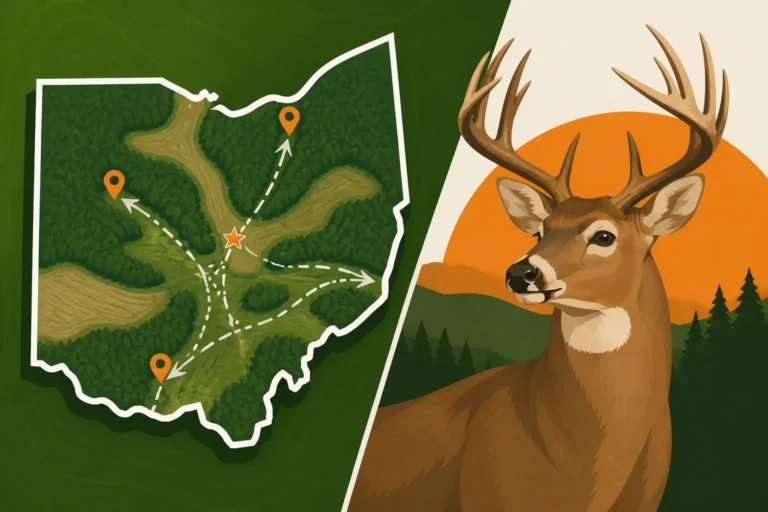
This lengthy period isn't one monotonous stretch; it's a dynamic journey marked by distinct phases of deer behavior. The early season, from late September through mid-October, sees deer focused heavily on food sources. Then comes the magical pre-rut and rut period, peaking usually around the first two weeks of November, where bucks become much more mobile and visible as they seek does. Finally, the late season, from December through early February, transitions into a bitter cold grind where survival dictates deer movement, making concentrated food sources and thermal cover key. Each of these segments demands a different approach, a different mindset, and often, different gear choices.
Why Ohio's Archery Season is Unique
Beyond its sheer length, Ohio's archery season stands out for several reasons. Firstly, the bag limits are often quite liberal, particularly for antlerless deer, through the use of Ohio Deer Management Permits. These permits allow hunters to harvest additional does, which is crucial for herd management and provides ample venison for the freezer. This flexibility means you're not just limited to one or two deer for five months; you can often fill multiple tags if you're strategic and successful.
Secondly, Ohio offers flexibility in weapon choice within the "archery" season. While vertical bows (compound and recurve) are traditional, crossbows are also fully legal for the entire archery season. This means hunters who prefer or need a crossbow due to physical limitations or personal preference can still participate fully from start to finish. This inclusive approach ensures more hunters can enjoy the woods. This is a huge advantage for many, and we've covered the nuances in our guide on Crossbow Versus Vertical Bow in Ohio. This flexibility contrasts sharply with states where crossbows are restricted to specific windows or require special permits, making Ohio a very welcoming state for a broad range of bowhunters.
Essential Gear for Ohio Bowhunters
Preparing for Ohio's long archery season means equipping yourself for a wide range of conditions and scenarios. From the heat of early fall to the biting cold of deep winter, your gear needs to be versatile, reliable, and tailored to the challenges you'll face.
Bows, Crossbows, and Broadheads
Choosing your primary weapon, be it a compound bow, recurve, or crossbow, is a deeply personal decision. Modern compound bows offer incredible speed and accuracy, often with a significant let-off that makes holding at full draw easier. Recurves, while more challenging, offer a traditional experience. Crossbows provide a rifle-like shooting experience with powerful results, and as mentioned, are legal for the entire archery season in Ohio. No matter your choice, consistent practice is paramount. You need to be intimately familiar with your bow's capabilities and limitations, especially regarding shot distance and trajectory.
Once you’ve chosen your bow, selecting the right broadheads is critical. Ohio’s whitetails are tough, and you want a broadhead that delivers maximum energy transfer and a clean, ethical kill.
- Fixed-blade broadheads are known for their strength and reliability, often preferred for their simplicity and robust construction. They require meticulous tuning to ensure they fly identically to your field points. Brands like Magnus, G5 Outdoors, and Wasp are popular choices.
- Mechanical broadheads (or expandable broadheads) offer a wider cutting diameter upon impact, often leading to larger wound channels and better blood trails. They typically fly more like field points, simplifying tuning. However, some hunters have concerns about their reliability in extreme angles or hitting heavy bone. Companies like Rage, NAP (New Archery Products), and Swat Archery offer excellent mechanical options.
The key is to select a broadhead that pairs well with your bow setup and that you have confidence in. Always practice with practice versions of your broadheads (if available) or ensure your bow is perfectly tuned so your chosen broadhead flies true.
Optics, Scent Control, and Safety Gear
Ohio's diverse terrain, from the dense hardwoods of the Appalachian foothills to the open agricultural fields of the northwest, demands good optics.
- Binoculars: An 8×42 or 10×42 pair of binoculars is essential for spotting deer at a distance, identifying antlerless animals, or even confirming a shot placement. In the thick timber of Wayne National Forest Hunting or Shawnee State Forest, you might favor an 8x for a wider field of view, while in open farm country, 10x could give you an edge. Brands like Vortex, Leupold, and Maven offer excellent quality at various price points.
- Rangefinder: A reliable rangefinder is non-negotiable for bowhunting. Knowing the exact distance to your target is crucial for accurate shot placement, especially with a bow's arcing trajectory. A rangefinder with angle compensation is a bonus for hunting hilly terrain.
- Scent Control: Deer rely heavily on their sense of smell. Ohio's variable winds and humidity make scent control a constant battle. This isn't just about cover sprays; it's a comprehensive approach. Wash your hunting clothes in scent-free detergent, store them in airtight containers, shower with scent-free soap, and pay attention to wind direction. Using ozone generators or carbon-lined clothing (like those from ScentLok or Scent Crusher) can also help, but nothing beats hunting the wind correctly.
- Safety Harness: Treestand hunting is incredibly effective in Ohio, but it carries inherent risks. A full-body safety harness is an absolute must, not an option. Always use one, attaching it to a safety line from the moment your feet leave the ground until they return. The Hunter Safety System (HSS) and Muddy Outdoors are well-regarded brands. Never take chances; a fall can be catastrophic.
Scouting and Recovery Tools
A successful hunt often begins long before you pull the trigger or release an arrow, and it's not over until the animal is recovered.
- Trail Cameras: These are invaluable scouting tools, helping you identify travel corridors, specific bucks, and patterns of movement. Strategically placing cameras on pinch points, funnels, or near food sources can save you countless hours of in-person scouting. Cellular trail cameras from brands like Exodus or Spartan offer real-time updates, which can be a game-changer when trying to pattern elusive deer. Remember to check local regulations on public land; some wildlife areas have restrictions on their use.
- GPS/Mapping Apps: Whether it's a dedicated GPS unit or a smartphone app like onX Hunt or GoHunt, having reliable mapping software is crucial. It helps you navigate public lands, mark stand locations, pinpoint deer sign, and track your route to and from your stand in the dark. These tools are indispensable for understanding property boundaries, especially when hunting close to private land, and for recovering game after the shot.
- Dragging Gear: A deer cart or a heavy-duty drag rope is essential, particularly if you hunt remote areas or steep terrain. While a successful shot is exhilarating, the work of retrieving your deer is often the most physically demanding part of the hunt. Consider a quality game bag to protect the meat, especially during warmer early season hunts or if you have a long drag.
Early Season Strategies: Capitalizing on Patterned Deer
The early archery season in Ohio, typically from late September through mid-October, offers some of the most predictable deer movement of the entire year. Deer are still largely in their summer patterns, heavily focused on food, and not yet influenced by the breeding cycle. This is your chance to capitalize on their routines.
Locating Early Season Food Sources
During the early season, deer are primarily concerned with putting on weight before the rut and winter. Their entire world revolves around food, making finding active and preferred food sources your number one priority.
- Acorns: If it's an oak mast year, acorns will be king. Whitetails will gorge themselves on acorns, especially white oak acorns, which are less tannic than red oaks. Scout oak ridges and creek bottoms for fresh acorn drop and deer sign like pawed-up leaves and fresh droppings. A stand placed near a heavy acorn drop that's relatively close to bedding cover can be deadly. However, remember that acorn availability can vary wildly year to year and even from ridge to ridge. If it's a poor mast year, deer will shift their focus.
- Soybeans and Alfalfa: In Ohio's agricultural regions, deer will consistently hit soybean fields until the beans harden or are harvested. Field edges, especially where a woodlot or thick cover meets a bean field, become high-traffic areas. Alfalfa fields also provide excellent forage throughout the early season. Identifying consistent entry and exit points along these fields is key. Often, deer will use the same trails religiously until pressure or a change in food availability shifts them.
- Browsing and Soft Mast: Don't overlook natural browse, particularly on public lands like state forests where ag fields are scarce. Young clear-cuts and areas with abundant forbs can hold deer. Also, look for soft mast like persimmons or wild apples, if they are present and dropping. These "honey holes" can attract deer for short periods before the fruit is gone. Sometimes, these lesser-known food sources are exactly where deer seek refuge from pressure around more obvious options.
Reading Deer Sign and Setting Up Ambushes
Once you've identified active food sources, it's time to find the travel routes deer are using to access them from their bedding areas. This is where meticulous scouting comes into play.
- Rub Lines and Scrapes: While rubs and scrapes are often associated with the rut, early season rubs, especially smaller ones, can indicate bucks are starting to mark their territory. Fresh scrapes, particularly those under licking branches, show active deer. However, during the early season, these aren't as reliable for predicting daylight movement as during the rut. Focus more on well-used trails connecting food to bedding.
- Entry/Exit Routes: Look for heavily worn trails leading into and out of food sources. Pay attention to how deer enter fields – often using ditches, fencerows, or creek bottoms for cover. The ideal stand location is often 20-40 yards inside the timber edge, or along a subtle terrain feature that funnels deer past your setup. Consider wind direction carefully for both your approach to the stand and the shot itself. Deer often enter fields just before dark and leave just after dawn, meaning you need to be in your stand well before legal shooting light.
- Thermal Hubs and Bedding Areas: Deer will bed in thick cover, often on north-facing slopes to catch cooler breezes in early fall, or in dense cedar thickets. Locate these bedding areas and then find the trails leading directly from them to your identified food sources. The closer you can get to bedding without disturbing deer, the better your chances for a shot at a buck still moving in daylight. Our guide on Treestand Setups in Appalachian Ohio Hardwoods offers specific advice for hunting hilly terrain.
Dealing with Warm Weather and Bug Pressure
Early season bowhunting in Ohio often means dealing with temperatures that can still climb into the 70s or even 80s, especially in September and early October. This presents unique challenges.
- Thermals: Warm air rises, and cool air sinks. In the mornings, as the sun warms the earth, thermals will rise uphill. In the evenings, as the air cools, thermals will sink downhill. Understanding this daily cycle is crucial for stand placement, particularly in the rolling hills of Southeast Ohio. A morning stand on a ridgetop might have your scent blowing down into a bedding area, while an evening stand in a valley could have your scent rising directly to where deer are moving.
- Scent Management: Warm weather amplifies scent. Sweat carries a potent odor. Focus even more intently on your scent control regimen. Light, breathable hunting clothing, multiple changes of clothes, and careful attention to your boots are all critical. Consider using a quality ozone unit to treat your clothing before heading out.
- Insect Repellent: Mosquitoes, gnats, and ticks can be relentless during the early season. Use a good insect repellent, preferably one that is scent-free or has a minimal scent profile, to avoid spooking deer. Permethrin-treated clothing can be very effective against ticks and mosquitoes. Don't let bug pressure compromise your hunt; an uncomfortable hunter is an unproductive hunter.
Hunting the Ohio Rut: Peak Action and Tactics
Ah, the rut! For many bowhunters, this is the most anticipated time of Ohio's archery season. From late October through mid-November, deer behavior undergoes a dramatic shift as the breeding season kicks into high gear. Bucks, usually secretive and nocturnal, become far more active and vulnerable as they seek out receptive does.
Pre-Rut Movement and Scrape Activity
The pre-rut, usually the last week of October into the first week of November, is a fantastic time to be in the woods. Bucks are starting to feel the urge, moving more in daylight, and actively laying down sign.
- Timing: This period sees a significant increase in rub and scrape activity. Bucks are becoming more aggressive, asserting dominance, and checking scrape lines frequently. This is when to be aggressive with your stand locations, targeting areas where bucks are actively cruising for does.
- Mock Scrapes: While natural scrapes can be hot, creating mock scrapes can draw in curious bucks. Locate an existing travel corridor or a transition zone between bedding and feeding, find a low-hanging branch (a "licking branch"), and refresh the ground below it. Use a deer urine or glandular scent (like Buck Bomb or Tink's) to add to the realism. Refreshing these regularly can keep bucks checking them.
- Calling: Light calling during the pre-rut can be effective. A few soft grunts or a subtle doe bleat can pique a buck's interest without overdoing it. Bucks are on the move and investigating, so don't be afraid to try a little vocalization, especially if you see a buck in the distance.
Mid-Rut Madness: Chasing and Cruising Bucks
The peak of the rut, typically the first two weeks of November, is characterized by intense buck activity. Bucks are actively chasing does, and their focus on food diminishes greatly in favor of breeding. This is when patience and persistence truly pay off. Ohio’s general advice for Hunting the Rut in Early November is to be in your stand as much as possible.
- Grunt Calls: Aggressive grunting can be very effective during the peak rut. Bucks are looking for does, and a deep grunt can sound like a rival buck or a hot doe. Try a series of 3-5 aggressive grunts, followed by a pause, then another series. If you see a buck cruising, hit him with a grunt to get his attention.
- Rattling: Mimicking the sound of two bucks fighting can draw in curious or aggressive bucks. Medium-volume rattling sequences, lasting 30-60 seconds, followed by 10-15 minutes of silence, can be productive. Be prepared for a buck to come in fast and silently.
- Decoys: Using a buck or doe decoy can be highly effective, especially in more open terrain. A buck decoy can challenge a dominant buck, while a doe decoy can draw in a cruising buck looking for a mate. Always position your decoy so the incoming buck approaches from a direction that favors your shot. Be mindful of public land etiquette and other hunters if using a decoy.
- All-Day Sits: Bucks can be on their feet at any time of day during the peak rut, chasing does relentlessly. If you can manage it, an all-day sit in a productive area significantly increases your chances. Pack plenty of snacks, water, and extra layers to stay comfortable and focused.
Post-Rut Lull and Recovery
After the peak rut, usually by mid-November into early December, there's often a "post-rut lull." Many does have been bred, and bucks are exhausted, often retreating to thick cover to recover and refuel. This can be a challenging time to hunt, but opportunities still exist.
- Food Sources: After the strenuous rut, bucks are depleted and will shift their focus back to high-energy food sources. This means returning to acorns (if any are left), agricultural fields, or late-season food plots. Your scouting should pivot back to identifying these crucial feeding areas.
- Bedding: Bucks will seek out secure, thick bedding areas where they can rest and recover without constant disturbance. Look for dense cedar thickets, brushy clear-cuts, or steep, unpressured ravines. Focus on hunting the fringes of these areas, catching bucks as they move to and from food.
- Patience: This period often requires more patience and persistence. Deer movement might not be as frantic as during the peak rut. Stick to your best food-to-bedding funnels, and be prepared to sit for longer periods, waiting for that one opportunity. Occasionally, a second rut (or "secondary rut") can occur in late November or early December, when unbred does come back into estrus, offering a brief resurgence of buck activity. Our article on Hunting the Late-Season Rut Lull delves deeper into these tactics.
Late Season Challenges and Opportunities
As Ohio's archery season pushes into December and January, the landscape transforms. The leaves are down, temperatures plummet, and snow often covers the ground. This late season presents its own set of unique challenges but also offers some incredible opportunities for determined bowhunters.
Adapting to Cold Weather and Snow
Hunting in deep winter requires a complete shift in strategy and gear. The elements become your biggest adversary, making comfort and preparation paramount.
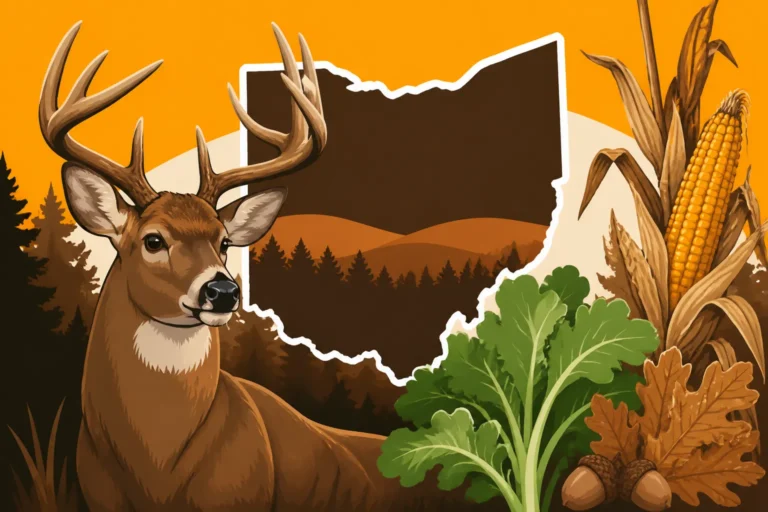
- Food Plots and Thermal Cover: With natural forage largely gone or buried under snow, deer become highly dependent on concentrated, high-calorie food sources. Standing corn, brassica plots (turnips, radishes), and leftover soybeans become magnets for deer. Similarly, thermal cover – thick evergreens like pines or cedars, or dense, brushy ravines – becomes vital for deer to escape the wind and cold. Focus your scouting and hunting efforts on the convergence of these two elements.
- Layering: Proper layering is non-negotiable for staying warm and still being able to shoot your bow effectively. Start with a moisture-wicking base layer (merino wool or synthetic), add an insulating mid-layer (fleece or down), and finish with a windproof, waterproof outer shell. Don't forget heavy socks, insulated boots, hand warmers, and a good facemask. Brands like Sitka, First Lite, and KUIU offer excellent layering systems designed for cold-weather hunting.
- Stand Access: Be extra mindful of your entry and exit routes. With snow on the ground, deer tracks become visible, and disturbing a bedding area can spook deer for days. Use natural features like creek beds or logging roads to mask your approach, and try to enter and exit without alerting deer. A quality mapping app like GoHunt can help you pinpoint these routes and avoid sensitive areas.
Focusing on Remaining Food Sources
Late season deer are truly in survival mode. Their metabolism is working overtime to stay warm, so they need consistent, high-energy food.
- Standing Corn and Brassicas: If farmers have left any standing corn, it will be an absolute deer magnet. The corn provides both food and security cover. Hunting the edges of these fields, or even setting up inside them if regulations allow, can be very effective. Similarly, brassica food plots, which sweeten after a hard frost, provide crucial nutrition.
- Browse and Cut-Overs: Don't underestimate the importance of browse. Even in winter, deer will nibble on twigs, buds, and residual green vegetation in protected areas. Fresh clear-cuts, with their dense regrowth of young saplings and briars, provide both food and excellent thermal cover. These can be prime areas for finding deer trying to stay warm and fed.
- Agricultural Residue: Even after harvest, agricultural fields can offer leftover scraps of corn, soybeans, or wheat. Deer will often pick these fields clean, especially during milder winter spells. Pay attention to fence lines and woodlot edges adjacent to these fields, as deer will often stage there before entering to feed. Our guide on Late-Season Food Sources for Ohio Whitetails dives deep into this topic.
Tackling Pressured Deer on Public Land
Late season public land hunting, particularly on popular areas like Shawnee State Forest Hunting or various Ohio Wildlife Areas, can be tough due to accumulated hunting pressure. Deer learn quickly.
- Deep Woods and Forgotten Corners: To find success, you often need to go where others won't. This means hiking deeper into public land, away from easy road access and established trails. Look for overlooked pockets of cover, steep ravines, or remote ridge systems that are difficult to access. These areas often provide sanctuary for older, wiser deer.
- Still-Hunting: In cold, snowy conditions, still-hunting can be very effective. Move slowly, taking a few steps then pausing for several minutes, scanning the woods ahead. Your movements should be deliberate, and your eyes should constantly search for horizontal lines (a deer's back) in a vertical world (trees). The crunch of snow underfoot can be an advantage, as deer expect to hear sounds in the woods.
- Finding Ground Others Walk Past: Many hunters stick to the obvious. The trick is to find those small, isolated woodlots or overlooked thickets that others dismiss. These "islands of cover" in a sea of agriculture can concentrate deer during the late season. Even small, seemingly insignificant parcels of public land can hold deer, especially if they offer good cover and proximity to a food source. Persistence and a willingness to explore are key.
Public Land vs. Private Land: Navigating Access
Ohio offers a mix of public and private hunting opportunities, each with its own advantages and challenges. Understanding how to best utilize both can significantly increase your success during the long archery season.
Maximizing Success on Ohio's Public Hunting Areas
Ohio boasts a respectable amount of public hunting land, from expansive national forests to numerous state wildlife areas. While these lands are open to everyone, they often come with higher hunting pressure.
- Wayne National Forest and State Forests: The Wayne National Forest, spread across several units in southeastern Ohio, offers vast tracts of timber, steep ridges, and rugged terrain. Similarly, state forests like Zaleski, Tar Hollow, and Shawnee provide excellent opportunities. These areas are ideal for those who enjoy challenging hunts and a wilderness experience. Success here often hinges on a willingness to hike far from access points, scout relentlessly, and adapt to changing deer patterns. Use mapping tools to identify remote areas and potential bedding locations. Our detailed guide on Scouting Ohio Public Land Before Season is invaluable for planning these hunts.
- Ohio Wildlife Areas: The Ohio Department of Natural Resources (ODNR) manages numerous wildlife areas across the state, ranging from small woodlots to extensive wetlands. These areas are often intensively managed for wildlife, providing food plots, diverse habitat, and water sources. Hunting pressure can be high, especially on weekends, so consider hunting during weekdays or focusing on less accessible sections. The ODNR website and their HuntFish Ohio mobile app are excellent resources for finding specific wildlife areas, understanding their rules, and viewing maps.
- Dealing with Pressure: On public land, expect company. To find unpressured deer, you often need to move deeper into the woods than most hunters, or hunt during off-peak times. Look for natural barriers like creeks, steep ravines, or dense thickets that deter other hunters. Sometimes, using a boat to access otherwise unreachable areas along rivers or larger lakes can put you on unpressured ground.
Securing Private Land Permission
Hunting private land often offers the advantage of lower pressure, better deer quality (depending on the property), and more control over your hunting experience. However, gaining access requires effort and good etiquette.
- Approach and Etiquette: The most common way to gain private land access is simply by asking. Identify properties with good habitat and approach landowners respectfully. Dress nicely, be polite, and have a clear, concise request. Offer to help with chores, share venison, or assist with nuisance animal control (like coyotes or groundhogs). Always respect their property, leave no trace, and follow all their rules meticulously. Building a relationship of trust is key.
- Hunting Leases: For more consistent access, some hunters opt for hunting leases. These involve paying a fee for exclusive hunting rights to a property for a season or year. Lease prices vary widely based on location, acreage, and deer quality. While it's a significant investment, a good lease can offer excellent opportunities and less competition. Websites and local real estate agents specializing in rural properties often list hunting leases.
- Small Private Tracts: Don't overlook smaller private tracts, even those near suburban areas. Many landowners with a few acres of woods might be open to bowhunters to help manage deer populations, especially if deer are causing property damage. These smaller parcels can be surprisingly productive, as deer often use them as safe havens from pressure on larger adjacent properties. Our article on Hunting Small Private Tracts in Ohio provides more tips for this often-overlooked opportunity.
Ohio Regulations and Ethical Considerations
Understanding and adhering to Ohio's hunting regulations is not just about staying legal; it's about responsible hunting and ensuring the future of our hunting heritage. The Ohio Department of Natural Resources (ODNR) sets the rules, and it's every hunter's responsibility to know them.
Licensing, Permits, and Checking Procedures
Before you even step foot in the woods, you need the proper documentation.
- Hunting License: Every hunter in Ohio needs a valid hunting license. Residents and non-residents have different pricing structures, and discounts are available for youth and seniors. You can purchase these online through the Wild Ohio Customer Center, at an authorized license vendor (like sporting goods stores), or by phone. Our guide to Ohio Resident Hunting License Options covers all the details.
- Deer Permits: In addition to a general hunting license, you'll need deer permits for each deer you intend to harvest. Ohio typically issues one "either-sex" deer permit (which can be used for an antlered or antlerless deer) and often allows for the purchase of multiple antlerless-only "Deer Management Permits," depending on the county and zone. Always verify the specific bag limits and permit types for the county you plan to hunt, as these can change annually.
- Checking and Reporting: Once you harvest a deer, it must be "checked in" or reported to the ODNR. This can be done online, via the HuntFish Ohio mobile app, or by phone. This critical step provides valuable data to wildlife biologists for managing the deer herd. You'll need your license and permit information, along with details about the deer (sex, county of kill, etc.). There's usually a deadline for checking in your deer, often within 24 hours of harvest.
Blaze Orange, Legal Hours, and Fair Chase
Beyond licenses, several regulations govern how and when you hunt in Ohio.
- Blaze Orange Requirements: During Ohio's firearms deer seasons (the two gun weekends and the muzzleloader season), all deer hunters (including archers) are required to wear a certain amount of hunter orange or hunter pink. This typically means a vest, jacket, or coveralls that are blaze orange or pink. Always check the current regulations for specific requirements. Even outside of gun season, wearing some blaze orange when walking to and from your stand, especially on public land, is a smart safety practice.
- Legal Shooting Hours: For deer, legal shooting hours are generally 30 minutes before sunrise to 30 minutes after sunset. This applies to both archery and firearms seasons. Hunting outside these hours is illegal and unsafe. Knowing these times precisely, perhaps by checking a local sunrise/sunset calculator or a hunting app, is crucial.
- Fair Chase: Ohio hunting regulations are built around the concept of "fair chase," ensuring an ethical and sporting pursuit of game. This prohibits certain practices, such as shooting from a vehicle (unless specifically allowed for disabled hunters with a permit), using artificial lights to spot or shoot game (except for certain predator hunting scenarios), or hunting within safety zones around occupied structures. Always ensure your hunting methods uphold the spirit of fair chase.
Comparing Early, Mid, and Late Season Bowhunting in Ohio
To help visualize the strategic shifts throughout Ohio's long archery season, here's a quick comparison of key factors:
| Feature | Early Season (Late Sept – Mid Oct) | Mid-Season/Rut (Late Oct – Nov) | Late Season (Dec – Early Feb) |
|---|---|---|---|
| Deer Focus | Food (acorns, soybeans, alfalfa, soft mast), establishing patterns | Breeding (chasing does, scrape/rub activity), seeking rivals | Survival (high-calorie food, thermal cover, energy conservation) |
| Weather | Warm to mild, can be buggy, variable winds | Cool to cold, frost common, crisp air | Cold, snow, ice, harsh winds, bitter temperatures |
| Buck Movement | Predictable, often dawn/dusk, near food and bedding | Erratic, all day, cruising, challenging, chasing | Dawn/dusk, near concentrated food & thick cover, often less visible |
| Key Tactics | Patterning food sources, precise stand placement, scent control | Aggressive calling/rattling, all-day sits, decoys, travel corridors | Focusing on food plots/heavy cover, deep woods, still-hunting, layering |
| Challenges | Heat, bugs, deer still largely nocturnal, early pressure | High hunter pressure, bucks hard to pattern consistently, exhaustion | Extreme cold, deep snow, less visible deer, few food sources |
| Opportunities | Catching deer in routine, targeting specific bucks | High chance of daylight buck movement, encountering new bucks | Filling late tags, less hunter competition on specific days, tracking |
Disclaimer
Please note that hunting regulations, season dates, and bag limits are subject to change by the Ohio Department of Natural Resources (ODNR). Always consult the official Ohio Hunting and Trapping Regulations booklet or the ODNR website before planning your hunt to ensure you have the most current and accurate information. This guide is for informational purposes only and should not replace official state resources.