Ohio Deer Antler Growth Timeline
If you've ever spent time glassing a field edge in early summer or poured over trail camera photos from a late-winter timber stand, you’ve probably found yourself utterly captivated by the antlers of Ohio’s white-tailed deer. It’s a truly fascinating biological process, often shrouded in a bit of mystery for many hunters. Understanding the precise timeline of antler growth in an Ohio buck, from tiny nubs to hardened bone and eventually their shed, can unlock a deeper appreciation for these magnificent animals and even refine your scouting strategies. This guide will walk you through the annual journey of antler development, explaining the science, the stages, and the key factors that shape the headgear we all admire.
The Annual Antler Cycle: From Bone Pedicle to Shed
The life of a buck's antlers is an incredible annual cycle of growth, hardening, and shedding. It’s a recurring phenomenon, driven by hormones and daylight, that begins anew each spring. Far from being permanent fixtures, antlers are truly deciduous, meaning they fall off and regrow completely every single year. This isn't just a simple growth spurt; it's a complex process that demands immense energy from the deer and signals significant changes in their physiological state throughout the year.
This entire cycle is primarily governed by the buck’s photoperiod, or the length of daylight hours, and the corresponding hormonal shifts that occur in response. As days lengthen in spring, a cascade of hormones triggers growth, and as days shorten in late summer and fall, another hormonal shift prepares the antlers for hardening and eventually, shedding. It's a natural rhythm that Ohio deer have perfected over millennia, intrinsically linked to their reproductive cycle and survival instincts.
Early Spring: The Budding Begins
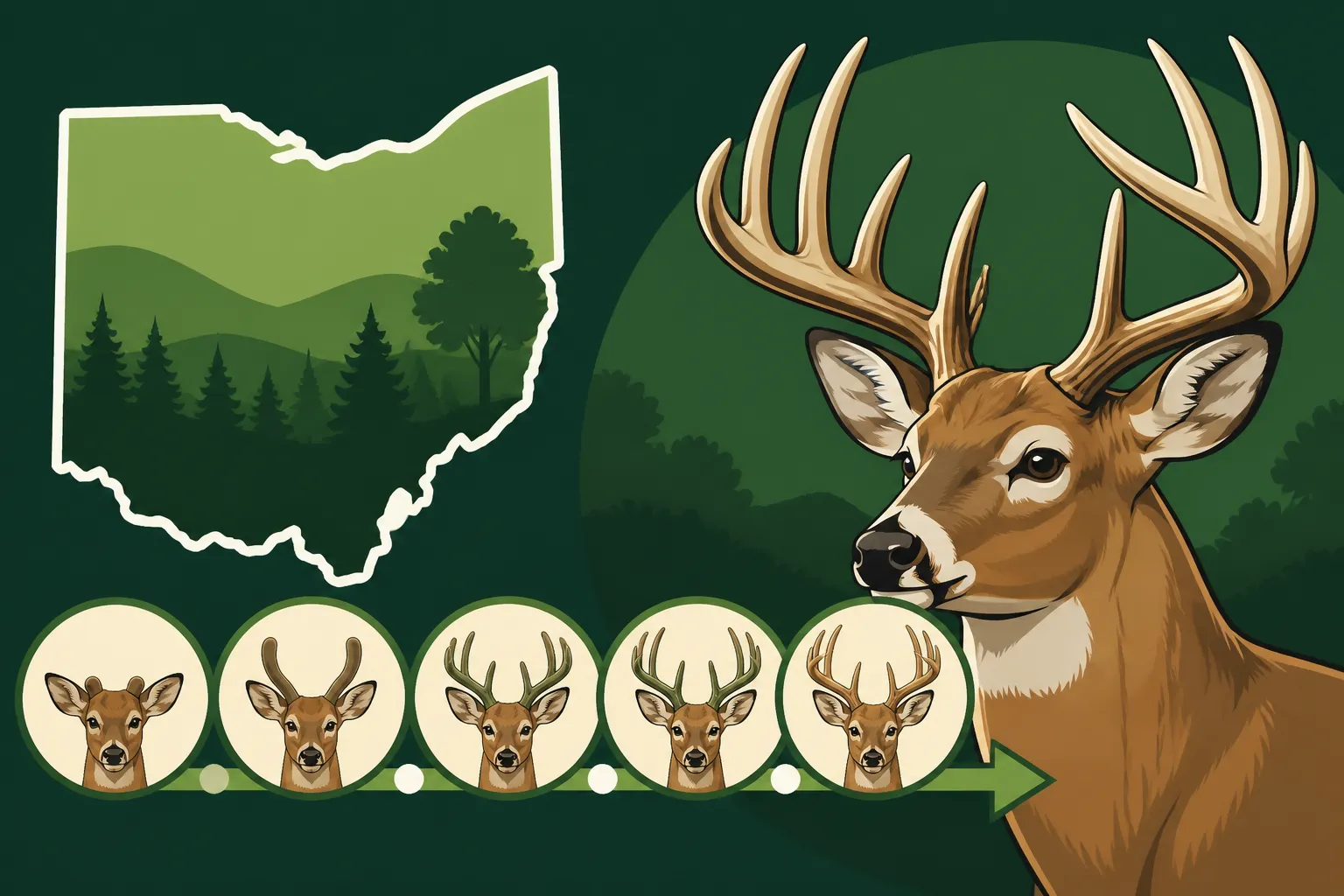
The moment an old set of antlers hits the ground, the clock essentially resets. While you might not see it, the pedicles – those bony bases on a buck's skull from which antlers grow – immediately begin preparing for the next season's growth. Typically, within a few weeks of shedding, usually around late March to early April here in Ohio, the initial nubs, or "buds," start to emerge. These aren't yet antlers in the way we recognize them; they're more like small, sensitive protuberances on the pedicle, signaling the start of the growth phase.
During this early stage, the growth is incredibly rapid. These buds are rich in blood vessels and nerve endings, covered by a specialized skin called velvet. This velvet provides the essential nutrients, minerals, and oxygen needed for the rapid bone formation that is about to occur. It's a period of intense cellular activity, and any injury to the velvet at this stage can lead to abnormal or deformed antler growth later in the year. Hunters using tools like the Scouting With the Ohio HuntFish App might start noticing slight nubs on bucks captured on early trail camera footage, a sure sign that the annual show has begun.
Summer: The Velvet Growth Explosion
As spring progresses into summer, the antlers enter their most impressive growth phase. From May through August, the velvet-covered antlers expand at an astonishing rate. This isn't just elongation; it's the development of mass, tines, and overall architecture that will define the buck's rack for the upcoming season. Imagine trying to grow a set of bones completely new, every year, at this speed – it truly is a marvel of nature.
The velvet covering remains throughout this period, protecting the soft, growing bone beneath. It gives the antlers a fuzzy, somewhat swollen appearance, and bucks are typically very protective of their velvet, often avoiding rubbing against trees or sparring with other bucks. This growth consumes a tremendous amount of energy and nutrients, primarily calcium and phosphorus, which are drawn from the buck's diet and, if necessary, from its skeletal reserves. A buck in velvet in August is a sight to behold, showcasing the full potential of its rack before it hardens. You can almost see them putting on inches and mass week by week, especially when you compare successive trail camera photos over the summer months.
Late Summer to Early Fall: Hardening and Polishing
As the days begin to shorten in late summer, usually around late August to early September in Ohio, a significant shift in hormone levels occurs. Specifically, a drop in prolactin and a surge in testosterone signal the end of the velvet growth phase. The blood flow to the antlers constricts, and the velvet, no longer receiving nourishment, begins to dry out and die. This is when bucks start the process of rubbing the velvet off.
This "polishing" process is crucial. Bucks will rub their antlers vigorously against saplings, brush, and small trees, not only to remove the itchy, decaying velvet but also to strengthen their neck muscles and mark their territory. What's revealed underneath is the hard, dense bone we recognize as a mature set of antlers. The color of the polished antlers can vary greatly, from almost white to dark chocolate brown, depending on the type of trees the buck rubs on and the tannins in the sap. This is a tell-tale sign that hunting season is right around the corner and a buck is ready for the rigors of the rut. This period also often coincides with hunters checking Ohio Deer Harvest Records from previous years, hoping for clues about what kind of bucks might be carrying impressive headgear in their area.
Late Fall and Winter: Carrying the Rack
Once the velvet is completely shed and the antlers are hardened, they serve multiple purposes throughout the fall and early winter. Primarily, they are used for dominance displays among other bucks and for sparring during the rut. A larger, more impressive rack can signal a buck's health and genetic superiority, helping him attract does. This is the period when most hunters are actively in the woods, hoping to catch a glimpse of an impressive buck.
During peak rut, usually in early to mid-November, antlers are a buck's primary tool for establishing hierarchy and competing for breeding rights. They will use them to push, shove, and occasionally fight, though serious injuries are less common than many might assume. The antlers remain firmly attached to the pedicles during this entire period. The condition of the rack, whether it's broken tines from a fight or chewed-on bases from rodents after a shed, tells a story of the buck's experiences through the season. You'll hear plenty of stories about Hunting the Rut in Early November from hunters who witnessed these antlered battles firsthand.
Factors Influencing Antler Size and Quality
While the general timeline of antler growth is consistent, the actual size and quality of a buck’s antlers can vary dramatically. It’s not simply a matter of age; a complex interplay of genetics, nutrition, and environmental conditions all contribute to the final product. Understanding these factors can help us appreciate the individual bucks we encounter and the habitats they thrive in.
The Role of Genetics
Genetics play a fundamental role in determining a buck's antler potential. Just like in humans, certain traits are passed down from parents to offspring. If a buck comes from a lineage of deer known for producing large racks with many points, he has a higher probability of doing the same, provided other conditions are met. However, it's not a simple one-to-one inheritance. It's a polygenic trait, meaning many different genes contribute to the overall expression of antler size and shape.
While we can't control the genetics of wild deer populations, savvy land managers on private parcels often consider this when making harvest decisions, sometimes focusing on allowing bucks with superior genetics to pass on their traits. For public land hunters, it means that even in the same woodlot, you might find bucks with vastly different antler expressions due to their genetic lineage. Many hunters rely on platforms like GoHunt for data and insights that might hint at local genetic trends, though direct genetic tracking in wild populations is largely impractical for the average hunter.
Nutrition and Habitat Quality
Nutrition is arguably the most significant environmental factor influencing antler growth. Antlers are primarily bone, made up of protein and minerals, especially calcium and phosphorus. If a buck's diet is lacking in these essential components, or if he's under nutritional stress from other factors, his antler growth will suffer. This is why you often see larger-racked deer in areas with rich agricultural fields or diverse forest habitats offering abundant browse and mast crops.
Consider a buck living in a region with poor soil quality and limited food sources, especially during the critical spring and summer growing season. That buck, regardless of his genetic potential, will likely produce smaller antlers than a genetically similar buck living in a lush Ohio River Valley agricultural area with abundant soybeans, corn, and diverse forage. Late-Season Food Sources for Ohio Whitetails are critical for maintaining body condition, which in turn impacts antler growth the following year. A harsh winter or a widespread disease event, like a major EHD outbreak EHD Die-Offs in Ohio Deer, can also severely impact a buck's health and subsequent antler development.
Age: The Ultimate Antler Builder
While genetics and nutrition set the stage, age is the factor that truly allows a buck to express his full antler potential. Bucks, like all animals, need time to mature physically. A young buck, say a 1.5 or 2.5-year-old, is still putting much of his energy into body growth, muscle development, and simply surviving. This leaves less energy and fewer nutrients available for maximum antler growth.
A buck typically doesn't reach his prime antler size until he is 4.5, 5.5, or even 6.5 years old. During these years, his body growth has slowed, allowing more resources to be diverted to producing larger, denser, and more complex antlers. This is why many hunters adhere to quality deer management practices, choosing to pass on younger bucks to allow them to mature. It's a long game, but the reward is often a truly magnificent animal. Understanding Ohio Buck Age Structure is key for hunters aiming for older, more mature deer, as it reveals the prevalence of these prime-aged bucks in different regions of the state.
Tracking Antler Development: What Hunters Should Look For
For Ohio hunters, understanding the antler growth timeline isn't just academic; it offers practical insights that can inform scouting, hunting strategies, and even aid in making ethical harvest decisions. Observing a buck's antlers throughout the year tells a story about its health, age, and potential.
Reading the Rack Throughout the Seasons
From late spring to fall, keeping an eye on antler development provides clues about the deer you're pursuing. In May and June, you might see small, club-like nubs that are just starting to push. By July, those nubs have elongated, and you might start to see the beginnings of brow tines or G2s. August is often when you get the clearest picture of a buck's potential for the season, with antlers nearing their full length, though still covered in velvet.
Once velvet is shed in early September, the hard antlers are visible, and you can assess the width, mass, and number of points. This information, combined with observations of body size and behavior, can help you age a buck on the hoof. Many deer management programs encourage hunters to pass on younger bucks to allow them to reach their genetic potential, a concept sometimes tied to discussions around Ohio Deer Antler Restrictions Debate. A buck with a small, spindly rack in its prime might indicate poor habitat or health issues, whereas a truly impressive rack speaks volumes about its environment and physical condition.
| Antler Growth Stage | Typical Ohio Months | Key Characteristics | Hunter Observations |
|---|---|---|---|
| Shedding Old Rack | Late Jan – Mid-Apr | Old antlers fall off pedicles | Finding sheds, nubs visible on skull if seen up close |
| Budding Growth | Late Mar – May | Small, fuzzy nubs begin to emerge from pedicles | Barely visible nubs on trail camera, sensitive to touch |
| Velvet Growth | May – Aug | Rapid growth of tines and mass, covered in blood-rich velvet | Fuzzy, soft appearance; bucks avoid rubbing; potential for significant changes week-to-week |
| Velvet Shedding/Hardening | Late Aug – Early Sep | Velvet dries and is rubbed off, antlers harden to bone | Bucks actively rubbing trees, distinct hard bone revealed; increase in scrapes and rubs |
| Hardened Rack | Sep – Jan | Antlers are hard, bone; used for sparring and dominance | Visible, polished antlers; peak rut activity; antlers may break from fighting |
Impact of Stress on Antler Development
It's important to remember that antler growth is an indicator of a buck's overall health and well-being. Any significant stressor – be it disease, injury, prolonged drought, or even intense hunting pressure – can divert energy away from antler development. For instance, a buck that suffers a severe leg injury during the summer might put more energy into healing than into growing a large rack, resulting in a smaller or even deformed antler that year.
Similarly, an area with a high Ohio Deer Herd Size relative to its carrying capacity can lead to nutritional stress for all deer, impacting antler growth across the board. The body prioritizes survival over producing impressive headgear. This is why healthy habitats, providing consistent and quality forage, are so crucial for growing big deer. Hunters often use tools like the Ohio HuntFish App not just for boundaries, but also to explore habitat types and potential food sources that contribute to healthier deer populations.
What Happens When Ohio Bucks Shed Antlers?
The antler shedding process itself is a natural, cyclical event that often happens quietly and unnoticed by most. After the breeding season, testosterone levels in bucks begin to decline. This drop in testosterone leads to a weakening of the connection between the antler and the pedicle. A layer of cells, called the abscission layer, forms, causing the antler to eventually detach and fall off.
When Ohio bucks shed antlers, it typically occurs from late January through early April, though some bucks may shed earlier or later depending on individual health, age, and environmental factors. Older, healthier bucks tend to shed earlier than younger or stressed bucks. Once shed, the antlers become a valuable source of calcium and other minerals for rodents and other wildlife, which gnaw on them, helping to recycle these nutrients back into the ecosystem. Finding these sheds is a rewarding pastime for many, offering a tangible link to the magnificent animals that roamed the woods during the previous hunting season.
Disclaimer
This article is for general informational purposes only and does not constitute professional advice. Laws, prices and regulations vary by location and change over time. Consult a qualified professional for guidance on your specific situation.