Ohio Wildlife Disease Monitoring
There's nothing quite as disheartening as encountering sick or strangely behaving wildlife in the woods, or hearing about diseases that could impact the health of the very animals we cherish and hunt. It brings up a lot of questions about the future of our hunting heritage and the well-being of Ohio's diverse game populations. This guide is here to walk you through Ohio's comprehensive wildlife disease monitoring efforts, explaining what diseases are on the radar, how they're being tracked, and most importantly, how we, as hunters and conservationists, can play a crucial role in safeguarding our wildlife for generations to come.
Understanding Wildlife Diseases in Ohio
Wildlife diseases are a natural, albeit often concerning, part of any ecosystem. Just like humans, animals can get sick, and these illnesses can sometimes have significant impacts on populations, especially when new diseases emerge or existing ones spread rapidly. For hunters in Ohio, understanding these diseases isn't just about curiosity; it's about being informed and responsible stewards of the land and its creatures. The Ohio Department of Natural Resources (ODNR) works tirelessly to track and manage these health concerns, and our active participation makes a real difference.
Common Diseases Affecting Ohio Wildlife
Ohio's wildlife faces several disease challenges, each with its own unique characteristics and potential impacts. While some are more prevalent than others, it's crucial to be aware of the signs.
Chronic Wasting Disease (CWD) is perhaps the most talked-about and feared among deer hunters. It's a progressive, fatal neurological disease affecting deer, elk, and moose. CWD is caused by abnormal proteins called prions that slowly destroy brain tissue, leading to emaciation, abnormal behavior, loss of bodily functions, and ultimately death. What makes CWD particularly concerning is its persistence in the environment and the fact that there is no known cure or vaccine. It's a slow-moving but devastating threat to our deer herd. If you're hunting in or around the Ohio's Chronic Wasting Disease Surveillance Area, you're likely already familiar with the heightened monitoring efforts.
Epizootic Hemorrhagic Disease (EHD) is another significant concern for white-tailed deer. Unlike CWD, EHD is caused by a virus transmitted by biting midges, often called "no-see-ums." This disease usually flares up in late summer and early fall, particularly during drought conditions, leading to large die-offs in localized areas. Deer infected with EHD often develop high fevers, swelling of the head, neck, and tongue, and internal hemorrhaging. You might find deer near water sources as they try to cool down from the fever. While EHD can be devastating in the short term for local deer populations, it typically doesn't persist like CWD, and deer that survive exposure can develop immunity. We've seen EHD Die-Offs in Ohio Deer in various places over the years, and while tragic, the herd often rebounds.
Avian Influenza, or bird flu, primarily affects waterfowl and other bird species. While it doesn't often impact game bird populations to the same extent as EHD impacts deer, outbreaks can cause localized die-offs, especially in concentrated populations. Waterfowl hunters might encounter sick or dead birds during migration, and it's important to know how to handle them safely. Avian Influenza in Ohio Birds has been a concern globally, and monitoring our migratory bird populations helps track its presence.
Mange is a skin disease caused by mites, commonly seen in canids like coyotes and foxes. While not typically fatal on its own, severe mange can weaken an animal, making it more susceptible to other diseases, predation, or harsh weather. You might spot animals with significant hair loss, especially around the face and tail, and crusty skin. It's a visual cue that wildlife health isn't always perfect, and Mange in Ohio Coyotes and Foxes is something wildlife biologists keep an eye on.
The Spread and Transmission of Wildlife Diseases
Understanding how these diseases spread is key to preventing their further transmission and minimizing their impact. For CWD, transmission occurs through direct contact between animals, or indirectly through contaminated environments (soil, plants, water) with infected saliva, urine, feces, or carcasses. This is why strict regulations on carcass movement and disposal are so critical, especially when hunting outside the Disease Surveillance Area. The prions are incredibly resilient and can remain infectious in the environment for years, making CWD a long-term management challenge.
EHD, as mentioned, is transmitted by biting midges. This means its spread is heavily dependent on the midge population, which thrives in warm, wet conditions. The virus does not spread directly from deer to deer or from deer to humans. Once the first hard frost kills off the midges, the transmission cycle ends for the season, which is why outbreaks typically subside in the late fall.
Avian Influenza spreads through direct contact with infected birds, or through contaminated surfaces and water. Migratory waterfowl can carry the virus over long distances without showing symptoms, potentially introducing it to new areas. This makes monitoring bird populations and reporting unusual bird deaths vital for tracking its movement.
Mange mites spread through direct contact with an infected animal or shared bedding areas. It's more common when animal populations are dense, leading to increased contact. While humans can get a temporary, irritating skin rash from some types of mange mites, the mites that cause severe mange in wild canids typically don't establish long-term infections in people.
Ohio's Disease Monitoring Programs
The Ohio Department of Natural Resources (ODNR) takes wildlife disease monitoring very seriously. They understand that healthy wildlife populations are fundamental to Ohio's ecological balance and our hunting traditions. Their approach is multi-faceted, combining active surveillance, public reporting, and strategic management actions.
ODNR's Role in Surveillance and Management
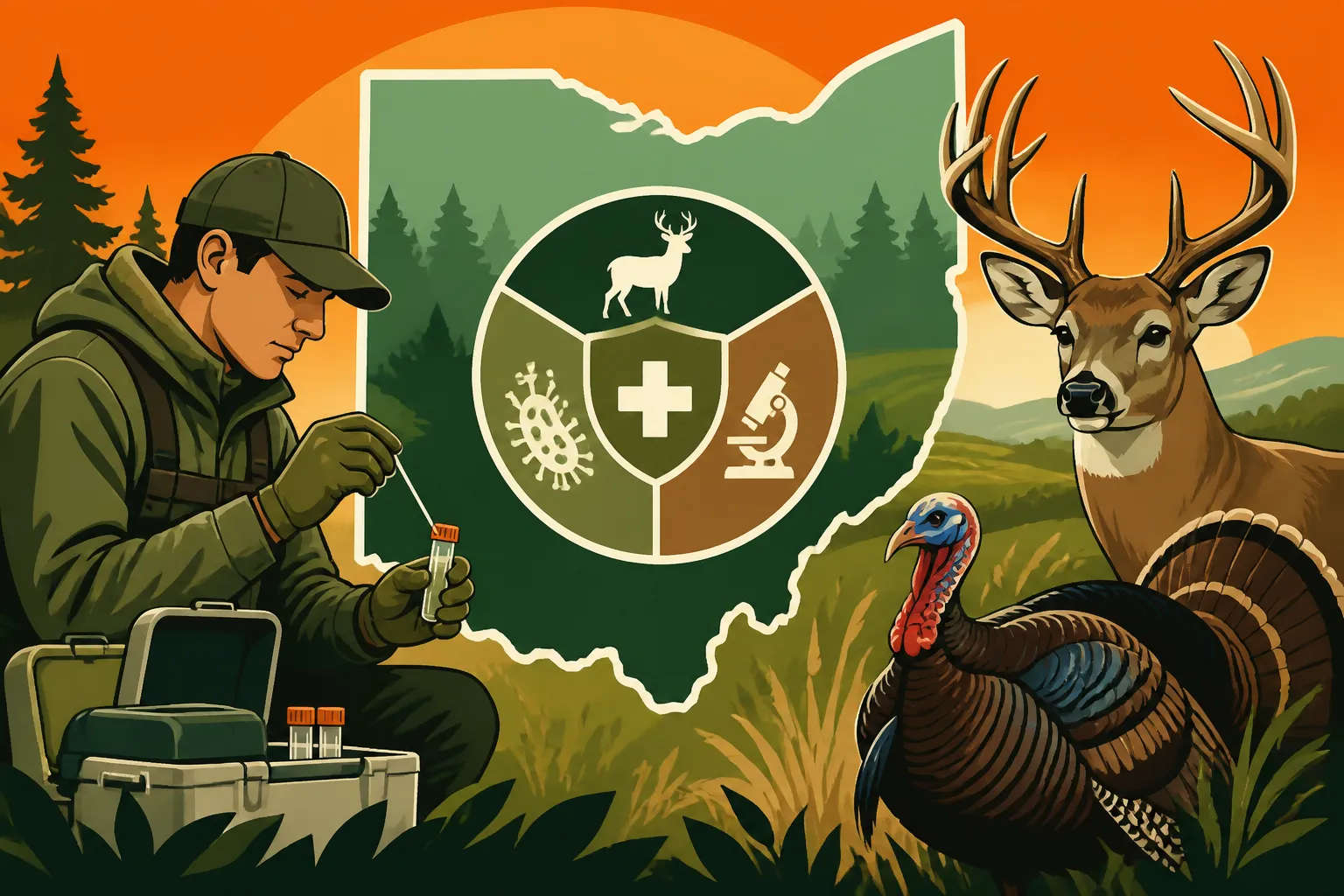
The ODNR Division of Wildlife employs a team of wildlife veterinarians and biologists dedicated to monitoring the health of Ohio's game and non-game species. They conduct regular surveillance activities, collect samples from harvested animals, investigate reports of sick or dead wildlife, and collaborate with state and federal agencies and universities on research. Their work involves everything from necropsies (animal autopsies) to analyzing tissue samples in specialized labs to detect pathogens.
This proactive approach allows them to identify emerging threats early, understand disease prevalence, and implement management strategies to mitigate impacts. For instance, the ODNR has a robust system for tracking How Many Deer Have Tested CWD-Positive in Ohio, which directly informs their management decisions in affected regions. They are constantly evaluating data from check stations, public reports, and targeted sampling efforts to get the clearest picture of disease dynamics across the state.
Mandatory Testing and Surveillance Areas
When it comes to CWD, the ODNR has established specific protocols to contain and manage the disease, particularly within the Chronic Wasting Disease Surveillance Area (DSA). This area, which includes counties where CWD has been detected or is deemed at high risk, has stricter rules designed to prevent the disease from spreading further.
Hunters harvesting deer within the DSA are required to submit their deer for CWD testing during specific periods. These mandatory testing windows in the DSA typically coincide with the opening weekends of the gun deer seasons, when hunter harvest is highest, allowing for a significant number of samples to be collected efficiently. You'll find specific Ohio CWD Sampling Station Locations and self-serve kiosks set up during these times to make it as convenient as possible for hunters to comply. This mandatory testing is not just about compliance; it's a critical tool for ODNR to accurately assess the prevalence and geographic spread of CWD. The data gathered helps inform everything from future season dates to specific herd management strategies. It's a vital contribution from every hunter in those zones.
How Hunters Can Help in Disease Surveillance
As hunters, we are often the first line of defense and the most frequent observers of wildlife in their natural habitats. Our eyes and ears on the ground are invaluable to ODNR's disease monitoring efforts. Active participation and responsible practices are key to protecting Ohio's wildlife.
Reporting Sick or Dead Animals
One of the most direct and impactful ways hunters can help is by promptly Reporting a Sick Animal in Ohio. If you observe an animal that appears sick, is behaving abnormally (e.g., extremely lethargic, stumbling, emaciated, showing neurological signs like head-tilting), or you find an unexplained cluster of dead animals, it's crucial to report it to the ODNR. They have specific channels for these reports, often through their website or district offices. Provide as much detail as possible, including the exact location, the species involved, and the symptoms observed. If you're using a mapping application like GoHunt to track your movements or mark scouting locations, you can use it to pinpoint the exact coordinates of your observation, which is incredibly helpful for biologists trying to investigate. This precise location data ensures that wildlife professionals can quickly respond and investigate, potentially preventing further spread if it's an infectious disease.
Proper Carcass Disposal and Handling
The way we handle and dispose of deer carcasses after a harvest is paramount, especially in areas with CWD concerns. Incorrect disposal can inadvertently spread diseases like CWD, as prions can persist in the soil for extended periods.
If you harvest a deer, particularly in or near a DSA county, be mindful of Ohio Carcass Movement Restrictions. There are specific rules about what parts of a deer carcass can be transported out of a DSA. Generally, only deboned meat, antlers (without brain tissue), hides (without spinal tissue), and clean skulls (without brain tissue) are allowed to leave the area. The remaining carcass parts (brain, spinal cord, lymph nodes) should be disposed of in a landfill or buried on private property where allowed. Never dump carcasses in public areas or along roadsides. This simple act of responsible disposal is a huge step in preventing the spread of disease. It's also vital to practice safe handling procedures when field dressing, especially in warmer weather. Handling Venison From a DSA County Safely is about more than just disease prevention; it's about good meat hygiene and ensuring a quality table experience.
Participating in Check Stations and Kiosks
During hunting seasons, especially gun deer season, ODNR operates check stations and self-serve kiosks across the state. These stations are not just for legally checking in your harvest; they are critical data collection points for wildlife health monitoring. Biologists often staff these locations, collecting tissue samples (like lymph nodes) for CWD testing or other disease surveillance.
Your willingness to participate, even if it means a little extra time, provides invaluable data that helps track disease prevalence and spread. When you submit your deer head at a sampling kiosk, you're directly contributing to a larger picture of herd health. This data directly impacts management decisions and helps ensure the long-term sustainability of Ohio's deer herd. Think of it as your civic duty as a hunter and conservationist; it’s a tangible way to give back to the resource you enjoy.
Impact of Diseases on Hunting and Wildlife
The presence and spread of wildlife diseases have far-reaching consequences, affecting not only the animals themselves but also the hunting opportunities we cherish and the delicate balance of Ohio's ecosystems. Understanding these impacts helps underscore the importance of vigilant monitoring and proactive management.
Effects on Game Populations and Hunter Harvest
Diseases like CWD and EHD can directly reduce deer populations. While EHD typically causes acute, localized die-offs, CWD presents a more insidious, long-term threat by slowly eroding the overall health and reproductive success of a deer herd over time. A decline in herd health and numbers can translate directly into fewer opportunities for hunters. Lower deer densities in affected areas may lead to more difficult hunting seasons, potentially impacting hunter satisfaction and participation. When population numbers are down, the ODNR might also adjust bag limits or season structures to help the herd recover, which directly affects hunter harvest. Looking at historical data like Ohio Deer Harvest Records can sometimes reveal patterns related to disease outbreaks, though many factors contribute to annual harvest numbers.
It's not just deer. Avian influenza outbreaks, while often localized, can impact waterfowl and wild turkey populations. While turkeys are generally robust, a widespread, highly pathogenic strain could theoretically affect their numbers, influencing Ohio Spring Turkey Bag Limit or even season dates if severe enough. The goal of monitoring is to prevent such widespread impacts from becoming a reality.
Long-Term Implications for Ecosystem Health
Beyond the immediate impact on game populations and hunting, wildlife diseases can have broader, long-term implications for the entire ecosystem. Healthy wildlife populations are integral to a balanced environment. When disease weakens a species, it can disrupt food chains, alter plant communities, and impact the health of other animals that interact with the affected species.
For example, a significant decline in deer due to CWD could lead to changes in forest regeneration patterns, as fewer deer would browse on understory vegetation. Similarly, widespread avian disease could impact predator populations that rely on birds for food. ODNR’s ongoing Ohio Wildlife Disease Monitoring is designed not just to track individual illnesses, but to understand these complex ecological interactions. It’s about ensuring that Ohio's natural heritage remains vibrant and resilient in the face of these challenges, a goal that every hunter shares. The data from monitoring efforts helps biologists make informed decisions to preserve biodiversity and ecological integrity. By continually assessing disease prevalence and implementing adaptive management strategies, ODNR aims to minimize long-term ecological damage and protect the foundational health of Ohio’s wild places.
| Disease | Affected Species | Common Symptoms | Hunter Actions |
|---|---|---|---|
| Chronic Wasting Disease (CWD) | White-tailed Deer, Elk, Moose | Emaciation, lethargy, abnormal behavior, drooling, neurological signs | Report sick animals, mandatory testing in DSA, proper carcass disposal, Ohio Carcass Movement Restrictions |
| Epizootic Hemorrhagic Disease (EHD) | White-tailed Deer | Fever, swelling (head/neck/tongue), internal hemorrhaging, often found near water, sudden death | Report sick/dead animals, especially clusters, no direct prevention |
| Avian Influenza | Waterfowl, various bird species | Respiratory distress, neurological signs, sudden death, lethargy | Report sick/dead birds, avoid contact with sick birds, cook game meat thoroughly |
| Mange | Coyotes, Foxes, other canids | Hair loss, crusty skin, scratching, weakness | Report severely affected animals, may indicate localized population stress |
Disclaimer
This article is for general informational purposes only and does not constitute professional advice. Laws, prices and regulations vary by location and change over time. Consult a qualified professional for guidance on your specific situation.