Deer Meat Yield From an Ohio Buck
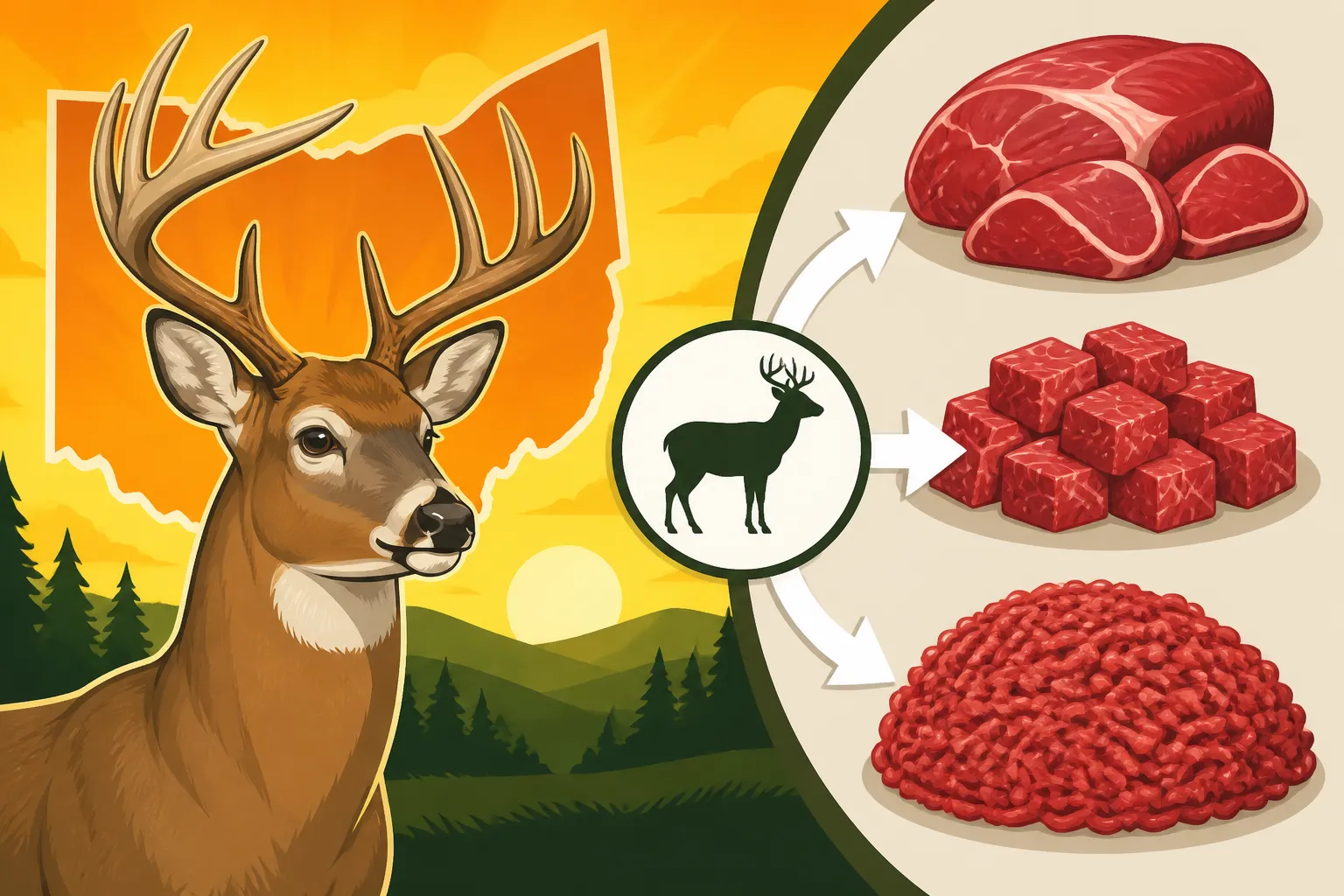
One of the most satisfying parts of a successful Ohio deer hunt is the promise of delicious venison for the table. But many hunters, especially those new to the woods or just curious, often wonder exactly how much meat they can expect to get from a buck once all the processing is done. It's a question that can lead to frustration when the freezer doesn't seem quite as full as anticipated, and understanding the factors involved can help manage expectations and even increase your yield. This guide will walk you through the realistic meat yield from an Ohio buck, explaining the various stages and factors that influence how much venison ends up in your kitchen.
Factors Influencing Deer Meat Yield
When you drop an Ohio buck, you're not going to get 100% of its live weight back in boneless venison. There are several crucial factors that dictate how much actual meat you'll harvest, and being aware of these can significantly impact your expectations and even your field strategies. From the deer's own biology to how it's handled after the shot, every step plays a role.
Age and Body Condition of the Buck
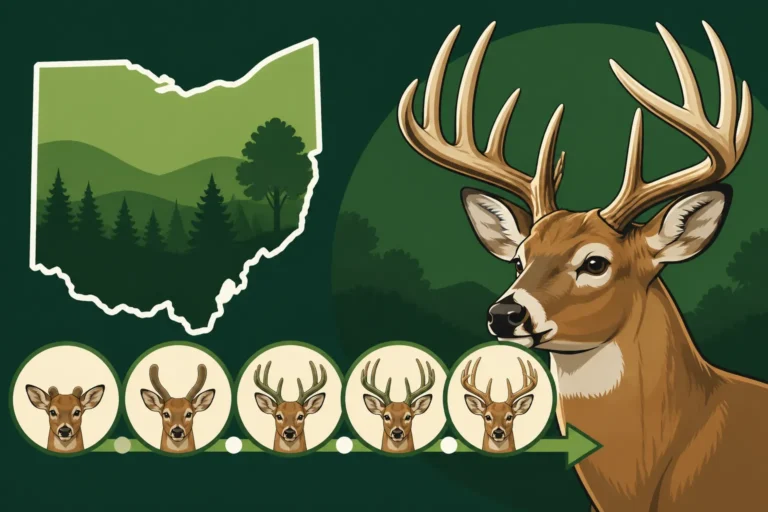
A young, yearling buck, while often tender, simply doesn't have the muscle mass of a mature, 3.5-year-old or older animal. Think of it like a human athlete versus a teenager; the mature animal has developed stronger, denser muscles. An older buck that has survived multiple hunting seasons and thrived on good nutrition, perhaps found in the rich farmlands of Northwest Ohio, will naturally yield more meat than a scrawny youngster or a buck that's been run hard during the rut and is physically depleted. You can often see this difference just by looking at the thickness of their neck and hindquarters.
Beyond age, the general body condition of the deer is paramount. A buck that has access to abundant, high-quality food sources – like acorns, agricultural crops, and lush browse – will carry more fat and muscle. Conversely, a buck from an area with poor forage, or one that's been severely stressed by disease or an intense breeding season, will have a lower meat-to-bone ratio. This is why scouting for healthy deer sign and knowing the local habitat quality, perhaps aided by tools like the GoHunt app to pinpoint prime food sources, can indirectly lead to a better meat yield.
Field Dressing and Processing Methods
The initial field dressing immediately reduces the total weight by removing internal organs, which can account for a significant percentage of the deer's live weight. How thoroughly you field dress also matters. Are you removing just the gut pile, or are you also taking out the windpipe and esophagus? The more you remove in the field, the lighter the deer will be when you drag it out, and the higher the percentage of its remaining weight will be actual meat. Speed and cleanliness in this process are vital for meat quality, too. A quick, clean job helps prevent contamination and allows the carcass to cool faster, leading to better-tasting venison and reducing the amount of trim needed due to spoilage.
Once the deer is out of the woods, the processing method takes center stage. A home butcher might be meticulously careful, maximizing every ounce of meat, even grinding up small scraps for burger. A commercial processor, while efficient, may have a standard method that results in more trimming, especially of fat, connective tissue, and areas impacted by the shot. Whether you choose boneless cuts or bone-in roasts will also influence the "yield" weight, though boneless is generally what most hunters mean when discussing meat yield. The "gutless method" of field dressing, where you bone out the animal in the field, for example, is designed specifically to maximize boneless meat yield while minimizing carry weight, especially when you're hunting deep in areas like the Wayne National Forest.
Estimating Live Weight to Dressed Weight
Understanding the difference between live weight and dressed weight is crucial for realistic expectations. When someone says they shot a "180-pound buck," they're almost always referring to its live weight. The actual amount of usable venison will be significantly less.
What is Dressed Weight?
Dressed weight, often called "field-dressed weight," refers to the deer's weight after the internal organs have been removed. This typically means the stomach, intestines, liver, heart, and lungs are gone. In some cases, the bladder and kidneys might also be removed. This initial step immediately reduces the carcass weight by approximately 20-30% of the live weight. So, that "180-pound live weight buck" is probably closer to 125-145 pounds field-dressed. The term "dressed weight" can sometimes be further refined to "skinned and de-boned weight," which is an even lower figure that represents the actual boneless meat. However, for most purposes, when hunters talk about "dressed weight" they mean field-dressed with organs removed, but hide, head, and lower legs still attached.
The exact percentage reduction depends on the deer's gut fill and the thoroughness of the field dressing. A buck that has just fed heavily will have a higher gut-fill percentage, meaning its field-dressed weight will be a larger percentage of its gut-filled live weight. This is why precise weight estimates are always approximations. The most reliable way to get an accurate dressed weight is to weigh the animal after a complete field dress and ideally after removing the lower legs (at the knee/hock) and the head, as these also contribute significant weight but no edible meat.
Calculating Boneless Meat Yield from Dressed Weight
Once you have the dressed weight (field-dressed with organs removed), you can make a more accurate estimation of the boneless meat yield. Generally, the boneless, edible meat will typically be about 50-70% of the dressed weight. This percentage varies due to bone structure, the amount of fat and gristle trimmed away, and the processor's efficiency. For example, a heavy-boned, old buck might yield a slightly lower percentage than a younger, more muscular deer of similar dressed weight.
Consider a 180-pound live weight buck.
- Live Weight: 180 lbs
- Dressed Weight (approx. 25% reduction): 180 lbs * 0.75 = 135 lbs
- Boneless Meat Yield (approx. 60% of dressed weight): 135 lbs * 0.60 = 81 lbs
So, our 180-pound live weight buck might realistically yield around 70-90 pounds of boneless venison. This is the figure that often surprises hunters who only consider the initial live weight. Many factors, like shot placement and how much meat is lost to damaged tissue, can also reduce this final number. A shoulder shot, while effective, might ruin a good portion of a front quarter.
Typical Meat Yields from an Ohio Buck
Ohio bucks, like deer everywhere, vary greatly in size and therefore in the amount of meat they provide. We've got big-bodied deer roaming the agricultural fields of Northwest Ohio, and leaner, but often older, bucks picking through the rugged terrain of the Appalachian foothills. Understanding these typical yields can help you anticipate how much venison you'll be putting in your freezer.
Yields from Average-Sized Ohio Bucks
An average mature Ohio buck might have a live weight anywhere from 150 to 200 pounds, though plenty are smaller, especially young deer. For a buck in this range, you can generally expect a boneless meat yield of:
- 1.5-year-old buck (yearling): Live weight often 100-130 lbs. Expect 40-60 lbs of boneless venison. These younger deer are incredibly tender and provide excellent meat, though in smaller quantities.
- 2.5-year-old buck: Live weight often 130-160 lbs. Expect 55-75 lbs of boneless venison. This is a common age class for harvested bucks and provides a good balance of quantity and quality.
- 3.5-year-old and older mature buck: Live weight often 160-200+ lbs. Expect 70-100+ lbs of boneless venison. These are the big-bodied deer that really fill a freezer, especially if taken before the physical drain of the peak rut.
These numbers are, of course, approximations. A particularly large, well-fed buck from a nutrient-rich area, like those found in parts of Ohio where corn and soybean fields are plentiful, might push the upper limits. Conversely, a stressed deer from an overpopulated area or one that has lost significant weight during the intense breeding phase around the Hunting the Rut in Early November window might yield less than expected for its frame size.
Here's a quick reference table for estimated yields:
| Live Weight (lbs) | Dressed Weight (lbs) | Estimated Boneless Meat Yield (lbs) | Common Age Class |
|---|---|---|---|
| 100-130 | 75-98 | 40-60 | Yearling (1.5 yr) |
| 130-160 | 98-120 | 55-75 | Young Adult (2.5 yr) |
| 160-200+ | 120-150+ | 70-100+ | Mature (3.5+ yr) |
Trophy Bucks vs. Meat Bucks
It's a common misconception that the biggest-racked bucks automatically mean the most meat. While a large-bodied, mature buck will certainly yield a lot of meat, some of the most impressive antlered deer are often past their prime physical peak. A buck that's 5.5 or 6.5 years old, particularly one that has exhausted itself during the rut, can be surprisingly lean and tough. While a truly massive buck with a huge frame will always yield a lot, a young, heavy 3.5-year-old buck in prime condition can often offer comparable or even superior meat quality and quantity compared to an older, rut-worn giant with a slightly larger rack.
Many hunters specifically target younger does or smaller bucks for the table, knowing that the meat will be more tender. If your primary goal is maximizing tender venison for your family, sometimes a healthy doe or a younger buck, taken early in the season before the rigors of breeding set in, is a more effective strategy than holding out for the biggest antlers. Ohio's Ohio Deer Management Permits can be a great way to fill your freezer with additional venison from does, providing high-quality meat without impacting the buck herd.
Maximizing Your Deer Meat Yield
Getting the most venison from your Ohio buck isn't just about shooting a big deer; it's about what happens after the shot. From the moment the deer hits the ground until the meat is packaged in your freezer, careful handling can significantly increase your usable yield and, just as importantly, the quality of the venison.
Rapid Field Dressing and Cooling
The absolute most critical step to ensuring a high-quality meat yield is rapid and thorough field dressing, followed by efficient cooling of the carcass. As soon as a deer is down, its internal body temperature is still around 100 degrees Fahrenheit, and bacteria begin to multiply quickly. The longer the organs remain inside, the longer the meat stays warm, and the higher the risk of bacterial growth and spoilage, especially in warmer early season archery conditions. Getting those guts out immediately allows the body cavity to cool down. Check out our guide on Field Dressing a Deer in Cold Weather for tips on how to handle different temperature challenges.
Once field dressed, get the deer to a cool place as quickly as possible. If temperatures are above 40 degrees Fahrenheit, this means getting it on ice or to a cooler or processor. In cooler weather, hanging the deer to allow air circulation can suffice. The goal is to get the deep muscle temperature below 40 degrees within a few hours. This rapid cooling not only prevents spoilage but also initiates the aging process, which helps tenderize the meat. Carrying Coolers and Game Bags for Early Archery can be a lifesaver for protecting your venison if you're hunting in warmer conditions.
Careful Butchering and Trimming
Whether you process your deer yourself or take it to a professional, the butchering phase is where the final yield is truly determined. A skilled butcher, whether yourself or a professional, knows how to separate meat from bone and connective tissue with minimal waste. They can also effectively salvage meat around the bone shot areas that an inexperienced hand might discard. This meticulous approach ensures that valuable meat isn't accidentally left on the bones or trimmed away unnecessarily.
For those tackling the task themselves, having the right tools, like a sharp set of Field Dressing Knives Worth Carrying and perhaps even a Bone Saws Versus the Gutless Method for larger cuts, makes a huge difference. Taking your time, working in a clean environment, and understanding the anatomy of the deer will pay dividends in your final meat package count. It's also important to trim away any blood-shot meat, hair, and excessive fat. While deer fat is edible, it has a distinct waxy texture and can impart a "gamey" flavor if not removed. Trimming it well improves the flavor and shelf life of your venison significantly.
Proper Storage and Usage
Once processed, how you store your venison affects how much of that hard-earned meat you actually get to enjoy. Vacuum sealing is the gold standard for freezing venison, as it removes oxygen and prevents freezer burn, preserving the quality and flavor for much longer. If you're not vacuum sealing, use heavy-duty freezer bags or butcher paper, ensuring as much air is removed as possible. Properly packaged venison can last in a deep freezer for well over a year. Our article on Butchering a Deer at Camp goes into more detail on how to handle your venison post-harvest.
Don't let any of that precious venison go to waste! Plan your meals, experiment with different recipes, and remember that venison is a versatile and healthy protein. Even scraps that aren't good enough for steaks or roasts can be ground into burger, sausage, or used for chili. By being mindful throughout the entire process, from shot to plate, you'll maximize the delicious bounty an Ohio buck can provide.
Disclaimer
This article is for general informational purposes only and does not constitute professional advice. Laws, prices and regulations vary by location and change over time. Consult a qualified professional for guidance on your specific situation.