Ohio River Otter Recovery
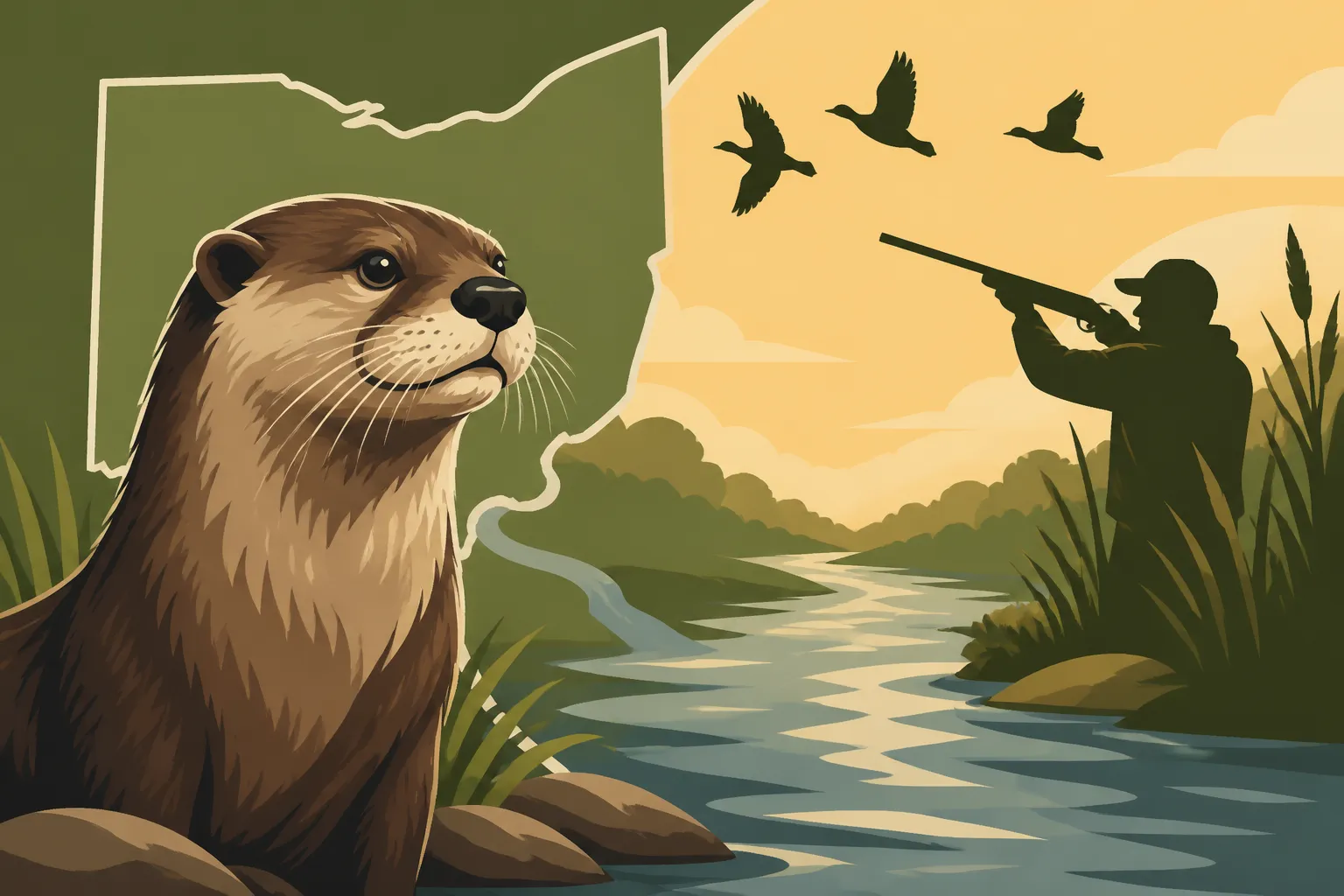
For generations, many Ohioans only knew the river otter as a creature of folklore or a distant memory, a victim of habitat loss and unregulated trapping. The thought of these playful, elusive mammals thriving in our waterways again seemed like a pipe dream. But I'm here to tell you that dream has become a vibrant reality, and this guide will take a deep dive into the incredible journey of Ohio's river otter recovery, celebrating their return and exploring what it means for our state's rich aquatic ecosystems.
The Fading Presence of River Otters in Ohio's Past
It's hard to imagine now, but there was a time when river otters were a common sight across Ohio's vast network of rivers, streams, and wetlands. Indigenous peoples coexisted with them for centuries, valuing their pelts and their spirit. Early European settlers also encountered them frequently, noting their abundance in the pristine wilderness that once blanketed the state. These weren't just isolated sightings; historical accounts suggest healthy, widespread populations.
The Era of Near Extinction
However, the tide began to turn dramatically with the arrival of widespread settlement and the relentless push of the fur trade. By the late 18th and early 19th centuries, trapping for their valuable pelts was largely unregulated, leading to significant population declines. Simultaneously, the rapid expansion of agriculture, timber harvesting, and urban development meant the draining of wetlands and the channelization of countless streams, obliterating the intricate habitats these semi-aquatic mammals relied upon. It was a perfect storm of environmental destruction and exploitation that pushed them to the brink.
By the early 20th century, the river otter was considered functionally extirpated from Ohio – meaning, while a handful might have lingered in the most remote corners, there were no viable, reproducing populations left to sustain the species. It was a tragic loss, one that many Ohioans born in the mid-20th century wouldn't even know, simply growing up in an Ohio where otters were absent. This stark reality served as a powerful reminder of how quickly human activities could erase a native species from our landscape.
Habitat Destruction and Water Quality Decline
The decline wasn't just about trapping; it was intrinsically linked to the wholesale destruction and degradation of their environment. Ohio's dense forests were cleared for farmland, leading to increased runoff and sedimentation in waterways. Wetlands, once abundant and crucial for otter habitat and food sources, were drained on a massive scale to make way for farming and construction. This loss of complex riparian zones — the areas along stream banks rich with vegetation, fallen logs, and undercut banks for dens — stripped otters of their homes and hunting grounds.
Compounding this physical destruction was the precipitous decline in water quality. Industrialization brought pollution from factories, raw sewage flowed untreated into rivers, and agricultural runoff laden with chemicals further poisoned the aquatic ecosystems. Fish, amphibians, and crayfish – the otter's primary food sources – couldn't survive in these toxic conditions, and neither could the otters themselves. This complete environmental collapse made Ohio's waters essentially uninhabitable for a creature so dependent on a healthy, thriving aquatic environment.
The Vision for Restoration: Ohio's Ambitious Plan
Recognizing the ecological void left by the absence of river otters, the Ohio Department of Natural Resources (ODNR) embarked on an ambitious plan to bring them back. This wasn't just about reintroducing a species; it was about acknowledging past mistakes and committing to a future where native wildlife could once again flourish. It was a long shot, given the state of many waterways, but hope was not lost.
Strategic Reintroduction Efforts
The bulk of Ohio's river otter reintroduction program kicked off in the mid-1980s and continued through the early 1990s. The ODNR carefully selected release sites in eastern and southeastern Ohio, focusing on areas with improving water quality and significant stretches of undeveloped riparian habitat. Locations like the Grand River in Ashtabula County, Killbuck Creek in Holmes County, and portions of the Wayne National Forest were chosen for their potential to offer prime habitat. These initial release sites were critical as they provided safe havens for the otters to establish new populations without immediate overwhelming human pressure.
Over several years, approximately 260 river otters, primarily sourced from healthy populations in Arkansas and Louisiana, were released into these strategic Ohio waterways. These otters were trapped, health-checked, and then carefully transported to their new homes, often with significant public interest and support. The program involved meticulous tracking and monitoring of these released animals to gauge their survival rates, dispersal patterns, and reproductive success. It was a massive undertaking, but the dedicated efforts of ODNR staff and volunteers laid the groundwork for the species' remarkable comeback.
Partnering for a Comeback
The success of the river otter reintroduction program wasn't solely due to the ODNR's efforts; it was a testament to broad collaboration and a changing environmental ethic in Ohio. Key to this comeback was the enforcement of crucial environmental legislation like the federal Clean Water Act and similar state initiatives, which significantly improved water quality in many rivers and streams. These cleaner waters allowed fish and other aquatic prey to rebound, creating a sustainable food base for the returning otters.
Conservation groups, such as the Ohio Wetlands Association and local sportsmen's clubs, played an invaluable role, contributing not only funding but also volunteer hours for habitat restoration projects. Landowners in the release areas also provided critical cooperation, allowing access and often embracing the idea of these charismatic mammals returning to their properties. This collective effort, coupled with public education campaigns, fostered a sense of ownership and pride in the restoration project. It's also worth noting that crucial funding for many of these wildlife management and habitat improvement programs, including this one, comes directly from hunting and fishing license sales, demonstrating how outdoor enthusiasts directly contribute to broader conservation successes for all of Ohio's wildlife, including furbearers like otters, and even other species like those found in Ohio Waterfowl on the Mississippi and Atlantic Flyways.
Signs of Success: Where Otters are Thriving Today
Fast forward a few decades, and the once-distant dream of thriving river otters has become a beautiful reality across much of Ohio. While some areas show greater concentrations, it's a true success story that demonstrates the resilience of nature when given a helping hand.
Eastern Ohio's Strongholds
The initial reintroduction efforts paid off handsomely in the unglaciated, forested hills of eastern and southeastern Ohio, which quickly became strongholds for the recovering otter population. River systems like the Muskingum, Tuscarawas, Little Muskingum, Hocking, and the upper reaches of the Scioto River now boast healthy and often robust otter populations. These regions offer the perfect blend of clean, flowing water, extensive riparian corridors with dense cover, and abundant denning sites in the form of old beaver lodges, log jams, and undercut bank burrows.
Walk along a creek in these areas at dawn or dusk, and your chances of spotting an otter have increased dramatically. Their playful antics, often sliding down muddy banks or chasing fish, are a joy to behold. The consistent presence of these areas, especially within and around designated Ohio Wildlife Areas and other public lands, speaks to the ODNR's foresight in choosing the original release locations.
Expanding Westward and Northward
One of the most exciting developments in the otter recovery has been their incredible dispersal beyond the original release sites. Otters are highly mobile, and as populations grew, they naturally sought out new territories. Today, you can find established otter populations in central Ohio, even along waterways surprisingly close to urban centers like the Olentangy and Scioto rivers around Columbus, a testament to continued improvements in water quality. They've even made their way into the relatively flat, agricultural landscapes of western and northern Ohio, utilizing drainage ditches, canals, and river systems that eventually connect to Lake Erie.
While still less dense in highly agricultural areas compared to the eastern hills, their presence in these regions highlights their adaptability. Scouting for otter signs in these new territories can be a rewarding challenge for anyone interested in wildlife observation. Tools like the mapping features on platforms such as GoHunt can be incredibly useful for identifying potential otter habitat, like stretches of river with good cover or tributary junctions, even on some Public Hunting Land in Ohio. This westward and northward expansion shows that the recovery isn't just localized but truly statewide.
Reading the Signs of Otter Activity
While catching a glimpse of a playful otter is a memorable experience, they are often elusive. Knowing how to read their signs can tell you a lot about their presence in a waterway. One of the most common signs is their tracks, which are five-toed and often show webbing, especially on the hind feet. You'll find these in soft mud, sand, or fresh snow along riverbanks or creek edges. They often move in a distinctive loping gait, leaving zig-zagging patterns as they travel.
Another clear indicator is their scat, also known as "spraints." These dark, often greasy droppings are typically full of fish scales, bones, or crayfish parts, and they have a musky odor. Otters intentionally deposit these on prominent features like rocks, logs, or small mounds near the water as scent markers to communicate with other otters. Look for their characteristic "slides" on muddy or snowy banks—smooth, worn pathways where they repeatedly slide into the water for play or quick access. You might also find feeding remains, such as partially eaten fish or scattered crayfish shells, on logs or rocks near the water's edge.
| Sign Category | Description | What to Look For |
|---|---|---|
| Tracks | Five-toed, often webbed prints. Hind feet are larger than front. | Found in mud, sand, or snow along water edges. Often in pairs or zig-zag patterns. |
| Scat (Spraints) | Dark, often greasy droppings, typically filled with fish scales, bones, or crayfish parts. | Deposited on prominent rocks, logs, or low mounds near water, serving as scent markers. |
| Slides | Smooth, worn pathways on muddy or snowy banks leading into water. | Often seen where otters frequently enter/exit water for play or travel. |
| Feeding Remains | Partially eaten fish, crayfish shells, or mussel shells. | Scattered on banks, rocks, or logs where otters have fed. |
| Dens (Holts) | Can be abandoned beaver lodges, hollow logs, or burrows in banks. | Often hidden, but entrances may show signs of recent use, such as trampled vegetation or fresh mud around the opening. |
The Ecological Impact of a Returning Predator
The return of the river otter isn't just a feel-good story; it represents the restoration of a crucial component of Ohio's aquatic ecosystems. As an apex predator in freshwater environments, otters play a significant role in maintaining the health and balance of the food web, a role that was missing for over a century.
Balancing the Aquatic Ecosystem
River otters are opportunistic carnivores, primarily feasting on fish. However, they're not picky; their diet also includes amphibians, crayfish, mussels, and occasionally small mammals or birds. While some anglers might worry about competition, otters are generally beneficial to fish populations. They often target slower, weaker, or diseased fish, effectively culling less healthy individuals and helping to maintain a more vigorous and disease-resistant fish community. Their presence is a strong indicator of good water quality and a healthy prey base, acting as a natural barometer for the ecological integrity of our waterways.
Their activity also helps distribute nutrients and can even influence the behavior of other aquatic species. By being back in the picture, otters help complete the natural food chain in our rivers and streams. This re-establishment of a natural predator-prey dynamic is vital for a truly functional ecosystem, much like the reintroduction of other top predators elsewhere has shown.
Challenges and Conflicts
Despite their overall positive ecological impact, the increased presence of river otters does occasionally lead to minor challenges, primarily with humans. Some anglers express concern about otters competing for sport fish, though studies generally show that otters take a wide variety of fish species and rarely decimate sport fish populations. They are opportunistic and will take what is easiest to catch, which often means slower-moving rough fish.
A more direct conflict can arise for private pond owners, particularly those who raise fish for stocking or simply enjoy a well-populated pond. Otters are incredibly efficient hunters and can, in some cases, significantly reduce fish numbers in smaller, contained environments. For this reason, landowners sometimes seek advice from the ODNR on mitigation strategies, which can range from exclusion fencing to deterrents. Another challenge is road mortality; as otter populations expand and move across the landscape, they inevitably encounter roads, leading to unfortunate collisions. Understanding these isolated issues is crucial for fostering coexistence and ensuring the long-term success of the recovery, especially as other furbearers like Raccoons and Ohio Furbearers also navigate human landscapes.
Looking Ahead: Conservation and Continued Monitoring
The recovery of the river otter in Ohio is a remarkable achievement, but it's not a reason to become complacent. Continued efforts are essential to ensure these charismatic creatures thrive for generations to come. Their future, much like the future of healthy populations of species mentioned in articles like Ohio's Recovering Bobcat Population, depends on our vigilance and commitment.
Protecting Vital Habitats
The single most critical factor for the continued success of river otters is the protection and enhancement of their habitats. This means unwavering dedication to maintaining and improving water quality across all of Ohio's watersheds. Initiatives that reduce agricultural runoff, control industrial discharges, and upgrade wastewater treatment facilities directly benefit otters by ensuring a clean environment for them and their prey. Furthermore, preserving and restoring riparian zones – the vegetated strips along riverbanks – is paramount. These areas provide crucial cover, denning sites, and a buffer against human disturbance.
Wetland conservation and restoration also play a huge role, as these diverse ecosystems offer critical foraging grounds and nurseries for fish and amphibians. Organizations and individuals can contribute to these efforts through volunteer work, supporting conservation groups, and making informed land-use decisions. Anyone using mapping apps like GoHunt for their outdoor activities, even Hunting the Ohio River Backwaters, can gain a better understanding of these vital habitats and where conservation efforts might be most impactful.
Public Reporting and Education
Continued monitoring of the otter population is vital, and the public plays an important role in this. The ODNR encourages citizens to report otter sightings, especially in areas where they might be newly establishing themselves. These citizen science reports provide valuable data on dispersal patterns, population density, and overall health. Information on Ohio Wildlife Disease Monitoring is always important for any species, and prompt reporting helps wildlife officials track the health of the otter population.
Education is another key component. By fostering a greater understanding and appreciation for river otters, we can minimize potential conflicts and encourage coexistence. It's important for the public to understand their ecological role and their protected status in Ohio; there is no open hunting or trapping season for river otters in the state, unlike other furbearers covered in Ohio Trapping and Furbearer Seasons. This collective stewardship ensures that Ohio's rivers and streams will continue to echo with the splashes and playful barks of these incredible animals. It's a testament to what we can achieve when we prioritize conservation and work together for the benefit of all wildlife, including species like black bears, which currently have no open season, as discussed in Why Ohio Bears Have No Open Season.
Disclaimer
The information provided in this article is for general guidance and informational purposes only. Hunting regulations, wildlife populations, and environmental conditions can change. Always consult the official Ohio Department of Natural Resources (ODNR) regulations and local laws before planning any hunting or outdoor activity.