Ohio’s Recovering Bobcat Population
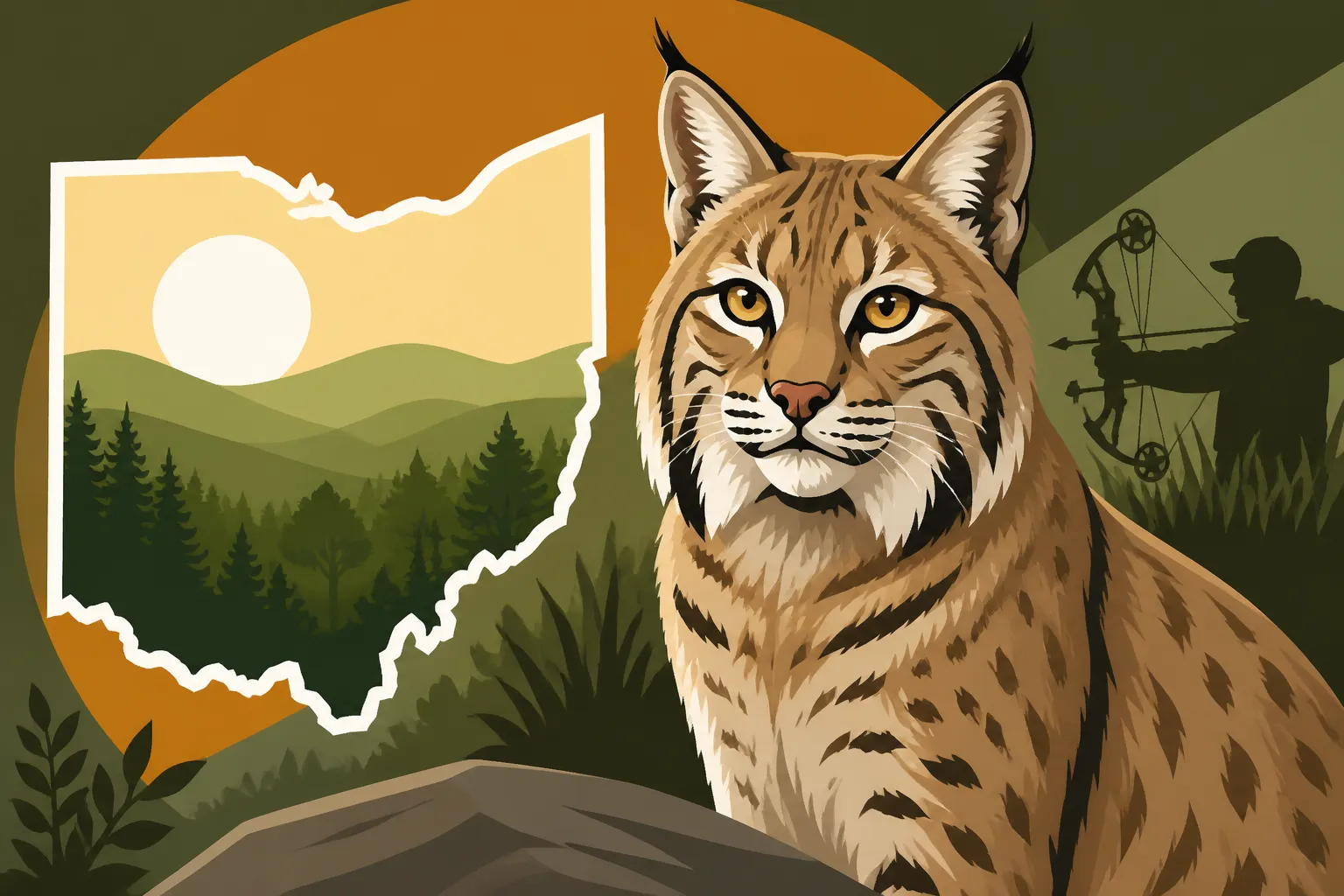
For many years, the idea of seeing a bobcat in Ohio felt like a distant dream, almost mythical. Hunters and outdoor enthusiasts alike often wondered if these elusive felines even still roamed our woodlands, or if they were merely ghosts of a bygone era. It's a common frustration to hear whispers of rare sightings without any real understanding of the bigger picture. This comprehensive guide is here to unravel the incredible story of Ohio's bobcat population, exploring their remarkable comeback, where they thrive, and what their presence means for the future of our state's diverse wildlife.
The Historical Decline and Near Extinction of Ohio Bobcats
It’s hard to imagine now, but there was a time when bobcats were nearly gone from Ohio. Their story is a classic tale of how human expansion and changing landscapes can push even the most resilient species to the brink. Understanding this past helps us truly appreciate their current resurgence.
Early Ohio Settlers and Habitat Loss
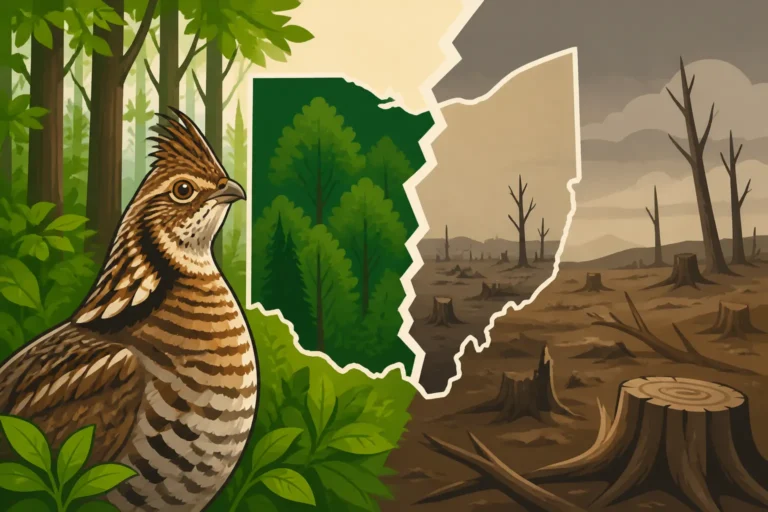
When the first European settlers arrived in Ohio, the landscape was vastly different. Dense forests covered much of the state, providing prime habitat for a wide array of wildlife, including bobcats. These early settlers, driven by the need for land to farm and timber for homes, began to clear vast tracts of forest. Imagine the relentless sound of axes and saws, slowly but surely chipping away at the wilderness. This widespread deforestation was perhaps the most significant factor in the bobcat's initial decline. As their forest homes were converted into agricultural fields and growing towns, their natural prey bases — like rabbits, squirrels, and small rodents — also suffered, or were displaced. Bobcats, being creatures of dense cover and solitude, found their territories fragmented and shrinking, making survival increasingly difficult.
Unregulated Hunting and Trapping Pressures
Beyond habitat destruction, bobcats faced immense pressure from unregulated hunting and trapping. In the early days, bobcats were often viewed as varmints or threats to livestock, and there were no laws to protect them. People hunted them for their fur, for sport, or simply to eliminate perceived threats. Trappers, with no bag limits or season restrictions, could take as many as they could catch. This relentless pursuit, combined with their shrinking habitat, created a deadly combination. By the mid-20th century, bobcats were considered extirpated from much of Ohio, a tragic loss for our natural heritage. For decades, sightings were extremely rare, often dismissed as mistaken identity or anecdotal whispers, leaving many to believe they were gone for good.
Understanding Ohio's Bobcat Resurgence
The story of the bobcat in Ohio isn't just one of decline; it's also a powerful testament to nature's resilience and the impact of dedicated conservation efforts. Their comeback has been slow but steady, a true success story unfolding right before our eyes.
Key Conservation Initiatives and Reintroduction Efforts
Interestingly, unlike some other species that have been actively reintroduced, Ohio's bobcat recovery has largely been a natural recolonization from neighboring states where populations remained stable. The Ohio Department of Natural Resources (ODNR) played a crucial role by simply protecting the species. In 1968, bobcats were given legal protection, prohibiting hunting and trapping. This was a monumental first step, allowing any remaining populations, and those dispersing from states like West Virginia and Kentucky, to gain a foothold without direct human persecution. Beyond protection, broader conservation efforts focused on habitat restoration, particularly in the rugged, forested landscapes of southeastern Ohio. Programs encouraging sustainable forestry practices and the regrowth of mature timber provided the dense cover and abundant prey that bobcats desperately need. These initiatives weren't specifically for bobcats, but they created the perfect conditions for their quiet return.
Habitat Recovery and Adaptability of Bobcats
The recovery of Ohio's forests has been a critical component of the bobcat's resurgence. While early settlers cleared much of the land, many marginal farms in southeastern Ohio were eventually abandoned, allowing nature to reclaim the land. These areas have slowly reverted to woodland, creating extensive, interconnected blocks of forest, especially in places like Wayne National Forest and Shawnee State Forest. Bobcats are incredibly adaptable, and these recovering habitats offer everything they need: dense undergrowth for stalking prey, rocky outcrops and hollow logs for dens, and plenty of rabbits, squirrels, and small deer to sustain them. They've shown a remarkable ability to live relatively close to human activity, as long as they have sufficient cover and prey. This adaptability has allowed them to not only survive in their traditional strongholds but also to cautiously expand their range into new areas.
Expanding Range and Population Growth Metrics
The evidence of the bobcat's recovery is compelling. ODNR biologists track their population through various methods, including verified sightings, roadkill data, and the use of trail cameras. Back in the 1970s, confirmed bobcat sightings in Ohio were practically zero. By the 1990s, a handful of verified reports emerged, primarily from the extreme southeastern counties. Fast forward to today, and the picture is dramatically different.
The ODNR's data shows a consistent upward trend in verified sightings and a clear expansion of their known range. For hunters interested in understanding broader wildlife trends, tools like the GoHunt platform, while primarily known for Western big game, can still offer valuable insights into mapping potential habitat and analyzing publicly available data overlays if applied to Ohio's public lands. The number of counties with confirmed bobcat activity has steadily grown. While the official population estimate isn't always precisely known for such elusive animals, the trend is undeniable. Biologists monitor metrics like litter sizes and cub survival rates through remote cameras, and these indicators suggest a healthy, reproducing population.
| Year Range | Confirmed Sighting Counties | Primary Habitat Type | Estimated Population Trend |
|---|---|---|---|
| 1970s | < 5 (sporadic) | Deep Appalachian Forest | Critically Low / Extirpated |
| 1990s | 5-10 | Appalachian Foothills | Beginning to Recover |
| 2010s | 20-30 | Mixed Forest/Edge | Steady Growth |
| 2020s | 35+ | Expanding North/West | Strong Recovery |
This table, compiled from ODNR reports, clearly illustrates the geographic expansion and population growth of bobcats in Ohio over the last half-century. It's a testament to patience and persistence in conservation.
Where Ohio Bobcats Are Rebounding
So, where exactly are these elusive creatures making their comeback? If you're hoping to catch a glimpse, knowing their preferred haunts is key, though even with that knowledge, spotting one remains a rare and special event.
Core Population Zones in Southeastern Ohio
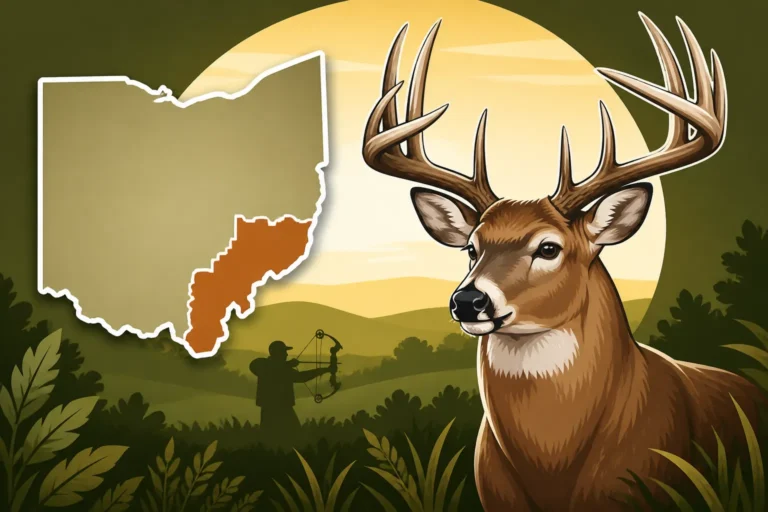
Without a doubt, the heart of Ohio's bobcat population lies in the rugged, heavily forested hills of the southeastern part of the state. Counties like Adams, Scioto, Pike, Vinton, Hocking, Athens, and Jackson are considered their primary strongholds. These areas boast vast tracts of mature timber, deep ravines, rocky cliffs, and extensive public lands, including portions of Wayne National Forest and Shawnee State Forest. This landscape provides the perfect blend of dense cover, plentiful prey like Ohio Squirrel and Rabbit Populations, and the solitude these shy cats require. If you're out Hunting Southeast Ohio Appalachian Foothills for deer or turkey, you're in the highest probability zone for seeing bobcat sign or, with extreme luck, a fleeting glimpse of the animal itself. This is where the initial populations held on and from where the expansion began.
Evidence of Expansion into Central and Eastern Regions
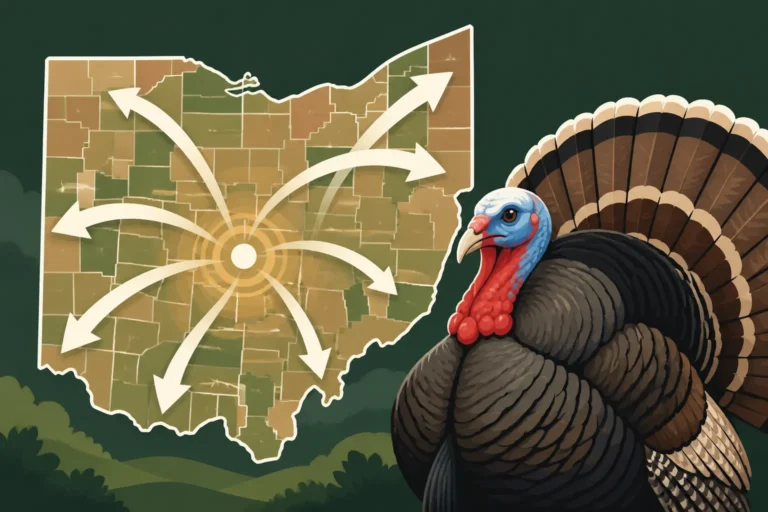
What's truly exciting for conservationists and wildlife enthusiasts is the clear evidence of bobcats expanding their range beyond these traditional southeastern strongholds. Over the past decade, confirmed sightings have pushed further north and west into counties like Muskingum, Guernsey, Belmont, and even into parts of Licking and Fairfield. These areas, while perhaps not as wild as the deep Appalachian foothills, still offer significant blocks of woodland, creek bottoms, and rugged terrain. The expansion into these more central and eastern counties suggests a robust and growing population that is actively seeking out new territories. It's a slow creep, often following river corridors and larger forested tracts, but it signifies a healthy, self-sustaining population that is successfully establishing itself in new corners of the state.
Interpreting Sighting and Trail Camera Data
For the average person, encountering a bobcat is incredibly rare. They are masters of stealth. However, the increasing number of verified sightings reported to the ODNR, along with the explosion of trail camera use, provides invaluable data. Hunters, hikers, and landowners are capturing more and more images and videos of bobcats, not just in the deep woods but sometimes even on the edges of agricultural fields or near suburban developments. When interpreting this data, it's important to differentiate between transient individuals passing through and established populations. Repeated sightings in the same general area, especially of multiple individuals or a female with kittens, are strong indicators of a resident bobcat presence. The ODNR encourages reporting any confirmed sightings, complete with date, time, and location, as this information is crucial for Ohio Wildlife Disease Monitoring and understanding population dynamics. While GoHunt might not be purpose-built for bobcat sighting reports, its robust mapping features could certainly help users accurately pinpoint and record habitat characteristics where sightings occur.
Ecological Impact and Interactions with Other Wildlife
The return of the bobcat isn't just a feel-good story; it has tangible ecological implications. As a native apex predator, its presence ripples through the food web, influencing other species and contributing to a more balanced ecosystem.
The Bobcat's Role as an Apex Predator
In the absence of larger predators like cougars or wolves (both extirpated from Ohio), bobcats step into a critical niche as an apex predator in their specific size class. They are opportunistic hunters, primarily preying on smaller mammals like rabbits, squirrels, mice, and voles. However, they also take birds, reptiles, and occasionally larger prey, especially during harsh winters or when opportunistic. By preying on abundant small game, bobcats help to keep these populations in check, which can have cascading effects on plant communities and overall ecosystem health. Their presence indicates a healthy, functioning ecosystem with a diverse prey base, something that was missing for decades when their numbers were so low.
Interactions with Deer and Small Game
While their diet primarily consists of smaller animals, bobcats will opportunistically prey on fawns, especially during the spring birthing season. However, their impact on the overall Ohio Deer Population Estimate is generally considered minimal. Adult deer are simply too large and formidable for a bobcat to consistently take down, though injured or sick deer may become targets. Their primary influence on game species lies more with small game. For example, a healthy bobcat population can certainly influence local rabbit and squirrel numbers, but typically not to the detriment of healthy prey populations. It’s a natural predator-prey dynamic that helps ensure the vigor of both populations. This means that while hunters might occasionally see fewer rabbits in a specific area, it's a sign that the natural order is being restored.
Competition with Coyotes and Other Predators
The return of the bobcat also introduces an interesting dynamic with other predators, particularly coyotes. Coyotes and Predators in Ohio have significantly expanded their range and population in Ohio over the last century, largely filling the void left by other apex predators. Bobcats and coyotes share some overlap in diet and habitat, leading to a degree of competition. However, studies show that bobcats generally avoid direct confrontation with coyotes and often occupy slightly different niches or utilize habitats in ways that minimize direct conflict. Bobcats tend to prefer denser cover and more rugged terrain, while coyotes are highly adaptable and thrive in more open, agricultural landscapes. This separation helps both species coexist. Other predators like foxes and various raptors also share the landscape, but the bobcat's return adds another layer of complexity to the predator community, helping to diversify the pressures on prey species.
Why Ohio Bobcats Have No Open Season (Yet)
Given their impressive comeback, a question many hunters often ask is, "Why can't we hunt bobcats in Ohio?" It's a valid query, especially when considering the hunting seasons for other furbearers. The answer lies in careful, science-based wildlife management and a cautious approach to ensure their long-term stability.
The Path to Sustainable Management
Even with a recovering population, wildlife agencies like the ODNR take a very conservative approach when it comes to opening a hunting or trapping season for a species that was once extirpated. The goal is not just to have bobcats in Ohio, but to ensure a robust, self-sustaining population that can withstand various pressures for generations to come. This means assessing not just raw numbers, but also population density, reproductive success, genetic diversity, and the extent of their established range. Before any season could be considered, the ODNR would need to be confident that a harvest would not negatively impact the population's overall health or its ability to continue expanding. This is a process that can take many years, even decades, of consistent data collection and analysis. It’s a similar logic applied to Why Ohio Bears Have No Open Season, focusing on long-term stability.
Monitoring and Data Collection for Future Decisions
The decision to open a hunting or trapping season for bobcats would be driven by extensive scientific data. This includes continued monitoring of verified sightings, genetic studies to understand population connectivity, and detailed analyses of habitat availability and carrying capacity. The ODNR also examines factors like road mortality rates, which can sometimes provide an indirect measure of population size and distribution. They look at data from neighboring states that do have bobcat seasons to understand the potential impacts of regulated harvest. This meticulous data collection ensures that any future decisions about managing bobcats in Ohio are based on sound ecological principles, not just on anecdotal evidence or public sentiment. For anyone interested in the broader context of how Ohio manages its furbearer populations, a look at Ohio Trapping and Furbearer Seasons provides insight into the existing management frameworks.
Public Perception and Education Challenges
Beyond the scientific data, public perception plays a significant role in wildlife management decisions, especially for charismatic species like bobcats. While many hunters might be eager for a season, a large portion of the non-hunting public often holds strong conservationist views and might be hesitant or outright opposed to the idea of hunting bobcats. Educational efforts would be necessary to explain the science behind population management, the role of regulated hunting in conservation, and the specific data supporting such a decision. The ODNR would need to clearly articulate why a season is ecologically sustainable and how it would be structured to ensure the continued health of the bobcat population. Until then, for the time being, bobcats remain on the list of Game You Cannot Hunt in Ohio, a protected species appreciated for its wild beauty and remarkable recovery.
Disclaimer
Please note: Hunting regulations and wildlife populations are subject to change based on scientific research and Ohio Department of Natural Resources (ODNR) decisions. Always consult the most current Ohio hunting and trapping regulations before participating in any outdoor activities.