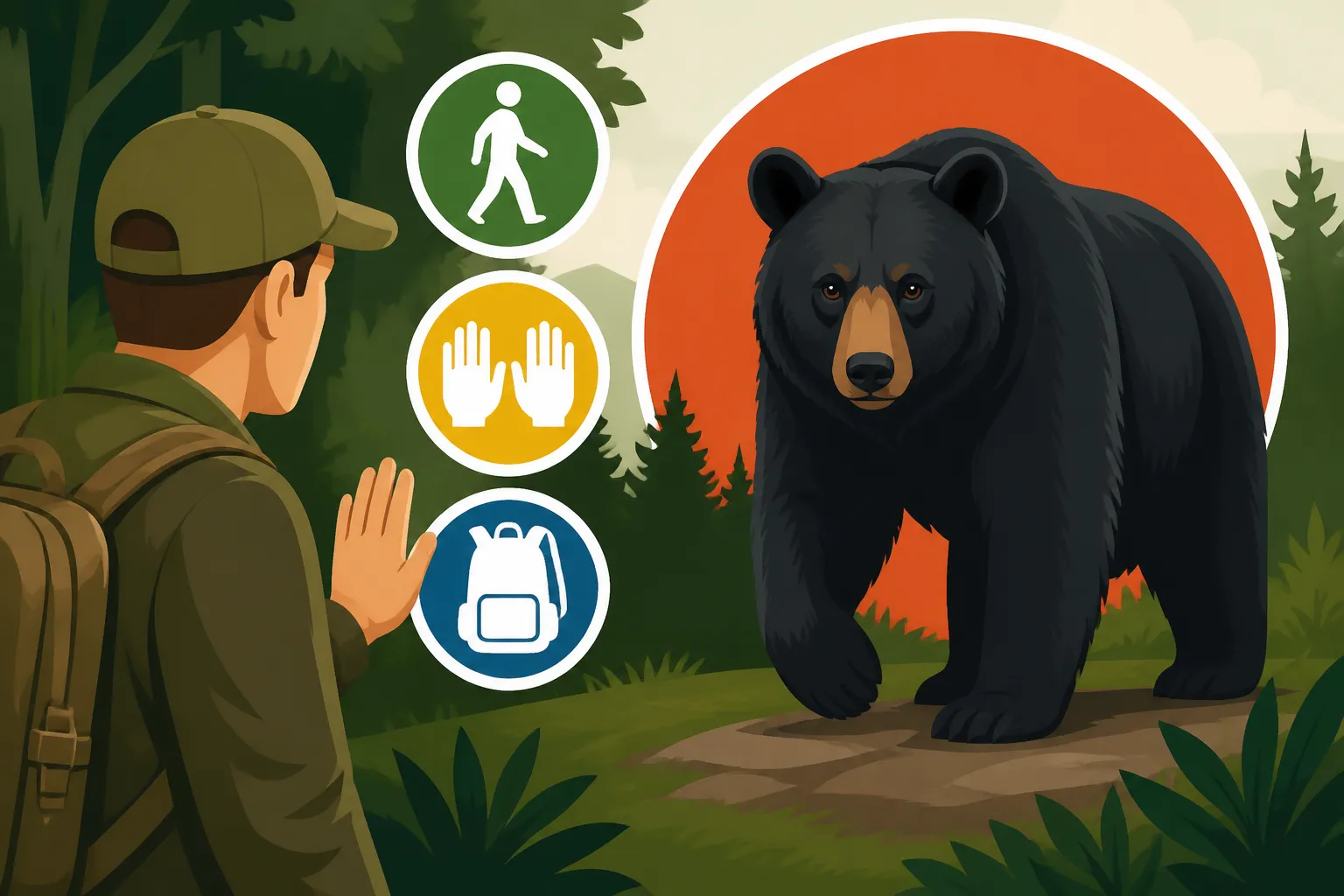
What to Do If You See an Ohio Black Bear
It's always a shock, isn't it? One minute you're enjoying the serene beauty of an Ohio forest, perhaps scouting for deer or simply hiking, and the next, you catch a glimpse of a dark, hulking shape moving through the trees. A black bear. For many Ohioans, the idea of encountering a bear can be unnerving, even a little scary, especially since they were once thought to be gone from our state. But with their population slowly but steadily returning, it's becoming more common to cross paths with these magnificent creatures. This guide is here to walk you through exactly what to do—and what not to do—if you ever find yourself in such a situation, ensuring both your safety and the well-being of Ohio's recovering black bear population.
Understanding Black Bears in Ohio
Let's face it, seeing a black bear in Ohio used to be like spotting a unicorn. It was almost unheard of. But times are changing, and it's essential for anyone venturing into our woodlands to understand these animals better.
Ohio's Recovering Black Bear Population
For a long time, black bears were extirpated from Ohio, meaning they were completely gone from the state due to habitat loss and unregulated hunting. However, thanks to conservation efforts and increasing populations in neighboring states like Pennsylvania and West Virginia, black bears have been slowly making their way back into Ohio's forests. Most sightings occur in the eastern and southeastern parts of the state, particularly in counties bordering those bear-rich regions. This returning population is a testament to the resilience of wildlife and the importance of healthy ecosystems. You can learn more about this incredible comeback by checking out information on Ohio's Recovering Black Bear Sightings. While we don't have an open season for them, understanding that these animals are part of our natural landscape again is the first step toward safe coexistence.
These bears are typically transient males dispersing from established populations, looking for new territory. They’re often young and inexperienced, sometimes venturing into areas that surprise even seasoned wildlife observers. ODNR data, which you can often find compiled on platforms like GoHunt, shows a steady increase in reported sightings over the last decade, with some years seeing significant jumps, indicating that these animals are truly re-establishing a presence, even if it's still a fragile one.
Common Black Bear Behaviors
Black bears, despite their intimidating size, are generally quite shy and prefer to avoid human interaction. Most of the time, if a bear sees or hears you first, it will simply bolt in the opposite direction. They're usually more interested in finding their next meal of berries, nuts, or insects than confronting a person. When they do interact, their body language can tell you a lot. A bear standing on its hind legs isn't necessarily being aggressive; it's usually just trying to get a better scent or view of what's around. They might huff, snap their jaws, or even swat the ground to warn you away. These are usually bluff charges or defensive displays, not an immediate attack. It’s their way of saying, "Hey, you're too close, give me space."
Understanding these behaviors is crucial to avoiding escalation. For instance, if you're out Scouting Ohio Public Land Before Season and come across fresh tracks or scat, it's a good indicator bears are in the area. Being aware of these signs can help you adjust your plans, perhaps making a bit more noise or choosing a different path to avoid a direct encounter. The key is to recognize that a bear's primary goal is usually to get away from you, and understanding their typical reactions can help you facilitate that retreat for both of you.
Why Black Bears Are Wandering Into Ohio
So, why are we seeing more bears now? It’s not a sudden invasion; it’s a gradual process driven by several factors. Primarily, it's about habitat and population growth. As states like Pennsylvania and West Virginia have seen their black bear populations flourish, young bears (especially males) are forced to disperse from their mothers' territories to find their own space and food sources. Ohio, with its extensive national and state forests in the eastern part of the state, like the Wayne National Forest and Shawnee State Forest, offers attractive corridors for these migrating bears.
These areas provide the dense cover, diverse food sources (like acorns, berries, and insects), and relative seclusion that bears need. Sometimes, these young, wandering bears might travel surprisingly far, leading to unexpected sightings in more suburban or agricultural areas. While Why Black Bears Are Not Yet a Stable Ohio Species in all counties, these wanderers are proof of their enduring instinct to expand their range. Their movements are often dictated by food availability, meaning a poor mast crop year in their home range could prompt more extensive travels into new territories, including ours. Keeping track of Ohio Black Bear Sighting Reports by Year helps wildlife managers understand these dispersal patterns and better inform the public.
Immediate Steps During a Black Bear Encounter
The moment you realize you've encountered a black bear can be a heart-stopping one. Your immediate actions are critical for both your safety and the bear's.
If the Bear Hasn't Seen You
This is often the best-case scenario and the most common. You see the bear, but it's oblivious to your presence, perhaps foraging peacefully or ambling across a distant ridge. Your primary goal here is to keep it that way.
The best thing to do is quietly and slowly back away. Don't make sudden movements that could startle the bear. Try to move in a direction that's downwind from the animal, if possible, to avoid giving away your scent. If you're hiking with others, signal them discreetly and encourage them to do the same. This isn't the time for photos or excited whispers. Keep your voice low, or ideally, remain silent. Maintain eye contact without staring aggressively; you want to be aware of its movements. If there's dense cover between you and the bear, use it to your advantage to break the line of sight as you retreat. The idea is to disengage and put as much distance between you and the bear as possible without drawing its attention. Remember, most bears want nothing to do with people, and giving them the space to remain undisturbed is key to preventing problems.
If the Bear Has Seen You
Okay, the bear has seen you. Maybe it looked up from foraging, or you rounded a bend and surprised it. This is where a calm, assertive demeanor is your best defense. The worst thing you can do is run. Running can trigger a bear's chase instinct, and they are incredibly fast over short distances. You won't outrun them.
Instead, stand your ground. Make yourself look as large as possible. If you have a jacket, spread it wide. Hold your backpack above your head. Don't crouch or bend over, as this can make you appear smaller or more like a four-legged animal, which could invite curiosity or even an approach. Slowly, deliberately, start to back away while still facing the bear. Talk to the bear in a calm, firm voice. Say things like, "Hey, bear! Go away!" This lets the bear know you're human and not prey. If the bear huffs, pops its jaws, or swats the ground, it’s giving you a warning. Continue to back away slowly, giving it space. If you're with children, pick them up immediately to prevent them from running and to make yourself appear even larger. Carry bear spray if you're in known bear country, and know how to use it. Brands like UDAP and Counter Assault offer reliable options. While not as common a practice in Ohio as in Western states, as the bear population grows, it's a consideration, especially if you spend a lot of time in areas like Wayne National Forest Hunting.
If the Bear Approaches or Charges
This is the scenario everyone dreads, but it's important to remember that true predatory attacks by black bears are exceedingly rare, especially in areas where they are just establishing themselves, like Ohio. Most charges are bluff charges—the bear will run at you, stop short, and then veer away.
If a black bear is bluff charging, continue to stand your ground, make yourself large, and yell forcefully. The goal is to convince the bear that you are not worth the trouble. If the bear makes contact, or if it's a sustained, aggressive charge that seems predatory, your tactics change. In such an extremely rare case with a black bear, you need to fight back aggressively. Hit it with anything you have—a stick, rocks, your fists. Target its face and eyes. Do not play dead with a black bear; that strategy is generally reserved for grizzly bears and is almost always the wrong move with a black bear. Again, it's crucial to distinguish between a defensive display (which is most common) and a truly aggressive, predatory encounter. While encounters with black bears are usually not dangerous, being prepared for the worst-case scenario is part of responsible outdoor recreation.
Here's a quick summary of what to do:
| Scenario | Action |
|---|---|
| Bear hasn't seen you | Quietly and slowly back away, maintaining awareness. |
| Bear sees you, stays put | Stand tall, make noise (firm voice), slowly back away. |
| Bear bluff charges (stops) | Hold ground, yell loudly, make yourself big, use bear spray if available. |
| Bear makes contact/attacks | Fight back aggressively, target face/eyes, do NOT play dead. |
After the Encounter: Reporting and Prevention
Witnessing a black bear is a memorable experience, but your actions after the sighting are just as important as during it. Reporting is crucial, and prevention is key to future safety.
Reporting Your Black Bear Sighting
Every black bear sighting in Ohio, even if it's just a fleeting glimpse, is valuable information for the Ohio Department of Natural Resources (ODNR). Reporting helps wildlife biologists track the population, understand their movements, and identify potential conflict areas. This data informs their management strategies and allows them to provide better public education. It's not just about knowing Ohio's Recovering Black Bear Sightings, it's about understanding the specifics of where and when these animals are being seen.
You can report your sighting directly to the ODNR through their website or by contacting your local wildlife district office. Be prepared to provide details like the date, time, location (GPS coordinates if you have them, or a detailed description), the size of the bear, its estimated age (cub, juvenile, adult), and what it was doing. If you managed to get a clear photo or video from a safe distance, that's incredibly helpful. Don't be afraid to share your experience; the ODNR relies on citizen reports to paint a complete picture of bear activity. You can often use tools like the Scouting With the Ohio HuntFish App or GoHunt maps to mark the exact location of your sighting, making reporting much easier and more precise. Your report contributes to the bigger picture of Ohio Wildlife Disease Monitoring and overall wildlife health.
Preventing Future Encounters
The best bear encounter is the one that never happens. Prevention is always the most effective strategy for living alongside black bears. This means managing attractants, whether you're camping, living near a wooded area, or just out enjoying nature.
Firstly, food storage is paramount. If camping, store all food, scented items (like toiletries), and trash in bear-resistant containers or hung from a tree at least 10-12 feet off the ground and 4-6 feet away from the trunk. Never keep food in your tent. For residents, secure your trash cans in a garage or shed until collection day. Use bear-resistant garbage cans if available in your area. Consider removing bird feeders from April through November when bears are most active, or at least bringing them in overnight. Pet food left outdoors can also be a strong attractant. Even barbecue grills should be cleaned thoroughly after use and stored securely. Understanding what draws bears in—primarily food—is the core of preventing issues. This includes being mindful of your cooler if you're stopping roadside for a picnic near areas known for high wildlife activity.
Coexisting with Bears in Ohio's Landscapes
As black bears continue to expand their range, learning to coexist with them peacefully and safely is a skill all Ohioans who spend time outdoors will need to embrace. It's a privilege to share our state with these incredible animals, and with a little knowledge and preparedness, we can ensure that interactions remain positive.
Beyond managing attractants, responsible outdoor ethics play a significant role. When hiking or walking in known bear country, especially in areas like Public Hunting Land in Ohio or the more remote sections of Wayne National Forest Hunting, make noise. Talk, sing, or carry a bell. This gives bears an early warning of your presence, allowing them to move away before you get too close. Always keep dogs on a leash; an unleashed dog can provoke a defensive response from a bear, putting both the dog and its owner at risk. If you harvest game, like during Ohio's Two-Weekend Gun Deer Season, process it quickly and dispose of gut piles far from trails or residential areas. For anyone interested in the legalities and guidelines, the ODNR offers resources on Game You Cannot Hunt in Ohio, which includes black bears. It's about respecting their space and understanding their needs, fostering a balanced relationship where both humans and wildlife can thrive in Ohio's beautiful and diverse ecosystems.
Disclaimer
This guide provides general information for safety during black bear encounters in Ohio. Wildlife behavior can be unpredictable, and individual situations may vary. Always exercise caution and prioritize your safety. For the most current and specific guidance, consult the Ohio Department of Natural Resources (ODNR).