Hunting Northwest Ohio Woodlot Islands
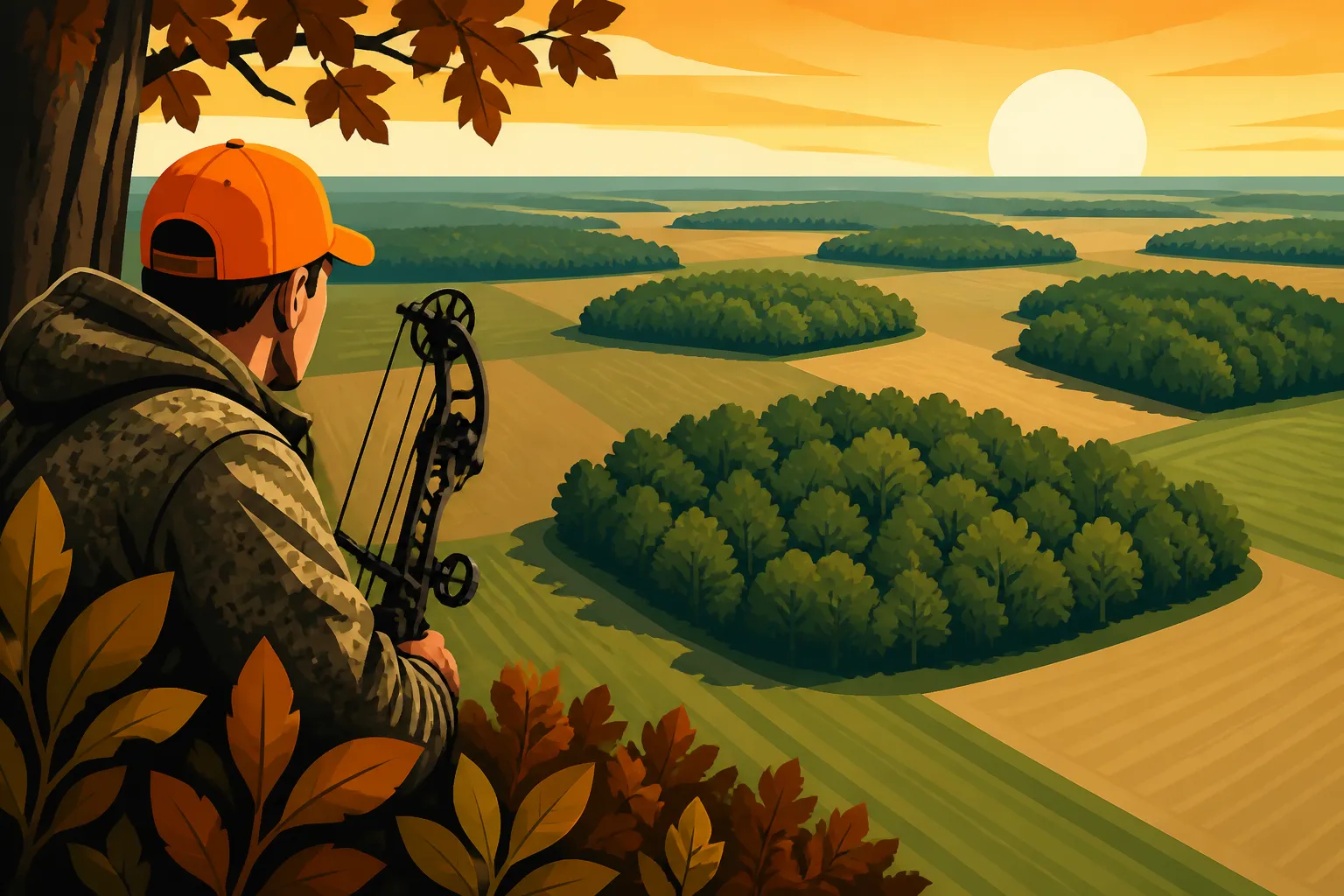
Hunting for whitetails in Northwest Ohio often presents a unique challenge: endless flat farmland broken up by small, isolated pockets of timber. These "woodlot islands" can feel like tiny oases for deer, drawing them in from miles around, but they can also be incredibly tricky to hunt effectively without pushing every deer off the property. This guide is all about helping you decode these often-overlooked hotspots, offering practical strategies to make the most of these compact deer magnets, and turning what many see as a disadvantage into a real hunting advantage.
Understanding Northwest Ohio's Unique Landscape for Deer Hunting
Northwest Ohio is a world apart from the rolling hills and deep timber of the state's Appalachian region. Here, agriculture reigns supreme, and the landscape is dominated by vast fields of corn, soybeans, and wheat. This environment profoundly shapes how deer live, move, and use the limited cover available. For hunters, understanding this dynamic is the first step to success.
The "Woodlot Island" Phenomenon and Why It Matters
Imagine a sea of golden corn or green soybeans, stretching for miles, with a small patch of mature oak, hickory, or even dense brushy cover sitting right in the middle. That's a woodlot island. These aren't vast tracts of forest; some might be just a few acres, others might stretch to twenty or thirty. They are often remnants of original timber stands, or perhaps difficult-to-farm areas around old homesteads, creek drainages, or fencerows that grew into small woods.
For a whitetail deer, these woodlots are absolute gold. They provide the only consistent shelter from the elements, security cover from predators (including us hunters!), and often, critical food sources like acorns or browse. In a landscape devoid of extensive timber, deer will travel significant distances to use these islands for bedding, staging before entering fields, and as safe havens during hunting pressure. The frustration for many hunters is that these small woodlots can feel "blown out" after a single hunt if not approached carefully. Deer might be in there one day, and gone the next, making you wonder if they were ever there at all. But with the right approach, these spots can be incredibly productive, especially if you understand how deer value and utilize them throughout the season.
How Agriculture Shapes Deer Movement
The agricultural calendar is essentially the deer calendar in Northwest Ohio. What's growing, what's harvested, and when, dictates deer movement more than anything else.
- Spring & Summer (Planting to Green-Up): When crops are young, deer movement is fairly open. They'll browse young shoots, but they don't rely on the fields for cover yet. They spend a lot of time in the woodlots.
- Late Summer & Early Fall (Standing Crops): This is when things get interesting. Towering cornfields become impenetrable fortresses. Deer bed, travel, and feed almost entirely within these "green jungles," using the woodlots as extensions of this cover or as transition areas. Hunting these woodlots before harvest can be feast or famine; deer might be in them, or they might be completely hidden in the corn. This is a prime time for Entry Routes Through Standing Corn to be crucial.
- Late Fall & Winter (Post-Harvest): Once the crops are out, the game changes dramatically. Suddenly, all that vast cover disappears. Deer are forced to concentrate in the remaining woodlots, fencerows, and creek bottoms. This is when those small woodlot islands become even more vital. They provide the only significant cover, and deer will stack up in them, making them hotbeds of activity. However, this also means they can become highly pressured, as every hunter knows where the deer have to be. Understanding Late-Season Food Sources for Ohio Whitetails within or adjacent to these woodlots becomes paramount.
Scouting and Locating Productive Woodlot Islands
You can't just stumble into success on these woodlot islands. Diligent scouting, both from your armchair and on the ground, is absolutely essential. It's about understanding the lay of the land, identifying the best pockets of cover, and knowing where deer are actually spending their time.
Leveraging Technology for Initial Reconnaissance
Before you even tie your boots, you should be on your computer or phone, immersed in digital maps. Tools like GoHunt (and others like onX Hunt or Google Earth) are invaluable for hunting in an area with so much private land and specific terrain features.
- Satellite Imagery: Zoom in and identify every single patch of timber, even the smallest ones. Look for subtle differences in vegetation — denser thickets often hold bedding deer. Note how these woodlots connect to fencerows, ditches, or creek beds, which serve as natural travel corridors in flat country. Identify adjacent fields and try to determine what crops were planted the previous season, giving you clues about future rotations.
- Property Boundaries: Use the property line overlay on GoHunt to understand who owns what. This is critical for getting permission, or for knowing where not to hunt if you're on public land or a smaller private tract. Knowing the boundaries helps you anticipate where deer might feel safe or where they might be pressured by neighboring hunters.
- Topography (Even in Flatland): While Northwest Ohio isn't known for mountains, subtle elevation changes matter. Even a slight rise or dip can create a thermal eddy or provide a small pocket of protection from the wind. These minor terrain features are often overlooked but can be key to a deer's preference for a specific bedding area. You'd be surprised how often a slight knoll in an otherwise flat woodlot will be where deer choose to bed.
By spending time digitally scouting, you can narrow down your focus and identify the most promising woodlot islands, saving you valuable time in the field. This also helps you visualize potential Hunting a Funnel Between Two Woodlots scenarios, where deer might move between these islands or into adjacent fields.
Boots-on-the-Ground Scouting for Fresh Sign
Digital maps get you in the ballpark, but actual ground scouting confirms your suspicions and reveals the freshest intelligence. This is where you connect the dots and understand how deer are using these small spaces.
- Entry Points and Timing: When scouting, try to enter quietly, mimicking how you'd hunt. Focus on finding low-impact entry and exit routes. You don't want to blow deer out before you even hang a stand. Pay attention to how the wind affects thermals, even in flat terrain. In early morning, cold air sinks, pushing scent downhill or into ditches; in the afternoon, it rises.
- Locating Bedding Areas: Look for dense cover within the woodlot – thick briar patches, downed trees, or evergreen clumps. Deer don't need much space. A few small, worn-down depressions in the leaves or grass, especially on the sunny side of a thicket on a cold day, are tell-tale signs. These spots are often strategically placed to allow deer to see, hear, or smell approaching danger.
- Identifying Rubs and Scrapes: Rubs indicate where bucks are actively marking territory and working out aggression. Fresh scrapes, especially those under a licking branch, are communication hubs. In a small woodlot, these signs can be highly concentrated. A strong rub line or a cluster of scrapes often signals a key travel corridor or a buck's core area. Don't ignore these even if they seem small; in a woodlot island, every bit of sign is amplified.
- Tracking and Trails: Look for well-worn trails leading into and out of the woodlot, connecting it to nearby fields, fencerows, or other cover. Pay attention to the size and freshness of tracks. Are there multiple deer using the trail, or just a few? Which direction do they seem to be heading during different times of the day? These trails reveal their highway system. For instance, knowing how deer move from the woodlot to a Hunting a Standing Soybean Field for evening feeding is critical.
- Mast Crops and Browse: Identify any oak or hickory trees and look for acorn sign. Even a small patch of oaks can be a significant draw. Also, look for signs of deer browsing on young shoots or bushes. Understanding the available food within or directly adjacent to the woodlot helps you predict feeding patterns.
Remember, the goal of scouting these small parcels is to gather as much information as possible without leaving excessive scent or disturbing the deer too much. Quiet observation and careful movement are key. You might consider using the techniques for Scouting Ohio Public Land Before Season even on private ground to ensure minimal impact.
Effective Hunting Strategies for Small Woodlots
Hunting woodlot islands requires a nuanced approach. You can't hunt them like vast timber blocks. Precision, minimal intrusion, and an understanding of deer psychology in confined spaces are paramount.
Entry and Exit Routes: The Critical First Step
This is arguably the most important aspect of hunting small woodlots. One bad entry or exit can ruin a spot for days, even weeks.
- Stealth is King: Plan your approach and departure meticulously. Use natural topography (even subtle ditch lines), fencerows, or dense vegetation to screen your movement.
- Wind and Thermals: Always, always, always hunt with the wind in your favor, especially on your entry and exit. Even a slight shift in wind can carry your scent into the woodlot. In flat country, thermals might not be as pronounced as in the hills, but they still exist. Cold air sinks in the morning, warm air rises in the evening. Understand how this affects your scent cone.
- Timing Your Approach: If possible, approach under the cover of darkness or twilight. For an evening hunt, get in early, sit still, and wait for deer to come out. For a morning hunt, be in your stand well before daylight, allowing the woods to settle. Don't go crashing in at dawn.
- Minimizing Disturbance: Think about every step. Trim branches that might snag your clothing. Silence your gear. Even the crunch of leaves can spook a wary deer in a small, quiet woodlot. Your entry should be as quiet as a mouse sneaking into the pantry for a midnight snack.
Stand Placement and Wind Considerations
With limited space, every decision about stand placement is magnified. You need to maximize your chances while minimizing your impact.
- Strategic Funnels: Look for natural funnels within or around the woodlot. This could be a narrow section of timber, a pinch point between thick bedding and a feeding field, or where two fencerows converge. Deer prefer the path of least resistance.
- Edge Hunting: Often, the edges of these woodlots, where they meet corn or bean fields, are prime locations. Deer will stage in the timber before entering the fields to feed, or enter the woodlot from the field to bed. Setting Up on a Northwest Ohio Field Edge can be incredibly effective here.
- Bedding Area Access: Identify the densest bedding cover and then place your stand downwind, allowing you to catch deer as they leave their beds to feed or as they cruise during the rut. Avoid setting up directly in the bedding area; you'll blow them out.
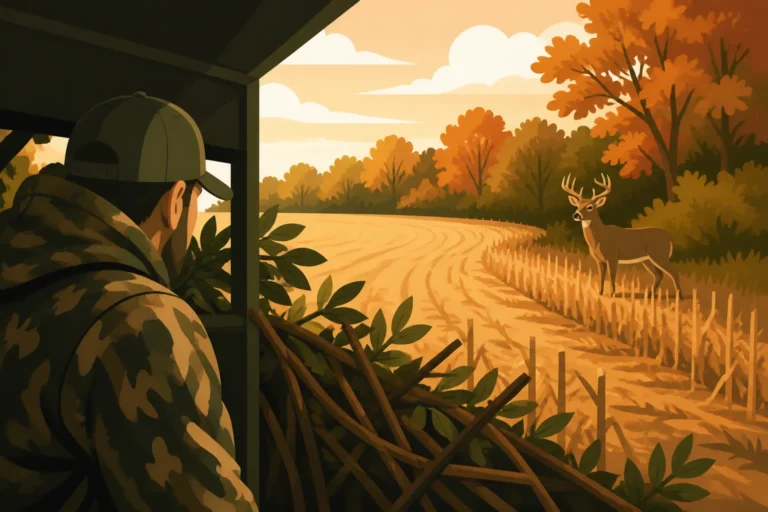
- Stand Type: Both tree stands and ground blinds have their place. A good climbing stick setup with a lightweight portable stand offers flexibility if you need to move based on deer movement or changing conditions. A well-brushed-in Using a Ground Blind on Ohio Public Land (or private) can be incredibly effective, especially if you have limited suitable trees or need to stay concealed in heavy cover.
- Wind and Sun: Always consider the prevailing wind. But also think about the sun. You don't want the rising or setting sun directly in your eyes, or silhouetting you against the sky. A good stand placement offers cover, a clear shot, and keeps you hidden.
| Season | Primary Deer Focus | Recommended Tactics | Stand/Blind Placement |
|---|---|---|---|
| Early | Browsing, entering fields (corn/beans), water | Ambush along trails leading to food or water | Field edges, near water sources |
| Rut | Cruising, chasing does, scraping | Funnels, pinch points, scrape lines, active rubs | Between bedding & feeding, travel corridors |
| Late | Concentrated in cover, seeking food | Overlooking remaining food sources (acorns, brassicas) | Deep cover, south-facing slopes, food plot edges |
Adapting to Seasonal Changes
Deer patterns are highly seasonal, and your woodlot island strategy needs to evolve with the calendar.
- Early Season (September – October): Deer are typically on a summer pattern, focusing on food, water, and security. Hunt trails leading from the woodlot to nearby agriculture like Hunting a Standing Soybean Field or green alfalfa. Early mornings or late evenings are best. Deer are less pressured, so they might be more predictable.
- The Rut (Late October – November): This is when bucks start actively cruising for does. Funnels within the woodlot or between woodlots become absolute highways. Bucks will scent-check thickets for does. This is a great time for calling or rattling to draw attention. Pay attention to Hunting the Rut in Early November.
- Late Season (December – January): Post-rut and post-harvest, deer are focused almost exclusively on survival, meaning food and thermal cover. The woodlot islands become critical sanctuaries. Identify remaining Late-Season Food Sources for Ohio Whitetails nearby, whether it's standing corn left by a farmer, a small food plot, or leftover acorns in the timber. Deer will concentrate in the densest cover for warmth and security. Mornings can be slow, but late afternoon as deer move to feed can be red hot.
Overcoming Common Challenges in Woodlot Island Hunting
While productive, hunting these smaller, isolated woodlots isn't without its hurdles. Being prepared for these challenges can make the difference between success and frustration.
Dealing with Hunting Pressure and Limited Cover
The unfortunate truth about small, isolated woodlots in a heavily agricultural area is that everyone knows where the deer are. This often leads to increased Hunting Pressure on Ohio Public Land (and private land, too).
- Hunt Smarter, Not Harder: If a woodlot is getting pounded, consider hunting the fringes or less obvious access points. Deer will often skirt the edges of heavy pressure, using ditches or thin strips of cover that other hunters ignore.
- Off-Peak Times: Weekday hunts, especially mid-week, can offer a significant advantage over crowded weekends.
- Deep Cover for Bedding: Deer will seek the nastiest, thickest, most difficult-to-access cover within these woodlots. This might be a briar patch so thick you can barely crawl through it, or an area with a lot of downed timber. Most hunters won't penetrate these areas. If you can find a way to quietly get in downwind of these spots, you might find a buck that feels safe.
- Mobile Hunting: Being mobile with a saddle or lightweight climbing stand setup allows you to react to fresh sign and changing pressure. If one spot gets blown out, you can quickly move to another. This is where the principles of Hanging a Stand on an Appalachian Ridge (adapting for flat terrain) apply – finding the right tree in the right spot for the current conditions.
Managing Retrieval and Neighbor Relations
Harvesting a deer is the goal, but in small woodlots surrounded by private land, retrieval can become a sensitive issue.
- Know Your Boundaries (and Your Neighbors): Before you ever step foot in the woods, know exactly where your property lines are. If possible, introduce yourself to neighboring landowners before the season. A friendly conversation and a simple request for permission to retrieve a deer if it crosses the line can save a lot of headaches later. Most landowners are reasonable if approached respectfully.
- Tracking and Blood Trailing: In flat, often open country, a wounded deer can cover ground quickly. Learn effective Blood Trailing After Dark in Ohio techniques, and consider using tracking dogs if legal and available in your area (always check local regulations).
- The "One Shot, One Kill" Mentality: This is paramount in small woodlots. You want to drop that deer within your boundaries. Practice your shooting and know your effective range with your chosen weapon, whether it's a Crossbow Versus Vertical Bow in Ohio or a straight-wall rifle. Take ethical shots and be confident in your abilities.
- Respect the Land: If you do have to retrieve a deer from a neighbor's property, leave absolutely no trace. Close gates, don't damage crops, and be quick and quiet. A positive interaction ensures future access if needed.
Hunting Northwest Ohio's woodlot islands might seem daunting due to their size and surrounding landscape, but with careful planning, diligent scouting, and respectful execution, they can be incredibly rewarding. These small pockets of timber are often overlooked or dismissed as too difficult, but for the hunter willing to put in the effort, they consistently hold big bucks.
Disclaimer
Hunting is an inherently dangerous activity. Always prioritize safety, understand and follow all Ohio Department of Natural Resources (ODNR) regulations, and obtain appropriate licenses and permits before heading afield. The information provided here is for educational purposes and should not replace official hunting regulations or professional guidance. Be sure to check the latest rules and season dates with the ODNR.