Sitting a Field Edge in Late Season
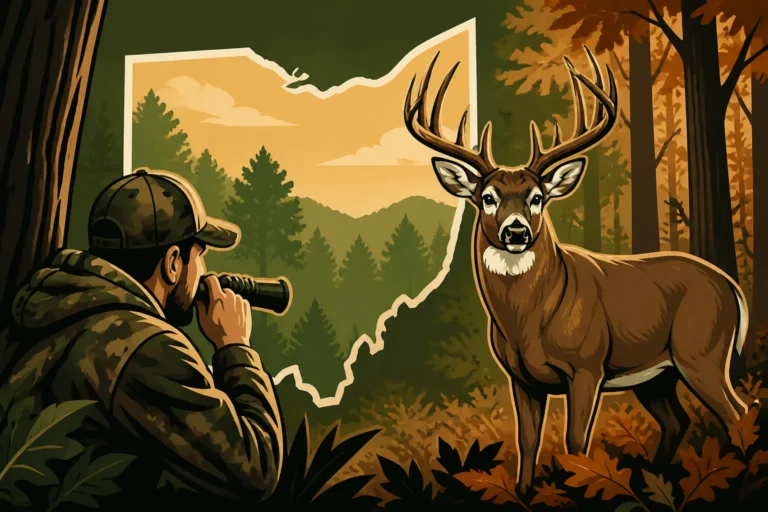
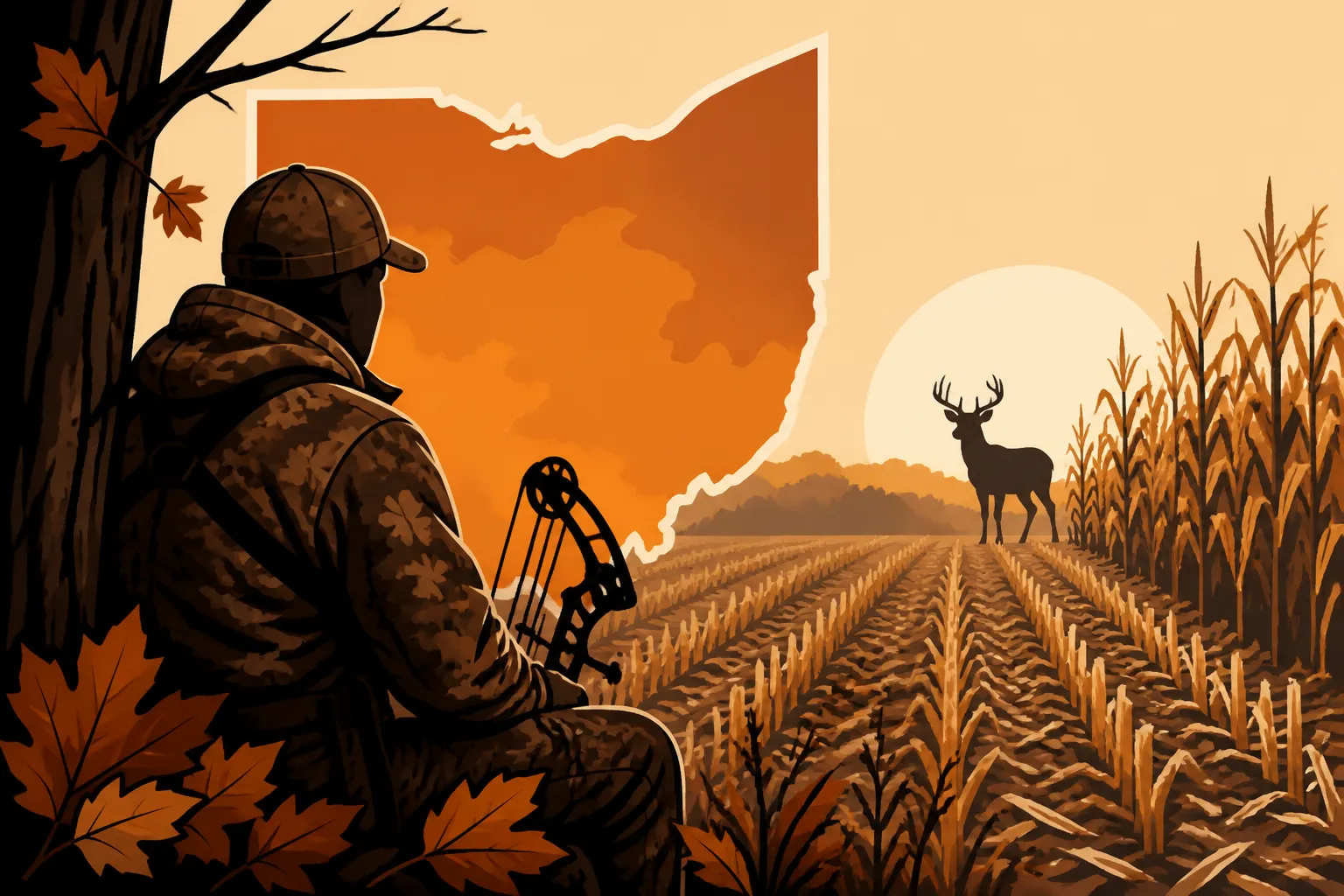
When the chill of late season settles over Ohio, and most of the leaves have fallen, many hunters start to pack it in. It's easy to get discouraged when the woods seem empty, the deer movements are minimal, and the weather is downright brutal. But for those dedicated enough to brave the cold, especially when targeting those vital field edges, there's still a real opportunity. This guide is all about helping you understand how deer use those field edges in late season and equipping you with the tactics and mindset to find success when the mercury drops.
Understanding Late Season Deer Movement Near Field Edges
Late season in Ohio, typically from late November through January, presents a unique set of challenges and opportunities for deer hunters. Gone are the days of the frenzied rut, and the abundant acorn crops have long been devoured. Now, the deer's primary driver is survival, and that means one thing: food.
The Power of Persistent Food Sources
In the late season, food becomes the absolute king. Deer are constantly seeking to replenish energy reserves lost during the rut and trying to put on weight to survive the harsh winter. This singular focus means that reliable food sources will draw deer like a magnet, and field edges often provide exactly what they need. We're talking about standing corn, unpicked soybeans, winter wheat, and brassica plots. Even fields that have been harvested can offer residual grains or browse that become crucial when other natural foods are scarce.
Unlike the earlier parts of the season where deer might prioritize cover or rut-sign, now it’s all about calories. You might have found success in thick timber during the archery season or along travel corridors in November, but as the temperatures plummet, a deer’s priorities shift dramatically. A big, mature buck might tolerate slightly less cover if it means an easier path to a high-calorie meal. This is where agricultural fields truly shine. Even a seemingly barren, picked cornfield can hold enough dropped kernels to make it a prime destination, especially if it's been recently worked and uncovered more food.
It’s often frustrating to sit for hours in the cold, only to see deer magically appear at the very last minute. This staging behavior is common, where deer will gather in dense cover just inside the woods, waiting for prime low-light conditions before stepping out into the open. Understanding this can help you position your stand effectively.
Bedding to Feeding Patterns
Late season bedding areas are generally chosen for two main reasons: proximity to food and thermal cover. Deer want to expend as little energy as possible to get to their meals. This means their bedding sites will often be within easy walking distance of those vital field edges. Look for thick conifer stands, south-facing slopes that catch the sun, or dense briar patches that offer protection from the wind and elements. These areas provide warmth and security, allowing deer to conserve energy during the day.
The travel routes between these bedding areas and the feeding fields are typically short and direct. Deer aren't meandering or cruising for does anymore. They're on a mission. This can make their patterns more predictable, but also means they are incredibly wary. Any slight disturbance along these short routes can send them back into their sanctuaries. The vast majority of movement into these fields will happen during low-light conditions, right at dusk and often extending into the night. It can be incredibly frustrating to sit on stand for hours in the bitter cold, only to have deer pop out into the field just as shooting light fades.
However, extreme cold or heavy snow can alter this. When conditions are truly brutal, deer will often move earlier in the afternoon and stay later into the morning, driven by the sheer necessity of getting enough calories to survive. A heavy snowfall can be a game-changer, pushing deer out of cover and into fields to feed more frequently.
Scouting and Stand Placement for Late Season Field Edges
Effective late-season hunting on field edges isn't just about showing up. It demands meticulous scouting and thoughtful stand placement to intercept deer moving between bedding and feeding.
Reading the Landscape for Feeding Activity
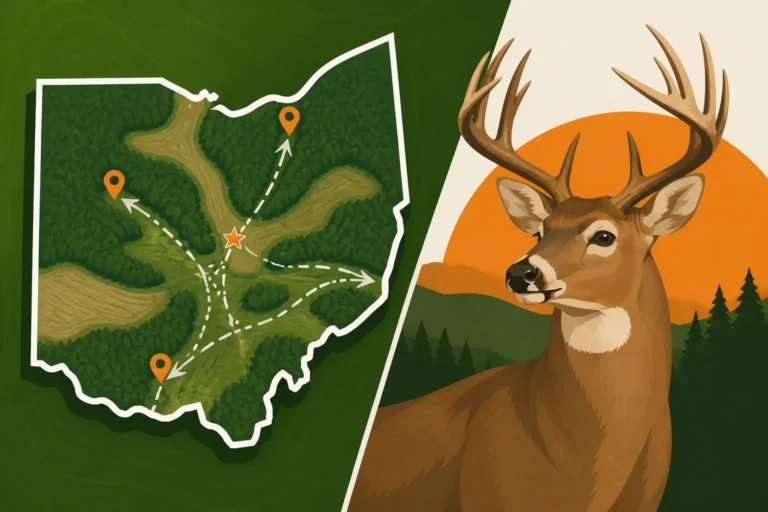
Your scouting efforts in late season should be relentless but low-impact. Use good optics to glass fields from a distance, looking for deer activity without disturbing them. You’re looking for patterns – where deer are entering the fields, where they are concentrating their feeding, and when these movements are occurring. Once you've identified active fields, closer inspection can reveal specific entry points. Look for worn trails, fence crossings, or ditches that funnel deer traffic. These are your high-traffic zones, and they’re gold in the late season.
If you’re lucky enough to have snow on the ground, it becomes your best friend. Reading Ohio Snow for Fresh Deer Movement can provide invaluable intelligence. Fresh tracks tell you exactly where deer are coming from, where they're going, and how recently they were there. Look for areas with heavy track concentrations, as well as droppings and browse lines along the field edges. These signs confirm that deer are not just passing through, but actively feeding and spending time in that specific area. Pay attention to what they are eating. Are they hitting standing corn hard, or are they digging through snow for residual beans? Knowing their preferred food source in that specific field is key.
Identifying these preferred food sources within a larger field can make all the difference. Deer might prefer one section of a standing cornfield that offers better cover, or a specific patch of turnips in a brassica plot. Even in picked fields, they might gravitate towards areas where the combine dropped more grain. Using mapping apps like GoHunt can help you mark these hot spots and visualize the surrounding cover.
Optimal Stand and Blind Locations
When it comes to stand placement, wind direction is absolutely non-negotiable in the late season. Deer are incredibly wary and their sense of smell is their primary defense against predators, especially when moving into open areas. You must hunt with the wind in your favor, carrying your scent away from where you expect deer to approach and enter the field. A swirling wind across an open field is a recipe for disaster; if the wind isn't right, don't hunt that spot. Have multiple stand locations pre-scouted for different wind directions.
You have a few options for your setup. Permanent stands can be great if you own the land and have specific spots in mind year after year. Mobile hang-on stands or climbing stands offer flexibility on public land, allowing you to adapt to changing patterns. Ground blinds are also incredibly effective for late-season field edge hunting, especially if you can get them set up well in advance. Consider Using a Ground Blind on Ohio Public Land, as they provide excellent concealment and much-needed warmth in bitter conditions.
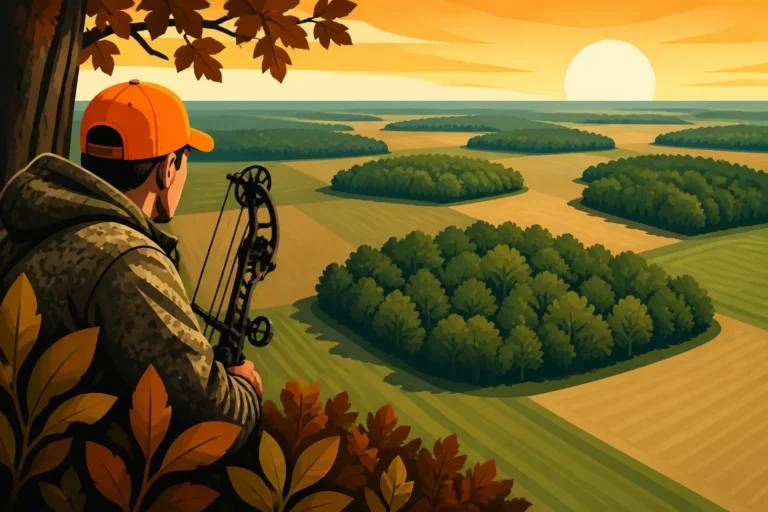
The optimal placement is often 20-30 yards inside the timber edge, or slightly off the main trail that deer are using to enter the field. This allows you to catch them staging, or just as they step out, giving you a slightly earlier shot opportunity before they are fully exposed in the field. Think about your shooting lanes and angles – can you get a good shot at deer entering from multiple directions? Natural cover is your friend. Utilize existing trees, brush piles, or topography to break up your silhouette. If using a ground blind, learn the art of Brushing In a Blind on a Field Edge to make it blend seamlessly into the environment. GoHunt can assist in finding these natural cover elements before you even step foot in the woods.
Finally, plan your entry and exit routes meticulously. This is often the hardest part of hunting field edges. You need to approach and leave your stand as quietly and concealed as possible, without spooking any deer that might be in the field or staging nearby. A bad entry or exit can educate deer for weeks and ruin future hunts in that area.
Gear and Tactics for Cold-Weather Field Edge Hunting
Late season hunting means dealing with the elements, and in Ohio, that often translates to biting cold, wind, and sometimes snow. Staying warm isn't just about comfort; it's about staying focused, still, and ultimately, effective.
Layering for Extreme Cold and Long Sits
Let’s be honest, that late December wind coming across an open field can cut right through you like a knife. The biggest challenge to late season success is often staying warm enough to remain on stand for the critical hours. Proper layering is absolutely essential. Start with a good base layer made of merino wool or synthetic materials that wick moisture away from your skin. Avoid cotton at all costs. Next, add insulating mid-layers like fleece or down – the more still you'll be, the thicker these layers need to be.
Your outer shell needs to be windproof and, ideally, waterproof. Brands like Sitka, Kuiu, or even more budget-friendly options from Cabela's or Bass Pro Shops offer excellent cold-weather hunting gear designed to keep you warm and dry. Don't forget the extremities: a good pair of insulated, waterproof boots, thick wool socks, a warm hat, and a face mask are non-negotiable. Many hunters swear by hand muffs with chemical warmers to keep their hands toasty and ready for a shot. These are crucial components for a successful Cold-Weather Sitting Strategy in Ohio.
The goal is to stay warm enough that you're not shivering. Shivering creates movement and noise, which will absolutely blow your cover with wary late-season deer. Being comfortable allows you to stay focused on the field, spot subtle movements, and be prepared when that deer finally steps out.
Patience and Low-Impact Approach
Late season deer in Ohio are often pressured, highly wary, and incredibly jumpy. Your tactics need to reflect this. Minimize all movement and noise while on stand. Every rustle, every fidget, can be detected by a deer's keen senses. This is a game of extreme patience. You're often waiting for those prime last hours of daylight, so don't get discouraged by slow mornings or early afternoons. Deer activity picks up when the light starts to fade, and they feel more secure coming out into the open.
When it comes to calling, less is often more in the late season. While a quiet grunt or a subtle doe bleat might occasionally pique a deer's curiosity, over-calling will almost certainly spook them. They’ve heard it all before, especially on public land. Forget the aggressive rattling you might have used during the rut; that’s far less effective now. Even Grunt Calls in Mature Ohio Timber will likely be met with suspicion if overdone near a field edge. If you do call, keep it soft and infrequent.
Finally, scent control cannot be overstated. Late season deer rely heavily on their sense of smell. Take every precaution: wash your hunting clothes in scent-free detergent, store them in airtight containers, use scent-eliminating sprays, and pay attention to your boots. Even the slightest hint of human odor can send a mature deer bolting back into the timber.
| Consideration | Late Season Impact | Recommended Approach |
|---|---|---|
| Food Sources | Primary driver for deer movement; focus on high-calorie, persistent options. | Identify standing corn, soybeans, brassicas, or even picked fields with residual grain. |
| Bedding Locations | Close proximity to food; dense cover, thermal advantages (e.g., south-facing slopes). | Scout for thickets or conifer stands within 100-200 yards of feeding fields. |
| Wind Direction | CRITICAL for success; deer use scent as primary defense. | Always hunt with the wind carrying your scent away from anticipated deer movement; have multiple stand options. |
| Entry/Exit | Must be quiet and concealed to avoid spooking wary deer. | Plan routes that minimize exposure to the field and avoid known bedding areas. |
| Gear/Clothing | Extreme cold requires comprehensive layering and insulated accessories. | Invest in quality base layers, mid-layers, windproof outer shells, insulated boots, and hand warmers. |
| Patience | Deer often move in the last hour of daylight; prolonged sits are common. | Be prepared for long, cold waits; resist the urge to move or leave early. |
| Calling/Scents | Minimal calling, if any; subtle grunts or bleats. Strict scent control. | Focus on stealth and concealment rather than aggressive calling; employ full scent elimination regimen. |
Common Mistakes and How to Avoid Them
Even seasoned hunters can make mistakes in the challenging late season. Recognizing these common pitfalls can significantly increase your chances of success when Hunting Ohio Farmland Deer.
Ignoring Wind Direction and Access Routes
One of the most common and easily avoidable mistakes in late season field edge hunting is neglecting the wind. It’s tempting to hunt a "hot" spot regardless of the wind, especially after a long, cold drive to your hunting area. But hunting with a swirling wind or one that blows your scent directly into the field or the deer's approach path is a guaranteed way to go home empty-handed. These deer are on high alert, and a whiff of human scent will send them scattering. You might see deer on the opposite side of the field, but they’ll never get close enough, or worse, they’ll snort and blow, educating every other deer in the area.
To avoid this, use a reliable weather app with wind forecasts, and always confirm wind direction with a powder bottle or milkweed seeds when you get to your stand. Use tools like GoHunt to mark potential stand locations that work for different wind directions. This way, you always have an option, rather than forcing a bad hunt. Equally important is planning your entry and exit. Many hunts are ruined before they even begin because a hunter carelessly walks through a bedding area or crosses a main travel corridor, spooking deer on their way in. Your entry and exit should be as quiet and hidden as possible, ensuring you don't educate the deer you hope to target. If you're Scouting Ohio Public Land Before Season, prioritize finding discreet paths to your desired ambush points.
Giving Up Too Early or Being Too Impatient
It’s easy to get disheartened when you've been sitting for hours in frigid temperatures with no deer activity. The cold can wear on your resolve, making it tempting to call it a day early. This impatience is another common mistake. Deer, especially mature bucks, often wait until the last possible minutes of legal shooting light before stepping out into an open field. Leaving even 15 or 20 minutes early could mean missing your only opportunity.
Commit to staying until the end of Ohio Public Land Hunting Hours. Dress for the cold, bring snacks and a thermos of hot coffee or tea, and practice mental toughness. The late season isn't about high-volume sightings; it's often about one critical encounter. Every time you leave early, you're potentially giving up on that one chance. Furthermore, some hunters make the mistake of over-hunting a single "hot" spot. Deer patterns can change quickly in late season due to pressure or shifting food preferences. Be adaptable. If a spot isn't producing after a couple of well-executed sits, don't be afraid to move and explore other potential areas, even if it means trying out Hunting Northwest Ohio Farmland Deer techniques in a new location. Sometimes, the "late-season rut lull" can create tough hunting, but persistence pays off.
Disclaimer
Hunting is an inherently dangerous activity. Always prioritize safety, understand and follow all Ohio hunting regulations, and ensure you have proper training and equipment. The information provided here is for educational purposes and should not replace professional guidance or official state resources.