Finding Ground Others Walk Past
Ever feel like every prime hunting spot on Ohio's public lands is already claimed? You put in the miles, brave the pre-dawn chill, only to find another hunter's truck parked at your chosen trailhead or a well-worn path leading straight to your "secret" honey hole. It’s a frustrating reality for many, making you wonder if any truly unpressured ground exists. This guide is here to tell you it absolutely does, and we’re going to dig deep into how you can find those overlooked pockets of opportunity that most other hunters walk right past.
Understanding Hunting Pressure in Ohio
Ohio offers a fantastic diversity of hunting opportunities, from the rugged, forested hills of Appalachia to the sprawling agricultural fields of the northwest. However, with a healthy deer population and a passionate hunting community, many popular public land spots can feel a bit like a crowded shopping mall on Black Friday, especially during opening weekends. Understanding why certain areas get hammered and how to identify the subtle signs of overlooked potential is the first step toward finding your own slice of hunting heaven.
The Reality of Popular Public Lands
Let’s be honest: most hunters are looking for convenience. They want to park close, walk a reasonable distance, and be in what looks like "good deer country." This means trailheads, easily accessible woodlots, and areas with obvious features like field edges or prominent ridges see the lion's share of attention. Think about places like Wayne National Forest, which, despite its vastness, can feel pretty small if you only stick to the main access points. The sheer volume of hunters in these easily reached zones creates an environment where deer become nocturnal, extremely wary, or simply move to less disturbed areas. It’s not that deer aren't there; it's that their behavior is drastically altered by constant human intrusion. You often end up hunting ghosts rather than actual deer.
This phenomenon is even more pronounced during peak times like the early archery season and especially during Ohio's two-weekend gun deer season. You might be focused on a specific feature, like a saddle or a thick bedding area, only to find another hunter has the same idea. The best way to combat this is to think differently about what "good deer country" truly means. It's not always the most obvious spot on a map; sometimes it's the place that looks slightly less appealing to the casual eye.
Identifying Overlooked Terrain Features
Deer, by nature, are creatures of efficiency and survival. They will utilize terrain that offers security, food, and water with the least amount of energy expenditure and the highest degree of safety. When faced with hunting pressure, they gravitate towards areas that humans tend to avoid. This includes incredibly dense thickets that are a nightmare to walk through, steep ravines that test your physical limits, or isolated swamps and wet bottoms that seem too marshy to bother with. These "nastier" spots often hold deer that are less pressured and more likely to move during daylight hours.
Look for areas with sharp elevation changes, fingers of timber that extend into open fields, or small, isolated islands of cover in a sea of agriculture. Often, these spots are just a few hundred yards from a road or a main trail, but they require a bit more effort to access or simply don't "look" as inviting. Don't underestimate the power of a small creek bottom or a series of old logging roads that have grown over, creating natural travel corridors that hunters often ignore. For those hunting specific regions, learning to read features like those described in articles like Reading a Ridge for Southeast Ohio Deer can be immensely helpful in pinpointing these overlooked gems.
The Impact of Easy Access
The easier it is to get to a spot, the more hunters it will attract. This is a fundamental truth of public land hunting. Parking lots, well-maintained forest roads, and even designated hiking trails act as natural magnets for hunters. While these areas can still produce, the deer using them are often highly educated. They learn to move away from these access points during legal hunting hours, or they become completely nocturnal, only venturing out under the cover of darkness.
To truly find ground others walk past, you need to be willing to venture beyond these common access points. This might mean adding an extra mile or two to your walk, pushing through an overgrown section, or even utilizing a less-than-ideal parking spot further down a less-traveled road. Consider how deer react to this pressure; they'll often hold tight in dense cover just off the beaten path, waiting for the all-clear. These spots, often within sight or sound of a road, are prime candidates for overlooked bedding areas or staging points. Sometimes, it's about going where no one else wants to go, even if it's not truly remote.
Tools and Tactics for Uncovering Hidden Gems
Finding these elusive spots requires a combination of smart planning, modern technology, and good old-fashioned grit. You can’t just blindly wander into the woods and expect to stumble upon an unpressured honey hole. It takes intentional effort and a willingness to adapt your strategy.
Leveraging Mapping Software
Before you even set foot in the woods, spend some serious time with a mapping application. Platforms like GoHunt are incredibly powerful for virtual scouting, allowing you to scrutinize terrain without burning boot leather. GoHunt's satellite imagery can reveal subtle nuances in the landscape that a traditional paper map simply won't show. Look for changes in timber density, small clearings, thick regrowth, or isolated pockets of conifers in otherwise deciduous forests – these are often deer magnets.
Use the topographical overlays to identify steep draws, hidden benches, and subtle saddles that might not be obvious from the ground. Think about how a deer would travel these features to avoid human contact. Plot potential entry and exit routes that minimize your disturbance and keep you downwind. Pay special attention to property lines, as deer will often cross onto public land from private refuges, especially if the private land is unpressured. Understanding how to use layers for public land boundaries, as discussed in onX Layers for Ohio Land Status, is essential here. You can identify those small public parcels that border vast private tracts where deer feel safe and only venture onto the public side for food or during the rut. GoHunt allows you to mark these potential hotspots, measure distances, and plan your approach with precision, giving you a significant advantage.
Boots-on-the-Ground Scouting Strategies
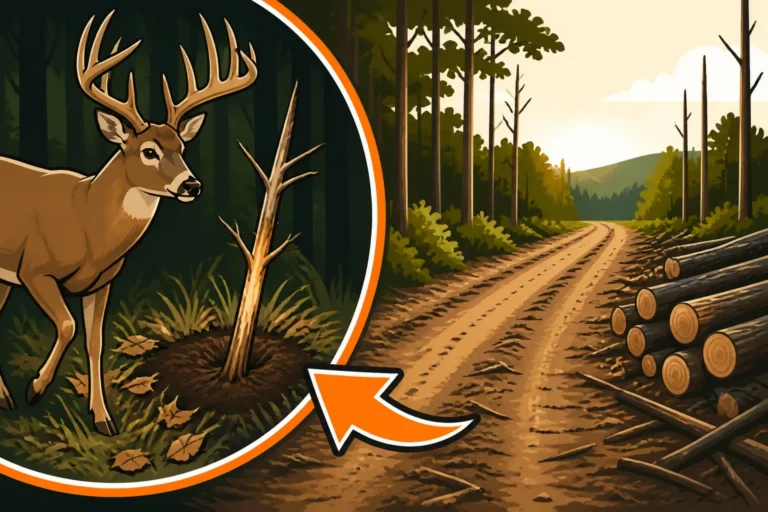
While mapping software is invaluable, nothing beats actual "boots-on-the-ground" scouting. This is where you verify your digital findings and discover things the satellite can’t show you. Focus your scouting efforts in the off-season, long before hunting pressure begins. Look for old rubs, established scrape lines, and well-used trails that indicate consistent deer movement. Don't just walk the obvious trails; push into those thickets, climb those steep hills, and explore those swampy bottoms you identified on your map.
During scouting, pay attention to subtle signs of deer activity that indicate regular use versus transient movement. Are there fresh droppings? Is there bark rubbed clean off saplings? Are there distinct deer beds in the dense cover? Walk the perimeters of those overlooked areas and try to identify natural funnels or pinch points that would concentrate deer movement. These are the spots where you want to set up your stand or blind. When you're scouting, it's also a great time to identify potential treestand locations on Ohio public land, or consider Using a Ground Blind on Ohio Public Land if the cover is right. The more time you spend in the woods, the better you’ll understand deer patterns and how they react to the specific terrain.
Here's a quick comparison of scouting tools:
| Tool/Method | Primary Benefit | What it Reveals | Best Use Case |
|---|---|---|---|
| Mapping App (GoHunt) | Virtual reconnaissance, efficiency | Topography, cover changes, property lines, access | Pre-season planning, identifying likely travel corridors |
| Boots-on-the-Ground | Verifies virtual findings, finds fresh sign | Fresh rubs, scrapes, beds, actual trail use, subtle funnels | Confirming hotspots, finding current deer activity |
| Trail Cameras | Monitors activity over time, confirms nocturnal behavior | Deer presence, time of day movement, buck-to-doe ratios | Post-scouting, monitoring specific pinch points |
| Binoculars/Spotting Scope | Long-distance observation, reduces disturbance | Deer feeding in distant fields, identifying travel routes | Observing deer from afar without entering core areas |
Timing Your Hunts to Avoid Crowds
Even in heavily pressured areas, deer will eventually move. Knowing when to be in the woods can be just as important as knowing where. The vast majority of hunters are active during the first few hours of daylight and the last few hours before dark. If you can extend your sit through the middle of the day, you significantly increase your chances of encountering a deer that is moving between bedding and feeding areas, or simply escaping pressure from morning hunters. This is especially true after the initial rush of opening weekend.
Consider hunting during inclement weather – a light drizzle, a steady snowfall, or even just a particularly cold, windy day will deter many hunters. Deer, however, are still out there, and they might even be more active if they feel the cover of weather reduces their vulnerability. Cold-Weather Sitting Strategy in Ohio can provide excellent tips for staying comfortable and effective in these conditions. Furthermore, hunting on weekdays rather than weekends can drastically reduce the number of other hunters you encounter. If your schedule allows, a Tuesday hunt after a Monday storm can be magical.
Specific Ohio Scenarios for Finding Seclusion
Ohio's diverse landscapes offer unique opportunities to find overlooked ground. Adapting your approach to the specific region you're hunting is key.
Deep Woods in Appalachian Ohio
The rolling, often steep terrain of Appalachian Ohio is physically demanding, and that's exactly why some of the deepest, least-pressured pockets exist here. Most hunters won't venture more than a mile or so from their vehicle, especially if it involves navigating a steep ascent or descent. Focus on topo maps and look for the most unforgiving sections: the deep, dark ravines with thick rhododendron and hemlock stands, or the steepest, most remote ridge points that require significant effort to reach.
Deer in these areas learn to use these elevation changes to their advantage, often bedding on benches just below the crest of a ridge, where they have a commanding view of the downhill approach and the wind to their back. When pressured, they’ll simply drop into the deepest hollows. Hanging a Stand on an Appalachian Ridge is a good starting point, but consider going even further. Think about isolated finger ridges that run off the main spine of a hill, or the headwaters of small creeks that carve out steep, convoluted drainages. These are natural sanctuaries where deer feel secure. You might not see as many deer per sit, but the deer you do encounter are often older, less wary, and more likely to move in daylight.
Small, Isolated Woodlots in Farm Country
In Ohio's agricultural belt, particularly areas like Northwest Ohio, the landscape is often dominated by vast fields of corn and soybeans, punctuated by small, fragmented woodlots. These smaller timber blocks might seem too small or too exposed to hold significant numbers of deer, and many hunters overlook them for larger chunks of cover. However, these "woodlot islands" often serve as critical bedding and staging areas, especially if they're surrounded by food.
The key is to find the woodlots that are just inconvenient enough to access, or those that have an awkward shape that doesn't lend itself to easy hunting. A woodlot that's a long walk from the nearest road, or one that has a swampy edge that deters casual access, can be gold. Deer will bed in the thickest cover available, and often these small woodlots have dense edges or interior brush that provides excellent sanctuary. When they feel pressure from hunters or nearby farm activity, they'll often hunker down in these small pockets. Look for pinch points created by ditches, fencerows, or creek bends that funnel deer into or out of these woodlots, especially when they're heading to or from Hunting a Standing Soybean Field. These smaller tracts also see less competition for specific stands, making it easier to execute a strategy without interference.
Overlooked Water Features and Cover
Water is a critical resource for deer, and often, neglected creek bottoms, marshy areas, or small ponds on public land can hold surprising numbers of deer. Many hunters avoid these spots due to mud, mosquitoes, or difficult terrain, but that’s exactly why deer seek them out. During the late season, when standing water can freeze, these spots become even more crucial as reliable sources of unfrozen water.
In the flatter regions of Ohio, a meandering creek with thick brush along its banks can act as a natural highway for deer, connecting larger woodlots or moving between bedding and feeding areas. The dense cover along the banks provides security, and the slight elevation changes can offer travel advantages. Similarly, small, isolated marshy areas, even those that seem too wet for deer, often have higher ground within them or along their edges that serve as bedding sites. Deer will use these areas to escape pressure, especially during the gun seasons when the woods are full of activity. These "nasty" low-lying areas, with their unique microclimates and thick cover, are prime spots for Working a Creek Bottom for Late-Season Deer or finding a less-pressured rutting buck. Don't be afraid to get your feet wet (or wear good rubber boots!) to explore these overlooked sanctuaries.
Making the Extra Effort Pays Off
Finding ground others walk past isn't about magical secrets or hidden maps; it's about a combination of diligent scouting, thoughtful strategy, and a willingness to put in more effort than the average hunter. It means studying your maps, even using premium features on tools like GoHunt to understand the topography and cover. It means exploring areas that look less appealing on the surface but offer hidden advantages for deer. And it means adapting your hunting times to catch deer when they're most vulnerable and least pressured. The satisfaction of harvesting a deer from a spot you painstakingly discovered, knowing you put in the work to find that unpressured haven, is unparalleled. It truly transforms your Ohio hunting experience from a gamble to a calculated success.
Disclaimer
Hunting is an inherently dangerous activity. This guide is for informational purposes only and does not endorse unsafe practices. Always follow all applicable Ohio hunting regulations, possess the necessary licenses and permits, practice responsible gun and bow safety, and hunt ethically. Be aware of your surroundings, understand private property boundaries, and prioritize safety above all else.