Scrape Lines Along a Logging Road
It can be incredibly frustrating to scout tirelessly, find what looks like promising deer sign, only to discover later that you were just a day late or a dollar short. Those elusive bucks often leave their calling cards in predictable spots, and nowhere is this more evident than with scrape lines along logging roads. This guide is all about helping you decode those hidden messages and turn them into successful hunts, especially here in Ohio where these features are common.
Understanding the Allure of Logging Road Scrapes
Logging roads, whether active or long abandoned, are absolute magnets for whitetail deer, especially mature bucks looking to leave their mark. It’s not just about easy travel; these roads create a unique set of conditions that make them prime real estate for deer communication. If you've ever walked one and wondered why you see so much more activity along them compared to dense timber, you're onto something big.
Natural Travel Corridors and Edge Habitat
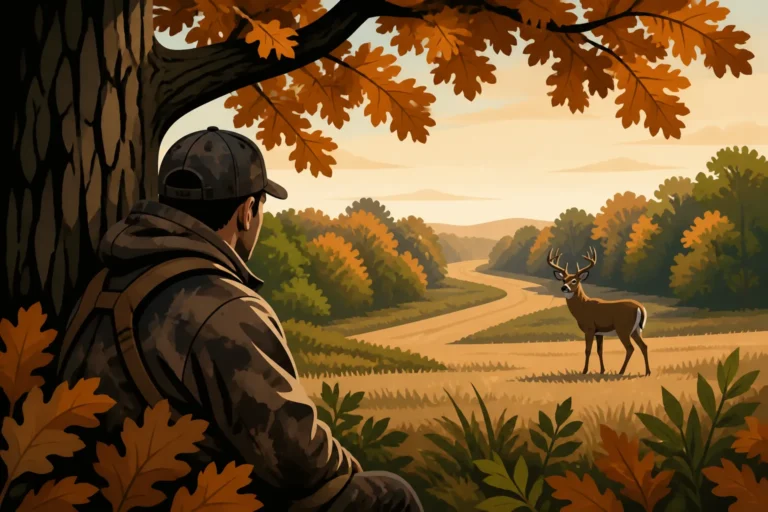
Think about it: deer are creatures of efficiency. A logging road provides an open lane through dense timber, making travel from bedding areas to food sources, or from one ridge to the next, much less energy-intensive. Instead of pushing through thick underbrush, they can trot along a relatively clear path. This makes these roads natural travel corridors, often connecting various crucial deer habitats. In places like Wayne National Forest or Shawnee State Forest, where the timber can be incredibly thick, these roads are like highways for deer. They offer a clear pathway, and bucks, especially when they're on the move during the rut, will use them extensively.
Beyond just travel, these roads create incredible edge habitat. The transition from the open roadbed to the thick woods on either side is a deer's dream. Deer thrive on edge habitat, as it provides both cover and easy access to different food sources. This edge is often where you’ll find saplings and brush growing back, providing browse, while the timber just beyond offers security. Bucks feel comfortable moving along these edges, using the cover to their advantage while still being able to survey their surroundings. It's this combination of easy movement and perceived security that makes these corridors so appealing for laying down scent.
Communication Hubs
Scrapes aren't just random acts of ground pawing; they are vital communication hubs, especially as the fall progresses into the breeding season. Bucks use scrapes to signal their presence, their readiness to breed, and their dominance to other deer in the area. Imagine it like a public bulletin board for deer. When a buck makes a scrape, he's actively depositing scent from glands on his forehead and preorbital area onto an overhanging branch (the "licking branch"), and then urinating into the scraped earth, depositing scent from his tarsal glands. This potent cocktail of smells sends a clear message.
Other deer, both bucks and does, will visit these scrapes. Does will check them to see what bucks are in the area, and rival bucks will visit to assess the competition or even leave their own scent. This means a single scrape, or a line of scrapes along a logging road, can be a snapshot of the local deer hierarchy and breeding activity. Understanding Hunting the Ohio Rut in Early November means understanding these communication points. You might find a small, satellite buck checking a scrape left by a much larger, dominant buck, providing a fascinating insight into the social dynamics of the herd. These spots become especially active just before and during the peak of the rut, making them high-value targets for observant hunters.
Identifying and Interpreting Active Scrape Lines
Finding a scrape is one thing, but knowing if it's currently being used, or if it's just an old relic from last season, is crucial. You don't want to spend precious hunting time sitting over a defunct signpost. Learning to read the subtle clues deer leave behind is an art form, and it's what separates consistently successful hunters from those who just get lucky now and then.
Visual Cues and Ground Disturbance
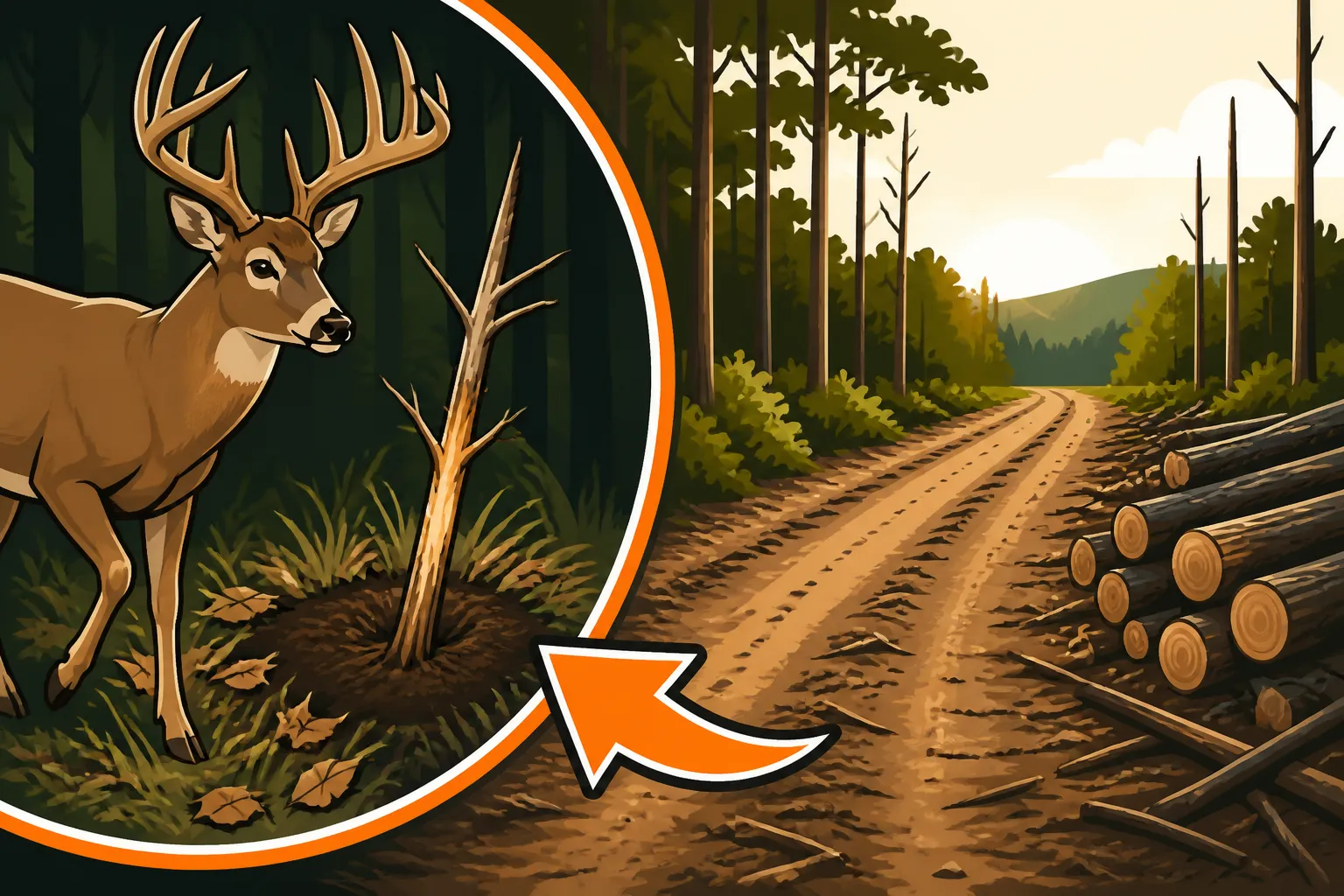
The first thing you're looking for is the physical appearance of the scrape itself. An active scrape will have freshly disturbed earth. The soil will look moist, darker, and the leaf litter will be pushed aside, revealing bare dirt. You might even see fresh claw marks from where the buck pawed the ground. If the edges are crisp and the soil looks recently turned, that's a good sign. Inactive scrapes, on the other hand, will start to grow over with leaves, grass, or even small weeds. The edges will be less defined, and the dirt will look drier and more weathered.
Beyond the scrape itself, look for other visual cues. Are there fresh tracks in the soft soil of the logging road leading to or from the scrape? Are there fresh droppings nearby? These are tell-tale signs that a buck has been there recently. Don't just glance; get down on your hands and knees and really examine the area. You might find subtle details that confirm recent activity. Sometimes, especially in the early archery season, you might find scrapes that are just starting to form, indicating bucks are beginning to establish their communication networks.
Overhanging Branches and Scent Glands
Perhaps the most critical component of an active scrape, even more so than the disturbed earth, is the "licking branch." This is an overhanging branch, typically 3-5 feet off the ground, that the buck chews, rubs his preorbital and forehead glands on, and often urinates beneath. An active licking branch will show signs of recent fraying, fresh chew marks, or even a slick, darkened appearance from repeated contact with the buck's forehead glands. The leaves might be torn or missing.
When you find a scrape, always look up. If there's no suitable licking branch, or if the one present shows no sign of recent attention, the scrape is likely not highly active. The combination of freshly pawed earth and a worked licking branch is a powerful indicator that a buck is frequently visiting that location. Pay close attention to these branches; they are the equivalent of a deer's social media post. Using tools like the Ohio HuntFish map and even third-party apps like GoHunt can help you mark these locations precisely for future reference, allowing you to build a detailed picture of deer movement over time.
Tracking Buck Activity Near Scrapes
Interpreting the entire picture around a scrape line is key to understanding the buck using it. Look for associated rubs—freshly scraped trees where bucks have rubbed their antlers, depositing more scent. Are the rubs large, indicating a mature buck, or smaller, perhaps from a younger animal? Are there multiple rubs leading to or from the scrape, creating a "signpost" area?
Tracks in the soft earth of the logging road or around the scrape can tell you a lot. Large, splayed tracks usually indicate a bigger-bodied deer. Are they fresh? Are there multiple sets of tracks, suggesting several deer are using the area? Reading Ohio Snow for Fresh Deer Movement can provide invaluable insights during late season, showing you exactly how and when deer are moving around these scrape lines. You might also find beds in thick cover just off the logging road, indicating a buck is bedding nearby and routinely checking his scrape line. The more corroborating evidence you find—fresh rubs, tracks, droppings, and worked licking branches—the higher the probability of consistent buck activity.
Strategic Hunting Tactics for Logging Road Scrapes
Once you've identified an active scrape line along a logging road, the next step is to strategize your hunt. This isn't just about setting up any old treestand; it's about making a calculated move that maximizes your chances while minimizing your impact. You're trying to ambush a creature with an incredible sense of smell and hearing, so every detail matters.
Optimal Stand Placement and Wind Direction
This is probably the most critical aspect of hunting scrapes. You need to position yourself downwind of the scrape and any likely approach routes for the deer. Logging roads, while great for deer travel, can also funnel your scent directly to them if you're not careful. Consider the prevailing winds for the time of year you're hunting. If the wind typically blows from the west, you want your stand to the east of the scrape, with the deer approaching from the west. This ensures your scent is carried away from the travel corridor.
Look for a suitable tree in the dense timber along the edge of the logging road, far enough back that you're concealed, but close enough for an ethical shot. Often, the ideal spot isn't directly over the scrape, but rather along an approach trail to the scrape or a natural pinch point on the logging road that the buck will use before or after visiting the scrape. These might be a bend in the road, a small rise, or a crossing point. Having a good understanding of Treestand Setups in Appalachian Ohio Hardwoods can be a game-changer for these situations. Remember, deer will often approach a scrape cautiously, scent-checking the area before committing, so you need to be invisible and odorless.
Using Scent and Decoys
While scrapes themselves are scent-based, adding a bit of extra enticement can sometimes tip the scales in your favor. Estrous doe urine can be incredibly effective during the peak of the rut, especially if you believe a dominant buck is working the scrape. Apply it sparingly near the scrape or on a fresh licking branch (you can even create a new, secondary licking branch if the primary one isn't ideal for your setup). Buck urine or interdigital gland lure can also be used to challenge a dominant buck, but use these with caution, as they can sometimes deter rather than attract if used incorrectly or too heavily.
Decoys can also play a role, particularly a single buck decoy positioned to face the scrape, making it look like another buck is tending it. This can draw in curious or challenging bucks, giving you a shot. However, decoys aren't always suitable for public land or heavily pressured areas, as they can also spook deer or attract other hunters. Always consider your specific hunting environment. For Ohio hunting, using a mock scrape with quality commercial lures, perhaps from a brand like Wildlife Research Center or Tink's, along the logging road can also draw in bucks, especially if no natural scrapes are present or well-placed for your hunt. Mapping apps like GoHunt can help you visualize where a mock scrape would best fit into the overall terrain and potential deer movement patterns.
Timing Your Hunt for Peak Activity
Scrapes are not consistently active 24/7. Bucks primarily tend scrapes during low-light hours – early morning and late evening – and often at night. Your best bet is to be in your stand well before dawn or stay until dark. During the actual rut, however, bucks can visit scrapes at any time of day as they actively pursue does. This is when the "all-day sit" becomes a viable strategy.
Monitoring game cameras on scrapes can give you crucial intel on when bucks are most active. If you notice a particular buck is hitting the scrape consistently between 9-11 AM, that's your window. Pay attention to weather patterns too. Bucks tend to be more active on cool, crisp days following a cold front. A table illustrating general scrape activity might be helpful:
| Time of Season | Buck Activity at Scrapes | Optimal Hunting Times | Scent Strategy |
|---|---|---|---|
| Pre-Rut (Early Oct) | Establishing scrape lines, checking frequently | Early morning, late evening | Subtle buck urine, dominant buck lure |
| Peak Rut (Late Oct – Mid Nov) | Most active, checking multiple times a day | All day, especially mid-morning | Estrous doe urine, challenge buck lure |
| Post-Rut (Late Nov – Early Dec) | Less active, only checking occasionally | Early morning, late evening | Minimal scent, focus on food sources |
| Late Season (Dec – Jan) | Very sporadic, almost no activity | Focus on food, not scrapes | N/A |
Remember, Hunting the Rut in Early November means maximizing your time near these communication hubs. If you're seeing consistent midday activity on your trail camera, that's a strong indicator to be in your stand.
Common Mistakes and How to Avoid Them
Even with the best intentions and solid intel, it's easy to make mistakes when hunting scrape lines. Deer are incredibly wary, and a single misstep can ruin a hunt, or even an entire season in a particular area. Learning from common pitfalls is just as important as knowing what to do right.
Overhunting and Spooking Deer
This is probably the most common mistake. Once you find an active scrape, it's tempting to want to hunt it every single day. However, repeated intrusion, especially if you're not meticulously managing your scent or entry/exit routes, will quickly make a buck go nocturnal or abandon the area entirely. Deer, especially mature bucks, are incredibly sensitive to human presence. The more times you go in and out, the more scent you leave, and the more likely you are to bump deer.
Instead of overhunting, try a "hit list" approach. Identify several active scrape lines or signpost rubs and rotate between them. Hunt a scrape for one or two sits, then give it a few days to a week to "cool off" before returning. Use trail cameras (if allowed on public land in Ohio) to monitor activity without physically going in. When you do enter or exit, do so quietly, under the cover of darkness, and with the wind in your favor. This is where scouting tools, like detailed maps from GoHunt, can help you plan the quietest and most efficient routes in and out of your chosen stand locations. You'll thank yourself when that big buck finally makes an appearance during shooting light.
Ignoring Other Sign
While scrape lines are fantastic indicators of buck activity, they shouldn't be your only focus. Sometimes, hunters get so fixated on finding that perfect scrape that they ignore other crucial pieces of the puzzle. What about the feeding areas? What about the bedding areas? Where are the primary travel corridors leading to and from the scrapes?
A scrape line on a logging road is often just one piece of a much larger movement pattern. You need to understand the entire ecosystem. Are there parallel deer trails in the woods just off the road that deer are using to avoid the open logging road itself? Are there secondary scrapes or rubs nearby that indicate the general direction of buck travel? If you're Hunting Small Woodlots Near Suburban Columbus, for instance, scrapes might be few and far between, but understanding every sign, from faint tracks to subtle rubs, becomes paramount. Always zoom out and look at the bigger picture. Scrapes are communication centers, but you need to know who's communicating, where they're coming from, and where they're going. Look for fresh mast crops like acorns or late-season food sources nearby; these will tell you why deer are in the area to begin with.
Conclusion
Hunting scrape lines along logging roads in Ohio can be one of the most exciting and rewarding strategies for chasing whitetails. These natural funnels and communication hubs offer a unique opportunity to intercept bucks that are actively moving and leaving their scent. By understanding why bucks use these areas, meticulously interpreting the signs of active scrapes, and employing smart hunting tactics, you can significantly increase your odds of success. Remember to be patient, stay scent-conscious, and always respect the wary nature of the whitetail deer.
Disclaimer
Please note that hunting regulations, seasons, and licensing requirements can change. Always consult the most current Ohio Department of Natural Resources (ODNR) hunting regulations and local ordinances before heading into the field. This guide is for informational purposes only and should not replace official sources.