Pheasant Hunting a Northwest Ohio Ditch Line
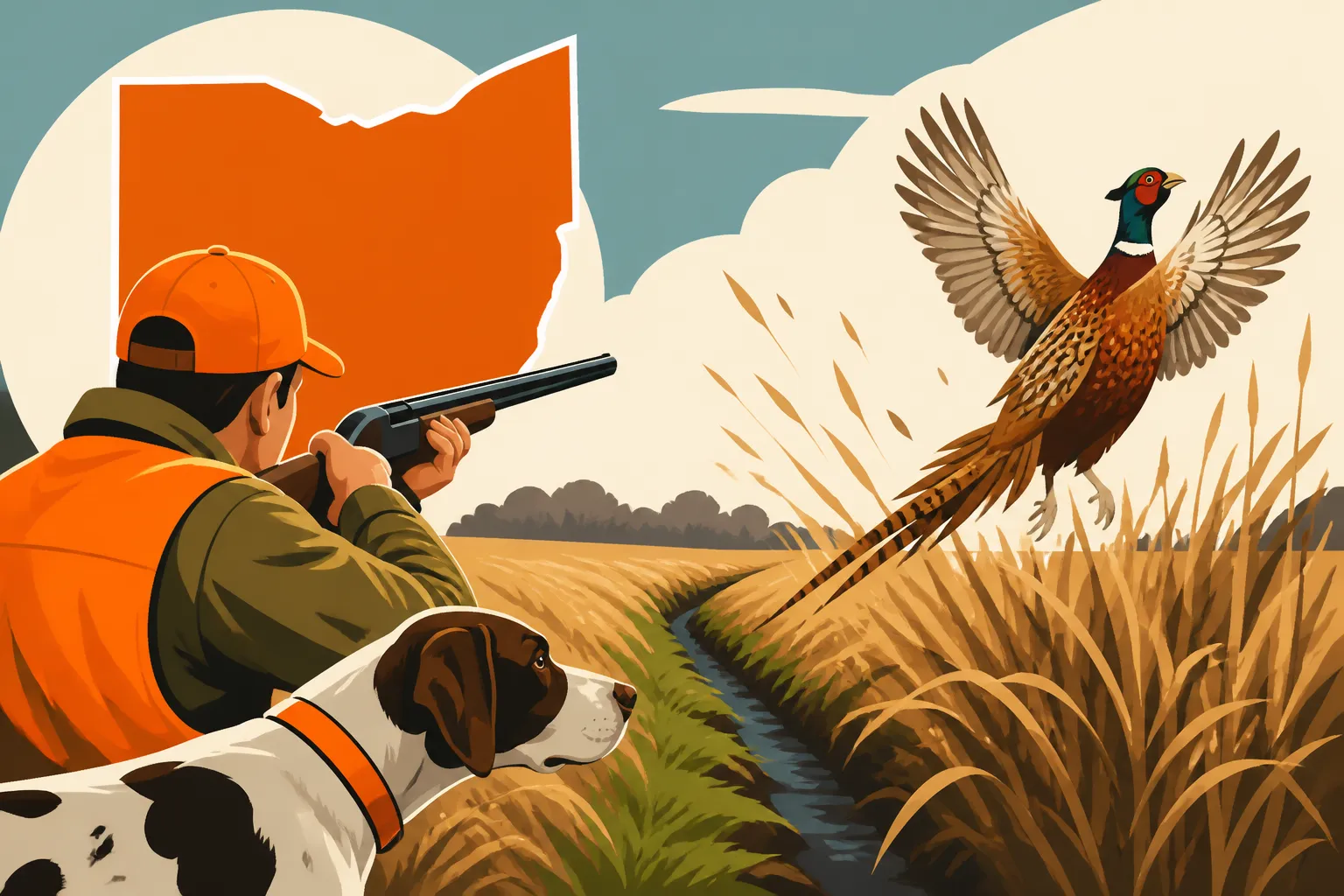
Hunting pheasants along Northwest Ohio's endless ditch lines can feel like searching for a needle in a haystack, especially when the surrounding fields are stripped bare. Many hunters get frustrated, walking miles only to flush a single hen or nothing at all. But don't give up hope! This guide will break down the secrets to effectively hunting these often-overlooked linear strips of cover, helping you understand how ringneck roosters utilize them and giving you the strategies to put more birds in your vest.
Understanding Northwest Ohio's Ditch Line Ecosystem
Northwest Ohio is a patchwork of vast agricultural fields, and while these fields are essential for our food supply, they often leave little natural cover for wildlife. This is where ditch lines become absolute havens for pheasants, turning what looks like an insignificant strip of weeds into prime hunting ground.
Why Pheasants Gravitate to Ditch Lines
Think about it: in a landscape dominated by corn, soybeans, and winter wheat, a ditch line is often the only consistent, year-round cover available. These narrow strips, often bordering fields, roads, or property lines, provide crucial thermal protection from biting winter winds and snow. They offer a place to escape predators like coyotes and hawks, especially when the crops are down. During colder months, the thicker, often taller vegetation within these ditches can act like a natural windbreak, creating microclimates that are several degrees warmer than the exposed fields.
Beyond shelter, ditch lines are also food sources and travel corridors. Insects, weed seeds, and waste grain from adjacent fields accumulate here. Pheasants will use these lines to travel unseen between feeding areas and roosting sites. In the springtime, hens might even nest in the dense grasses and forbs that line these ditches, making them vital throughout the year for the pheasant lifecycle. Without these linear strips, pheasant populations in heavily farmed regions would be severely limited.
Identifying Productive Ditch Lines for Hunting
Not all ditch lines are created equal, and knowing what to look for can save you a lot of walking. The most productive ditch lines aren't just ditches; they're strips of diverse, often tangled vegetation that offer multiple layers of cover. Look for a mix of tall grasses, cattails, multiflora rose, small brush, and even some scattered small trees. This variety provides both overhead and ground-level protection.
Start your scouting by using aerial mapping tools like GoHunt. This kind of app is invaluable for identifying potential hotspots from the comfort of your home. Zoom in and look for ditch lines that connect to larger blocks of cover, even if those blocks are small woodlots, CRP fields, or uncultivated corners. Pheasants often move from these larger cover areas into ditch lines for daytime loafing or feeding. Pay attention to how these lines intersect with agricultural fields; those bordering corn or soybean fields are goldmines, as they offer immediate access to food. Also, look for any breaks or changes in elevation that might create pockets of extra dense cover where a bird might feel secure enough to hold tight. Don't forget to verify land ownership for permission – it's crucial to understand and respect Ohio Trespass and Permission Law before stepping foot on private ground.
Essential Gear and Canine Companions for Ditch Line Hunts
Hunting ditch lines is a specific endeavor that benefits from the right equipment and, ideally, a well-trained dog. You're not walking open fields; you're often pushing through thorny, dense cover, and you need to be prepared for those quick, close flushes.
Shotgun and Ammunition Choices
For pheasant hunting in these tight, linear strips, you'll want a shotgun that's quick to shoulder and capable of delivering a solid pattern at close to medium ranges. A 12-gauge is always a popular choice, offering plenty of knock-down power, but a 20-gauge can be a fantastic option as well, being lighter and often faster-handling, which is a real advantage in thick cover where shots are fast and furious. When considering Upland Guns for Fencerow Cover, think about a pump or semi-automatic with a 26 or 28-inch barrel for good maneuverability without sacrificing swing.
As for ammunition, lead shot in sizes 4, 5, or 6 is generally ideal for pheasants. Number 5 shot is a fantastic all-around choice. In the dense cover of a ditch line, birds will often flush close, so you'll want a choke that spreads the pattern a bit more. Modified or Improved Cylinder are excellent starting points. Some hunters even prefer Skeet or Cylinder choke for the initial shot in really tight stuff, followed by a Modified for a second shot. Always pattern your shotgun with your chosen loads to see how they perform. While not typically required for pheasants on private land, be aware that non-toxic shot is mandatory in some areas, especially on federal lands or certain state wildlife areas.
Dressing for the Ditch Line Terrain
Ditch lines are rough. You'll encounter briars, thorny bushes, tangled vines, and often wet, muddy ground. Standard jeans just won't cut it. Investing in durable brush pants or chaps made from tough, briar-resistant materials like Cordura or waxed cotton is non-negotiable. These will protect your legs from punctures and scrapes, making the hunt much more enjoyable and preventing you from looking like you wrestled a wildcat.
Footwear is equally critical. Waterproof boots with good ankle support are essential. You'll likely be slogging through mud, standing water, and dew-soaked vegetation. Nothing saps the fun out of a hunt faster than cold, wet feet. Consider boots designed for upland hunting or even quality rubber boots if the conditions are particularly swampy. Layering is also important, as you'll be exerting a lot of energy pushing through cover, but then standing still for periods. Finally, for safety, always wear visible orange. Ohio Blaze Orange Requirements mandate wearing an outer garment of solid hunter orange or camouflage hunter orange during many hunting seasons, and it's simply good practice when hunting with others, especially in dense cover where visibility is limited.
The Indispensable Role of a Good Bird Dog
While you can hunt pheasants in ditch lines without a dog, a good bird dog dramatically increases your chances of success and minimizes lost birds. Pheasants are notorious for running, and they can seemingly vanish into thin air in thick cover. A well-trained flushing dog, like a Labrador Retriever, Springer Spaniel, or Brittany, will methodically work the ditch, pushing birds out that you would have walked right past. They use their keen sense of smell to locate birds that are holding tight, even "pinning" them until they decide to flush.
Beyond flushing, a dog's most valuable contribution in a ditch line hunt is retrieving. A pheasant, especially a big rooster, can be tough to bring down, and if it sails into dense cover after the shot, finding it without a dog is often impossible. A reliable retriever ensures that downed birds aren't wasted. When thinking about Bird Dog Gear for Ohio Farm Country, consider an e-collar for control and communication in thick cover, and a protective vest for your dog to prevent cuts and scrapes from briars and sharp sticks. Make sure your dog is well-hydrated, especially on warmer days, and keep an eye on their paw pads for any signs of injury.
Strategic Approaches and Safety on the Ditch Line
Hunting ditch lines requires a bit more thought than simply walking them. Effective strategy, coupled with a strong emphasis on safety, will make your hunt both productive and enjoyable.
Walking the Line: Effective Flushing Tactics
The key to successful ditch line pheasant hunting is to be thorough and patient. If you're hunting alone, walk slowly, zig-zagging slightly within the ditch to cover as much ground as possible. Pause frequently – pheasants often hold tight, and a pause can make them nervous enough to flush. Walk into the wind if possible; pheasants prefer to run into the wind, which can make them hold tighter or, if they do run, make them easier for a dog to track.
With a small group (2-3 hunters), you can be much more effective. Have one or two hunters walk within the ditch, actively kicking and beating the cover, while another hunter (or two, if the ditch is wide) walks parallel to the ditch, just outside, acting as a "blocker." This prevents birds from simply running out the side and escaping into the open field. The blocker can also pick up birds that flush wild and fly across the field. Always communicate, letting each other know where you are and if a bird flushes. For more general tactics, check out Pheasant Hunting Ohio Farm Country. Remember, pheasants tend to run down the ditch, so planning an ambush at the end can be very effective if the ditch is long and terminates in a good blocking position or another piece of cover.
Communication and Safety Protocols
Safety is paramount, especially when hunting dense cover with multiple people. Always maintain a clear understanding of each other's positions and known safe zones of fire. When a bird flushes, clearly communicate "Bird!" or "Rooster!" and indicate its direction of flight. Only take shots when you have a safe backdrop and are absolutely certain of your target and what lies beyond it. In thick cover, it's easy to lose sight of your hunting partners, so constant communication (verbal or whistle commands) is crucial.
Be mindful of property lines, roads, and dwellings. Northwest Ohio is a mix of agricultural land and rural residences. Always know what's beyond the ditch line you're hunting. Never shoot towards roads, buildings, or livestock. Remember that Ohio Legal Shooting Hours apply, so plan your hunts to ensure you are within legal timeframes. These often begin 30 minutes before sunrise and extend to 30 minutes after sunset. Double-check the current regulations each season to be sure.
Reading the Environment: Sign and Behavior
Becoming a more successful pheasant hunter involves learning to read the subtle signs that birds leave behind. Look for pheasant tracks in muddy areas, dusting bowls (shallow depressions where birds dust themselves), and droppings. Fresh sign indicates active use of the ditch. The type of cover also tells a story: extremely dense, thorny thickets are often where birds will hold tightest, especially on cold or windy days. Lighter cover might be used more as a travel corridor.
Weather plays a huge role in pheasant behavior. On cold, windy days, birds will often be hunkered down deep in the thickest cover, making them hold tighter and more likely to flush within shotgun range. On warmer, calmer days, they might be more inclined to run out the end of a ditch or flush wild from lighter cover. Pay attention to recent pressure as well; birds on heavily hunted public land will be warier and more prone to running. Adjust your pace and dog handling accordingly. Scouting the area with tools like GoHunt or even physically walking it during the off-season to identify prime holding spots can give you a significant advantage.
Beyond the Flush: Regulations and Respectful Hunting
Bringing a pheasant to hand is a satisfying moment, but the responsibilities of a hunter extend beyond the shot. Understanding and adhering to regulations, fostering good relationships with landowners, and properly caring for your harvest are all crucial aspects of the experience.
Understanding Ohio's Pheasant Regulations
Before you even step into a ditch line, make sure you're up to date on Ohio Small Game and Upland Bird Seasons. These dates can shift slightly year to year, and knowing the legal season opening and closing days, as well as daily bag limits, is fundamental. Ohio typically allows for a generous pheasant season, but it's important to differentiate between wild birds and any stocked birds if you happen to be on a managed property.
Ensure your hunting license and any necessary permits (like the Ohio Migratory Bird Harvest Information Program endorsement, even if pheasants aren't migratory) are current. If you're introducing someone new to the sport, consider starting them off under Ohio Apprentice Hunter Rules. This program allows new hunters to experience hunting with an experienced mentor before completing hunter education. Always verify these details with the Ohio Department of Natural Resources (ODNR) for the most current information.
Building Relationships for Future Access
Much of Northwest Ohio's prime pheasant habitat is on private land. The ability to access these properties often hinges on the relationships you build with landowners. Always ask for permission before you hunt. A simple knock on the door, a polite conversation, and a sincere request can go a long way. When granted permission, be an exemplary guest: drive slowly, close all gates, stay away from livestock, pick up any spent shells, and never litter. Consider offering a portion of your harvest as a thank you; a few pheasant breasts can make a lasting impression.
These positive interactions aren't just about courtesy; they're an investment in future opportunities. A good reputation spreads, and you might find doors opening on other properties. Using mapping tools like GoHunt can help identify property boundaries, which is crucial for knowing whose door to knock on. By consistently demonstrating respect and responsible behavior, you contribute to a positive image of hunters and help secure access for generations to come, especially for pursuits like Hunting Small Private Tracts in Ohio.
Meat Care in the Field
Once you've successfully harvested a pheasant, proper meat care begins immediately to ensure the best table fare. Pheasants are delicious, but like all wild game, they need to be handled correctly. If it's a warmer day, get the bird field dressed as soon as possible. This involves removing the entrails, which helps the carcass cool down more quickly. You can often simply pluck or skin the breast and legs right in the field to reduce weight and size for transport.
Keep the bird cool, especially if you're hunting on a mild October or November day. A game bag or even a cooler with some ice (kept separate from the meat) will help preserve the quality. Once home, clean the bird thoroughly, package the meat in freezer-safe bags or vacuum seal it, and either refrigerate for immediate use or freeze for later enjoyment. A well-cared-for pheasant from an Ohio ditch line is a culinary treat that perfectly caps off a rewarding hunt.
| Shotgun Gauge | Recommended Choke (First Shot) | Recommended Shot Size | Typical Range in Ditch Line | Notes |
|---|---|---|---|---|
| 12 Gauge | Modified or Improved Cylinder | #5 or #6 lead | 15-35 yards | Most versatile, good power, wide ammo selection. Use Modified if longer shots are common. |
| 20 Gauge | Improved Cylinder or Light Mod | #5 or #6 lead | 10-30 yards | Lighter, faster swinging. Excellent for close, fast-flushing birds in dense cover. |
| 16 Gauge | Modified | #5 lead | 20-35 yards | A classic upland choice, good balance of pattern density and power. Ammunition can be harder to find. |
Disclaimer
The information provided in this guide is for general educational purposes only and is not a substitute for official regulations. Hunting laws and seasons are subject to change. Always consult the current Ohio Department of Natural Resources (ODNR) hunting regulations before engaging in any hunting activities. Safety should always be your top priority.