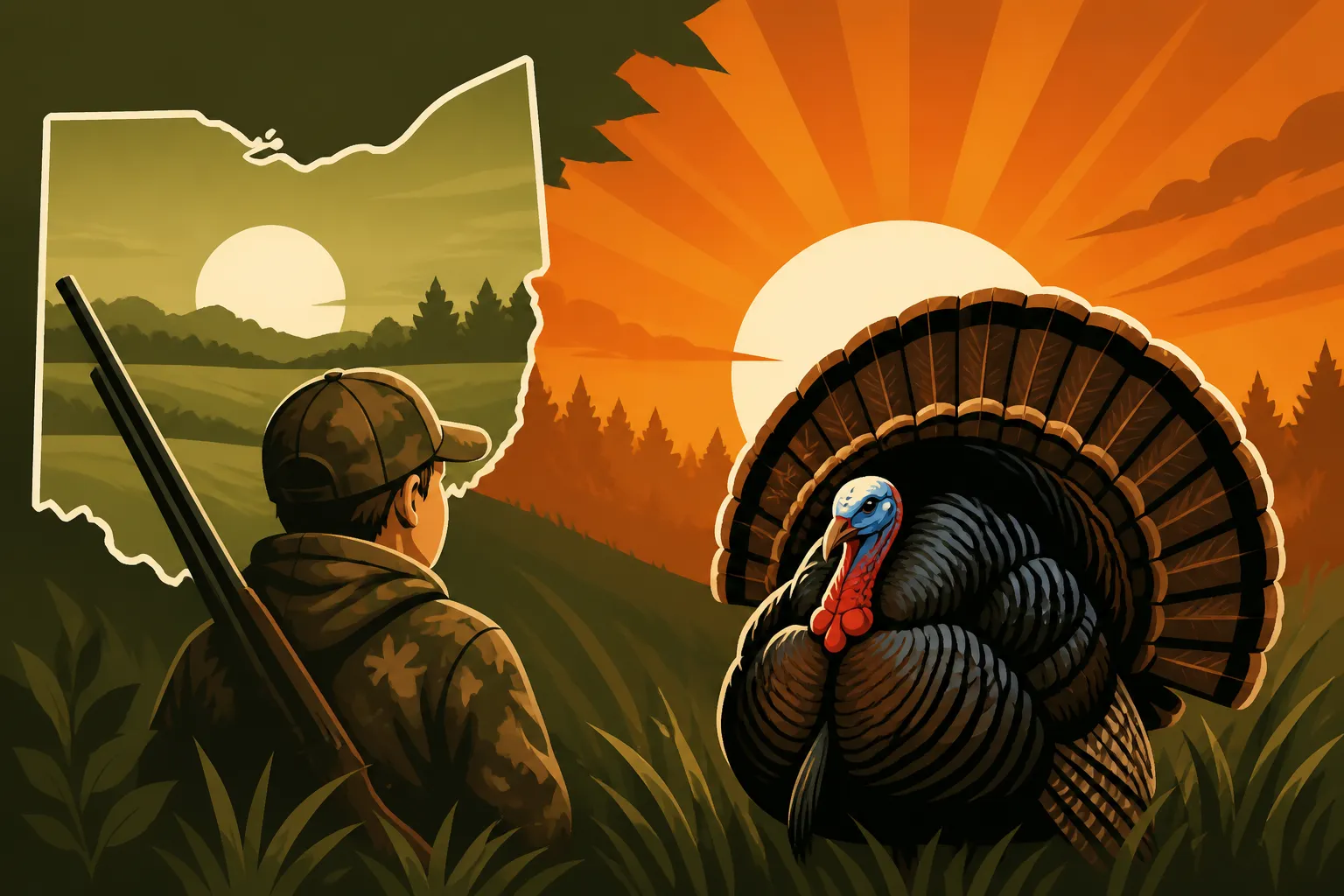
Hunting the South Zone Youth Turkey Weekend
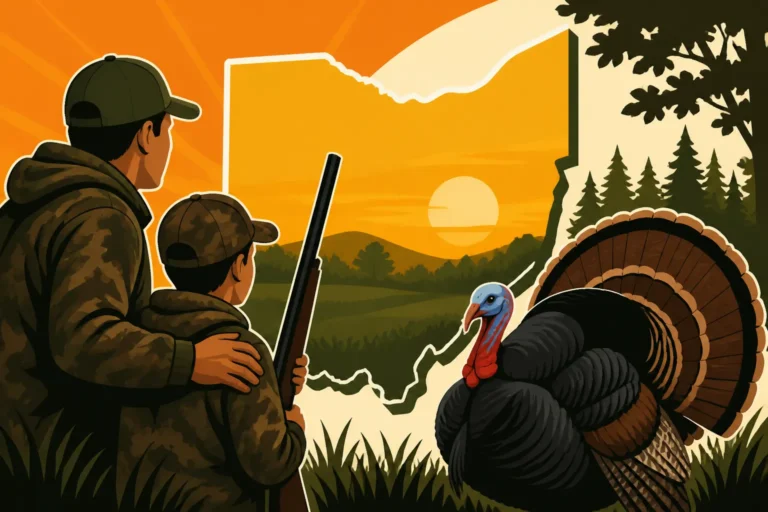
Introducing a young hunter to the thrill of spring turkey hunting is one of the most rewarding experiences a mentor can have, but it also comes with its own unique set of challenges. Between managing expectations, ensuring safety, and simply trying to get a gobbler to cooperate, it can feel like a lot to juggle. This guide is dedicated to helping you navigate Ohio's South Zone Youth Turkey Weekend, providing insights and practical advice to make it a memorable, successful, and most importantly, fun experience for both you and your young protégé.
Understanding Ohio's South Zone Youth Turkey Weekend
The youth turkey weekend in Ohio is a special time, designed to give young hunters an exclusive opportunity to chase gobblers before the general season opens to all. It's a fantastic initiative by the Ohio Department of Natural Resources (ODNR) to foster new generations of hunters and connect them with the outdoors.
Eligibility and Key Dates
First things first, who exactly can participate in this special weekend, and when does it take place? The Ohio Youth Turkey Weekend is open to hunters 17 years of age and younger. They must be accompanied by a non-hunting adult (18 years of age or older) who holds a valid Ohio hunting license. This adult is there to supervise, mentor, and ensure safety, but they cannot carry a hunting implement or participate in the actual harvest. It's truly about the youth experience.
The dates for this weekend are crucial, as they precede the statewide regular season. Typically, the South Zone Youth Turkey Weekend falls in late April, offering a prime window when gobblers are often still active and responsive before increased pressure changes their behavior. Always double-check the current year's Ohio Spring Turkey Zones and Dates through the ODNR's official channels, as these can sometimes shift slightly. This early access means potentially less competition on public lands and a more focused experience for the youth hunter.
South Zone Specifics
Ohio is divided into two turkey hunting zones: the South Zone and the Northeast Zone. The South Zone generally encompasses the vast majority of Ohio's counties, particularly those in the central, western, and southern regions. Understanding Ohio South Zone Turkey Rules is essential, as the season dates for the youth hunt, and indeed the regular season, can differ slightly from the Northeast Zone.
The advantage of hunting in the South Zone, especially during the youth weekend, is the sheer variety of terrain and habitat. From the rolling hills of Appalachia to the sprawling farmlands and woodlots of western Ohio, you'll find different hunting scenarios. The key is to leverage this varied landscape to your advantage, scouting areas that might hold less pressure or offer easier access for a young hunter. Familiarizing yourself with the specific regulations for your chosen South Zone county is paramount before heading afield.
The Importance of a Youth-Specific Season
This dedicated youth season is more than just an early start; it's a strategic move to create a less intimidating and more educational environment. When the woods aren't filled with adult hunters, young people have a better chance to hear gobblers, practice their calling, and set up without feeling rushed or crowded.
It provides an unparalleled opportunity for mentorship. The focus shifts entirely to the young hunter's learning and enjoyment, rather than the pressure of a personal harvest. This makes it ideal for teaching patience, woodsmanship, and responsible hunting ethics. The non-hunting mentor can focus 100% on guiding, spotting, and assisting, ensuring the youth has the best possible chance at success and a deep, positive memory of their time in the field.
Pre-Season Preparation for Young Hunters
Success during the youth turkey weekend often begins long before opening morning. Involving your young hunter in the preparation process not only increases their investment but also significantly boosts their chances of success and enjoyment.
Scouting Together
One of the most valuable lessons you can impart is the importance of pre-season scouting. This isn't just about finding birds; it's about teaching your young hunter to read the land, identify turkey sign, and understand turkey behavior. Take them out a few weekends before the season to listen for gobblers Calling an Ohio Gobbler Off the Roost, look for tracks and droppings, and pinpoint potential roost trees.
Use maps, including those available on apps like GoHunt, to identify likely areas such as ridge tops, creek bottoms, and field edges where turkeys might be active. Walk the property with them, showing them how to identify scratching in the leaves, dusting bowls, and feather piles. This hands-on experience builds their confidence and teaches them crucial skills that transcend just turkey hunting, making them a more capable outdoorsperson in the long run. Identifying active areas where birds are feeding and roosting is half the battle won.
Gear for Youth
Having the right gear is critical, especially for young hunters who might be more sensitive to discomfort. Their shotgun should fit them properly. Many manufacturers offer youth model shotguns with shorter stocks and lighter frames, making them easier to handle and reducing felt recoil. A 20-gauge shotgun is often an excellent choice, providing sufficient power for turkey while being more manageable than a 12-gauge for smaller frames. Ensure you pattern the Turkey Shotguns and Chokes with the specific turkey loads they'll be using to understand its effective range.
Comfortable, layered clothing that blends into the environment is also a must. Ohio spring mornings can be chilly, but midday can get quite warm. Moisture-wicking base layers, an insulating mid-layer, and a quiet, waterproof outer layer are ideal. Don't forget a comfortable vest with a seat pad, suitable boots, and a face mask or head net to break up their silhouette. Let your young hunter help pick out their gear; it makes it "theirs" and increases their excitement. For calling, consider simple push-pull calls or slate calls. While you might carry more advanced Turkey Calls Worth Carrying in Ohio, letting them experiment with easier calls can be very rewarding.
Hunter Education and Safety
Before any hunting trip, proper Ohio Hunter Education Requirements are non-negotiable. Ensure your young hunter has completed their hunter education course. This foundational training covers firearm safety, wildlife identification, hunting ethics, and regulations. It's not just a legal requirement; it's a vital part of responsible hunting.
Beyond the formal course, reinforce safety principles constantly. The four basic rules of firearm safety should be second nature: always treat every firearm as if it's loaded, always point the muzzle in a safe direction, always be sure of your target and what's beyond it, and always keep your finger off the trigger until you are ready to shoot. Discuss safe zones of fire, proper carrying techniques, and the importance of clear communication in the field. This constant reinforcement instills good habits and ensures a safe, enjoyable experience for everyone involved.
Tactics for a Successful Youth Turkey Hunt
With preparations complete, the moment arrives to put boots on the ground. Effective tactics tailored to a youth hunter's abilities and patience are key to turning pre-season dreams into reality.
Setting Up for Success
When hunting with youth, mobility can be a double-edged sword. While it's great to Run-and-Gun Turkey Tactics on Public Land if the birds aren't cooperating, sometimes the best approach for a young hunter is to get comfortable and stay put. Utilizing a ground blind can be incredibly advantageous. A pop-up blind offers concealment, allows for subtle movements, and provides protection from the elements, which can significantly extend a young hunter's patience. Plus, you can bring a comfortable chair and snacks!
Position the blind strategically, facing a known strut zone or a field edge where you've seen turkeys before. If a blind isn't an option, Setting Up Against a Big Oak or any wide tree with good back cover is crucial. Make sure the young hunter has a clear, safe shooting lane in the most likely direction a bird will approach. For youth, it's often better to wait for a bird to come in close, ideally within 20-30 yards, to ensure a clean shot and maximize their chances of success. Patience is paramount, and a comfortable setup will aid greatly in maintaining it.
Calling Strategies for Kids
Calling turkeys is an art, and it's something young hunters can quickly get interested in. While you, the mentor, might handle the primary calling duties, involve your youth hunter by letting them try some simpler calls. A box call or a push-pull call can produce realistic hen sounds with minimal practice. This engagement keeps them actively involved and creates a sense of contribution.
Focus on subtle, realistic calling. In the early season, aggressive calling can sometimes scare off wary birds, but during the youth weekend, with less overall pressure, a confident but not overly aggressive approach can work. Start with soft tree yelps and clucks from the roost, and once birds are on the ground, switch to more varied hen vocalizations. If you hear a distant gobble, use apps like GoHunt to mark its location and plan your approach. Don't be afraid to try some excited cutting if a gobbler hangs up. The goal is to make the bird believe a receptive hen is waiting, enticing him to close the distance into your setup.
Patience and Positive Reinforcement
Let's be real: hunting with kids isn't always about filling tags. It's often more about the experience. There will be slow periods, missed opportunities, and maybe even a few complaints about sitting still. This is where your mentorship truly shines. Encourage, praise effort, and celebrate every small victory. Did they spot a squirrel? Point out a deer? Successfully make a turkey sound? These are all wins.
Manage expectations from the outset. Explain that turkeys are wild animals, and there are no guarantees. Emphasize the beauty of being in nature, the thrill of listening to the woods wake up, and the pure excitement of hearing a gobbler sound off. If a bird doesn't come in, or if a shot is missed, focus on what was learned, not what was lost. A positive attitude, regardless of the outcome, will ensure your young hunter wants to come back next year.
After the Shot: Mentorship and Memories
Should your young hunter be successful in harvesting a turkey, the learning and mentoring opportunities continue. These moments are just as crucial for solidifying their connection to hunting.
Field Dressing and Checking In
Once a bird is on the ground, involve your young hunter in the process of Field Dressing a Deer in Cold Weather, albeit with turkey specifics. Explain why it's important to cool the bird down quickly. Show them how to remove the entrails or breast out the bird. This teaches respect for the animal and appreciation for the wild game it provides.
After the field dressing, Ohio regulations require all harvested turkeys to be checked in. This can often be done online through the Ohio Wildlife Licensing System or via the Ohio HuntFish mobile app. Some counties may still offer physical check stations, which can be a great way for a young hunter to see other successful hunters and their birds. Ensure you understand The Ohio Deer Checking Deadline (it applies to turkeys too!) and adhere to it. The information gathered during check-in is vital for ODNR's wildlife management efforts, helping to ensure healthy turkey populations for future generations.
Celebrating the Experience
Whether a turkey is harvested or not, the youth turkey weekend is about making lasting memories. Take plenty of photos. Talk about the exciting moments: the gobbler on the roost, the near miss, the sound of crickets at dawn. These stories will be retold for years to come.
Reflect on the lessons learned. What did your young hunter observe about turkey behavior? What did they learn about patience or calling? This debriefing reinforces their learning and helps them grow as hunters. Perhaps plan to go Hunting the South Zone Youth Turkey Weekend again next year, or explore other opportunities like Ohio's Shotgun-Only Fall Turkey Season. The goal is to cultivate a lifelong passion for hunting and the outdoors, where success isn't always measured in pounds of meat but in shared experiences and deepening bonds.
Ohio Youth Turkey Weekend Summary Table
To help keep track of the critical aspects of the South Zone Youth Turkey Weekend, here's a quick reference guide:
| Category | Details | Key Considerations |
|---|---|---|
| Eligibility | Hunters 17 years old and younger. | Must be accompanied by a non-hunting adult (18+ with valid license). |
| Season Dates | Precedes general spring turkey season. Typically late April for South Zone. | Always confirm current year's dates with ODNR. Ohio Spring Turkey Zones and Dates are available annually. |
| Hunting Zone | South Zone (most of Ohio's counties). | Be aware of specific Ohio South Zone Turkey Rules and county lines if applicable. |
| Required Licenses | Youth hunting license and Ohio wild turkey permit for the youth. Adult mentor needs a valid hunting license. | Ohio Youth and Senior License Discounts might apply for permits. Federal migratory bird stamp NOT required for turkeys. |
| Bag Limit | Generally one bearded turkey for the youth season, total Ohio Spring Turkey Bag Limit is two bearded turkeys for the entire season. | Confirm specific limits for the current season. |
| Legal Equipment | Shotgun (20 gauge often recommended for youth), or archery equipment. | Ensure shotgun fits youth and is patterned for turkey loads. |
| Mentor's Role | Non-hunting adult, supervises, teaches, ensures safety. Cannot carry hunting equipment. | Focus 100% on the youth's experience and education. |
| Check-In | Mandatory for all harvested turkeys. | Use online system, Ohio HuntFish App, or physical check stations. Adhere to check-in deadlines. |
| Key Tactics | Ground blinds, close-range setups, realistic calling, patience, positive reinforcement. | Prioritize comfort and safety for the young hunter. Involve them in scouting and calling. |
Disclaimer
Always consult the official Ohio Department of Natural Resources (ODNR) hunting regulations for the most current and accurate information regarding season dates, bag limits, licensing, and any other rules or requirements before planning your hunt. State regulations can change annually, and compliance is the hunter's responsibility.