Filling a Deer Management Permit in Ohio
It’s a common scenario for many Ohio hunters: you’ve filled your primary buck tag, perhaps even harvested a nice doe early in the season, but those additional deer management permits are still burning a hole in your pocket. The thought of heading back out, especially as the weather turns frigid or after the peak rut, can feel like a chore. Yet, these permits are a vital tool for wildlife management, helping control local deer populations and alleviate agricultural damage. This guide will demystify the nuances of Ohio's deer management permits and equip you with the knowledge and tactics to successfully fill those tags, even when it feels like an uphill battle.
What Exactly is an Ohio Deer Management Permit?
For those new to hunting in the Buckeye State, or even seasoned hunters who haven't delved into the specifics, the Ohio deer management permit can sometimes be a source of confusion. Unlike your regular either-sex deer permit, which typically allows you to harvest one antlered deer or one antlerless deer per license year, management permits are specifically designed to help control the deer population by encouraging the harvest of antlerless deer.
The Purpose Behind the Permit
At its core, the deer management permit isn't just about giving hunters more opportunities; it's a strategic tool employed by the Ohio Department of Natural Resources (ODNR) to maintain a healthy and balanced deer herd. When deer populations become too dense in certain areas, it can lead to a host of problems: increased deer-vehicle collisions, overbrowsing of natural vegetation which negatively impacts other wildlife, and significant crop damage for farmers. These permits provide a flexible mechanism for hunters to contribute directly to population control, ensuring the long-term health of the ecosystem and mitigating conflicts with human interests. It's a way for hunters to be active participants in conservation, addressing local issues with a statewide impact. For a deeper dive into the overall regulatory framework, you can learn more about the specifics of the Ohio Deer Season Structure Explained.
Distinguishing Management Permits from Standard Deer Tags
The primary difference you'll encounter is that a deer management permit is almost exclusively for antlerless deer. This means you cannot harvest an antlered buck using one of these permits, regardless of how small its antlers might be. Your standard deer permit typically allows you to take one deer, which can be either antlered or antlerless, though many hunters reserve this for their desired buck. Management permits, by contrast, focus solely on the female segment of the population, which is key to controlling reproduction rates. They are often less expensive than an either-sex permit, and in many counties, hunters can purchase multiple management permits, reflecting the ODNR's goal to increase antlerless harvest in specific regions. Understanding How Ohio Deer Management Permits Work is crucial for planning your season effectively.
Understanding the Rules for Management Permits
Navigating the regulations for deer management permits in Ohio can feel like reading a legal document, but it's essential for staying compliant and making the most of your hunting opportunities. The rules are in place for good reason, guiding ethical and effective population management.
Antlerless-Only Harvest and County Variations
As mentioned, deer management permits are designated for antlerless deer only. This is a non-negotiable aspect of these tags. An "antlerless deer" in Ohio is defined as any deer without antlers, or a deer with antlers less than three inches in length. This strict definition ensures that the permits fulfill their intended purpose of culling the female segment of the herd.
What truly complicates matters, and where many hunters need to pay close attention, is the county-specific nature of these permits. While the antlerless rule is statewide, the availability and limits on management permits vary significantly from one county to another. Some counties, particularly those with higher deer densities or significant agricultural land, may allow hunters to purchase an unlimited number of deer management permits. Other counties might have a limit of one or two, or not offer them at all if the deer population is lower. The ODNR's goal is to target specific areas for herd reduction, so it's absolutely vital to check the current hunting regulations for the county you plan to hunt in before purchasing or attempting to fill a management permit. This dynamic system reflects real-time population data and ecological considerations. Further details on these specific guidelines can be found by researching Ohio Antlerless-Only Permit Rules.
Season Validity and Checking Requirements
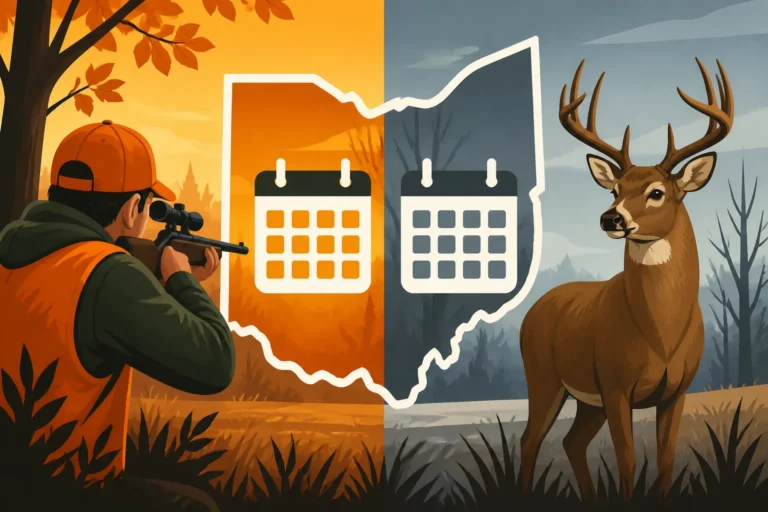
Deer management permits are generally valid during Ohio’s archery, gun, and muzzleloader seasons. This broad applicability gives hunters ample opportunity to use their tags throughout the long hunting calendar. However, it's always wise to double-check the exact dates and weapon restrictions for each specific season, as these can impact when and how you can fill your permit. For instance, while you can use a management permit during both the archery and gun seasons, the methods you employ will naturally differ.
Once you’ve successfully harvested an antlerless deer using a management permit, the same rigorous checking and reporting rules apply as with any other deer. Ohio mandates that all harvested deer must be checked in online or via phone by noon the day after the kill. This data is critical for the ODNR to monitor harvest rates, assess herd health, and make informed decisions about future regulations. Failing to properly check in your deer can result in legal penalties, so always prioritize this step. Even the most experienced hunters rely on tools like GoHunt's mobile app for quick, on-the-go access to regulations and checking systems, ensuring compliance wherever they are in the field. To understand the entire process, refer to the detailed guidelines on Ohio Deer Checking and Reporting Rules.
Here's a quick look at how county permit limits can vary across Ohio:
| County Type | Deer Density (Relative) | Antlerless Management Permit Limit (Typical) | Example Counties (Illustrative) | Primary Goal |
|---|---|---|---|---|
| High Density Farmland | Very High | Unlimited | Wyandot, Paulding, Hancock | Significant Population Reduction, Crop Protection |
| Mixed Habitat/Suburban | High | 2-3 Per Hunter | Licking, Fairfield, Delaware | Moderate Population Control, DVC Reduction |
| Forested/Appalachian | Moderate | 1 Per Hunter | Athens, Vinton, Scioto | Maintain Balance, Prevent Overbrowsing |
| Low Density | Low | None (Only Standard Either-Sex) | Geauga, Ashtabula | Preserve Growth, Minimal Intervention |
Note: This table provides typical scenarios. Always consult the current Ohio Hunting Regulations for the most up-to-date and specific rules for your chosen county.
Effective Strategies for Filling Your Management Permit
Successfully filling a deer management permit, especially late in the season or after the rut, often requires a shift in tactics. You’re not chasing that elusive mature buck anymore; your focus is on locating and ethically harvesting an antlerless deer. This means concentrating on doe behavior, food sources, and less-pressured areas.
Scouting for Doe Groups and Family Units
Antlerless deer, particularly does, tend to congregate in family groups. These groups often consist of a mature doe, her fawns from the current year, and sometimes yearlings from the previous year. Instead of looking for scrapes, rubs, or bachelor groups of bucks, you should be keying in on areas where does prefer to feed and bed. Think about dense thermal cover that provides security, particularly in colder weather. South-facing slopes that catch more sunlight, or thickets and cedar groves, are often prime bedding areas for does looking to stay warm and safe.
During early archery season, you might find these groups still somewhat dispersed, but as pressure mounts and temperatures drop, they'll tighten up. Focus your scouting efforts on identifying clear travel corridors between these bedding areas and preferred food sources. Using mapping applications, like those offered by GoHunt, can help you quickly identify potential pinch points, field edges, and creek bottoms that serve as natural travel routes. Look for multiple deer tracks, smaller droppings, and browse lines that indicate sustained feeding activity from a group of deer rather than a lone buck. Knowing where deer gather can also help with methods like Deer Drives With Three or Four Hunters if you decide to try that approach on a larger property.
Capitalizing on Late-Season Food Sources
As the season progresses and temperatures plummet, food becomes the paramount driver of deer movement. Early season food sources like acorns, soft mast, and lush alfalfa fields might be depleted or covered in snow. Your success in filling a management permit during the late season will heavily depend on your ability to locate and hunt the remaining, high-energy food sources.
Standing agricultural crops are absolute magnets. Think about unharvested corn or soybean fields, particularly those that offer a measure of cover. Farmers often leave standing corn as a buffer, and deer will funnel into these areas for warmth and sustenance. Winter wheat plots, brassicas, or even natural browse like honeysuckle and greenbrier can be crucial in areas without agriculture. During extremely cold snaps, deer will seek out the most calorie-rich foods available. Setting up an ambush point near a field edge, especially one with good cover for yourself, or along a known travel route to a late-season food source, can be incredibly effective. For detailed information on what deer are eating in the colder months, read up on Late-Season Food Sources for Ohio Whitetails. Patience is key here; deer may not move until late in the afternoon or right at first light.
Hunting Pressure and Public Land Considerations
Public hunting lands in Ohio, while abundant, can also experience significant hunting pressure, especially during the gun seasons. This pressure often pushes deer, particularly wary does, into dense, overlooked pockets of cover. If you're hunting public land, be prepared to walk further and penetrate deeper into less accessible areas that other hunters might skip. These "sanctuaries" are where does and their fawns will often seek refuge.
Consider scouting areas that are just off the beaten path – a small swampy area, a steep ravine, or a thick clear-cut that's too difficult for most hunters to navigate easily. Using an app like GoHunt can help you identify these overlooked spots and visualize terrain features that provide natural barriers to human traffic. For instance, Scouting Ohio Public Land Before Season can reveal hidden pockets that hold deer throughout the hunting season. If you are hunting closer to urban areas, specific programs like Ohio Urban Deer Hunt Programs might be available, often focused on antlerless harvests to manage suburban deer populations. These programs often come with unique regulations and increased opportunities for management permit success.
On private land, obtaining permission from landowners can open up incredible opportunities, especially if they are experiencing deer damage. Farmers are often eager for hunters to thin out their doe population, and you might find less competition and more predictable deer patterns. Many landowners manage their property to encourage healthy deer populations, and you can learn about specific allowances by researching Ohio Landowner Deer Permit Rules. Building a good relationship with a landowner can be invaluable for filling those management tags year after year.
Practical Considerations After the Harvest
The moment of truth arrives, and you’ve successfully harvested an antlerless deer using your management permit. While the thrill of the hunt might be over, your responsibilities as a hunter are not. Proper care and reporting are paramount, ensuring the meat is high-quality and you remain compliant with Ohio's regulations.
Field Dressing and Transporting Your Deer
After a successful shot, the immediate priority is to field dress your deer promptly. This process removes the internal organs, allowing the carcass to cool down quickly, which is critical for preserving the quality of the venison. In cold weather, this is less urgent than during warm early-season hunts, but it's always best practice. Pay careful attention to sanitation and ensure you have a sharp knife and gloves. If you're hunting in rugged terrain, consider quartering the deer in the field to make transport easier, especially if you’re far from your vehicle. For detailed steps on how to handle your harvest in less-than-ideal conditions, check out tips for Field Dressing a Deer in Cold Weather.
Transporting the deer requires planning. If you’re hunting on public land, many areas have regulations regarding vehicle access, so be prepared for a drag or to use a deer cart or sled. On private land, you might have more flexibility. Always ensure the deer is secured and respectful of public view during transport. Remember to keep your filled permit properly attached to the deer, as required by Ohio law.
Ohio's Deer Checking and Reporting System
Ohio has a robust online and telephone checking system that all hunters must use for every harvested deer. It’s absolutely essential to check in your deer by noon the day following the harvest. This system collects vital data for wildlife management and helps the ODNR track harvest trends.
Here’s a general overview of the process:
- Tag Your Deer: Immediately after recovery, securely attach your deer management permit tag to the deer, usually through a hind leg tendon or antler (if it's an antlered deer, though not applicable here).
- Gather Information: You'll need information like the date and time of harvest, the county of harvest, the township, the sex of the deer, and the weapon used.
- Check-In Online or by Phone: Access the Ohio Wildlife Central system online or call the toll-free number. Follow the prompts to enter all required information.
- Receive Confirmation Number: Upon successful submission, you’ll receive a 10-digit confirmation number. This number serves as your official proof of check-in and should be written on your tag.
It's a straightforward process, but it's one that can easily be overlooked in the excitement of a harvest. Make it a priority to check in your deer within the specified timeframe. Your accurate reporting contributes directly to sound wildlife management decisions in Ohio.
Processing Your Venison and CWD Considerations
Once your deer is checked in and transported home, the next step is processing the venison. Whether you take it to a commercial processor or opt to butcher it yourself, proper handling is key to enjoying delicious, wild game meat. If you choose to process it yourself, you’ll need a clean workspace, sharp knives, and knowledge of deer anatomy. Many hunters find satisfaction in processing their own game, ensuring every cut meets their preference. For those interested in the DIY approach, guides like Butchering a Deer at Camp offer excellent starting points.
A critical consideration, especially if you're hunting in or near one of Ohio's Chronic Wasting Disease (CWD) Surveillance Areas (DSAs), is the potential for CWD. While management permits are crucial for herd control, CWD adds another layer of responsibility. The ODNR provides specific guidelines for carcass movement out of CWD-affected counties and may require mandatory testing during certain periods. Always stay informed about the latest CWD regulations for your hunting area to ensure responsible practices and minimize the risk of spreading this disease. This is where up-to-date resources from the ODNR, often accessible through platforms like GoHunt, become invaluable.
Disclaimer
This guide is intended for informational purposes only and does not supersede official regulations. Hunting laws and regulations in Ohio can change, and it is the responsibility of every hunter to consult the current Ohio Hunting and Trapping Regulations issued by the Ohio Department of Natural Resources (ODNR) before engaging in any hunting activities. Always prioritize safety, ethical hunting practices, and compliance with all local, state, and federal laws.