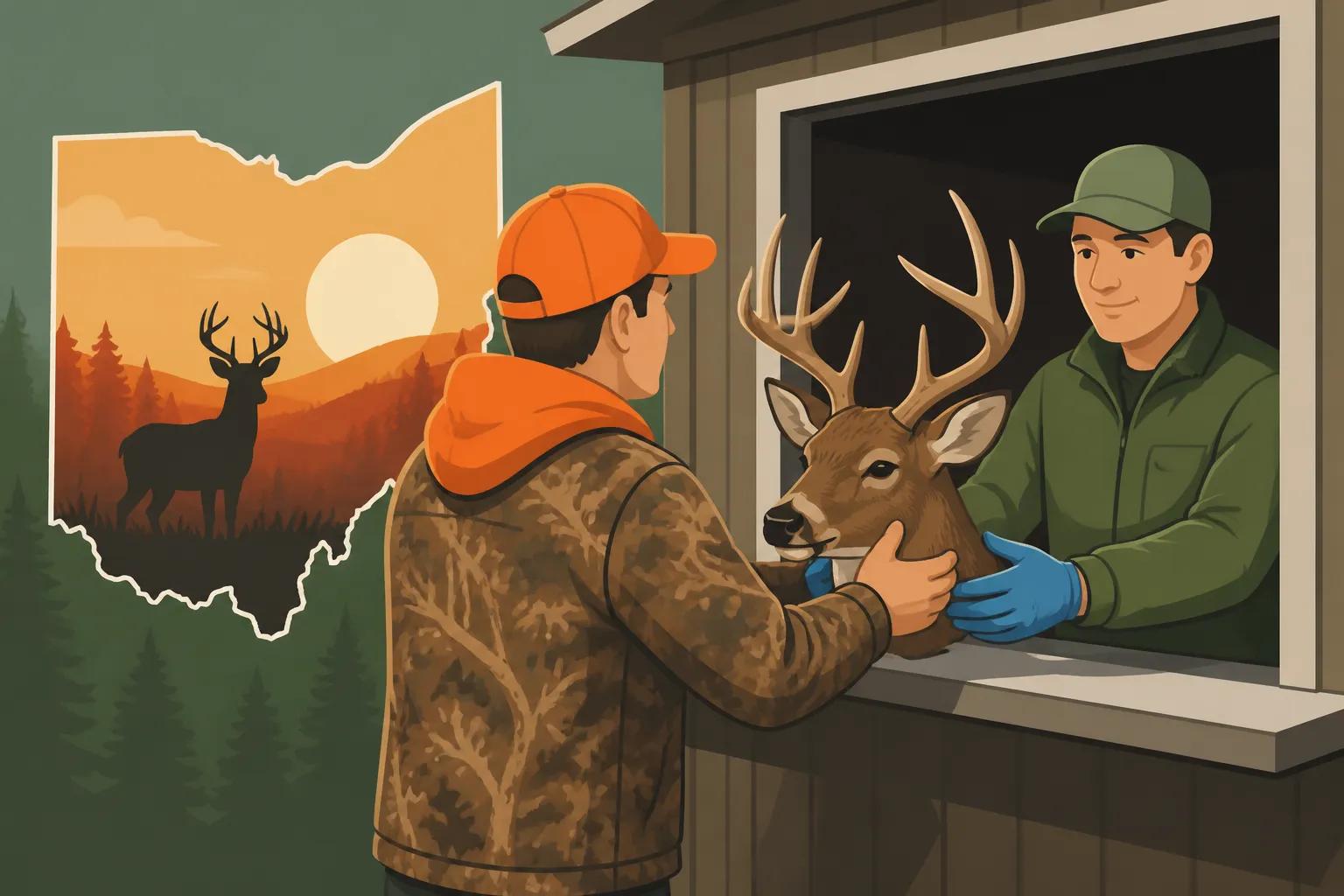
Submitting a Deer Head at a Sampling Kiosk
It's incredibly frustrating to harvest a deer, especially after a long, cold sit, only to be met with confusion about where to take it next, particularly when you're in an area dealing with Chronic Wasting Disease. The last thing any hunter wants is to accidentally violate regulations or mishandle their hard-earned venison. This guide is here to cut through the confusion and provide a clear, step-by-step walkthrough of how to properly submit a deer head at one of Ohio's CWD sampling kiosks, ensuring you comply with the rules and contribute to the health of our deer herd.
Understanding Ohio's CWD Challenge and Sampling Kiosks
Chronic Wasting Disease (CWD) is a serious concern for Ohio hunters and wildlife managers alike. It's a fatal neurological disease affecting deer, elk, and moose, and unfortunately, it's something we're actively monitoring and managing right here in the Buckeye State. Navigating the regulations, especially when it comes to checking in your deer, can feel like a whole new hunt after you've already filled your tag. But understanding why these measures are in place and how to properly utilize the resources, like the CWD sampling kiosks, is crucial for everyone who enjoys our hunting heritage.
Why Mandatory Testing Exists
CWD is caused by abnormal proteins called prions that slowly erode the brain of infected animals, eventually leading to death. While it hasn't been shown to spread to humans, the long-term impact on deer populations can be devastating. That's why the Ohio Department of Natural Resources (ODNR) takes it so seriously. Ohio established its Chronic Wasting Disease Surveillance Area (DSA) in response to detected cases, primarily focusing on counties like Wyandot, Marion, and Hardin where initial cases were found. This isn't just a random bureaucratic hurdle; it's a vital part of protecting our deer herd from a disease that could drastically alter hunting as we know it.
The mandatory testing requirements, especially during specific timeframes like the Mandatory CWD Testing Windows in the DSA during the early and statewide gun seasons, are designed to give wildlife biologists a clearer picture of the disease's prevalence and spread. It helps them understand How CWD Reached Wyandot County and why certain areas, like Why Wyandot County Drives Ohio's CWD Numbers, show higher numbers. As hunters, we're on the front lines, and our participation in this testing process provides invaluable data. It allows the ODNR to make informed decisions about herd management, helping to ensure healthy deer populations for generations to come. It might feel like an extra step, but it’s a direct contribution to conservation.
What Exactly Is a Sampling Kiosk?
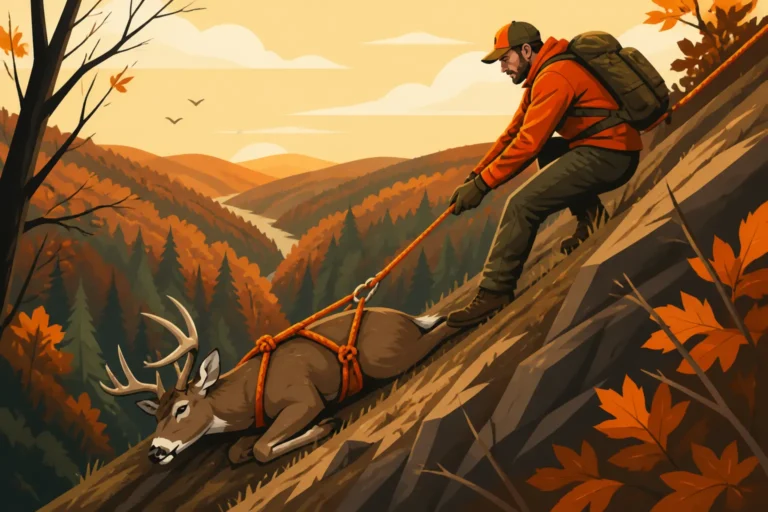
Imagine you've just dragged a big buck out of a deep ravine in Wayne National Forest, or perhaps you've taken a doe off a field edge in northwest Ohio. You're tired, it's getting dark, and the last thing you want to do is drive an hour to a traditional check station. This is where the CWD sampling kiosks come in. They're essentially self-service drop-off points specifically for deer heads (and sometimes lymph nodes, depending on the setup) in areas designated for CWD surveillance.
These kiosks are often located in convenient, accessible spots like wildlife areas, state forests, or even some rural businesses. They're usually well-marked, often with clear signage explaining the process. Their primary purpose is to provide hunters with a straightforward way to submit samples without needing to wait for an ODNR staff member or navigate business hours. It's designed to make compliance easier for you, the hunter, recognizing that your time is valuable. Think of it as a specialized, secure mailbox for your deer's head, ensuring it gets to the right hands for testing. You can find detailed information on Ohio CWD Sampling Station Locations on the ODNR website, which is key to planning your post-harvest steps.
Step-by-Step Guide to Using an Ohio CWD Sampling Kiosk
Okay, you've got your deer, you've checked it in (or are about to check it in), and now you need to get that head to a CWD kiosk. Don't sweat it; the process is designed to be as user-friendly as possible, but a little preparation goes a long way.
Before You Head to the Kiosk
Prepping your deer and gathering your information before you arrive at the kiosk will save you time and potential headaches. This isn't a race, but being organized makes a huge difference.
First, prepare your deer's head. For CWD sampling, the ODNR generally requires the entire head to be submitted, with the antlers attached if it's a buck. Make sure to cleanly remove the head from the carcass. If you've already started processing the deer, ensure there's enough neck tissue attached for sampling. It's also critical to keep the head as clean as possible. While freezing is acceptable if you can't get to a kiosk immediately, ensure it's thawed enough for handling at the kiosk. When you're dealing with a deer from a DSA county, remember the strict Ohio Carcass Movement Restrictions. You can't just take that carcass anywhere you please outside the zone without proper processing, so getting that head submitted quickly is often the best course of action.
Next, have your required information readily available. This typically includes your deer's confirmation number, which you'll receive after successfully checking your deer online or via phone through the Ohio Deer Checking and Reporting Rules system. You'll also need the exact county and township where the deer was harvested, and the date of harvest. Sometimes, kiosks might ask for additional details, so having your hunting license and deer permit handy is always a good idea. Consider using an app like GoHunt for mapping your hunt location, as it can help pinpoint your exact harvest coordinates if needed by the kiosk system. Knowing precisely where you harvested the animal is vital for ODNR data collection.
Finally, find your nearest kiosk. The ODNR website is the official source for Finding a Self-Serve CWD Sampling Kiosk. You can also use the Scouting With the Ohio HuntFish App on your smartphone, which often has an integrated map showing kiosk locations. It's wise to check the location and operating status before you drive there, especially if it's late in the day or during inclement weather. Nothing is worse than driving to a kiosk only to find it's full or out of order. A quick check on the ODNR's dedicated CWD page or a call to a local wildlife office can prevent a wasted trip.
The Submission Process at the Kiosk
Once you arrive at the kiosk, you'll find a fairly intuitive system, but here’s what to expect:
Most kiosks operate with a touch screen interface. Follow the prompts carefully. You’ll usually start by entering your deer’s confirmation number. This links your specific harvest to the sample you’re about to submit. The system might then ask for the harvest location (county, township), date, and potentially the sex and age class of the deer, which you should have from your initial deer check. It's all about ensuring the data collected from your deer's head is accurately tied to its harvest details.
When it comes to proper sample collection, for most Ohio CWD kiosks, you are submitting the entire head. The kiosk usually has a locker or collection bin where you place the head. It's not typically a situation where you're expected to take lymph node samples yourself, as that requires specialized knowledge and tools. However, always double-check the specific instructions at the kiosk, as procedures can sometimes vary or be updated. Once you've placed the head inside, there will be instructions for labeling and bagging. You'll often be provided with a plastic bag and a unique tag (or a printed label from the kiosk) to attach to the head. This tag will have a barcode or number that matches your entry in the system. Securely attach this tag to an antler or through the ear, ensuring it won't fall off during transport. Seal the head in the provided bag to prevent any mess or contamination.
After you've secured the head and placed it in the designated collection area, the kiosk should provide you with a confirmation that your submission was successful. This might be a digital confirmation on the screen or a printed receipt. Hang onto this! It's your proof that you've completed the CWD testing requirement. The ODNR staff will then periodically collect the heads from these kiosks for laboratory analysis.
Here's a quick summary table of what to do:
| Step | Action | Important Notes |
|---|---|---|
| 1. Prepare Deer Head | Cleanly remove head with antlers (if applicable) and some neck tissue. | Keep it clean; freezing is okay if thawed for submission. |
| 2. Gather Info | Have deer confirmation number, harvest county/township, and date ready. | Use Ohio Deer Checking and Reporting Rules for confirmation number. |
| 3. Locate Kiosk | Find the nearest kiosk using ODNR website or the HuntFish Ohio app. | Check operating status before driving. GoHunt maps can help visualize routes. |
| 4. Kiosk Entry | Follow touch screen prompts, enter your confirmation number and harvest details. | Be accurate with all information. |
| 5. Submit Head | Place bagged and tagged head into the designated collection locker. | Ensure the provided tag is securely attached to the head. |
| 6. Confirm Submission | Collect any printed receipt or note digital confirmation. | Retain proof of submission for your records. |
Important Considerations and Troubleshooting
Even with the best preparation, things can sometimes go awry. Understanding common issues and what happens after your submission will make the entire process less stressful.
Carcass Movement Restrictions and DSA Rules
One of the most critical aspects of CWD management in Ohio is controlling the movement of deer carcasses, especially out of the Ohio's Chronic Wasting Disease Surveillance Area. If you harvest a deer in a DSA county (like Wyandot, Marion, or Hardin), there are strict rules about what parts of the carcass can be moved outside that area. Generally, you can only move deboned meat, antlers (with no soft tissue attached), capes (without the skull or spinal column), and hides. The head, specifically, must either be taken to a CWD sampling station within the DSA, or if you plan to get a taxidermy mount, the skull plate must be thoroughly cleaned of all brain matter and soft tissue.
Ignoring these rules isn't just a minor infraction; it's a serious matter designed to prevent the potential spread of CWD to unaffected areas. It's essential to educate yourself on the specific Ohio Carcass Movement Restrictions if you plan to transport your deer across county lines, particularly when leaving a DSA. Always prioritize getting that head submitted at a kiosk or processed correctly within the DSA to avoid any issues. This is part of being a responsible hunter and helps protect the wider Ohio deer herd.
What Happens After Submission?
After you've successfully dropped off your deer head at the kiosk, the ODNR takes over. Wildlife staff will routinely collect the samples from the kiosks and transport them to a lab for testing. This process isn't instantaneous, as laboratories handle a large volume of samples, especially during peak hunting seasons. Generally, you can expect test results to be available within a few weeks, though this can vary.
The ODNR has a system in place to notify hunters of their results. If your deer tests negative for CWD, you likely won't receive a direct notification unless you've opted into a specific alert system or checked online. However, if your deer does test positive for CWD (which is a relatively rare occurrence, thankfully), the ODNR will directly contact you. In such a scenario, they will provide guidance on what steps to take regarding the venison and other parts of the animal. While distressing, a positive result helps the state track and contain the disease, further underlining the importance of your submission. You can often check the status of your test results online using your confirmation number on the ODNR website, providing a helpful way to stay informed.
Common Kiosk Issues and Tips
While the kiosks are convenient, they aren't without their occasional quirks. Sometimes, you might arrive to find a kiosk full, especially after a busy opening weekend of gun season. Or, you might encounter power outages or other technical glitches. Bad weather, like heavy snow or ice, can also make some locations inaccessible.
If you run into any of these issues, don't panic. First, check the ODNR website or the HuntFish Ohio app again to see if the kiosk status has been updated. If the kiosk is full or out of order, the website often provides information on alternative nearby locations. You might need to drive to another kiosk, or, in some cases, the ODNR might set up temporary staffed check stations during periods of high demand or technical difficulties. Another option is contacting your local ODNR wildlife office during business hours. They can often provide the most up-to-date information on kiosk availability or guide you to an alternative Ohio CWD Sampling Station Locations. Think of services like GoHunt as a backup for quickly finding alternative routes or nearby points of interest if your primary plan hits a snag. Remember, the goal is compliance, so always seek out an alternative rather than skipping the submission altogether.
Disclaimer
The information provided in this guide is for general informational purposes only and is subject to change. Hunting regulations, CWD surveillance areas, and sampling procedures in Ohio are set by the Ohio Department of Natural Resources (ODNR) and can be updated annually or as needed. Always consult the most current Ohio hunting regulations and the ODNR's official website for the most accurate and up-to-date information before planning your hunt or submitting samples. Compliance with all state and federal regulations is the hunter's responsibility.