Ohio Muzzleloader Season Tactics
The Ohio muzzleloader season can feel like a whole different ballgame compared to the early archery or even gun seasons. The deer are warier, the weather is often brutal, and your single-shot muzzleloader demands a level of precision and patience that can be incredibly frustrating if you're not prepared. This guide is here to walk you through proven tactics to make the most of Ohio's challenging yet rewarding late-season hunting opportunity.
Understanding Ohio's Muzzleloader Season
Ohio's muzzleloader season is a unique beast, often arriving when the thermometer dips and the landscape changes dramatically. It's a fantastic chance to fill a tag after the hustle and bustle of the earlier gun seasons, but it demands a different mindset and approach.
Key Dates and Regulations
The muzzleloader season in Ohio typically runs for about a week in early January, following the general gun seasons. This timing is crucial because it means you'll be hunting after most of the major hunting pressure has already pushed deer around, and often, after the first significant snowfalls have blanketed the state. It's a short window, which adds to the intensity, but also makes every day afield feel incredibly valuable. You can find the exact dates for this year's season under Ohio Muzzleloader Season Dates.
It's not just about knowing when you can hunt, but how you can hunt. Ohio's regulations are specific about what kind of muzzleloaders are legal for deer. Generally, this means single-shot firearms loaded from the muzzle, using black powder or a black powder substitute, and projectile specifications that prevent them from being mistaken for modern rifle cartridges. Always double-check the current Ohio Department of Natural Resources (ODNR) regulations before heading out, as these can sometimes be tweaked between seasons. This is particularly important for things like minimum caliber and projectile type.
Permissible Firearms and Ammunition
When it comes to the business end of your muzzleloader, Ohio has pretty clear rules. You're looking at .45 caliber or larger for single-barrel muzzleloading rifles, and if you're using a shotgun, it needs to be 10-gauge or smaller. Most hunters opt for a .50 caliber muzzleloading rifle, which is a popular choice for its balance of power, accuracy, and versatility. The key is that these must be muzzleloaders, not breech-loading black powder rifles that accept modern cartridges.
For ammunition, it's about projectiles and propellants. You'll be using black powder or approved black powder substitutes like Pyrodex or Triple Seven. As for projectiles, saboted bullets, conical bullets, and round balls are all fair game, as long as they meet the minimum caliber requirements. While sabots offer excellent ballistics and accuracy at longer ranges, many traditionalists still favor conical bullets or patched round balls for their simplicity and historical accuracy. I've found that getting a good tight patch or sabot fit is paramount for accuracy, especially when you're trying to reach out a bit on a wide-open field edge or a long ridge shot. For a deeper dive into what you can legally carry, check out Ohio Legal Firearms for Deer Hunting.
Overlapping Seasons and Considerations
While muzzleloader season is a distinct window, it's worth noting that the statewide archery season often overlaps, continuing well into February in Ohio. This means you might encounter other hunters in the woods, so maintaining awareness and following all blaze orange requirements (which do apply during the muzzleloader season) is critical for safety.
The overlap also presents an interesting opportunity. If you carry both an archery permit and a muzzleloader, you have options. Imagine sitting in your stand, freezing, and a deer skirts the edge of your muzzleloader range but presents a perfect archery shot. Having both options can be a game-changer. However, most hunters in January are specifically out for muzzleloader opportunities, often drawn to the challenge and the slower pace compared to the intense first gun weekend. Understanding these nuances, especially when you consider Ohio Muzzleloader Season Structure, can really help shape your hunting strategy.
Scouting and Location Strategies for January
Hunting in January requires a different scouting approach than what you might employ in early fall. The landscape has changed, food sources have dwindled, and deer behavior has shifted. Effective late-season scouting is about finding the remaining resources and the deer that are locked onto them.
Identifying Late-Season Food Sources
By January, the lush green fields of early fall are long gone, and most agricultural crops have been harvested. Deer, especially bucks, are in recovery mode after the rut and trying to pack on calories to survive the bitter cold. This makes remaining food sources absolute magnets.
Think about standing corn, if there's any left. Many farmers will leave a few rows or even entire fields unharvested, and these can be deer havens. Even cut cornfields can offer residual grain that deer will paw through the snow to find. Look for evidence of this – disturbed snow, tracks, and droppings. Another huge draw is standing soybeans. These are protein-rich and highly sought after. If you're lucky enough to find a standing soybean field, particularly one bordered by thick cover, you've found a jackpot. Beyond agriculture, natural browse like honeysuckle, green briar, and young saplings can be critical. Acorn crops from the previous fall, if abundant, might still be providing some forage under the snow, particularly white oak acorns which are less bitter and favored by deer. Identifying these vital areas is key, and getting a handle on Late-Season Food Sources for Ohio Whitetails can really give you an edge.
Locating Thermal Cover and Bedding Areas
When temperatures plummet and harsh winds blow, deer prioritize warmth and shelter. This means they'll seek out the thickest thermal cover they can find. Think dense conifer stands like pines or cedars, thick multiflora rose bushes, brushy creek bottoms, and even steep, south-facing slopes that catch more sunlight and are often shielded from prevailing northwesterly winds.
These bedding areas won't just be any thicket. They'll be chosen specifically for their ability to block wind, trap warmth, and provide a clear escape route. In the Appalachian foothills of Southeast Ohio, this often means steep ravines and benches on hillsides. In the flatter farm country of Northwest Ohio, it might be the thickest woodlots or fencerows with dense undergrowth. Look for heavy concentrations of tracks leading into and out of these areas, especially during midday. Often, deer will bed surprisingly close to food sources, minimizing their travel in the cold. A good mapping tool like GoHunt can help you identify these dense pockets of cover and topographical features that offer shelter.
Reading Sign in Snow and Frozen Ground
January often brings snow to Ohio, and this can be both a blessing and a curse. Snow makes finding fresh sign incredibly easy, but it also makes you incredibly visible and audible. Focus on fresh tracks. Are they crisp and defined, or softened by melting and refreezing? Fresh tracks mean deer were just there. Look for larger tracks, indicating a mature buck, and note their direction of travel.
Droppings can tell you about their diet – are they consuming woody browse or more concentrated food like corn? Pawed-up areas in the snow indicate feeding. Scrapes and rubs from the rut are largely irrelevant now, but if you find a heavily used travel corridor, even if it's just a faint trail in the snow, it's worth investigating. In areas without snow, focus on disturbed leaves, fresh droppings, and the wear on trails. Frozen ground can make walking quieter if you're careful, but also makes breaking twigs sound like gunshots. Understanding how to interpret what you see on the ground, especially when you're Reading Ohio Snow for Fresh Deer Movement, is a critical skill for muzzleloader season success.
Cold Weather Hunting Tactics
Hunting in the bitter cold of January is as much about mental fortitude and physical preparation as it is about strategy. Your tactics need to adapt to both the weather and the deer's response to it.
Still-Hunting and Stalking in Muzzleloader Season
The single-shot nature of a muzzleloader often lends itself well to still-hunting or stalking, especially when combined with snow. With snow on the ground, you can move slowly and quietly, covering ground where you expect deer to be feeding or bedding. The key is extreme patience. Take one or two steps, then pause for several minutes, scanning every single patch of cover, every shadow, every broken branch that could be an antler or the flick of an ear.
Your eyes are your most important tool here. Look for horizontal lines in a vertical world – the back of a deer, not just legs. Pay attention to movement, even subtle twitches. In the stillness of winter, deer are often bedded down for long periods, conserving energy. If you can sneak close enough to a thermal bedding area or a late-season food plot, you might catch a deer standing up to stretch or browsing. The challenge is that a muzzleloader often requires you to get closer for an ethical shot than a modern rifle, making the stalk even more critical. Consider Still-Hunting Shawnee State Forest Ridges as a prime example of where this tactic shines.
Setting Up Stands in January Conditions
While still-hunting can be effective, sometimes the best tactic is a well-placed stand overlooking a prime food source or a natural funnel leading to it. For January hunting, this means rethinking your typical treestand setup. Deer are often more nocturnal or move during low-light conditions to feed, so setting up on an active travel corridor between a bedding area and a preferred food source can be highly effective.
Your stand choice and placement are paramount. A comfortable ladder stand or enclosed ground blind can offer much-needed protection from the elements during those long, cold sits. If using a treestand, select a tree that offers good cover and a clear shot lane to the most likely approach routes. Remember, deer are highly pressured by this point, so minimizing your entrance and exit noise is critical. Using the wind to your advantage is non-negotiable; deer will almost always try to approach food sources or travel through cover with the wind in their favor, scent-checking for danger. For those incredibly cold days, having a heated ground blind can make all the difference for staying on stand longer, allowing you to catch deer during brief midday movements when they feel less threatened. Consider how a Cold-Weather Sitting Strategy in Ohio truly impacts your stand choice and comfort.
Managing Scent and Noise in the Cold
The cold weather itself can both help and hinder scent control. While colder air generally means scent molecules drop faster and don't travel as far, the dry winter air can sometimes carry scent surprisingly well. More importantly, deer are on high alert. They've been hunted for months, and any foreign scent or unusual noise will send them scattering.
This means being meticulous about scent control. Wash your hunting clothes in scent-free detergent, shower with scent-free soap, and use scent-eliminating sprays on your gear. Pay extra attention to your boots, as ground scent is a major giveaway. As for noise, this is where winter can be brutal. Frozen leaves and twigs crunch loudly underfoot, and even shifting in your stand can create creaks and groans that echo in the still air. Move slowly, deliberately, and be acutely aware of every sound you make. When walking in, take extra time, stepping only where you can be quiet, even if it means taking a less direct route. The goal is to be as invisible and inaudible as possible in an environment where every sensory input is amplified for a wary whitetail.
Muzzleloader Specific Considerations
Using a muzzleloader isn't just about the hunt itself; it's about managing the unique characteristics of the firearm. From keeping it operational in challenging weather to understanding its terminal ballistics, there are specific considerations that can make or break your muzzleloader season.
Keeping Your Muzzleloader Dry and Functioning
One of the biggest frustrations with muzzleloaders in Ohio's January weather is keeping them dry. Rain, sleet, snow, and even just high humidity can wreak havoc on black powder, rendering your rifle useless if moisture gets into the breech or powder charge. There's nothing worse than pulling the trigger on a hard-earned shot, only to hear a "click" instead of a "bang."
Invest in a good muzzleloader cover or simply use electrical tape over the muzzle and a piece of latex surgical glove over the percussion cap or primer pocket. Many seasoned hunters will carry a small, dry rag to wipe down the rifle regularly. Before heading to the stand, make sure your breech plug is clean and tight, and that your primer or cap is fresh and seated properly. If you're using a 209 primer, ensure the primer pocket is clear of fouling. When going afield, I always keep my powder pellets and primers in a waterproof container, separate from the gun until I'm ready to load. Being meticulous about this will prevent misfires. This advice is critical, and there's a whole guide dedicated to Keeping a Muzzleloader Dry in Wet Snow.
Shot Placement and Tracking with Muzzleloaders
A muzzleloader's effective range is often more limited than a modern rifle, and its heavy, slower-moving projectile creates a different wound channel. This isn't to say it's less effective, but it means shot placement becomes even more paramount. Aim for a double-lung shot, broadside if possible. Avoid quartering-to or quartering-away shots unless you are absolutely confident in your ability to hit vitals and understand the path of the projectile through the animal.
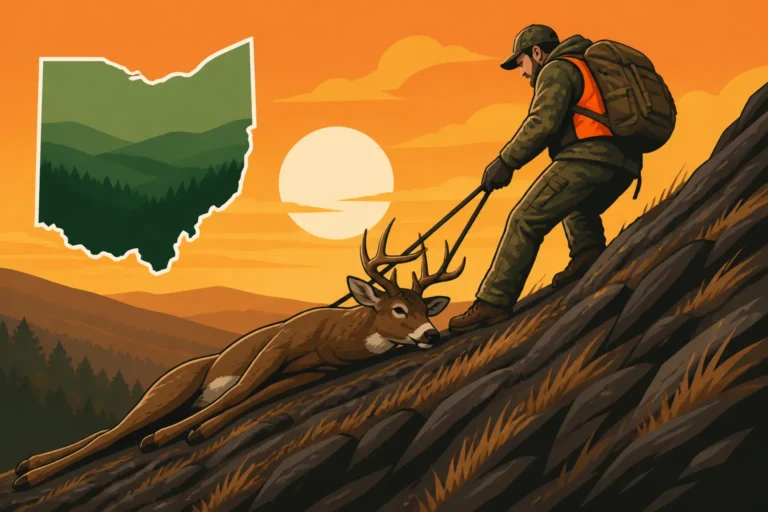
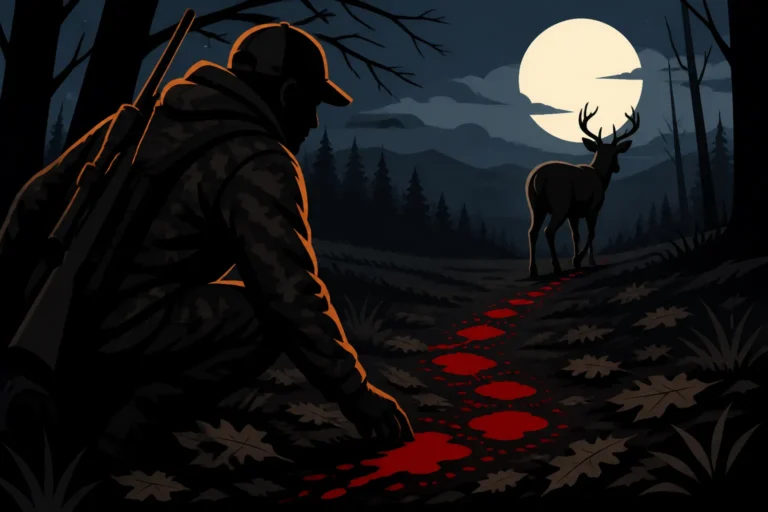
Because muzzleloaders often create a single, larger hole rather than the explosive damage of high-velocity rifle rounds, blood trails can sometimes be less abundant, especially if the deer doesn't bleed from both sides. This makes careful tracking crucial. After the shot, give the deer plenty of time (at least 30 minutes for a good shot, an hour or more for a questionable shot) before beginning your track. Mark the spot of the shot, and the last place you saw the deer. Look for blood, broken branches, disturbed leaves, and tracks. In the snow, tracking is usually easier, but heavy snow can cover sign quickly. If you're tracking in deeper snow, remember that a buck will often leave a clear "plow" mark from its chest. It's often helpful to have a hunting buddy along for tracking, especially when you need to Blood Trailing After Dark in Ohio.
Essential Gear for Muzzleloader Hunters
Beyond your muzzleloader, there's specific gear that will make your late-season hunt more comfortable and successful. The cold dictates much of this. Layering is king: start with a good moisture-wicking base layer, add insulating mid-layers like fleece or wool, and top it with a waterproof, windproof outer layer. Don't forget high-quality insulated boots, gloves, and a warm hat. You might also want a hand muff with hand warmers.
Other essential items include:
- Waterproof pack: To keep extra clothes, food, and your muzzleloader supplies dry.
- Extra primers/caps and powder: Always carry more than you think you'll need.
- Cleaning jag and patches: For quick barrel swabbing after a shot or at the end of the day.
- Ramrod extensions: If you have a two-piece ramrod or need extra length for easier loading.
- Rangefinder: Critical for accurate shot placement within your muzzleloader's effective range, especially in open fields or long timber views where distances can be deceiving. GoHunt's mapping features can also help you pre-range key spots from your stand.
- Headlamp: For navigating in and out during low light.
- Game processing kit: Knives, gloves, and game bags.
- Thermos: Hot coffee, tea, or soup can be a moral booster and body warmer on frigid days.
Overcoming Late-Season Pressure and Deer Behavior
By the time muzzleloader season rolls around, Ohio's deer have been through the gauntlet. Archery season, youth gun weekend, the two regular gun weekends – they've seen it all. This means they're warier, more nocturnal, and their patterns have likely shifted dramatically.
Hunting Pressured Deer on Public Land
Public land in Ohio during muzzleloader season can be a mixed bag. Some areas might see a drop-off in pressure after the main gun seasons, while others, particularly popular spots, might still have dedicated late-season hunters. The deer in these areas will be incredibly spooky. They've learned to associate human scent, sound, and movement with danger.
To succeed on pressured public land, you need to go where others won't. This often means walking farther, tackling rougher terrain, or finding small, overlooked pockets of habitat. Use tools like the GoHunt app to study aerial photos and topo maps, looking for hidden benches, thick ravines, or narrow strips of cover that act as sanctuaries. These are the places deer will retreat to. When you find these spots, plan your approach and exit routes meticulously to avoid detection. Minimize your disturbance, and remember that Finding Ground Others Walk Past is often the key to success on public hunting land.
Adapting to Post-Rut Behavior
The frantic energy of the rut is a distant memory by January. Bucks are no longer chasing does relentlessly. Instead, their primary focus is survival: finding food, conserving energy, and staying safe. They've also lost a significant amount of body weight during the rut, making them even more driven to feed.
This shift means your tactics need to change. Forget calling in a love-sick buck; instead, focus entirely on food and cover. Bucks will often join up with small bachelor groups again or feed in the same areas as does and fawns. Look for larger groups of deer, as a wise old buck might be among them, taking advantage of the safety in numbers. They'll be moving slowly, methodically, and often during the warmest parts of the day, or just before dark. Predicting their movements isn't about rutting sign; it's about predicting hunger and safety needs.
Utilizing Topographical Features
Topography plays a massive role in late-season hunting, especially in Ohio's varied landscapes. In the hilly regions of Southeast Ohio, saddles, funnels, and ridge lines become critical travel corridors. Deer will often utilize saddles (low points between two ridges) to cross from one side of a hill to another, as it requires less energy than going over the peak. Funnels, whether natural (like a narrow strip of timber between two fields) or man-made (like a fence line or creek crossing), concentrate deer movement.
Even in flatter farm country, subtle changes in elevation, like a slight rise in a field or a ditch line, can act as travel routes or provide a thermal break from the wind. Creek bottoms offer both cover and travel routes, especially if they're brushy. Learning to interpret these features on a topographic map or with an app like GoHunt is essential. Deer often use the easiest path of travel, and in winter, this also means the most protected path. Setting up on one of these natural choke points can significantly increase your odds. For example, understanding how Wind and Thermals on an Appalachian Ridge dictate deer movement can guide your stand placement to an advantageous point where deer are forced to pass through a specific area.
| Muzzleloader Season Hunting Strategy | Early Season Comparison | Key Elements | Why it Works in January |
|---|---|---|---|
| Focus on Food & Cover | Rut-driven behavior | Standing crops, dense evergreens, south-facing slopes | Deer prioritize survival: calories and warmth. |
| Still-Hunting / Stalking | Ambush from stands | Slow movement, keen observation, quiet steps | Deer are warier, often bedded. Snow aids tracking. |
| Patience on Stand | Active movement | Long, cold sits, minimal movement | Deer move less; you need to be there for the rare movements. |
| Extreme Scent Control | Moderate importance | Scent-free clothing, careful entry/exit | Deer are highly pressured, use all senses for danger. |
| Topographic Scouting | General knowledge | Identifying saddles, funnels, thermal cover on maps | Deer use protected, efficient travel routes in harsh weather. |
| Weapon Care | Less critical in dry weather | Waterproofing, dry powder/primers | Moisture is the enemy of black powder; misfires are common. |
Disclaimer
Hunting is an inherently dangerous activity. Always follow all local, state, and federal regulations. Prioritize safety by wearing appropriate blaze orange, identifying your target, and being aware of your surroundings. The information provided here is for educational and informational purposes only and does not substitute for personal judgment, experience, or professional guidance.