Ammunition Availability Before Opening Day
There’s nothing quite like that surge of anticipation as opening day for deer season looms in Ohio. You’ve put in the scouting time, maybe hung a new stand, and your gear is dialed in – or so you think. Then, it hits you: you’re down to a handful of cartridges, or worse, completely out of your preferred hunting ammunition. The panic sets in as you hit the local sporting goods stores only to find shelves stripped bare, leaving you wondering how you're going to fill your tags. This guide is all about navigating the often frustrating world of ammunition availability, especially as those critical hunting dates draw near, and equipping you with strategies to ensure you're never caught short.
Why Ammunition Can Disappear Like Magic Before Opening Day
It feels like magic, doesn't it? One day the shelves are stocked, and the next, your favorite box of slugs or straight-wall cartridges is nowhere to be found. This isn't just bad luck; it's a predictable cycle driven by a few key factors that every Ohio hunter eventually learns to dread. Understanding why it happens is the first step in making sure it doesn't happen to you.
The Cyclical Nature of Supply and Demand
Hunting is a seasonal pursuit, and with that comes highly cyclical demand for ammunition. Think about it: come late summer and early fall, everyone's thoughts turn to deer season. Suddenly, thousands upon thousands of hunters across Ohio, and the entire nation, are simultaneously trying to stock up. This surge in demand often outstrips the steady, year-round supply that manufacturers maintain.
What often complicates this further are external factors. Manufacturing ammunition is a complex process, reliant on raw materials like brass, lead, and gunpowder, all of which can face their own supply chain challenges. Any hiccup in these areas, coupled with a massive seasonal demand, can lead to widespread shortages. You might remember times when primers were impossible to find, or certain calibers just vanished from shelves for months. This isn't unique to Ohio; it's a nationwide phenomenon that directly impacts our ability to find that critical box of rounds right when we need them most.
The Timing Crunch: Everyone Waits
Let's be honest with ourselves: how many of us have waited until the last possible minute to buy something important? It's human nature, and hunters are no different. The "timing crunch" is a real thing. As the Ohio Archery Season Opening Day approaches in late September, or especially as the Ohio Regular Gun Season First Weekend in November looms, every hunter who hasn't already secured their ammunition is suddenly in the market.
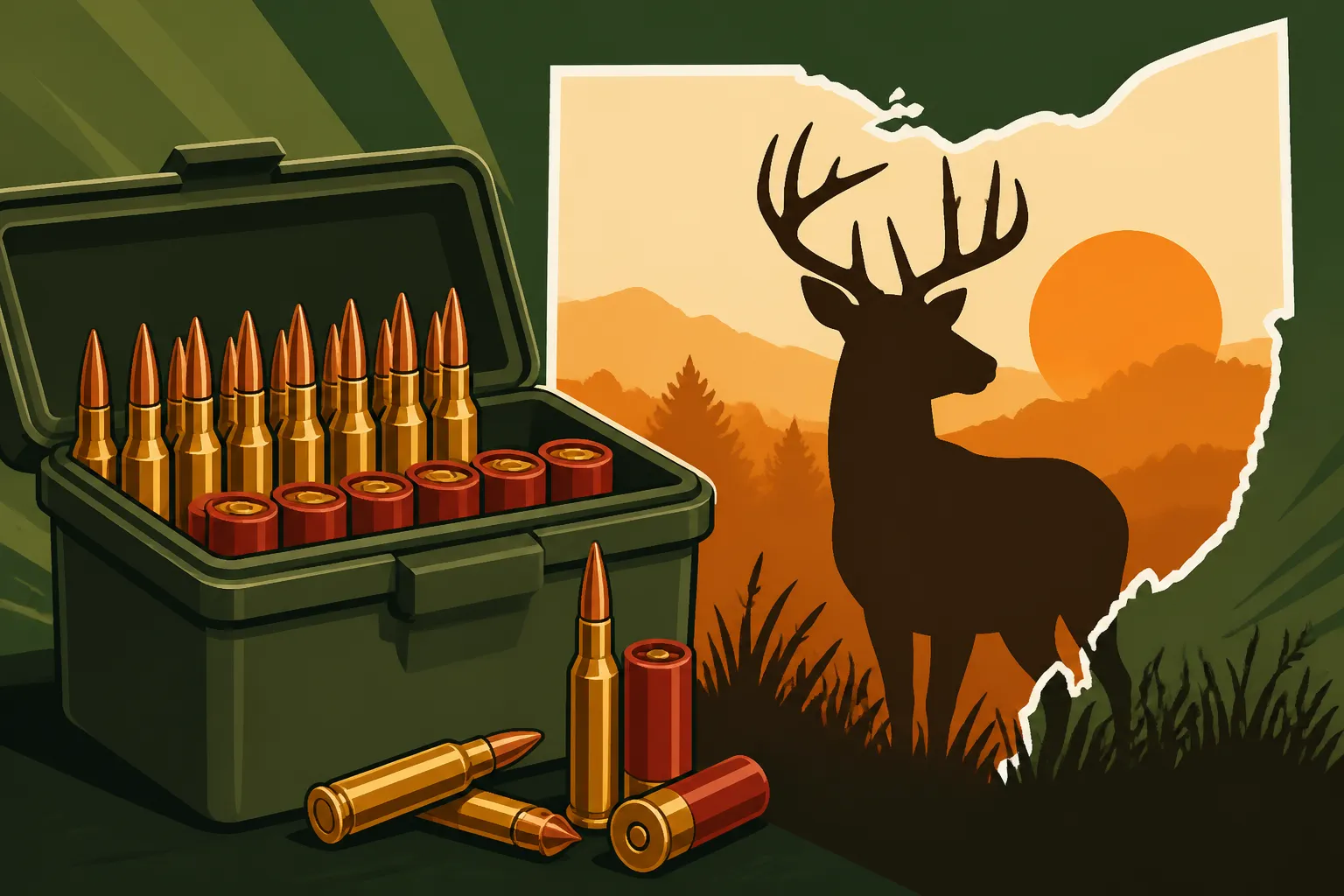
This creates a massive bottleneck at retail stores, both local and big box. Imagine hundreds, even thousands, of hunters descending on a dozen stores across a region, all looking for .350 Legend, .450 Bushmaster, or 12-gauge slugs. The stock that seemed ample in July is gone by mid-October. This scramble is precisely why you see empty hooks where your specific caliber should be. It's not that there isn't any ammunition, it's that the sheer volume of hunters buying at the same time completely exhausts the available stock for popular deer calibers and loads.
Strategies for Securing Your Hunting Ammunition
Feeling frustrated is understandable when you can't find your ammo. But the good news is, you're not powerless. With a bit of foresight and strategic thinking, you can largely avoid the pre-season panic and ensure your gun is always ready. It's about shifting from reactive scrambling to proactive planning.
Proactive Planning is Your Best Friend
The single most effective strategy for ensuring ammunition availability is to buy it well in advance. This sounds simple, but it's often overlooked. Think about your hunting needs not just for this season, but for the next year. If you typically shoot a box or two for sighting in and then a few rounds during the hunt, consider buying 3-4 boxes at a time when you see them available, especially during the off-season.
Many seasoned hunters treat ammo like a staple, buying it consistently throughout the year, rather than waiting for October. This way, when the rush hits, you're already good to go. Keep an eye out during the spring and summer months. Retailers often have better stock then, and sometimes even sales. It's also a good idea to identify your preferred load and bullet weight and stick with it. Consistent use means you'll know exactly what to look for and won't be scrambling for something different year after year. For example, if your rifle loves 180-grain soft points, aim to find those specific rounds when they are plentiful. Ohio Deer Season Structure Explained shows us how varied the seasons are, meaning there's almost always some type of ammo being sought, but the gun seasons are the real crunch.
Local Shops Versus Big Box Stores: Knowing Where to Look
When it comes to actually purchasing ammunition, you've generally got two main avenues: the smaller, independent local sporting goods stores and the larger national chain retailers. Each has its pros and cons, and knowing which one to lean on can make a big difference.
Local shops, often family-owned, tend to have a more curated inventory. They might not have the sheer volume of a big box store, but they often cater to the local hunting community's specific needs. Sometimes, these smaller shops will get allocations of harder-to-find calibers or loads because they're dealing with distributors who value long-term relationships. They might also have a better pulse on local demand and try to stock accordingly. Don't be afraid to build a relationship with the folks behind the counter; they might even be willing to call you when a shipment comes in. On the flip side, their prices might be slightly higher due to less buying power, and their inventory can be shallower.
Big box stores, on the other hand, usually have more competitive pricing and carry a wider variety of very common calibers and brands. The challenge is, they also serve a much larger customer base. When the pre-season rush hits, these stores are often the first to be completely cleaned out. They might get more frequent shipments, but those shipments disappear just as quickly. You might have to visit multiple locations or call ahead repeatedly, which can be a real time-sink.
Online Resources and Community Forums
The internet has become an invaluable tool for finding ammunition. Many online retailers specialize in ammo, and while shipping costs can add up, they often have a much deeper inventory than brick-and-mortar stores. Be prepared to check multiple sites, and consider signing up for in-stock notifications. This way, you get an email the moment your desired ammunition hits their virtual shelves.
However, online buying has its own quirks. Shipping lead times can be unpredictable, especially during peak seasons, so factor that into your proactive planning. You also need to be aware of any local restrictions on ammunition shipments. Some jurisdictions have specific rules, so always verify before you order.
Beyond online retailers, don't underestimate the power of hunting forums and social media groups dedicated to Ohio hunting. Fellow hunters often share tips on where they've found stock, or even offer to sell/trade a box or two if they have extra. Using a planning platform like GoHunt, which helps you organize your hunts, can also help you anticipate your needs and dedicate time to sourcing ammo. Staying connected with your hunting community can be a surprisingly effective way to track down elusive rounds.
Here's a quick comparison of ammo buying strategies:
| Strategy | Pros | Cons | Best For |
|---|---|---|---|
| Buy Off-Season | Better availability, often better prices | Requires foresight and storage space | All hunters, especially those with specific needs |
| Local Gun Shops | Personal service, niche inventory, community | Higher prices, smaller inventory overall | Hard-to-find calibers, building relationships |
| Big Box Stores | Competitive prices, common calibers | Fast sell-outs, impersonal service | Common calibers, quick opportunistic buys |
| Online Retailers | Deep inventory, convenience (if shipped) | Shipping costs, potential delays, local restrictions | Bulk purchases, rare calibers, specific loads |
| Hunting Community | Tips, potential trades/purchases from peers | Informal, not guaranteed, relies on networking | Last-minute leads, niche advice |
What to Do If Your Preferred Ammo Isn't Available
Despite your best efforts, sometimes you still find yourself staring at empty shelves, and that perfect box of ammunition just isn't there. Don't despair! There are still several paths you can explore, though some might require a bit of flexibility and extra work on your part.
Exploring Alternative Loads and Brands
Your rifle might love a specific brand and grain weight, but what if it's nowhere to be found? The next step is to explore similar options. Can you find the same caliber but a different bullet weight? Perhaps a 150-grain instead of a 180-grain, or a different style of bullet, like a soft point instead of a ballistic tip. Or, maybe a different brand that manufactures the same basic configuration for your rifle.
It is absolutely critical to understand that any change in ammunition, even a slight one, requires re-sighting your firearm. Your point of impact will almost certainly shift. Head to the range and spend the time and effort to Zeroing a Straight-Wall Rifle for Ohio Ranges or whatever firearm you use. Don't assume a new box of "the same" caliber will shoot the same; that's a recipe for a missed shot and a disappointed hunter. This might mean buying two or three different boxes of alternatives, testing them, and seeing which your firearm shoots best. It's an investment, but a necessary one to ensure an ethical harvest.
Considering a New Caliber or Gauge (For Next Year)
If you consistently struggle to find ammunition for your current hunting setup, it might be time for a serious conversation with yourself about changing calibers or even the type of firearm you use for next season. Perhaps you hunt with a very niche, less common caliber. While that might have been cool years ago, if the ammo is impossible to source, it becomes a liability.
Ohio's hunting regulations for deer allow for a variety of firearms, including shotguns, straight-wall cartridge rifles, and muzzleloaders. If you primarily use a less common straight-wall cartridge, consider moving to something like a .350 Legend or .450 Bushmaster, which have become incredibly popular in Ohio and often have wider ammunition availability due to their widespread adoption. Remember, Why Ohio Once Required Shotguns for Deer is a thing of the past in many areas, opening up more options. Or, if you're a shotgun hunter, are you able to reliably find your slugs? Could moving to a modern slug gun with a rifled barrel open up more consistent options? This isn't a quick fix, but a long-term solution to avoid future headaches.
Borrowing or Buying from a Friend (With Caution)
In a true pinch, your hunting buddies can be your lifeline. Many hunters have a spare box or two of common calibers lying around. Reaching out to a trusted friend and asking if they have any extra rounds of your specific ammunition can sometimes solve the problem.
However, proceed with caution and respect. Always offer to pay for the ammunition, and if they decline, insist on repaying them in some other way, perhaps by helping them with a task or offering some venison. Never just assume someone will give you ammo for free. Also, remember that borrowed ammunition might not be the exact same lot number or even brand as what you sighted in with, so while it's a desperate measure, it's still wise to confirm your zero if at all possible before heading afield. Legally, the transfer of ammunition between private citizens for personal use is generally unregulated, but always be mindful of local laws and common sense.
The Role of Planning and Community
Beyond just the immediate need for ammunition, thinking about the bigger picture and staying connected with your fellow hunters can make a world of difference in managing this challenge over the long haul. Hunting is often a community activity, and there's strength in numbers.
Long-Term Ammunition Management
Consider creating a personal ammunition inventory. Keep track of what you have, what calibers you shoot, and what you'll need for the upcoming year. This can be as simple as a notebook entry or a spreadsheet. Knowing you have X number of rounds for your rifle, Y for your shotgun, and Z for your handgun helps you identify shortages long before they become critical.
When you do find your preferred ammunition, consider buying enough to last you at least two seasons. This builds a buffer against future shortages, manufacturing delays, or unexpected price hikes. Proper storage is key here; keep your ammunition in a cool, dry place to maintain its integrity. Think of it like building a hunting pantry – you wouldn't wait until you're completely out of food to go grocery shopping, right?
Building Relationships and Sharing Information
Being part of the Ohio hunting community is about more than just swapping stories around a campfire. It can also be a vital resource for practical information, including ammo availability. Get to know the staff at your local gun shops. They often know when shipments are expected or might offer a heads-up on incoming stock.
Engage with other hunters, whether at local clubs, online forums, or just among your circle of friends. Many hunters use comprehensive tools like GoHunt to plan their season, which can also include planning their gear and ammunition needs well in advance. Sharing information about where you've seen particular ammunition in stock, or even what alternatives have worked for you, can benefit everyone. This isn't about hoarding; it's about mutual support and making sure that everyone who wants to hunt ethically has the tools to do so. After all, a rising tide lifts all boats, and a well-informed hunting community is a resilient one. And remember, always make sure you're legally prepared for any hunt by adhering to Ohio Hunter Education Requirements and carrying your Carrying Proof of License on Your Phone.
Beyond the Firearm: Other Ammo Considerations
While we often focus on rifle and shotgun ammunition for deer, don't forget other forms of "ammo" that might be critical for your hunt. If you're an archer, are your broadheads sharp and do you have spares? Do you have enough arrows? If you're a muzzleloader hunter, are you stocked up on caps, powder, and sabots? Ohio Muzzleloader Season Tactics require a whole different set of supplies, and those can also become scarce.
The same principles apply: buy these items well in advance. Check your inventory before the season, not just a week out. The goal is to eliminate any last-minute stress points so you can focus on what truly matters: a safe, ethical, and enjoyable hunt in the Ohio wilds. Remember, a successful hunt often starts with planning far away from the woods.
Disclaimer
This article is for general informational purposes only and does not constitute professional advice. Laws, prices and regulations vary by location and change over time. Consult a qualified professional for guidance on your specific situation.