Wool Versus Synthetics in Wet Cold
There's nothing quite like an Ohio hunting season, but if you've spent any time out in the woods or fields, you know our weather can swing wildly from crisp autumn sunshine to a bone-chilling, damp cold in a matter of hours. That feeling of dampness creeping into your clothes, stealing your body heat, can quickly turn a promising hunt into a miserable, short-lived ordeal. This guide dives deep into the age-old debate of wool versus synthetic materials, helping you understand which fabrics perform best to keep you warm, dry, and focused when Ohio's unpredictable wet cold threatens to send you home early.
Understanding the Challenge of Ohio's Wet Cold
Before we even begin comparing fabrics, it's crucial to understand the battlefield: Ohio's weather. Our state isn't known for extreme, dry cold like some western states, nor is it consistently mild. Instead, we often get a challenging mix that makes gear selection particularly tricky for hunters.
The Nature of Ohio's Weather Swings
If you've hunted Ohio for any length of time, you've experienced it. One day, you're sitting in a treestand during Hunting the Rut in Early November in a light jacket, enjoying sunshine and 50-degree temperatures. The next, an arctic front rolls through, dropping temperatures into the 20s and bringing a nasty mix of rain and sleet. Or maybe you're out for Hunting the Second Gun Weekend in December, and a beautiful, crisp morning gives way to a damp, grey afternoon with a biting wind that seems to cut right through your layers.
These dramatic swings aren't just uncomfortable; they can compromise your hunt. The ground can be dry one day and a muddy, leaf-slicked mess the next, especially in areas like the Appalachian Ohio Versus Farm-Belt Deer country where elevation changes mean different microclimates. Managing your body temperature and staying truly dry becomes a constant battle, and the wrong gear choice can leave you shivering and ready to call it a day long before legal shooting hours end.
Why "Wet Cold" is a Hunter's Worst Enemy
It's one thing to be cold and dry; it's quite another to be cold and wet. Moisture is a far more efficient conductor of heat than air. What this means for us hunters is simple: if your clothing gets wet, whether from rain, snow, or even your own sweat, it rapidly draws heat away from your body. That clammy feeling quickly transitions into shivering, and before you know it, you’re losing dexterity, focus, and the will to stay out there.
This isn't just about comfort, though comfort is certainly a huge part of being effective in the woods. Being wet and cold poses a real safety risk. Hypothermia can set in faster than you might think, particularly if you're deep in the Wayne National Forest Hunting or another remote area and can't quickly get somewhere warm and dry. The best garments for Ohio's hunting conditions are those that either prevent moisture from reaching your insulating layers or, failing that, retain their ability to insulate even when damp.
The Timeless Appeal of Wool for Hunters
For centuries, hunters and outdoorsmen have relied on wool, and for good reason. It's a natural fiber with properties that make it uniquely suited for combating cold, damp conditions. While modern synthetics have their place, wool's tried-and-true performance still earns it a top spot in many hunters' gear bags.
Natural Insulation and Moisture Management
The classic saying about wool is "warm when wet," and there's a lot of truth to it. Unlike many materials that lose all insulating value once they become saturated, wool fibers are complex. They can absorb a significant amount of moisture—up to 30% of their weight—without feeling overtly damp to the touch, and crucially, they retain their insulating properties even when soaking wet. This is because the unique crimp and structure of wool fibers trap air, which is the actual insulator, and they continue to do so even as the fibers themselves become wet.
This characteristic is a game-changer for active hunts like Deer Drives on Ohio Public Land, where you might exert yourself, build up a sweat, and then transition to sitting motionless. A wool base layer, for example, will continue to provide warmth even if it's a bit damp from your exertion, preventing that sudden chill you often feel when stopping after activity. Modern merino wool, in particular, has revolutionized the "feel" of wool, offering incredibly soft, fine fibers that are comfortable directly against the skin, eliminating the scratchiness associated with traditional, coarser wool.
Durability and Quiet Movement
Traditional, dense wool fabrics are incredibly durable. They resist tears, snags, and abrasions remarkably well, which is a huge advantage when you're busting through thick brush, climbing over fallen logs, or navigating dense Ohio woods. A well-made wool coat can take years of abuse and still perform beautifully. This longevity makes it a smart investment over time.
Beyond toughness, wool is also renowned for its quietness. In hunting, silent movement is paramount. A rustling jacket can spook a deer at thirty yards just as easily as a spoken word. Wool's natural drape and soft texture mean it moves silently, making it an ideal choice for still-hunting, stalking, or drawing a bow on a wary whitetail. You don't want your gear broadcasting your presence when you're trying to sneak into a prime bedding area.
The Comfort Factor: Odor and Feel
Another significant advantage of wool, especially merino, is its natural odor resistance. Wool fibers have properties that inhibit the growth of odor-causing bacteria. This means you can wear wool base layers for multiple days in the field without them smelling like a locker room, a huge benefit on longer trips or during an extended Cold-Weather Sitting Strategy in Ohio where laundry facilities are nonexistent. This natural antimicrobial property also contributes to overall stealth by reducing your human scent profile.
Furthermore, wool excels at temperature regulation. Its breathability allows excess heat and moisture vapor to escape when you're active, preventing overheating. When you slow down or the temperature drops, the trapped air in its fibers provides excellent insulation. This ability to adapt to varying activity levels and ambient temperatures makes wool incredibly versatile for Ohio's unpredictable conditions.
The Modern Edge of Synthetic Materials
While wool has a storied history, synthetic materials have come a long way. Advancements in fabric technology have produced lightweight, high-performance synthetics that offer compelling advantages, particularly in situations where speed, aggressive moisture management, and minimal bulk are priorities.
Lightweight and Fast-Drying Properties
Synthetics, such as polyester, nylon, and various fleece and proprietary blends, are engineered to be hydrophobic. This means they naturally repel water rather than absorbing it. As a result, synthetic garments dry incredibly fast, often much quicker than wool. If you get drenched in a sudden rain shower or sweat profusely, a synthetic layer will shed that moisture and dry out rapidly, which can be critical for maintaining warmth and comfort.
This fast-drying capability, combined with their inherent lightweight nature, makes synthetics excellent for high-exertion activities. For hunters who are constantly on the move or covering significant ground, like those Hunting the Ohio River Backwaters where you might encounter spray or even take an unexpected dip, lighter, fast-drying layers can be a real asset. Many synthetic mid-layers and insulated jackets offer an exceptional warmth-to-weight ratio, allowing you to pack more warmth into less space, which is a huge benefit when carrying gear for Packs for a Day on Wayne National Forest.
Advanced Insulation Technologies
Modern synthetics go far beyond simple fleece. The outdoor industry has poured vast resources into developing advanced insulation technologies designed to mimic the loft and warmth of natural down while outperforming it in wet conditions. Brands like PrimaLoft, Thinsulate, and various proprietary synthetic fills are excellent examples. These materials consist of fine, interconnected fibers that trap warm air efficiently, providing serious warmth without the bulk.
These advanced synthetic insulations are often incorporated into jackets and vests that also feature windproof or water-resistant outer shells. This creates a highly effective barrier against cold winds and light precipitation, making them an ideal choice for outer layers on blustery, cold days where protection from the elements is paramount. Their engineered structure means they can maintain much of their insulating value even if they become damp, making them a reliable choice in Ohio's sometimes miserable conditions.
Enhanced Durability and Stretch
While traditional wool is rugged, modern synthetics have caught up in terms of durability, especially in outer shell fabrics. High-denier nylons and polyesters, often with ripstop weaves or reinforced areas, are incredibly resistant to tearing and abrasion. This makes them suitable for pushing through thick briar patches or navigating rocky terrain without fear of destroying your gear.
Furthermore, many synthetic fabrics incorporate elastane or spandex, providing excellent four-way stretch. This enhanced flexibility offers unrestricted movement, which is vital for hunters. Whether you're drawing a bow from a tight Treestand Setups in Appalachian Ohio Hardwoods, climbing into a stand, or scrambling over uneven ground, the ability of your clothing to move with you without binding or restricting your range of motion is a significant advantage. Synthetics also tend to be less prone to shrinking or stretching out of shape with proper care, and they generally require less delicate washing than many wool items.
Comparing Performance: Wool vs. Synthetics Head-to-Head
The debate between wool and synthetics isn't about one being definitively "better" than the other in all situations. Instead, it's about understanding their specific strengths and weaknesses to make informed choices for your hunting needs.
Wet Weather Performance: The Critical Test
This is arguably the most crucial point of comparison for Ohio hunting.
If you're caught in an unexpected downpour, accidentally slip into a creek while Hunting the Ohio River Backwaters, or simply experience persistent drizzle all day, how your clothing reacts to saturation can determine whether your hunt continues or ends early. Wool, with its natural ability to insulate even when wet, often provides a superior level of warmth retention in these immediate, high-saturation scenarios. The fibers swell and continue to trap air, keeping you warmer than a completely saturated traditional synthetic.
Conversely, synthetics excel at drying quickly. If your primary source of moisture is sweat from exertion, a good synthetic base layer will wick that moisture away from your skin aggressively and dry out rapidly once you slow down or stop, provided there's adequate ventilation. If you get soaked, a synthetic outer layer will shed water and dry faster once the rain stops. However, if a basic synthetic insulating layer (like a non-treated fleece) becomes thoroughly soaked, it can become a heavy, cold mass that takes significant effort to dry. Advanced synthetic insulations perform better when wet, but still often don't match wool's ability to retain warmth in truly saturated conditions.
Warmth-to-Weight Ratio and Packability
When it comes to carrying your gear, every ounce and every bit of space in your pack counts. In terms of warmth-to-weight ratio, modern synthetics often have an edge, especially in the realm of highly compressible, insulated outerwear. A synthetic "puffy" jacket can provide substantial warmth, pack down to a surprisingly small size, and weigh very little. This makes them ideal for throwing in a pack for a long hike into your stand, ready to be donned when you settle in.
Traditional, dense wool, while incredibly warm, can be heavier and bulkier for the same amount of insulation. However, fine merino wool base layers offer excellent warmth for their minimal weight and can be quite packable. The choice here often depends on the specific layer and your priority: is it maximum compressibility for a Packs for a Day on Wayne National Forest, or is it the bomb-proof, quiet, and consistent warmth of a heavy wool outer layer for an all-day sit in bone-chilling cold?
Durability, Maintenance, and Longevity
Both materials, when produced with quality, can be quite durable. Dense wool fabrics are incredibly tough against snags and tears, often lasting for decades if cared for. However, wool can be prone to moth damage if not stored properly in the off-season, and requires more delicate washing – typically cold water, gentle cycles, and air drying to prevent shrinking or damage.
Synthetics are often engineered for extreme abrasion resistance and are generally much easier to care for. Most can be machine washed and tumble dried without issue, making them a more convenient choice for hunters who don't want to fuss with special laundry instructions. However, some synthetics can pill over time, and a common complaint is that they tend to hold onto body odors more readily than wool, even after washing, which is where wool's natural antimicrobial properties shine.
Ultimately, the longevity of either material often comes down to the quality of the garment's construction and how well you care for it. Investing in quality hunting clothing, regardless of the material, is an investment in your comfort and success in the field. Checking trusted sources like GoHunt for reviews and comparisons can really help you stretch your dollar and get the right fit for your hunting style.
| Feature | Wool (especially Merino) | Synthetics (e.g., Polyester, Fleece, PrimaLoft) |
|---|---|---|
| Warmth When Wet | Excellent (retains insulation even when saturated) | Poor to Good (some advanced insulations perform better than basic fleece) |
| Drying Time | Slow | Fast |
| Odor Resistance | Excellent (naturally antimicrobial) | Poor to Moderate (some treated synthetics improve this) |
| Weight | Moderate to Heavy (can be bulky for warmth) | Lightweight (high warmth-to-weight ratio, very compressible) |
| Quietness | Excellent (natural, soft drape) | Good (can be quiet, but some fabrics can rustle) |
| Breathability | Excellent (natural temperature regulation) | Good (engineered for wicking, can feel clammy if not breathing well) |
| Durability | Good (dense weaves are tough, but can pill or snag) | Excellent (engineered for abrasion and tear resistance) |
| Feel Against Skin | Very soft (Merino), can be slightly itchy (traditional) | Smooth, soft, but can feel clammy if not wicking |
| Care | Delicate (cold wash, air dry, moth protection) | Easy (machine wash/dry, but can hold odors) |
| Cost | Often higher for quality merino | Varies widely, can be very affordable or high for advanced materials |
Mixing and Matching for Optimal Performance
Here's the secret weapon for Ohio hunters: you don't have to pick just one. The smartest approach often involves strategically combining wool and synthetic materials in your Layering for an Ohio Deer Stand to leverage the best properties of each, creating a system that adapts to the diverse and challenging conditions our state throws at us.
Strategic Layering with Both Materials
The layering principle is king in Ohio. Instead of relying on one massive, heavy garment, building your clothing system with multiple thinner layers allows you to add or shed insulation as your activity level and the ambient temperature change. This adaptability is paramount, especially when facing a cold morning climb to your stand followed by hours of motionless sitting.
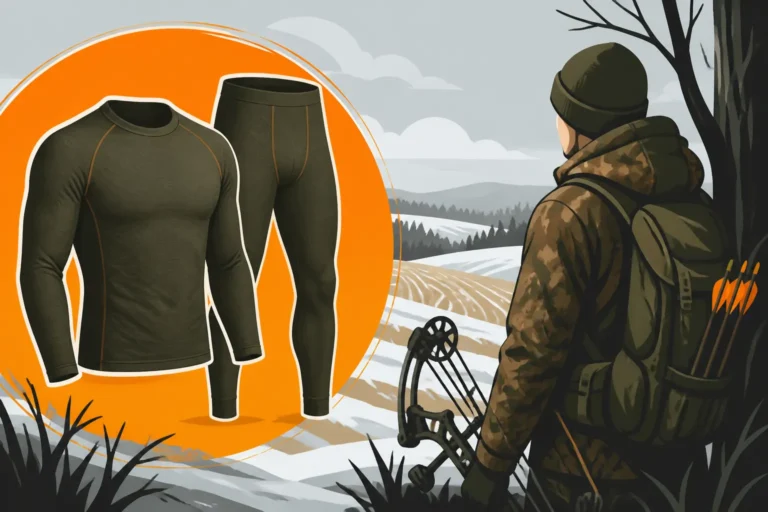
For your base layer, directly against your skin, merino wool often shines for its comfort, warmth-when-wet properties, and exceptional odor resistance. It excels at moving moisture vapor away from your body while keeping you warm even if you generate a little sweat. However, for extremely high-exertion activities where aggressive wicking is the absolute top priority, a lightweight synthetic base might be preferred. When you're trying to figure out which pieces to invest in, doing your research is key. Sites like GoHunt provide invaluable resources, from detailed gear reviews to comparisons of specific products, helping you make informed decisions that align with your hunting style and the unique challenges of Ohio's diverse hunting seasons.
As for mid-layers, both materials offer fantastic options. A synthetic fleece or an insulated synthetic jacket provides lightweight, adaptable warmth that can be easily added or removed. Alternatively, a heavier wool sweater can offer robust, silent insulation for those truly frigid sits. Your outer layer is typically where durable, waterproof, and windproof synthetics often take the lead. These high-performance shells protect your inner insulating layers from the elements. However, a traditional, dense wool outer jacket can be an unbeatable choice for quiet movement in dry, cold conditions or light snow, providing silent stalking capabilities that are hard for any synthetic to match.
Choosing Base, Mid, and Outer Layers
When building your ideal hunting wardrobe for Ohio, think about the function of each layer:
- Base Layer (against skin): This is your foundation. For general hunting in Ohio's variable cold, a mid-weight merino wool base is often an excellent choice. It breathes, wicks, insulates when damp, and resists odor. If you anticipate heavy exertion (e.g., a strenuous hike in for Muzzleloader Tactics in January Cold), a lightweight synthetic base might be preferred for its faster drying time and aggressive wicking.
- Mid-Layer (insulation): This is where you adjust your primary warmth. A synthetic fleece jacket or vest is a versatile choice for its warmth-to-weight and quick-drying nature. For colder conditions, a puffy jacket with advanced synthetic insulation (like PrimaLoft) offers immense warmth in a packable form. Alternatively, a heavy wool sweater or a wool-blend mid-layer provides excellent silent insulation that holds warmth even if damp.
- Outer Layer (protection): This layer is your shield against the elements. For most rainy, snowy, or windy conditions, a high-quality synthetic outer shell with a waterproof/breathable membrane is generally recommended. Look for features like quiet fabrics and articulated fit for hunting. However, for dry, bitterly cold days, or when absolute stealth is paramount, a well-made, dense wool outer jacket can offer superior quietness and warmth, even if it lacks the waterproof capabilities of a modern synthetic shell. Your choice here should align with the specific Clothing for an Ohio Late Season conditions you expect and your hunting style.
Practical Considerations for Ohio Hunters
Beyond the technical performance of wool and synthetics, there are several practical factors that every Ohio hunter should weigh when making their gear choices. These considerations often come down to personal preference, budget, and the specific demands of your hunting pursuits.
Cost vs. Value Over Time
Let's be honest: quality hunting gear is an investment. High-performance merino wool, especially, tends to have a higher upfront cost compared to many synthetic options. However, its exceptional durability, longevity, and natural odor resistance can translate into better value over many, many seasons if cared for properly. A well-maintained wool garment can literally last for decades.
Synthetics, on the other hand, cover a wide price spectrum. You can find very affordable fleece, but advanced insulated jackets with proprietary waterproof membranes and fills can be just as expensive, if not more so, than premium wool. Before you even think about hitting the 'buy' button, I always recommend looking into what seasoned hunters and gear reviewers are saying. A platform like GoHunt can be incredibly helpful for insights into how different brands and materials hold up in real-world hunting conditions, which is especially important for Ohio's notoriously fickle weather. Consider your budget, how often you hunt, and what your priorities are. Don't skimp on the critical layers that keep you warm and safe, as comfort in the field directly translates to longer, more focused hunting time.
Hunting Style and Specific Needs
Your personal hunting style in Ohio will heavily influence your ideal gear setup. Are you primarily:
- Still-Hunting or Stalking: For hunters who constantly move slowly and deliberately through the woods, quietness is absolutely paramount. Here, a silent wool outer layer or well-designed softshell synthetic will be a huge advantage. Breathability is also key to manage exertion without overheating.
- Treestand or Stand Hunting: Long periods of inactivity in cold weather require maximum insulation. Layering is crucial. You'll want a system that provides robust warmth without being overly bulky, allowing for comfortable movement when you need to draw your bow or shoulder your rifle. Boots for Ohio Mud and Snow are also critical for keeping your feet warm and dry during these long sits. For this style, the "warm when wet" aspect of wool can be less critical if your outer layer is effectively shedding precipitation, but insulating performance and quietness remain top priorities.
- Active Hunting (e.g., Deer Drives): If you're participating in Deer Drives on Ohio Public Land or other high-energy activities, aggressive moisture-wicking and quick-drying capabilities become more important to prevent sweat-induced chills. Lighter synthetic base layers might be preferred here, along with highly breathable mid and outer layers that can be easily shed or added as exertion levels change.
Understanding the specific demands of your hunt will guide your choices. A system that works perfectly for a stationary Cold-Weather Sitting Strategy in Ohio might be all wrong for a run-and-gun approach.
Care and Maintenance for Longevity
No matter which materials you choose, proper care and maintenance are essential to ensure your hunting gear performs season after season.
- For Wool: Always read the care labels carefully. Many wool items, especially fine merino, require cold water, gentle cycles, and air drying to prevent shrinking or felting. Avoid high heat. Critically, protect your wool items from moths during off-season storage by using cedar, airtight containers, or mothballs. Spot cleaning small stains can often extend the time between full washes.
- For Synthetics: Generally, synthetics are much easier to care for. Most can be machine washed with similar colors and tumble dried on a low setting. A key tip is to avoid fabric softeners, as they can clog the fibers and reduce the material's wicking and breathability. For waterproof/breathable synthetic shells, consider using specialized technical washes that clean the fabric without stripping its DWR (Durable Water Repellent) coating, and reapply DWR as needed.
By investing a little time in proper care, you'll protect your investment and ensure your Clothing for an Ohio Late Season or early season hunts remain comfortable and effective for many years to come.
Disclaimer
This article is for general informational purposes only and does not constitute professional advice. Laws, prices and regulations vary by location and change over time. Consult a qualified professional for guidance on your specific situation.