Shotgun Slug Choices for Ohio Deer
Navigating the world of shotgun slugs for deer hunting in Ohio can feel like a real puzzle. With so many options on the market, each promising something different, it’s easy to get overwhelmed trying to figure out which one will perform best when that big buck finally steps out. This guide will cut through the confusion, helping you understand the various slug types, how they perform, and what factors to consider to make the smartest choice for your Ohio deer hunt.
The Evolution of Shotgun Slug Hunting in Ohio
Ohio's hunting regulations for deer have seen some significant changes over the years, especially regarding firearms. For a long time, the state was known as a "shotgun-only" state for deer during the general firearms season, which meant hunters primarily relied on shotgun slugs. This history has deeply shaped the gear choices and tactics many Ohio hunters grew up with, and even with newer options available, slugs remain a popular and effective choice for many.
From Smoothbore to Modern Options
Back in the day, when deer numbers were lower and hunting pressure was intense, the idea was to limit the effective range of firearms to reduce long-range wounding and increase safety in densely populated areas. This led to the widespread use of smoothbore shotguns firing traditional Foster-style slugs. These setups were effective, but their practical range was quite limited, often topping out around 75-100 yards for ethical shots. Hunters learned to get close, to truly master their woods, and to understand deer movement intimately. This era fostered a generation of woodsmen who valued stealth and precision.
Then came the advancements. Rifled slug barrels emerged, dramatically improving the accuracy and range of slugs. Suddenly, a shotgun could rival a rifle in terms of precision, extending ethical shots out to 150 yards or even more in some cases. This was a game-changer for many, allowing them to hunt larger tracts of public land or more open farmland with confidence. The transition wasn't immediate for everyone, as rifled barrels and the specialized sabot slugs they required were an investment. But for those who made the leap, it opened up new possibilities. The conversations around deer camp shifted from "Can you hit that far?" to "What sabot slug is flying best out of your new setup?"
Ohio's Straight-Wall Cartridge Era
The biggest shift, however, came with the legalization of straight-wall cartridge rifles for deer hunting. This was a momentous change for Ohio hunters, essentially allowing rifle-like performance during the traditional firearms season. While this opened up a whole new world of calibers and rifle choices, it didn't render shotgun slugs obsolete by any means. In fact, many hunters still prefer their trusted slug guns for a variety of reasons, including familiarity, cost, and the specific characteristics of their hunting grounds. Ohio Legal Firearms for Deer Hunting explains these changes in more detail.
For some, especially those hunting smaller parcels of land or areas with dense cover, the traditional slug gun still makes the most sense. The comfort of carrying a familiar firearm, the proven track record of their slug setup, and the fact that they might not need or want the extended range of a straight-wall rifle all contribute to slugs maintaining their place in the Ohio hunting scene. It also meant that if you already had a well-tuned slug gun, you didn't have to rush out and buy a new straight-wall rifle unless you wanted to. The choice became about optimizing what you had or making a new strategic gear decision based on your hunting style.
Decoding the Different Types of Shotgun Slugs
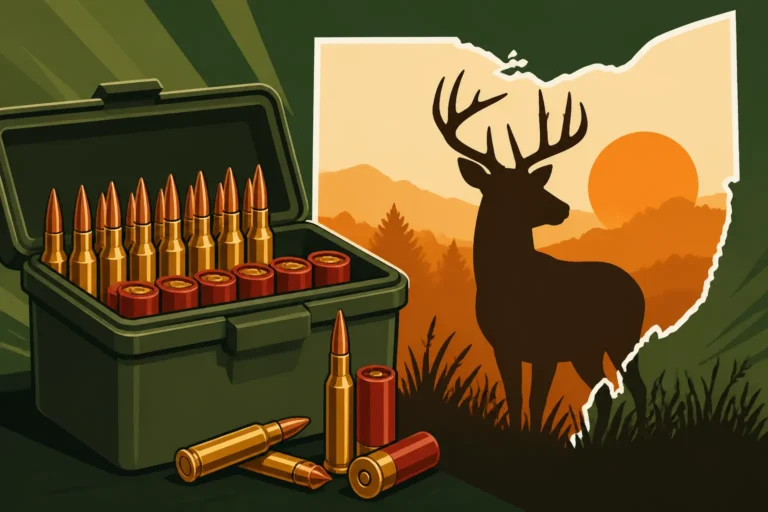
When you walk into a sporting goods store, the ammunition aisle for shotgun slugs can be bewildering. There are so many boxes, each with different names, weights, and promises. Understanding the basic types of slugs is the first step in making an informed decision for your next Ohio deer hunt. They all share the goal of taking down a deer cleanly, but they achieve it in fundamentally different ways.
Traditional Foster Slugs
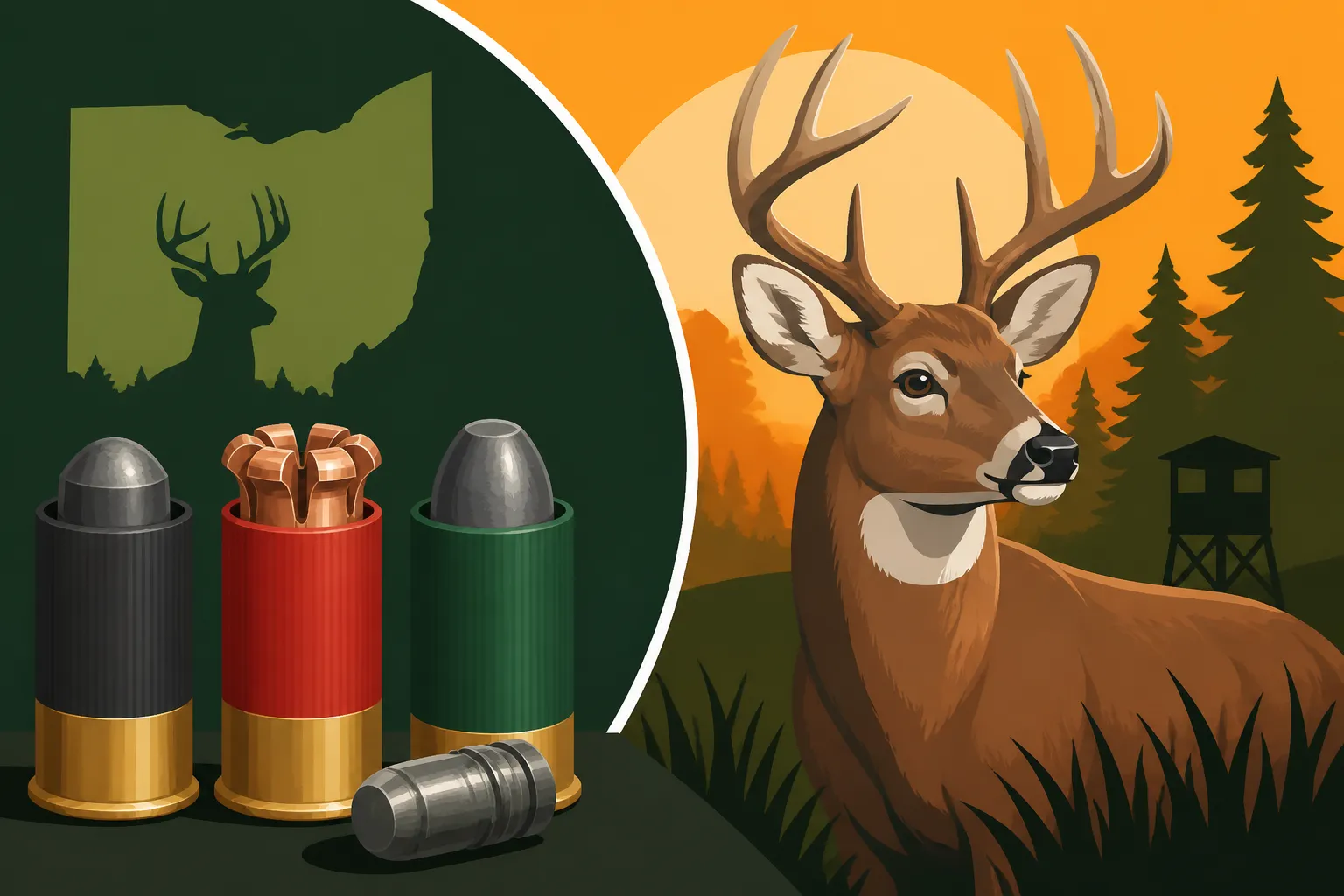
The Foster slug is perhaps the most iconic and historically significant shotgun slug. It's designed to be shot through smoothbore barrels – the kind of barrel you'd find on a typical bird-hunting shotgun. These slugs are essentially a soft lead projectile with a hollow base, which places more weight at the front, helping them fly nose-first. The rifling on the outside of a Foster slug isn't actually there to impart spin; rather, it's designed to allow the slug to compress as it passes through a choke, and it helps reduce friction.
These slugs are generally effective out to about 75 to 100 yards, depending on the shooter and the gun. Beyond that, their accuracy tends to drop off significantly. They deliver a tremendous amount of energy at impact, creating a large wound channel, which is exactly what you want for quick, ethical kills. However, their flatter trajectory means that range estimation is absolutely critical. A 10-yard miscalculation at 75 yards can mean the difference between a clean kill and a frustrating miss. For those hunting thick cover, heavy woods, or small food plots where shots are typically under 75 yards, a Foster slug out of a smoothbore barrel can still be an incredibly effective and reliable choice. It's a classic for a reason, rooted in simplicity and brute force.
Robust Brenneke Slugs
Brenneke slugs are another classic design, originating from Germany. Like Foster slugs, they are also designed for smoothbore barrels, but they have a distinct difference. Instead of a hollow base, Brenneke slugs feature a felt or plastic wad permanently attached to the base of the slug. This wad acts like a shuttlecock, ensuring the slug flies nose-first and stabilizing its flight. The slug itself is often harder lead or even alloy, and it also features external "ribs" for choke passage and friction reduction.
The key advantage of a Brenneke slug is often cited as its slightly improved accuracy and deeper penetration compared to a Foster slug, particularly through brush. Some hunters swear by Brennekes for their ability to smash through a sapling or heavy cover that might deflect a lesser projectile, though no slug is truly "brush proof." They maintain their energy well and are known for their consistent performance. Shotgun Slugs for Ohio Deer is a great resource to explore more about these specific types. While their effective range is similar to Foster slugs, typically within 100 yards, many hunters feel they offer a bit more confidence in challenging conditions or when a deer is quartering away. They are a workhorse slug for close-quarters hunting, and their penetration can be a significant advantage.
Precision Sabot Slugs
Sabot slugs represent the pinnacle of shotgun slug technology and are specifically designed to be fired through rifled barrels. The term "sabot" (pronounced sah-boh) refers to the plastic sleeve or cup that encases a smaller, typically bullet-shaped projectile. This sabot engages the rifling of the barrel, imparting a spin to the projectile, much like a rifle bullet. Once the slug exits the barrel, the sabot falls away, leaving the aerodynamic projectile to continue its flight. This spin is what makes sabot slugs so much more accurate and gives them a flatter trajectory than traditional slugs.
With a rifled barrel and a good sabot slug, ethical shot distances can easily extend to 150 yards, and often beyond, pushing into territory traditionally reserved for rifles. This precision opens up new hunting opportunities, particularly in open fields or on longer ridge-to-ridge shots common in places like Wayne National Forest. However, there's a trade-off: sabot slugs and rifled barrels are more expensive, and sabots absolutely require a rifled barrel to perform as intended. Firing them through a smoothbore barrel will result in poor accuracy and wasted money. For hunters who've invested in a dedicated slug gun with a rifled barrel, sabot slugs offer performance that rivals many straight-wall rifle cartridges, making them a top choice for maximizing range and accuracy. Rifled Versus Smoothbore Slug Barrels provides a deeper dive into these barrel types.
Here's a quick comparison of the main slug types:
| Slug Type | Designed For | Key Feature | Typical Effective Range (yards) | Accuracy Potential | Penetration | Cost (per round) |
|---|---|---|---|---|---|---|
| Foster | Smoothbore Barrel | Hollow base, soft lead, external "rifling" | 50-100 | Moderate | Good | Low |
| Brenneke | Smoothbore Barrel | Attached wad, harder lead, external "ribs" | 75-125 | Good | Very Good | Moderate |
| Sabot | Rifled Barrel (only!) | Smaller, aerodynamic projectile in plastic sabot | 125-200+ | Excellent | Excellent | High |
Crucial Factors in Choosing the Right Slug for Ohio Deer
Selecting the perfect shotgun slug isn't just about grabbing a box off the shelf. It's about matching the slug to your specific hunting situation, your firearm, and your personal capabilities. Ohio's diverse terrain, from the sprawling farmlands of the northwest to the rugged Appalachian foothills, means that one-size-fits-all rarely works. Taking the time to consider these factors will lead to more ethical shots and a more successful hunting season.
Understanding Your Hunting Environment and Expected Shot Distances
Think about where you'll be hunting. Are you in the dense timber of southeastern Ohio, where shots are often 50 yards or less through thick brush? Or are you perched on the edge of a vast cornfield in western Ohio, hoping to intercept a deer at 150 yards? Your environment dictates the most likely shot distance. For close-range encounters in heavy cover, a traditional Foster or Brenneke slug from a smoothbore might be perfectly adequate, even preferable, due to their excellent energy transfer at short distances. They are designed to dump a lot of energy into the animal quickly.
However, if you anticipate longer shots across clearings, power lines, or expansive fields, a sabot slug out of a rifled barrel becomes a much more compelling option. The flatter trajectory and superior accuracy of sabots minimize the chances of a missed shot or, worse, a wounded animal at extended ranges. Before your season starts, consider using tools like GoHunt or similar mapping apps to analyze the typical shot distances on your hunting property, whether it's public land or a private farm. This will give you a realistic expectation of the maximum range you might need.
Firearm Compatibility: Barrel Type and Choke
This is perhaps the most critical factor. As discussed, traditional Foster and Brenneke slugs are designed for smoothbore barrels and can be safely (and often accurately) fired through various chokes, though many hunters prefer an improved cylinder or modified choke for optimal performance. Trying to squeeze a Foster through a full choke can lead to pressure issues and will certainly degrade accuracy.
Sabot slugs, on the other hand, must be fired through a rifled barrel to achieve their designed accuracy and range. Firing a sabot slug through a smoothbore barrel will result in dismal accuracy and a complete waste of the slug's potential. If you have a smoothbore shotgun, stick to Foster or Brenneke slugs. If you've invested in a dedicated slug gun with a rifled barrel, then sabot slugs are your go-to. Don't mix and match inappropriately; it's a recipe for frustration and poor performance. Check your shotgun's manual or the barrel markings to confirm its type.
Accuracy and Consistency with Your Specific Gun
Every shotgun is a law unto itself. What shoots laser beams out of your buddy's Mossberg 500 might throw flyers from your Remington 870. The only way to truly know which slug performs best in your gun is to test it at the range. Buy several different brands and types of slugs and spend a dedicated session shooting them at typical hunting distances (e.g., 50, 75, 100 yards). Pay close attention to group sizes. You're looking for consistency.
Don't settle for "good enough." If you're consistently getting 6-inch groups at 75 yards, that's not acceptable for deer hunting. You should be aiming for groups that are within the vital zone of a deer (roughly a 6-8 inch circle) at your maximum ethical range. This might mean trying different grain weights or different manufacturers within the sabot or Foster categories. Remember, a deer's vital zone is not huge, and an accurate, consistent slug is paramount for an ethical kill. Don't be afraid to experiment, and track your results carefully. Zeroing at 100 Yards for Ridge Hunting emphasizes the importance of precise aiming, which starts with an accurate load.
Optimizing Your Shotgun for Slug Performance
Once you've wrapped your head around the different slug types and the factors influencing your choice, it's time to ensure your shotgun is ready to deliver. A slug's performance isn't just about the projectile itself; it's a system that includes your firearm, its barrel, and how you aim. Ignoring these elements is like buying a high-performance sports car and filling it with low-octane fuel – you just won't get the results you expect.
The Critical Role of Barrel Type
As we've covered, the barrel is the single most important factor determining which slug types you can effectively use. For years, Ohio hunters relied on their standard smoothbore shotgun barrels. These barrels, designed to pattern shot, are still perfectly capable of delivering traditional Foster and Brenneke slugs with sufficient accuracy for close to medium-range deer hunting. If your shotgun has a fixed choke or an interchangeable choke system, you'll want to experiment with different choke tubes. Generally, an improved cylinder or modified choke provides the best balance of accuracy and safe passage for these larger projectiles. A tighter choke, like a full choke, can distort the slug and lead to decreased accuracy, or even potential safety issues with certain slug designs.
For maximum accuracy and range with sabot slugs, a dedicated rifled slug barrel is essential. These barrels feature spiral grooves inside, just like a rifle barrel, which impart spin on the sabot slug, stabilizing it for much flatter trajectories and greater precision. You can often find aftermarket rifled barrels that easily swap onto popular pump-action or semi-automatic shotguns. This conversion essentially transforms your scattergun into a powerful, albeit limited-range, deer rifle. It's a significant upgrade that unlocks the full potential of sabot technology. Shotgun Slug Guns for Ohio Deer gives a great overview of these specialized firearms.
Optics and Sighting Systems for Precision
Hunting deer with slugs, especially with the extended ranges offered by rifled barrels and sabot slugs, demands precise aiming. While some hunters still manage with open sights (bead or rifle-style sights), a scope dramatically improves accuracy and confidence. A low-magnification scope (e.g., 1-4x, 2-7x, or a fixed 3x or 4x) is usually ideal for slug guns. These magnifications are perfect for the typical ranges encountered when hunting deer in Ohio, offering a wide field of view for quick target acquisition in dense woods while still providing enough magnification for longer shots.
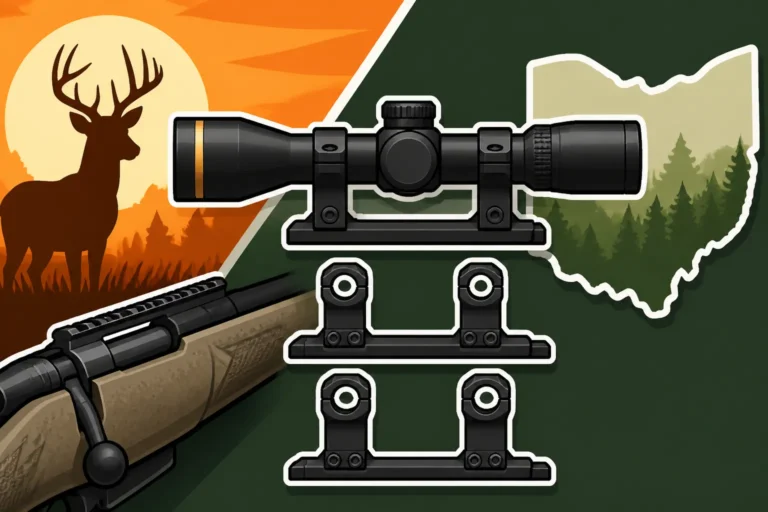
When mounting a scope, ensure it's done securely with quality rings and bases. Shotgun recoil, especially from slugs, can be substantial, and a poorly mounted scope will shift, costing you accuracy and frustration. Some hunters also opt for red dot sights, which are fantastic for fast target acquisition in thick cover and offer unlimited eye relief. Red dots are excellent for shots out to about 75-100 yards, making them a great choice for smoothbore setups. Whatever your choice, proper mounting and zeroing are non-negotiable. Don't head to the woods without confirming your point of impact at various distances.
Recoil Management and Shooter Comfort
Let's be honest: firing shotgun slugs can kick like a mule. This isn't just a matter of discomfort; excessive recoil can lead to flinching, poor shooting habits, and ultimately, missed deer. Recoil management is a real consideration, especially if you're planning extensive practice sessions or anticipating multiple shots. Many modern slug guns come with effective recoil pads, but there are aftermarket options that can further reduce felt recoil. Some hunters even opt for mercury recoil reducers or muzzle brakes (though brakes increase noise, which is a factor in hunting).
Practicing with your chosen slug load is crucial, but don't overdo it in one session if recoil is an issue. Break up your range time, and always maintain proper shooting form. A solid, consistent shoulder mount and cheek weld are vital for managing recoil and ensuring accuracy. If a particular slug load feels overly harsh, sometimes switching to a slightly lighter grain weight (if available and still effective) or a different manufacturer can make a difference. Remember, the goal is to shoot comfortably and consistently, allowing you to focus on the shot, not the impending punishment.
Real-World Field Performance and Ethical Considerations
The ultimate test of any shotgun slug happens in the field. All the range time and technical specifications boil down to how the slug performs when it matters most – ethically harvesting a deer. Understanding trajectory, energy transfer, and the signs of a good hit are critical for responsible hunting, especially in Ohio's varied landscapes.
Trajectory and Drop at Various Ranges
Unlike rifle cartridges, most shotgun slugs have a more rainbow-like trajectory. This means the slug starts to drop significantly over distance, particularly traditional Foster and Brenneke slugs. A slug zeroed at 50 yards might drop several inches by 75 yards and over a foot by 100 yards. Sabot slugs from a rifled barrel offer a much flatter trajectory, but they still drop more than most centerfire rifle rounds. This is why knowing your maximum ethical range and practicing at different distances is so important.
If you're using a smoothbore and traditional slugs, understanding holdover at 75 or 100 yards is crucial. A simple tip is to know your 25-yard, 50-yard, and 75-yard points of impact. With a sabot setup, a 100-yard zero is often a good starting point, and then knowing your drop at 150 or 175 yards becomes vital. You can find ballistic charts from slug manufacturers that provide this data, but always confirm it with your actual gun at the range. Tools like ballistic calculators, including those found on platforms like GoHunt, can help you visualize these trajectories, but they are no substitute for real-world testing. A tiny error in range estimation in the field can easily lead to a miss or a wounded animal, which no hunter ever wants.
Energy Transfer and Terminal Performance
When a slug hits a deer, it transfers a massive amount of kinetic energy. The goal is to deliver enough energy to disrupt vital organs, causing a quick and humane death. Foster and Brenneke slugs, being large lead projectiles, typically deform significantly upon impact, creating a wide wound channel. This "smash" factor is highly effective at close range. They often don't exit a deer, instead dumping all their energy internally. This can be beneficial for leaving all the energy in the animal, but it can sometimes result in a less pronounced blood trail.
Sabot slugs, especially those with expanding bullet designs (like copper or bonded lead-core bullets), are engineered to expand reliably upon impact, creating a devastating wound channel while often retaining enough mass for exit wounds. An exit wound is a huge advantage for tracking, as it creates two holes for blood to escape, often leaving a much better blood trail. Different sabot designs offer varying degrees of expansion and penetration. Some are designed for maximum expansion on deer, while others might be built for deeper penetration on tougher game or larger animals. Researching the specific terminal ballistics of the sabot slug you choose is just as important as researching its accuracy.
Tracking and Recovery After the Shot
Even with a perfectly placed shot and an effective slug, deer can sometimes run. Being prepared for tracking and recovery is a critical part of ethical hunting. Look for clear signs of a hit: the sound of the slug hitting flesh, the deer's reaction, and any visible blood, hair, or bone fragments at the point of impact. If you didn't get an exit wound, finding that initial blood might be more challenging. Knowing the characteristics of your slug – whether it typically exits or stays inside – can help you adjust your tracking strategy.
Give the deer time. If you suspect a good hit, especially through the lungs or heart, wait at least 30 minutes, or longer if the deer wasn't obviously mortally hit (e.g., gut shot). For a gut shot, waiting 4-6 hours, or even overnight if conditions allow, is often necessary. A good light source is essential for tracking after dark, and having a plan for Blood Trailing After Dark in Ohio can be invaluable. Following a sporadic blood trail in the dense woods or through standing corn can be one of the most frustrating parts of hunting, but it's a responsibility every hunter takes on. The better your slug performs and the more accurate your shot, the easier this final step will be.
Choosing the Right Slug for Your Scenario
Ohio's diverse hunting landscape means there's no single "best" slug for every hunter or every situation. The "right" choice is always a personal one, tailored to your specific gear, local conditions, and hunting style. Let's break down some common scenarios you might encounter and suggest appropriate slug choices.
Hunting in Heavy Cover and Thick Woods
Imagine you're deep in the Appalachian foothills of southeastern Ohio, perhaps hunting in a challenging area like the Wayne National Forest or Shawnee State Forest. Shots here are often up close and personal, rarely exceeding 75 yards, and frequently involve navigating dense undergrowth and heavy timber. In this environment, raw power and reliability at short range are often prioritized over flat trajectory.
For this scenario, a smoothbore shotgun with traditional Foster or Brenneke slugs is an excellent choice. These slugs hit hard, transfer a lot of energy at close range, and are perfectly suited for the distances encountered. Their larger diameter can sometimes be an advantage for punching through minor obstructions, though remember, no slug is truly brush-proof. The cost-effectiveness of these slugs also means you can practice more without breaking the bank, which is vital for proficiency. If you're comfortable with your smoothbore and know its capabilities, sticking with a proven classic in these conditions makes a lot of sense. You're leveraging the slug's inherent design for close-quarters impact. Still-Hunting Shawnee State Forest Ridges often involves these types of close-range engagements.
Open Fields and Longer Shot Opportunities
Now, picture yourself on the edge of a harvested soybean field in northern Ohio or a large clear-cut opening in one of the state forests. Here, a deer might appear at 100, 150, or even 175 yards. Relying on a traditional slug's rainbow trajectory at these distances is a recipe for frustration and potentially unethical shots. You need something that flies flatter and maintains accuracy over a greater range.
This is where a rifled slug barrel paired with high-quality sabot slugs truly shines. The superior aerodynamics and spin stabilization of sabot slugs allow for significantly extended ethical range. Choose sabots with good ballistic coefficients and reliable expansion characteristics for deer. Brands like Hornady SST, Federal Trophy Copper, and Winchester Deer Season XP slugs are popular choices known for their accuracy and terminal performance in rifled barrels. Investing in a quality optic, like a low-power variable scope, will further enhance your precision. This setup allows you to confidently make shots that would be impossible with a smoothbore, expanding your effective hunting ground in more open environments. Hunting Northwest Ohio Farmland Deer often presents these longer-range opportunities.
Balancing Cost and Performance
Let's face it, hunting can be an expensive hobby, and ammunition costs can add up quickly, especially when you factor in practice rounds. If you're on a budget but still need effective deer medicine, you'll need to strike a balance between cost and performance.
For hunters prioritizing economy without sacrificing effectiveness at moderate ranges, the traditional Foster slug is often the most budget-friendly option. They are generally the least expensive slug per round, allowing for more practice sessions to ensure proficiency with your smoothbore shotgun. While they might not offer the extreme precision of a sabot slug, they are undeniably lethal within their effective range. If you can consistently place Foster slugs in the vitals out to 75 yards, they represent excellent value. For a slight step up in performance and penetration through brush, Brenneke slugs offer a good middle ground in terms of cost and capability, still suitable for smoothbore barrels. Both of these options allow you to get into the deer woods with confidence without needing to purchase an entirely new barrel or scope setup, making them accessible choices for many Ohio hunters.
The Bottom Line: Practice, Practice, Practice
No matter which shotgun slug you ultimately choose for your Ohio deer hunt, the single most important factor for success and ethical hunting is practice. You can have the most expensive slug gun, the fanciest optic, and the highest-tech sabot slugs, but if you haven't put in the time at the range, it won't matter.
Get to know your specific setup intimately. Understand its capabilities and, more importantly, its limitations. Shoot from various positions you might encounter in the field – standing, kneeling, sitting. Practice quick target acquisition, especially if you're hunting in dense cover where a deer might only offer a fleeting shot opportunity. Pay attention to how recoil affects your follow-through and adjust your technique as needed.
Consider joining an online hunting community or using resources like GoHunt to share experiences, ask questions, and learn from other seasoned Ohio hunters. There's a wealth of knowledge out there, and comparing notes can often help you troubleshoot issues or discover new strategies. Ultimately, confidence comes from competence, and competence only comes from practice. The more you practice, the more confident you'll be when that Ohio whitetail steps out, allowing you to make a clean, ethical shot and enjoy the true rewards of your hunting efforts.
Disclaimer
This article is for general informational purposes only and does not constitute professional advice. Laws, prices and regulations vary by location and change over time. Consult a qualified professional for guidance on your specific situation.