Hunting the Ohio Youth Gun Weekend
Bringing a young hunter into the deer woods for the first time is one of the most rewarding experiences a parent or mentor can have, but it can also be a little overwhelming. The Ohio Youth Gun Weekend offers a fantastic, dedicated opportunity to introduce kids to deer hunting without the pressure of the general season crowds, but understanding the rules, gear, and tactics is key to making it a memorable and safe adventure. This guide aims to walk you through everything you need to know to ensure a successful and enjoyable experience for your young hunter.
Understanding the Ohio Youth Gun Season Framework
The Ohio Youth Gun Season is a special window designed specifically for young hunters, providing a unique opportunity to harvest a deer before the traditional gun seasons open. It's a chance to build confidence and skills in a less crowded environment, which is huge for kids.
Dates and Duration of the Youth Hunt
Typically, the Ohio Youth Gun Weekend is held annually in mid-November, usually the weekend before the statewide regular gun deer season kicks off. For example, in recent years, it's often fallen around November 18-19. This timing is strategic, placing it during a period when deer are still very active and before the immense hunting pressure of the general gun season disperses them. It's usually a two-day event, providing a solid block of time without requiring a full week off school. Knowing the exact dates is crucial for planning, and you can always check the Ohio Department of Natural Resources (ODNR) website for the most up-to-date schedule each year, or refer to resources like Hunting the Ohio Youth Gun Weekend Dates.
This dedicated weekend is a thoughtful move by the state to foster new generations of hunters. Imagine trying to navigate public land with a nervous youngster during the chaos of opening day of regular gun season – it can be intimidating, to say the least. By giving youth their own timeframe, it not only reduces competition for prime spots but also creates a calmer, more focused atmosphere for learning. It's about setting them up for success, not just in terms of harvesting a deer, but in developing a lifelong love for the outdoors.
Eligibility and Mentor Requirements
To participate in the Ohio Youth Gun Weekend, a young hunter must be 17 years of age or younger at the time of the hunt. They are required to possess a valid youth hunting license and a deer permit. Importantly, these young hunters must be accompanied by a non-hunting adult mentor, 18 years of age or older, who also holds a valid hunting license. The mentor cannot carry a hunting implement (firearm, bow, or crossbow) unless they also possess a valid deer permit for themselves and are actively hunting, which complicates the focus on the youth. The spirit of the youth weekend is very much about the mentor guiding and teaching, not simultaneously hunting. You can find more specific details on Ohio Youth Gun Weekend Rules.
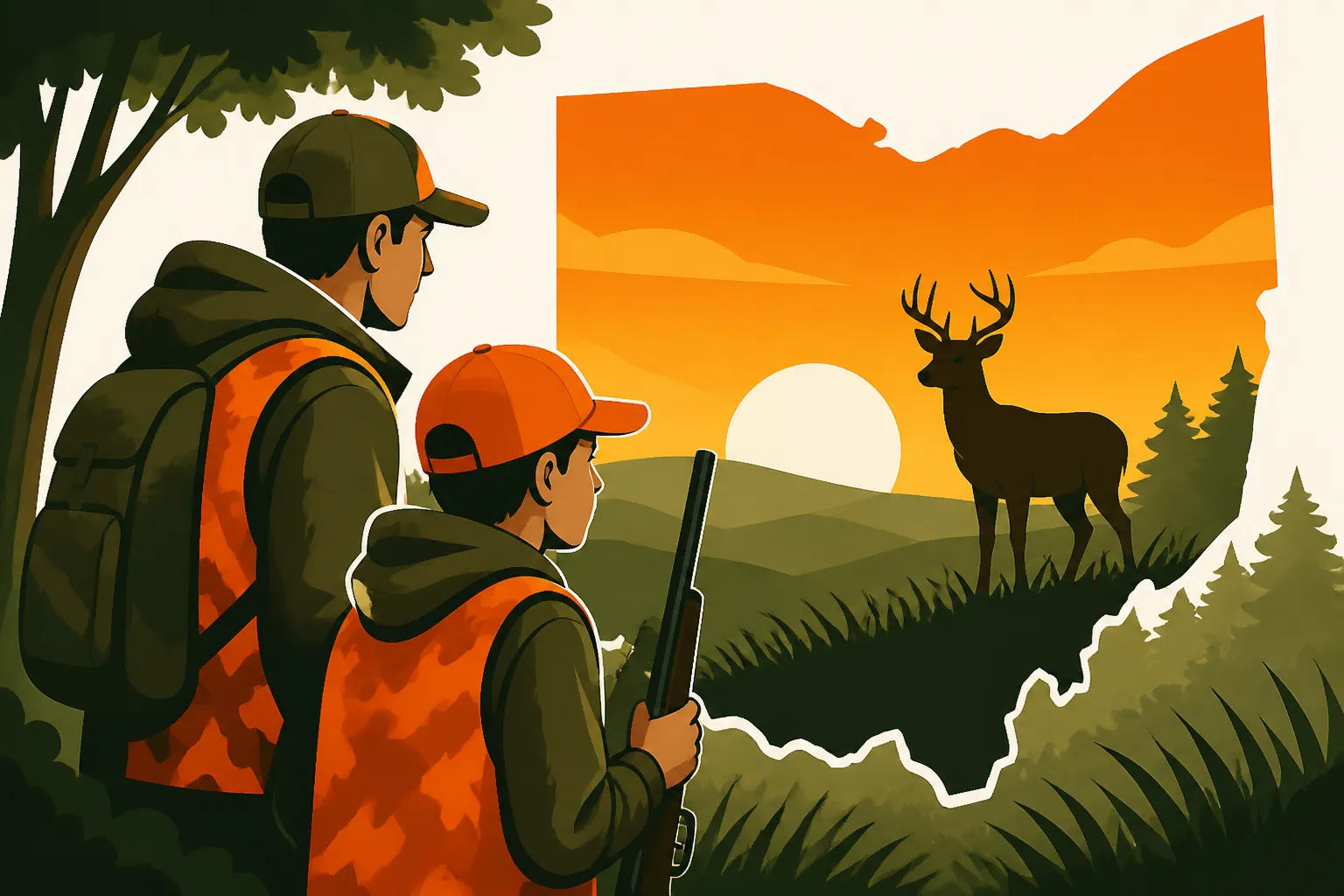
The role of the mentor is absolutely paramount here. It's not just about supervision; it's about instruction, encouragement, and ensuring safety. The mentor needs to be close enough to provide immediate assistance and instruction at all times, typically within arm's reach. This rule is designed to safeguard the young hunter and ensure they are learning responsible hunting practices from an experienced individual. Think of it as hands-on education in the field, where every moment is a teaching moment – from identifying legal game to ethical shot placement and understanding wildlife behavior.
Gear and Preparations for Young Hunters
Getting your young hunter properly outfitted and prepared is a significant part of a successful and enjoyable experience. It's not just about having the right tools, but ensuring they fit, are comfortable, and are safely used.
Appropriate Firearms and Ammunition
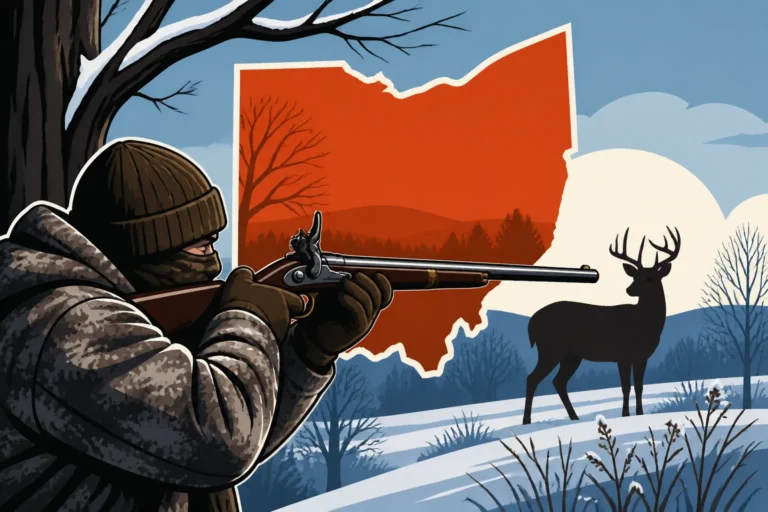
Choosing the right firearm for a young hunter is critical, focusing on safety, manageability, and recoil. While Ohio permits a variety of firearms for deer hunting, including straight-wall cartridge rifles like the popular .350 Legend or .450 Bushmaster, and shotguns with slugs, the key is finding something that fits the child. A standard adult rifle or shotgun can be too long, too heavy, and have excessive recoil, leading to flinching and a negative experience. Many manufacturers, such as Ruger, Savage, and Mossberg, offer compact models or youth variations with shorter stocks and barrels specifically designed for smaller frames. The .350 Legend is an excellent choice for youth due to its relatively mild recoil and effectiveness on deer within typical Ohio hunting ranges. For even younger or more recoil-sensitive hunters, a .410 shotgun loaded with slugs can be a viable option, though its effective range is significantly shorter.
Before heading into the field, spend ample time at the shooting range. This isn't just about sighting in the rifle; it's about building confidence and familiarity. Practice shooting from various positions – off a bench, using shooting sticks, and even from a ground blind if that's your planned hunting setup. Emphasize proper breathing, trigger control, and follow-through. Make sure the ammunition chosen is appropriate for deer, with good expansion characteristics for a clean, ethical harvest. For any straight-wall cartridge, zeroing the rifle for 100 yards is a good starting point, providing a versatile range for most Ohio hunting scenarios.
Clothing and Safety Essentials
Comfort and safety go hand-in-hand in the deer woods, especially for kids. Ohio law requires hunters to wear a certain amount of hunter orange (or hunter pink) during gun seasons. This usually means a minimum of 500 square inches on the head, back, and chest, with visible outer garments. Ensure your youth hunter has a well-fitting, bright orange vest and hat – the brighter, the better for visibility to other hunters. Layered clothing is also essential, as Ohio weather in November can swing dramatically from crisp mornings to mild afternoons, or even bring cold rain or snow. Start with a moisture-wicking base layer, add insulating layers like fleece or wool, and top it with a waterproof/windproof outer shell. Wool, in particular, is a fantastic choice as it retains warmth even when wet.
Beyond clothing, a few safety essentials are non-negotiable. Hearing protection, such as earmuffs or earplugs, is critical when shooting firearms. Eye protection is equally important. A small backpack with water, snacks, a first-aid kit, and a whistle for emergencies should always accompany the young hunter. Teach them how to use a compass or a GPS device like the one found in the GoHunt app, and make sure they understand basic safety rules: treat every firearm as if it's loaded, always point the muzzle in a safe direction, keep your finger off the trigger until ready to shoot, and be absolutely sure of your target and what's beyond it. These fundamentals must be drilled into them long before they ever step foot in the woods.
Tactics for Success on Youth Weekend
Success on the youth gun weekend isn't solely measured by a deer on the ground; it's about the experience. However, smart tactics can certainly increase the chances of a harvest and make the learning process more exciting.
Scouting and Stand Selection
Effective scouting before the youth weekend is paramount. Since the youth hunt typically precedes the general gun season, deer patterns might be slightly different than later in the year. Focus on areas with abundant food sources like acorn flats, standing crops (if on private land), or browse. Look for fresh deer sign: tracks, droppings, rubs, and scrapes. Water sources, especially in drier periods, can also be key funnels. Using a mapping application like GoHunt can be incredibly helpful for identifying potential pinch points, bedding areas, and travel corridors on public lands like Wayne National Forest or nearby Ohio Wildlife Areas. It allows you to analyze terrain features, access points, and even historical harvest data, helping you narrow down promising spots without walking miles unnecessarily.
When it comes to stand selection, prioritize safety and comfort for your young hunter. Ground blinds are often an excellent choice for youth. They offer concealment, shelter from the elements, and allow for more movement, which is crucial for a kid who might get restless quickly. Set up the blind well in advance if possible to allow deer to get used to it. Position it to take advantage of prevailing winds, and ensure you have clear shooting lanes to high-traffic areas. If using a treestand, make sure it's a two-person stand rated for the combined weight, or that both mentor and child are securely harnessed and connected to a lifeline. Position the stand to overlook a likely travel route or feeding area, perhaps a transition zone between bedding cover and a food source. Remember, for a young hunter, a 50-yard shot can feel like a mile, so try to keep shot distances manageable.
Communication and Patience in the Field
Hunting with a young person requires a significant shift in mindset for the mentor. Your priority isn't your own hunt; it's theirs. This means constant, calm communication and an abundance of patience. Before you even head out, talk about expectations. Explain that harvesting a deer is never guaranteed, and the real goal is to enjoy nature, learn, and spend time together. Review safety rules again. Once in the blind or stand, whisper instructions, point out interesting wildlife, and explain what you're seeing and hearing. When a deer approaches, guide their breathing, help them steady their aim, and remind them of shot placement.
Short sits are often best for younger kids. Their attention spans are shorter, and sitting still for hours can quickly turn fun into misery. Plan for a morning sit, return to camp for a warm lunch and a break, and then head back out for a shorter afternoon hunt. This flexibility makes the experience far more enjoyable. Don't be afraid to pull out early if the child is cold, uncomfortable, or simply losing interest. Pushing them too hard can sour them on hunting forever. Instead, focus on the little things: the sunrise, a squirrel scampering, a distant gobble. These moments of connection with nature are often more impactful than the harvest itself. Remember, this weekend is about building a foundation for a lifetime of outdoor enjoyment, not just filling a tag.
Making it a Memorable Experience Beyond the Harvest
While the excitement of harvesting a deer is undeniable, the true magic of the youth gun weekend lies in the shared experience and lessons learned, whether a shot is fired or not.
Focusing on Education Over Harvest
One of the greatest gifts you can give a young hunter is an appreciation for the entire outdoor experience, not just the act of pulling a trigger. Use the time in the woods as a living classroom. Point out different tree species, identify bird calls, explain animal tracks, and discuss the role of various wildlife in the ecosystem. Talk about deer behavior: why they use certain trails, what they eat, and how they react to wind and human presence. This kind of education builds a deeper connection to nature and an understanding of conservation. You can relate it to how the ODNR manages White-Tailed Deer Across Ohio to ensure healthy populations.
If a deer is harvested, it becomes an even more profound learning opportunity. Teach them how to properly approach the downed animal, how to Field Dressing a Deer in Cold Weather, and the importance of checking it in through the state's system. Explain the concept of ethical hunting – that taking an animal carries a responsibility to honor it by using its meat and respecting its life. These are the moments that truly shape a young hunter's character and instill a sense of respect for the game they pursue. Even without a harvest, the lessons of patience, observation, and being immersed in nature are invaluable.
Post-Hunt Activities and Mentorship
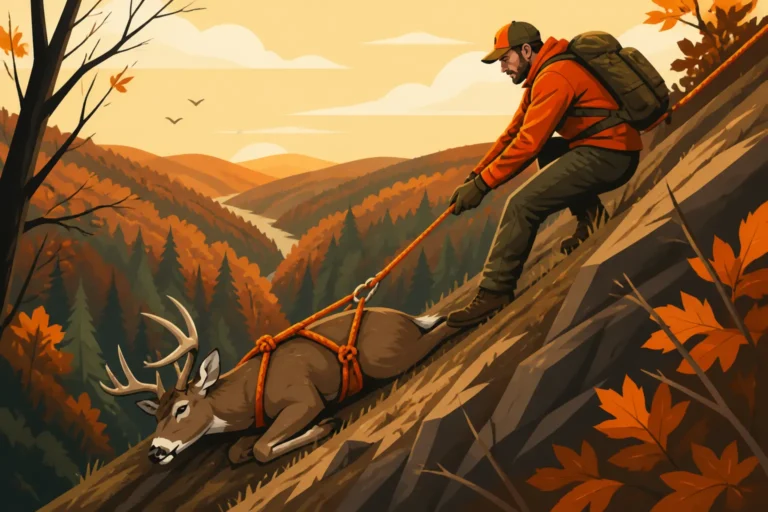
The experience doesn't end when you leave the woods. The post-hunt activities are just as important for solidifying those memories and strengthening the bond between mentor and youth. If a deer was harvested, involve them in every step of the process: helping to drag the deer out (if safely possible), assisting with butchering, and preparing the venison. Cooking and sharing a meal made from their harvested animal is an incredibly powerful experience that connects them directly to their food and the hunting tradition. This is often where Ohio Deer Camp Traditions truly come alive, passing down knowledge and stories.
Beyond the immediate activities, sustained mentorship is key. Keep talking about hunting, reviewing past experiences, and planning future outings. Encourage them to ask questions and explore their growing interest in the outdoors. Maybe next season, you focus on Bowhunting Ohio's Long Archery Season or explore small game hunting. Introduce them to resources like hunting magazines, online forums, or even the detailed information available on the Ohio Hunter Education Requirements to deepen their knowledge. The youth gun weekend is just the beginning of their journey, and your continued guidance will shape them into responsible, ethical, and passionate hunters for years to come.
Comparison of Common Youth Hunting Calibers for Deer
Choosing the right firearm for a young hunter can be daunting. Here's a quick comparison of some popular options suitable for Ohio's straight-wall cartridge rules, keeping recoil and effectiveness in mind.
| Caliber/Type | Pros | Cons | Typical Effective Range | Recoil (Relative) | Ideal for Young Hunters |
|---|---|---|---|---|---|
| .350 Legend | Low recoil, good velocity, widely available ammo, effective on deer. | Less common than traditional rifle calibers in other states. | 150-200 yards | Low | Excellent |
| .450 Bushmaster | More powerful than .350 Legend, good for larger deer/bear (if legal). | Higher recoil than .350 Legend, less forgiving for new shooters. | 150-175 yards | Moderate | Good (for older youth) |
| .44 Magnum (Rifle) | Classic handgun caliber, but potent in a rifle; good for timber hunting. | Slower velocity, limited range, more bullet drop than newer straight-walls. | 100-125 yards | Moderate | Good |
| 20 Gauge Slug | Lower recoil than 12 gauge, widely available guns and ammo, versatile. | Limited range, less flat-shooting than straight-wall rifles. | 75-100 yards | Moderate-Low | Excellent |
| .410 Slug | Very low recoil, ideal for very young or small-statured hunters. | Very limited effective range, requires precise shot placement. | 50-75 yards | Very Low | Specific (very young) |
This table highlights that while calibers like the .350 Legend offer a great balance of low recoil and effective range, choices must align with the individual youth hunter's size, experience, and comfort level. Always prioritize a firearm they can shoot accurately and confidently.
Disclaimer
Hunting is an inherently risky activity. The information provided in this article is for general guidance and educational purposes only. Always consult the official Ohio Department of Natural Resources (ODNR) hunting regulations for the current season, as rules and laws can change. It is your responsibility to understand and comply with all applicable hunting laws, safety guidelines, and licensing requirements. Personal safety, ethical hunting practices, and responsible firearm handling should always be your top priorities.