Finding Ground That Sees Fewer Hunters
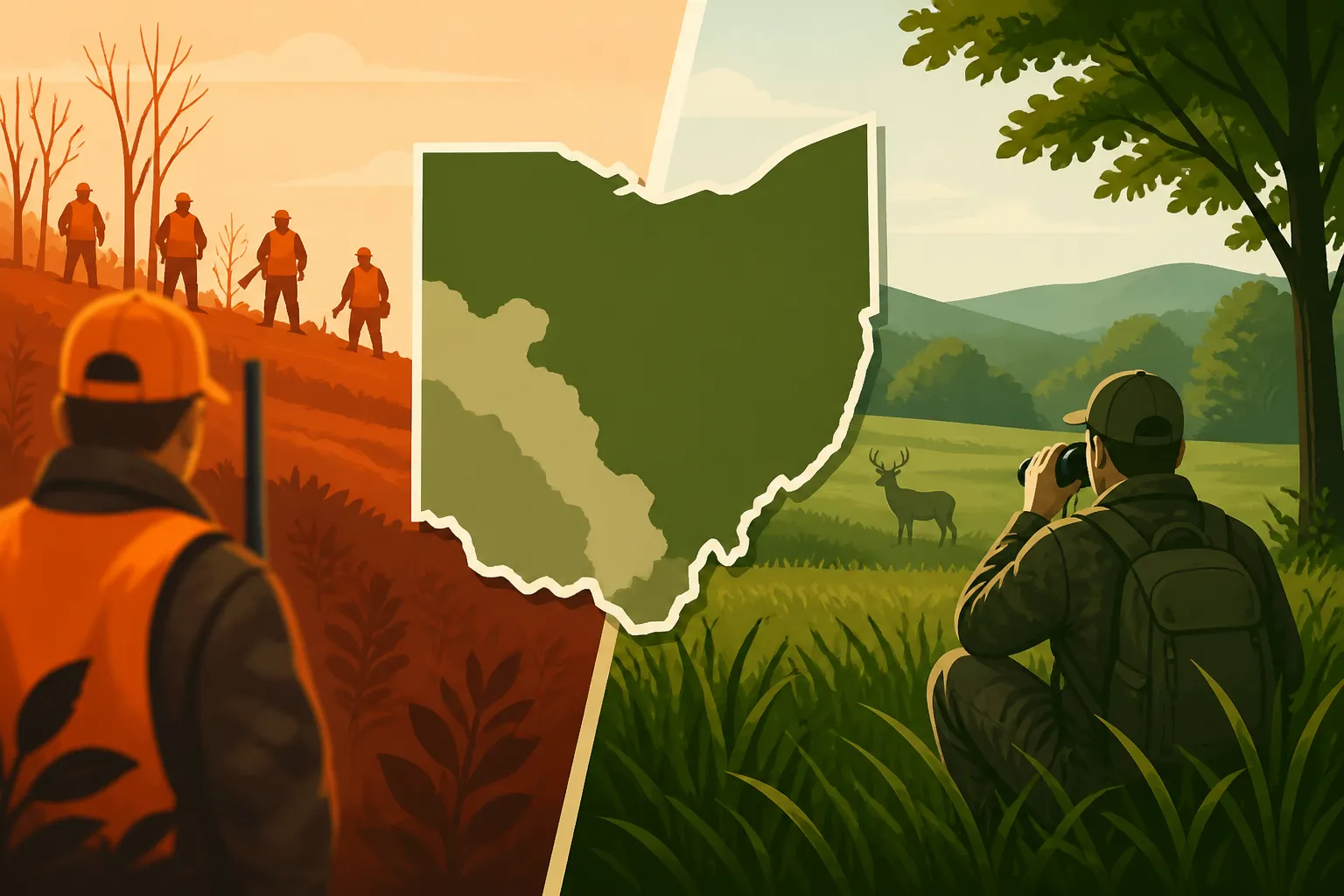
It's a common frustration for Ohio hunters: you wake up before dawn, drive an hour or two, only to pull into the public land parking lot and see half a dozen other trucks already there. The heart sinks a little, knowing that the "secret spot" you thought you had might be getting pounded by other eager hunters. This guide is all about navigating that challenge, helping you understand why some spots are crowded and, more importantly, how to scout and hunt smarter to find those quieter corners where game isn't constantly on edge.
Understanding Why Some Hunting Spots Get Overrun
Let's be real, nobody enjoys feeling like they're walking in a parade when they're supposed to be deep in the woods. The constant pressure from other hunters can genuinely impact your success and the overall enjoyment of your time outdoors. It's not just a feeling; it's a measurable factor in how game animals behave.
The Allure of Easy Access and Well-Known Areas
It's human nature to take the path of least resistance, and that applies to hunters, too. Areas that are easily accessible—think parking lots right off a state route, well-maintained gravel roads deep into a state forest, or public land tracts directly bordering a city—are always going to see the most foot traffic. These are the spots that show up clearly on maps, have obvious trails, and don't require a grueling hike just to get started.
Think about some of the more popular Wildlife Areas or sections of places like Wayne National Forest Hunting. They're fantastic resources, no doubt, but during opening weekend, especially for deer or turkey, they can feel a lot like a public park. Hunters often hit these convenient spots first because they're familiar, or because they simply offer a quick in-and-out. This isn't a criticism, just an observation of how predictable human behavior creates predictable hunting pressure. Everyone's looking for that perfect spot, and often, the obvious spots are the first to get attention.
The Impact of Constant Hunter Presence on Game Animals
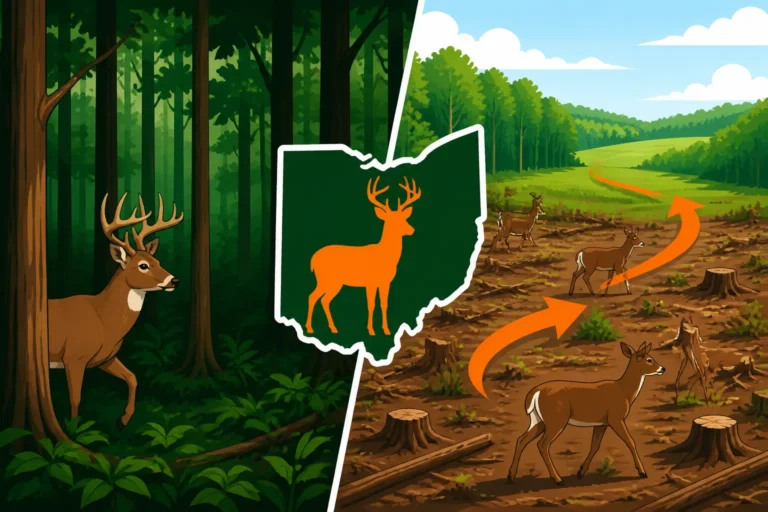
Deer, turkeys, and even small game aren't dumb. They learn, and they adapt. When an area sees consistent human activity—whether it's hikers, mushroom foragers, or other hunters—the animals living there change their patterns. They become more nocturnal, moving primarily under the cover of darkness. They utilize thicker, nastier cover that humans tend to avoid. And they'll often hold tight or flat-out abandon areas that were once prime habitat if the pressure becomes too intense.
For deer, this might mean they spend daylight hours bedded deep in a briar patch or on a steep, inaccessible hillside, only emerging into open woods or fields after legal shooting light. Turkeys, especially old gobblers, become incredibly call-shy. They've heard every cluck, yelp, and purr in the book, and instead of strutting into your setup, they'll often hang up just out of sight, trying to pinpoint the source of the call without exposing themselves. During high-pressure times like the Ohio Regular Gun Season First Weekend, this behavior is magnified. The woods can feel eerily quiet during daylight, even if there are plenty of animals around, simply because they've learned to become invisible.
Strategic Scouting for Less Pressured Hunting Grounds
Okay, so we know why some spots get crowded. The real question is, how do we find the ones that don't? It takes a bit more effort, a different mindset, and a willingness to use both modern technology and old-school legwork.
Leveraging Technology for Remote Reconnaissance
In today's hunting world, mapping apps like onX Hunt have become an indispensable tool for identifying those overlooked pockets. You can sit on your couch, zoom in on public land parcels, and start to "walk" the terrain virtually. Look for features that might deter other hunters: steep ravines, expansive marshy areas, thick clear-cuts, or sections of public land that are landlocked by private property with only a tiny, obscure access point.
Use the satellite imagery to identify changes in timber types, potential bedding areas on leeward slopes, or isolated ridges far from any discernible trail. Look for drainages that might create natural funnels or pinch points that are too far from the main roads for most casual hunters to bother with. The beauty of these apps, like onX Hunt, is that they show you property boundaries, helping you understand where public land extends into areas that might seem private at first glance. You can literally drop waypoints on potential spots you want to check out later, even noting terrain features or potential access routes. For detailed breakdowns, learning to apply these techniques to specific regions, like Reading Aerial Photos for Southeast Ohio Deer, can give you a massive advantage. While GoHunt might be more tailored for Western big game species with its robust unit data, its mapping capabilities and ability to overlay different layers (like public/private land, historic fire data, or water sources) can still be useful for understanding the broader landscape and pinpointing less accessible features in Ohio, especially on larger state forests.
The Indispensable Role of Boots-on-the-Ground Scouting
No matter how good a mapping app is, there's absolutely no substitute for putting your boots on the ground. Remote scouting points you in the right direction, but in-person scouting confirms your theories and reveals details you can't see from a satellite. This is where you actually walk the miles off the beaten path, looking for those old, forgotten logging roads that are now overgrown, or creek bottoms that wind for miles and act as natural travel corridors.
During the off-season, when leaves are down and visibility is high, is the perfect time for this. Walk those nasty briar patches, scramble down those steep hillsides, and push through those thickets that look impenetrable. Look for rubs, old scrapes, fresh tracks, and worn trails—these are all Finding Sign in Big Appalachian Timber. The more physical effort you put in, the less likely other hunters are to have ventured into those same spots. You're looking for areas where the deer feel safe, and often, "safe" means "difficult to access for humans." This isn't just about finding deer, either; it's about understanding how they use the terrain when they're not being pushed around.
Tactical Approaches to Beat the Crowds During Season
Okay, you've done your homework, found some promising looking spots. Now, how do you actually hunt them during the season without running into a dozen other folks?
Hunting Mid-Week and Off-Peak Hours
This might seem obvious, but it's incredibly effective. The vast majority of hunters are weekend warriors, especially during the early parts of deer and turkey seasons. If you have the flexibility to hunt on a Tuesday or Wednesday, you'll often find the woods remarkably quieter. The difference between a Saturday morning in mid-November and a Tuesday afternoon can be like night and day.
Animals that have been pushed around over the weekend will often settle back into their normal routines during the week. This means they might revert to more predictable daytime movement, especially if the weather is stable. Also, consider hunting during less conventional hours. While most hunters are out at first light and last light, sometimes a mid-day still-hunt through a thick bedding area can pay off, especially if other hunters have bumped deer towards you in the morning. Even short, intense hunts for a couple of hours in the middle of a weekday can be more productive than a full Saturday of battling crowds. Don't underestimate the power of simply avoiding the busiest times, even during critical periods like Ohio Muzzleloader Season Tactics or late-season archery when How Ohio's Archery Season Runs Into February keeps the season open long after others have packed it in.
Embracing the Difficult Terrain and Heavy Cover
This is where the rubber meets the road. If you want to find ground that sees fewer hunters, you have to be willing to go where most hunters don't want to go. This means embracing the suck a little bit. Think about the steepest ravines, the thickest briar patches, the nastiest swamp edges, or the densest clear-cuts that might have been logged a few years back and are now a tangle of regrowth.
These are the sanctuaries for pressured game. Deer, especially mature bucks, know these spots offer safety from human intrusion. It might mean a longer, tougher walk in, scaling steep hills, or literally crawling through thick stuff, but these efforts often lead to unpressured animals. Gear becomes crucial here. You'll need durable clothing that can withstand thorns, and sturdy Boots for Ohio Mud and Snow are non-negotiable. A well-fitted pack, like those described in Packs Built for a Wayne Forest Day Hunt, can make all the difference when you're hauling gear (or a deer!) out of challenging terrain. The mentality shifts from finding an easy spot to finding a hard spot that holds deer.
Finding the "Hidden Gems" in Ohio's Hunting Landscape
Even in heavily hunted states like Ohio, there are always opportunities to find less-pressured areas. Sometimes it's about looking closer, and sometimes it's about thinking outside the box.
Overlooked Features Within Popular Public Areas
Even popular public lands, like state forests or large wildlife areas, often have hidden corners. The trick is to identify what makes a spot "hidden" even when it's technically accessible. Often, it's simply a matter of distance from the parking lot or main trail. Most hunters will only venture a certain distance from their vehicle, perhaps a quarter-mile, a half-mile, maybe a mile at most. The farther you're willing to go, the exponentially less pressure you'll likely encounter.
Look for small, isolated woodlots that are part of a larger wildlife area but are surrounded by agricultural fields, with only a small, obscure access point. These "woodlot islands" can be gold mines. Or, within a vast forest, find a tiny, steep finger ridge or a deep hollow that requires significant effort to reach. These are often the places where deer will bed down after being bumped by hunters closer to roads or trails. Remember the guidance in How Far to Walk From a Trailhead; it's often surprising how quickly the pressure drops off once you get beyond that initial hunter density.
Utilizing Less Popular Game Seasons for Deer Scouting
While everyone focuses on deer, don't forget about other game species that can lead you to prime, unpressured deer habitat. For instance, chasing squirrels in early fall can be an excellent way to scout for deer sign without the intense competition. Squirrel hunting often takes you deep into timber, through creek bottoms, and along ridges where deer are also active. You'll observe deer trails, rub lines, and scrapes, all while doing a different type of hunting. Squirrel Hunting Ohio Hardwoods might not be your primary goal, but it’s a fantastic reconnaissance mission that doubles as a fun hunt.
Similarly, late-season rabbit hunting, even on small Hunting Small Private Tracts in Ohio (if you can get permission), can reveal where deer are congregating for winter food sources or bedding down in thick cover. These hunts get you moving and observing, honing your woodsmanship, and often leading you to spots that you might otherwise overlook during deer season itself. Think of it as an intelligence-gathering operation that also fills your game bag. This varied approach can help you understand the overall Hunting Pressure on Ohio Public Land dynamics, and how game responds throughout the year.
Here's a quick comparison of common versus less-pressured hunting spots:
| Feature/Aspect | Commonly Hunted Areas | Less Pressured Areas |
|---|---|---|
| Access | Easy, well-marked trails, close to parking lots | Difficult, obscure, long hikes, no clear trails |
| Terrain | Relatively flat, open timber, gentle slopes | Steep, thick, swampy, dense clear-cuts |
| Sign of Game | Often sparse or old, heavily browsed areas | Fresh rubs/scrapes, abundant droppings, heavy trails |
| Time of Day/Week | Heavily hunted at dawn/dusk, especially on weekends | Productive mid-day, mid-week, or late season |
| Hunter Presence | Frequent sightings, sounds of other hunters | Rarely see or hear other hunters |
| Game Behavior | Nocturnal, skittish, call-shy | More relaxed, move during daylight, respond to calls |
Finding ground that sees fewer hunters in Ohio is absolutely achievable, but it's not going to fall into your lap. It demands effort, a willingness to hike farther, and a keen eye for overlooked details. By combining modern mapping technology with dedicated boots-on-the-ground scouting, and by adjusting your hunting schedule and tactics to avoid peak pressure, you can consistently find those quiet pockets where deer and turkeys feel secure. These efforts will not only increase your chances of success but also provide a more peaceful and rewarding hunting experience, far from the madding crowds.
Disclaimer
This article is for general informational purposes only and does not constitute professional advice. Laws, prices and regulations vary by location and change over time. Consult a qualified professional for guidance on your specific situation.