How Ohio’s Archery Season Runs Into February
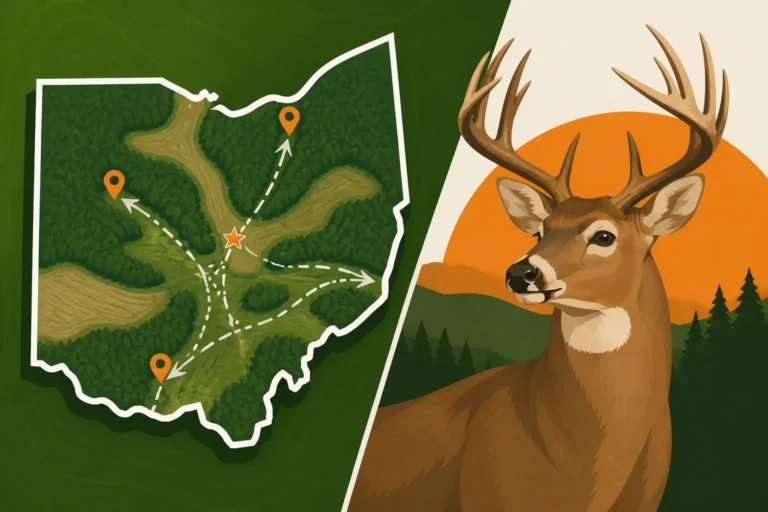
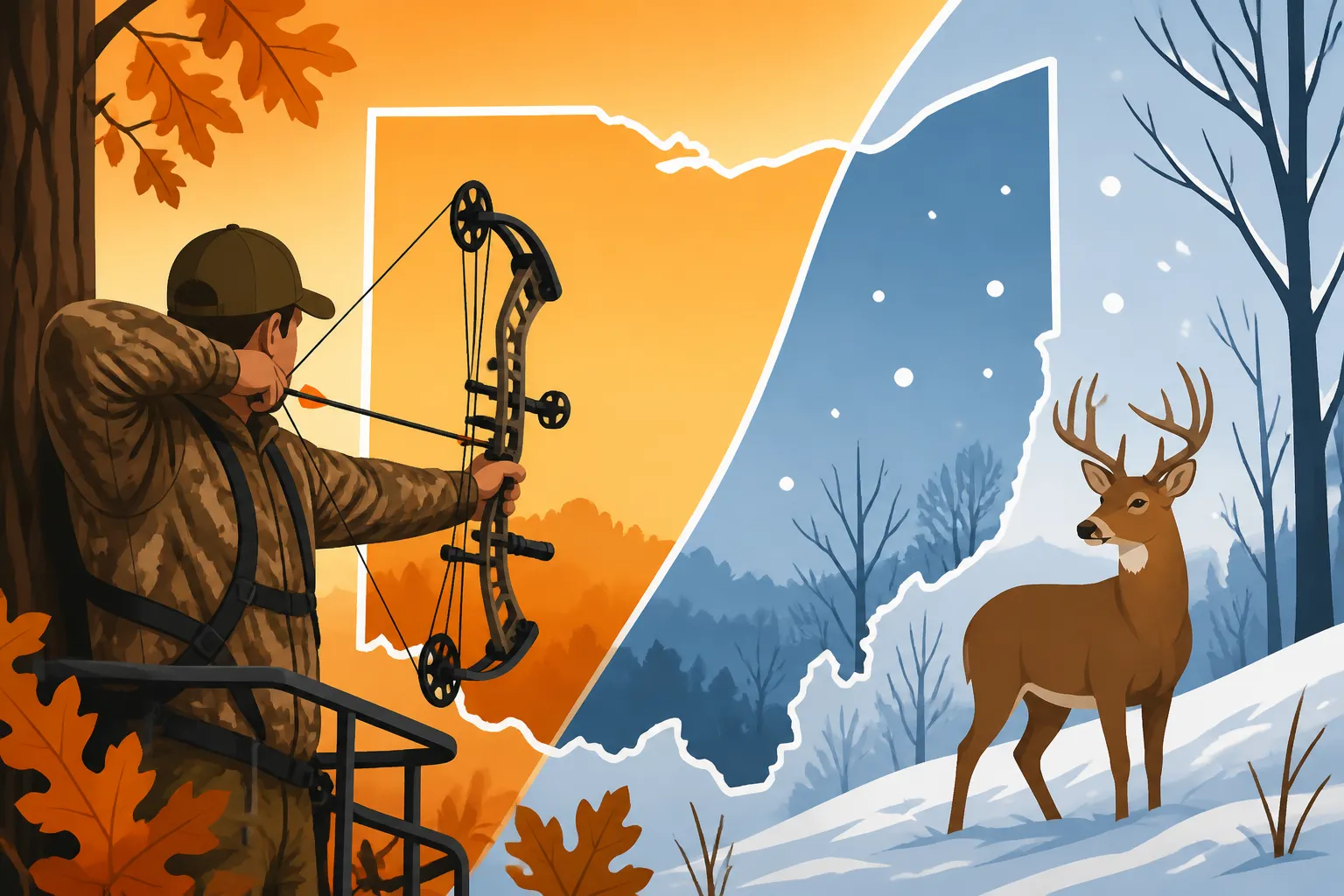
For many Ohio hunters, the end of gun season can feel like the final bell, leaving a long, quiet stretch until spring gobblers. But that couldn't be further from the truth for archers. Ohio boasts one of the most generous archery seasons in the country, extending well past the traditional deer seasons and allowing bowhunters to chase whitetails all the way into the frigid depths of February. This guide dives deep into how you can make the most of this incredible late-season opportunity.
Understanding Ohio's Extended Archery Season Dates
There's something truly special about being in the woods when most other hunters have packed it in. Ohio's archery season structure provides just that, offering a unique and extended timeframe for those dedicated to the stick and string.
The Calendar Advantage for Bowhunters
Ohio's archery season typically kicks off in late September and continues uninterrupted until the first Sunday in February. That's a massive window, encompassing everything from early-season patterns, the peak rut, and the entirety of the firearms seasons, right through to the tail end of winter. When you look at the calendar, this means you can be actively pursuing deer with your bow for over four months! This extended period is a stark contrast to many other states where archery seasons might close with the onset of gun season or only offer a brief late-season window. The sheer length of the season allows for a different kind of hunting strategy, one that acknowledges the changing landscape, deer behavior, and hunter pressure throughout the fall and winter. It gives you the flexibility to adapt and learn the deer herd in your specific area through multiple phases, rather than feeling rushed. The psychological benefit alone of knowing you have "more time" to hunt, even when conditions are tough, can be incredibly motivating.
Overlapping Seasons and Special Regulations
It's crucial to remember that while the archery season is long, it doesn't exist in a vacuum. It overlaps significantly with several other deer hunting seasons, including the always-popular regular gun seasons, the youth gun weekend, and the muzzleloader season. This means that from roughly late November through early January, the woods can see a considerable increase in hunter activity. During these overlapping periods, safety becomes paramount. All hunters, including archers, are required to wear blaze orange during any gun seasons for deer, regardless of whether they are carrying a firearm or a bow. This mandate is non-negotiable and essential for visibility. For detailed dates and specific requirements, it's always wise to consult the current Ohio Deer Season Structure Explained regulations.
Beyond safety, understanding these overlaps can also inform your hunting strategy. Deer behavior can change dramatically after the initial shock of gun season, often becoming more nocturnal or seeking out thicker cover. Furthermore, while the general rules of Ohio Deer Management Permits allow for taking antlerless deer throughout the season, hunters in the Chronic Wasting Disease Surveillance Area (DSA) might have different tag requirements or mandatory sampling procedures during specific periods. For instance, specific check-in requirements might be in place for deer harvested within Ohio's Chronic Wasting Disease Surveillance Area during designated mandatory testing windows. Always verify the latest regulations, especially if hunting in or near counties like Wyandot, which have heightened CWD protocols.
Why the Late Season Presents Unique Challenges and Opportunities
Hunting deer in February isn't for the faint of heart. The conditions are often harsh, and the deer have been pressured for months. However, these very challenges create unique opportunities for the persistent bowhunter.
The Impact of Cold Weather and Snow
When the calendar flips to January and February, Ohio's weather can be truly brutal. We're talking about single-digit temperatures, bitter wind chills, and often significant snow accumulation. This extreme cold fundamentally alters deer behavior. Their primary focus shifts from breeding (which is long over by now, outside of a very rare, late estrus cycle) to survival. This means finding food and conserving energy are paramount. You'll notice deer spending more time bedded in dense thermal cover – think thick conifer stands, south-facing slopes that catch the sun, or deep ravines protected from the wind. Their movement patterns become more predictable, often dictated by the most efficient routes between these bedding areas and scarce food sources.
For the hunter, snow, while challenging to endure, can be an incredible asset. A fresh snowfall acts like a giant whiteboard, revealing every deer track, rub, and browse line. You can easily identify heavily used travel corridors, pinpoint exactly where deer are feeding, and even get a sense of the size and number of deer in an area. However, it also presents challenges: your scent hangs heavier in the cold, still air, and your movements are amplified on crunchy snow. Staying warm becomes a full-time job, requiring specialized layering and mental fortitude. It's not uncommon to spend hours on stand with numb fingers and toes, but the reward of seeing a late-season buck can make it all worthwhile. If you're struggling to stay comfortable, a good Cold-Weather Sitting Strategy in Ohio can make all the difference between an early exit and a successful hunt.
Food Sources Become Critical
Forget about those lush clover plots or plentiful acorns from September. By the time February rolls around, the landscape is often stark and barren. The mast crops are long gone, most agricultural fields have been harvested, and green browse is scarce. This environmental shift means that deer become incredibly concentrated around the few remaining high-energy food sources. Identifying these crucial spots is the single most important factor for late-season success.
Prime late-season food sources include unharvested standing crops like corn or soybeans, brassica food plots (if they haven't been completely consumed or buried under snow), and woody browse. Deer will heavily target woody browse like multiflora rose, honeysuckle, and various saplings. In areas with significant agricultural presence, any standing grain that wasn't harvested due to wet conditions or simply left for wildlife can be a magnet. Farmers working with programs might intentionally leave strips of corn or soybeans, and these become goldmines for whitetails. Without these concentrated food sources, deer struggle to maintain their body weight and energy reserves through the harsh winter. Therefore, your scouting efforts need to laser-focus on finding these specific areas. Understanding Late-Season Food Sources for Ohio Whitetails is non-negotiable for success during this time.
Adapting Your Tactics for Late Archery Success
The tactics that worked during the early season or the rut often won't cut it in February. This period demands a more refined, patient, and food-centric approach.
Scouting for Remaining Food and Cover
Late-season scouting is a different beast entirely. It's no longer about finding rubs or scrapes, but about pinpointing areas of crucial survival resources. After agricultural fields have been harvested, the landscape transforms, often revealing new travel corridors and bedding areas that were previously obscured by tall crops. Start by identifying fields that still have standing grain, or look for areas where deer have heavily browsed woody vegetation. Use aerial maps from tools like GoHunt or the Ohio HuntFish app to identify potential thermal cover – dense conifer stands, thickets along creek bottoms, or south-facing slopes that offer protection from brutal north winds and absorb sunlight.
Once you've identified these potential areas from a distance, it's time for boots on the ground. Walk property lines, observe from afar with good optics, and look for concentrated tracks in any snow or mud. Deer sign will be less spread out; you'll find heavy trails leading directly from bedding to the best available food. Pay close attention to transition areas – where a dense thicket meets a standing cornfield, or where a ridge-top offers both cover and a quick descent to a food source. This type of focused, post-harvest scouting is distinct from Scouting Ohio Public Land Before Season when foliage is still thick, and it’s critical for locating the few spots deer must be using to survive.
Strategic Stand Placement and Entry/Exit Routes
With deer highly concentrated around limited food and thermal cover, your stand placement becomes incredibly important. You're no longer hoping to intercept a cruising buck; you're setting up on a predictable feeding or bedding pattern. Focus on pinch points or funnels that lead directly from known bedding areas to the identified food sources. These might be narrow strips of timber between fields, overgrown fencerows, or saddles in a ridge line that provide the easiest travel path.
Since deer movement is often limited to short windows around dawn and dusk, and possibly a midday sunning break, you need to be in your stand early and stay late. This means impeccable entry and exit routes are paramount. Deer are highly alert and have encountered months of hunter pressure. They will bust you if your entry or exit is noisy or crosses their travel paths. Use terrain features, ditches, or creek beds to hide your approach. In cold, calm air, scent control is more critical than ever, as your odor will linger and travel further. Consider using a ground blind that can be brushed in extremely well, particularly if you're hunting field edges or areas where trees are scarce or not suitable for a hang-on stand. For those in Ohio's agricultural belt, mastering Sitting a Field Edge in Late Season with minimal disturbance is key. If you're in the hill country of Southeast Ohio, adapting your setup to the contours of the land, similar to advice for Hanging a Stand on an Appalachian Ridge, will serve you well.
Understanding Deer Movement in Winter
Deer movement in winter is a delicate balance of caloric intake and energy conservation. They are generally less active than during the rut or early season, making strategic timing crucial. You'll still see typical crepuscular movement around dawn and dusk, but don't discount midday movement, especially on sunny days. Deer might emerge from bedding to sun themselves or browse for short periods, taking advantage of any warmth. This is particularly true after a brutal cold snap; a warming trend or even just bright sunshine can trigger increased activity.
Weather fronts are also powerful motivators. Ahead of a major snowstorm or significant temperature drop, deer often go on a feeding frenzy, trying to pack in as many calories as possible. This can present a fantastic hunting opportunity. Conversely, immediately after a severe storm, they might hunker down for a day or two before resuming cautious movements to feed. Patience is a virtue in the late season. You might sit for hours without seeing anything, only for a group of does or a weary buck to appear seemingly out of nowhere, driven by the intense need to feed. The fewer hunters in the woods during this time, thanks to the extended season, means deer may become slightly less pressured than during the gun season peaks, but they are still extremely wary.
Essential Gear and Preparedness for February Bowhunting
February bowhunting is less about calling and more about enduring. Your gear choices, especially for warmth and comfort, will directly impact your ability to stay on stand and ultimately your success.
Staying Warm and Comfortable
When the mercury plummets, layering is your best friend. A good late-season setup starts with moisture-wicking base layers (merino wool or synthetic are excellent choices) to pull sweat away from your skin. Next, add insulating mid-layers – fleece or heavier wool – to trap warmth. Finally, your outer layer needs to be windproof, waterproof, and extremely quiet. Look for heavily insulated parkas and bibs designed for extreme cold. Brands like Sitka, Kuiu, and even some offerings from Arctic Shield or Cabela's have excellent cold-weather lines.
Don't forget the extremities! A quality insulated hat, neck gaiter, and thick gloves or mittens (with finger access for shooting) are essential. Hand warmers and toe warmers are absolute must-haves; bring more than you think you'll need. Heated vests or seat cushions powered by portable batteries can be game-changers, allowing you to extend your sit comfortably. Investing in high-quality, insulated, waterproof boots that are rated for sub-zero temperatures will save your feet. Remember, if you're miserable, you won't stay out long enough to capitalize on those fleeting opportunities. A deep dive into Layering for an Ohio Deer Stand will provide even more tailored advice for tackling the Ohio winter.
Bow and Arrow Considerations for Cold Weather
The cold doesn't just affect you; it can impact your equipment too. Bowstrings can become stiffer, affecting draw cycle smoothness. Cams and axles might operate with slightly more friction. It's always a good idea to inspect your bow thoroughly before heading out into extreme cold. Practice shooting with all your layers on, including thick gloves. What feels natural in September might feel cumbersome with bulky winter gear, and you need to ensure you can still execute a clean, silent draw and accurate shot.
Consider your arrows and broadheads. While an Ohio whitetail in February is still a whitetail, they often carry more fat and thicker hides than early-season deer. Some hunters opt for heavier arrow setups with fixed-blade broadheads during the late season, believing the added mass and robust design contribute to better penetration on a cold, dense animal. Ensure your broadheads are sharp and securely attached. A clean, ethical kill is always the goal, and even more so when conditions for tracking are challenging. For a deeper discussion on optimal setups, especially considering the potential for deeper penetration needs, explore Bow Draw Weight for Ohio Whitetails and related topics.
Tracking and Recovery in Snow and Cold
A fresh blanket of snow can be both a blessing and a curse for tracking. On one hand, blood trails are often highly visible against white snow, making it easier to follow. Tracks are also clear, giving you a precise idea of the deer's path and how it's moving. However, blood can freeze quickly in extreme cold, becoming less apparent or even flaking off. Wounds can also coagulate faster, resulting in less external bleeding. This means that if you make a marginal shot, tracking can become incredibly difficult.
It's crucial to give the deer ample time, especially if the shot wasn't ideal. In freezing temperatures, deer tend to stiffen up faster, and waiting can increase your chances of a recovery. Mark the last blood trail meticulously, taking photos of the blood and surrounding area. Use high-quality headlamps for Blood Trailing After Dark in Ohio if necessary, but ideally, try to recover your animal during daylight. A general rule of thumb when it comes to Tracking a Deer in Fresh Ohio Snow is to follow tracks initially to determine direction and behavior (walking, trotting, stumbling) before relying solely on blood. The visual cues in snow are incredibly helpful.
Late Season Permit Strategies and Success Rates
Ohio's permit system and generous bag limits offer substantial flexibility for late-season archers. Understanding how to utilize these permits can dramatically increase your opportunities.
Utilizing Ohio Deer Management Permits
Ohio's permit structure is quite accommodating, allowing hunters to purchase multiple deer permits, often with specific antlerless-only options. For many counties, especially those with higher deer populations, deer management permits are unlimited and can be used for antlerless deer throughout the entire season. This is a huge advantage for the late-season bowhunter. While the focus in early season or during the rut might be on antlered bucks, the late season often shifts to filling the freezer and taking advantage of those plentiful doe opportunities.
Targeting does in the late season is not only a fantastic way to extend your time in the woods and refine your skills, but it also contributes to healthy herd management. Does are often more predictable in their movements between bedding and food, making them a prime target when food sources are concentrated. These permits allow you to keep hunting even after you've filled your initial antlered or either-sex tags. It means less pressure to pass on a perfect shot opportunity at a doe, simply because you don't have a tag. Checking the specific regulations for the counties you plan to hunt is always recommended, as permit availability and antlerless restrictions can vary. This flexibility makes Ohio Deer Management Permits a cornerstone of late-season archery success.
Realistic Expectations and Mindset
Let's be honest: late-season bowhunting in Ohio is tough. Deer have been hunted for months, they're wary, and the weather can be downright miserable. Success rates for harvesting an animal generally decline as the season progresses. However, that doesn't mean it's not worth doing. The true reward often lies in the challenge, the solitude, and the unique connection to nature during a time when most people are indoors.
Your mindset going into late season is critical. If you're expecting easy limits and trophy bucks every sit, you'll likely be disappointed. Instead, embrace the grind. Celebrate the small victories: spotting deer, understanding their patterns, enduring the cold. The woods are quiet, the landscape is beautiful in its winter starkness, and you'll often have vast stretches of public land all to yourself. This is a time for introspection, testing your limits, and honing your woodsmanship. Plus, when that hard-earned opportunity does present itself, whether it's a mature doe or a late-season buck that's eluded everyone else, the satisfaction is immense. Successfully Filling an Antlerless Permit Late in Ohio might not be as glamorous as a rutting buck, but it's a testament to your perseverance and skill. The challenge is the prize, and the extended season offers a profound chance to experience Ohio's wild side in a way few others do.
| Aspect | Early Archery Season (Sept-Oct) | Late Archery Season (Jan-Feb) |
|---|---|---|
| Deer Behavior | Feeding on acorns/lush forage, establishing patterns. | Survival mode: focus on food & thermal cover. |
| Food Sources | Acorns, soft mast, lush green fields, browse. | Standing grain, brassicas, woody browse, sparse. |
| Hunter Pressure | Low to moderate, increasing towards rut. | Low after gun seasons, highly pressured deer. |
| Key Tactics | Intercepting travel, blind calling, rut hunting. | Food source hunting, thermal cover ambushes. |
| Gear Needs | Lighter clothing, scent control, bug repellent. | Extreme cold-weather gear, hand warmers, layers. |
| Visibility | Heavy foliage, limited long-range views. | Open woods, excellent visibility for scouting/tracking. |
| Tracking | Often difficult in thick leaves and undergrowth. | Easier in snow, but blood can freeze/coagulate. |
| Solitude | Moderate | High, often have the woods to yourself. |
Disclaimer
Hunting is an inherently dangerous activity. Always follow all Ohio Department of Natural Resources regulations, wear appropriate safety gear, and prioritize ethical hunting practices. Conditions in the late season can be extreme; always be prepared for the elements and inform someone of your hunting location and expected return time.