Ohio Opossum and Skunk Trapping
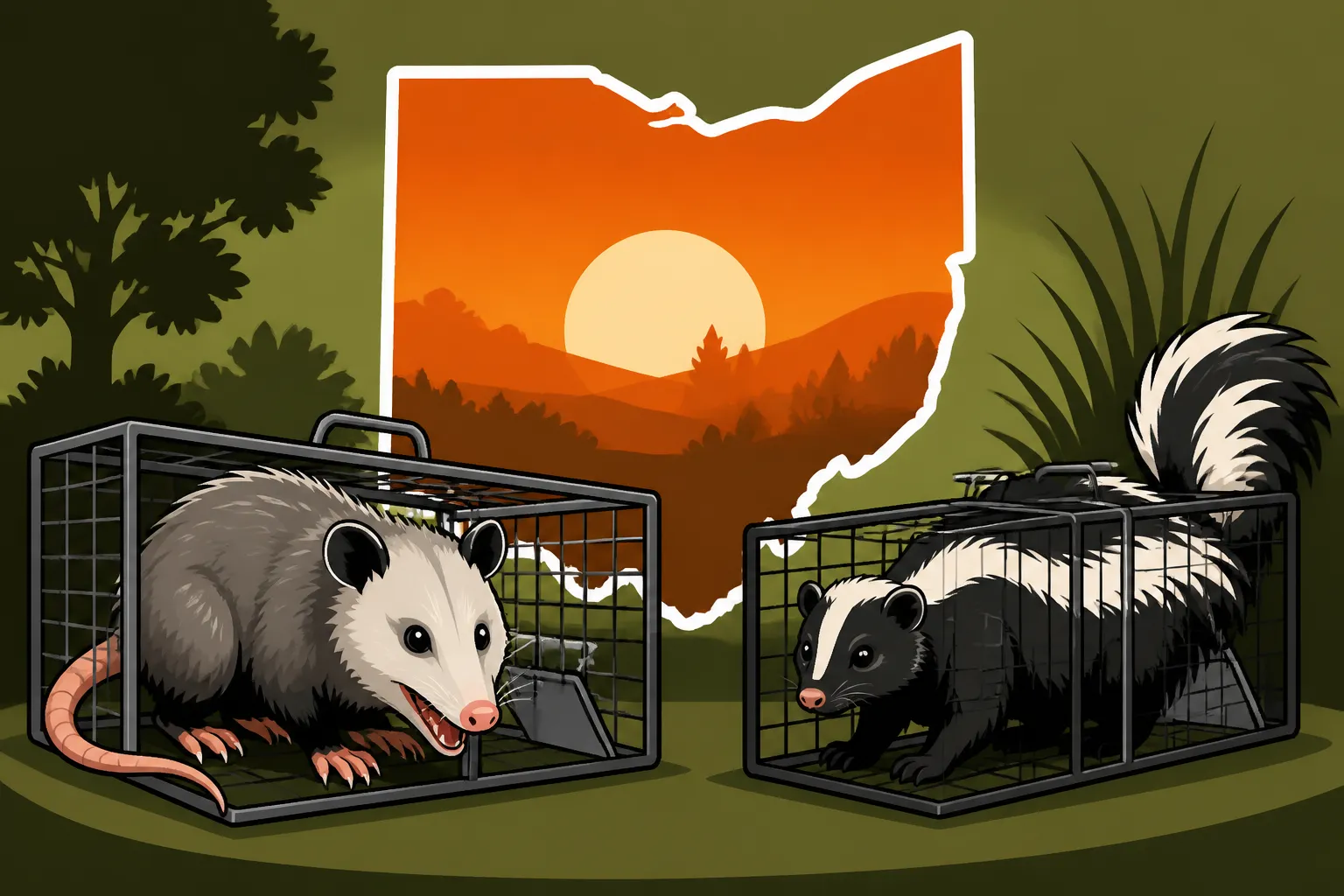
Few things can be as frustrating for an Ohio landowner or homeowner as dealing with unwanted wildlife visitors, especially those masked bandits like raccoons, or the notoriously fragrant skunks and opportunistic opossums. These critters aren't just a nuisance; they can damage property, pose health risks to pets, and, in the case of skunks, leave a lingering aroma that no amount of scrubbing can quite eradicate. This comprehensive guide is here to walk you through everything you need to know about legally and effectively trapping opossums and skunks in Ohio, helping you regain control of your property.
Understanding Ohio Opossum and Skunk Habits
Before you even think about setting a trap, it's crucial to understand the animals you're dealing with. Opossums and skunks are opportunistic omnivores, meaning they'll eat just about anything, and they thrive in diverse habitats, making them common across nearly all of Ohio's landscapes, from the rolling hills of Appalachia to the sprawling farmlands and even suburban backyards. Knowing their daily routines and dietary preferences is your first step in successful and ethical trapping.
Opossums are North America's only native marsupial, and they're generally nocturnal. You'll often see them shuffling through your yard at dusk or dawn, or unfortunately, as roadkill. They're not particularly fast or aggressive, and their famous "playing 'possum" defense mechanism is a natural response to threats. Opossums are attracted to pet food left outdoors, fallen fruit from trees, garden vegetables, garbage cans that aren't secured, and even compost piles. They're quite adaptable and will readily take up residence under sheds, in woodpiles, or even in forgotten corners of your attic or crawl space. They’re usually solitary creatures, and while they can carry diseases, they're more often a nuisance due to their messy eating habits and potential to scavenge.
Skunks, particularly the striped skunk, are equally common in Ohio and, like opossums, are primarily nocturnal. Their distinctive black and white fur serves as a warning sign, and for good reason—their spray is potent and can travel a significant distance. Skunks are also omnivores, with a diet that includes insects, grubs, small rodents, eggs, berries, and carrion. They're notorious for digging small, conical holes in lawns while foraging for grubs, which is often the first sign of their presence. They love to den under decks, sheds, or even in old burrows abandoned by other animals. While largely docile, they will use their chemical defense when cornered or threatened, making live-trapping and relocation a delicate operation. Understanding these habits is key to placing your traps where they're most likely to encounter them, and for selecting baits that will pique their interest.
Legal Requirements and Seasons for Trapping Opossums and Skunks in Ohio
Navigating the legalities of trapping can feel a bit overwhelming, but it's essential to stay on the right side of Ohio's wildlife regulations. The Ohio Department of Natural Resources (ODNR) sets specific rules for furbearer seasons, licensing, and trap types to ensure ethical and sustainable wildlife management. Ignoring these rules can lead to fines and legal trouble, which nobody wants when all you're trying to do is protect your property.
First and foremost, you'll need the proper licensing. In Ohio, if you plan to trap furbearers like opossums and skunks, you must possess a valid Ohio trapping license. Even if you're trapping on your own property, you're not exempt from this requirement. You can purchase these licenses through the ODNR's online system, at various license vendors, or by phone. It's often convenient to pick up your license when you're stocking up on other hunting or trapping supplies. For more details on what's needed, check out Ohio Trapping License Requirements.
Ohio has specific seasons for furbearers. For opossums and skunks, the trapping season typically aligns with other furbearers like raccoons and foxes, usually running from early November through January or February. However, there's a crucial distinction for nuisance animals. If an opossum or skunk is causing damage to your property outside of the regular trapping season, you may be able to trap it year-round without a special permit. This is often referred to as "nuisance animal control." However, even in nuisance situations, you generally still need your trapping license. Always confirm the most current regulations with the ODNR, especially regarding season dates and nuisance animal provisions, as these can sometimes change. You can find comprehensive information about these dates and other species in Ohio Trapping and Furbearer Seasons.
Trap types and placement also fall under strict guidelines. For opossums and skunks, live traps are often preferred, especially if you intend to relocate the animal (though relocation has its own set of rules, which we'll discuss). If you're using foothold traps, there are regulations on jaw spread size, the type of trap (e.g., foot-encapsulating, dog-proof), and whether they need to be tagged with your ODNR customer ID. Body-gripping traps also have specific rules regarding size and whether they can be set on land. You can’t just set any old trap anywhere; traps must be checked regularly, typically within 24 hours, to prevent undue suffering. These details are super important for anyone Running a Trapline in Rural Ohio.
| Aspect | General Ohio Trapping Rule | Nuisance Animal Exception (Opossums/Skunks) |
|---|---|---|
| License Required | Yes, for all furbearer trapping. | Yes, generally still required even for nuisance control. |
| Season Dates | Specific open and close dates (e.g., early Nov – Jan/Feb). | May be trapped year-round if causing damage or nuisance. |
| Trap Checking | Within 24 hours of setting. | Within 24 hours of setting. |
| Trap Type | Restrictions on jaw spread, set type (land/water), body-gripping. | Same restrictions apply for trap types. Live traps often preferred. |
| Relocation | Generally prohibited or strictly regulated for furbearers. | Highly restricted; often requires dispatch. Check local rules. |
Always remember that laws are in place for a reason, and respecting them makes you a responsible hunter and trapper. When in doubt, a quick call to your local ODNR wildlife officer can clarify any specific concerns you might have about your property or a particular situation.
Effective Trapping Methods and Baits for Opossums and Skunks
Once you've got your license and understand the regulations, it's time to talk tactics. Trapping opossums and skunks effectively means choosing the right equipment, using irresistible baits, and placing your traps strategically. These aren't creatures known for their cunning, but they are wary, so a smart approach makes all the difference.
Choosing the Right Traps
For both opossums and skunks, live traps (also known as cage traps) are usually the go-to. These are humane, allow for identification of the captured animal (so you don't accidentally catch a neighbor's cat), and are generally safer for both you and the animal. When choosing a live trap, look for one that's sturdy, rust-resistant, and appropriately sized. A trap that's about 10x12x32 inches is a good general size for these animals. You want one where the trigger mechanism is reliable and the door latches securely once tripped. Some traps, like those offered by GoHunt, are known for their robust construction and sensitive triggers, making them a solid choice for consistent captures.
Another option, especially popular for raccoons but effective for opossums and sometimes skunks, are "dog-proof" traps. These are cylinder-shaped traps with a small opening where the animal reaches in to grab bait, triggering the mechanism. They're designed to be selective, preventing non-target animals like household pets from getting caught. While primarily used for raccoons, their design makes them good for other inquisitive furbearers, particularly when you’re concerned about accidental captures. For similar furbearer strategies, you might find tips in Trapping Ohio Furbearers.
Irresistible Baits and Lures
Both opossums and skunks are driven by their stomachs, so a good bait is half the battle. They're not picky, which works in your favor!
- For Opossums: Sweet and smelly things are their weakness. Canned cat food (especially fish-flavored), rotten fruit, overripe bananas, molasses, peanut butter, and even discarded fried chicken scraps can work wonders. Many trappers swear by combining something sweet with something savory and strong-smelling.
- For Skunks: They love meat and insects. Canned cat food, hot dogs, chicken scraps, and even marshmallows (which they seem to find irresistible) are excellent choices. A strong-smelling fish oil or commercial skunk lure can also be effective when smeared near the trap entrance, acting as an attractant to draw them in.
Remember to place your bait beyond the trigger plate inside the trap, ensuring the animal has to fully enter and step on the plate to get to the treat.
Strategic Trap Placement
Location, location, location! Think about where these animals are likely to travel or forage.
- Along Fencelines and Building Foundations: Opossums and skunks often use predictable travel corridors. Placing traps along the edge of a wood line, next to a shed, or along a fenceline where you’ve seen activity can be highly effective.
- Near Damage Sites: If you know where they're digging in your lawn, raiding your garden, or nesting under your deck, set the trap as close to that activity as possible.
- Cover and Camouflage: While not strictly necessary, covering a live trap with some brush, a tarp, or even an old board can make it feel more inviting and less intimidating to a wary animal. Place it on a flat, stable surface.
- Safety First: Always place traps in areas where domestic pets or children won't accidentally stumble upon them. If using foothold traps (and you've verified their legality for your situation), bury them flush with the ground and make sure they're secured so a trapped animal can't bolt with the trap still attached. Consider the natural routes taken by animals, which is often similar to Raccoon Density Near Ohio Farmland.
When setting up, wear gloves to minimize human scent on the trap, although with these critters, it’s not as critical as with, say, a coyote. Check your traps diligently, at least once every 24 hours, to ensure the humane treatment of any trapped animal. This is a core tenet of responsible trapping and something that reputable gear manufacturers like GoHunt emphasize in their educational materials.
Handling Trapped Animals and Post-Catch Considerations
So, you've checked your trap and found a furry resident inside. Now what? This is arguably the most critical and potentially hazardous part of trapping opossums and skunks, especially with the latter's infamous defense mechanism. Responsible handling and proper disposition are paramount.
Approaching a Trapped Animal
First, approach the trap calmly and slowly. Avoid sudden movements or loud noises that might startle the animal.
- Opossums: They'll likely "play 'possum," feigning death. They might look scary, but they're mostly harmless in a trap. Simply cover the trap with a blanket or tarp to calm them down before moving.
- Skunks: This is where caution truly comes into play. If you approach a trapped skunk incorrectly, you will get sprayed. The key is to move slowly and deliberately. The moment you see a skunk in a live trap, do not rush. Walk slowly towards it, holding a large, opaque blanket, tarp, or even a cardboard box in front of you. Once you're close enough, gently drape the cover over the entire trap. The darkness and perceived cover often calm the skunk, making it less likely to spray. This is a well-known trick among trappers, and it works because the skunk needs to see what it's spraying. If it can't see you, it often won't spray.
Relocation Versus Dispatch
This is where Ohio regulations become very specific. For furbearers like opossums and skunks, relocation is generally illegal or highly restricted in Ohio. The ODNR discourages relocating nuisance animals because it can spread diseases, introduce animals to unfamiliar territories where they struggle to find food or shelter, and simply move the problem to someone else's property. In most cases, if you trap an opossum or skunk, the humane and legal option is to dispatch the animal.
If you must dispatch, do so quickly and humanely. A small-caliber firearm (like a .22) to the head is often recommended for a clean, swift end. If you are not comfortable or equipped to dispatch an animal, contact a professional wildlife control operator. They are trained and licensed to handle these situations, even for creatures like those you might encounter while Trapping Ohio Muskrat and Beaver.
Never attempt to handle a trapped skunk or opossum directly, even with thick gloves. Their bites, while rare from an opossum playing dead, can transmit disease, and a skunk's spray can reach surprisingly far. Using a heavy pair of gloves and keeping a safe distance while moving the covered trap is always the best approach. Some trappers also use specialized tools or cages from brands like GoHunt that simplify handling, making the process safer.
Carcass Disposal
After dispatching, proper carcass disposal is crucial to prevent the spread of disease or attracting other scavengers. You can bury the animal deeply on your property (check local ordinances for depth and location), or double-bag it and dispose of it with your regular trash, if permitted by your waste management service. Never leave carcasses exposed.
Dealing with wildlife can be a challenge, but by understanding their habits, adhering to regulations, using effective trapping methods, and handling the situation responsibly, you can manage opossum and skunk populations on your property and prevent future issues. It's all part of being a good steward of the land and respecting the wildlife we share Ohio with.
Disclaimer
This article is for general informational purposes only and does not constitute professional advice. Laws, prices and regulations vary by location and change over time. Consult a qualified professional for guidance on your specific situation.