EHD Die-Offs in Ohio Deer
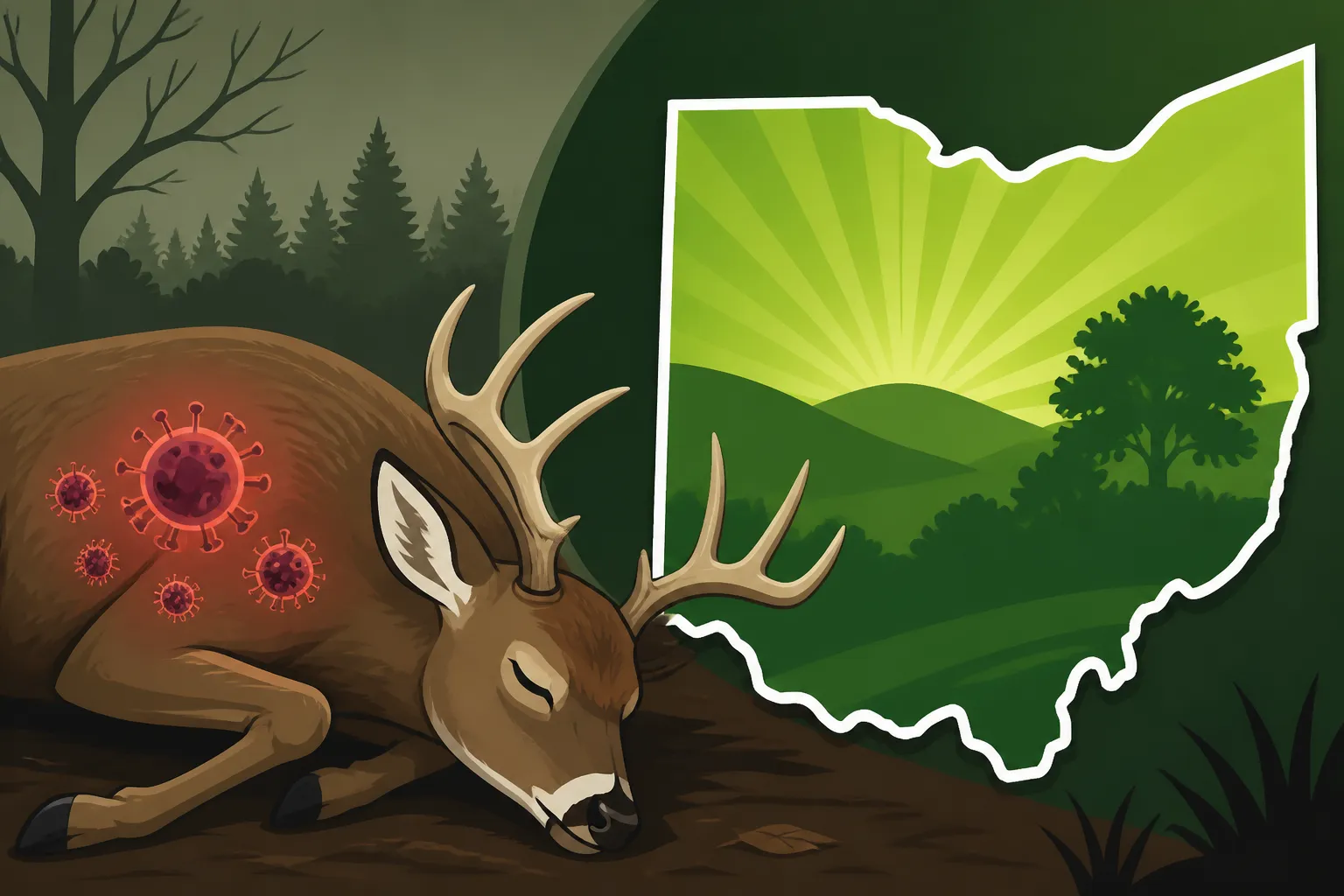
It can be incredibly disheartening, after all the time, effort, and passion you pour into deer hunting season, to hear whispers or even witness firsthand the devastating effects of a deer disease outbreak. When you stumble upon dead deer or hear reports of widespread sickness, especially near your favorite hunting grounds, it's natural to feel a mix of concern, frustration, and worry for the herd you care so much about. This guide is here to shed light on Epizootic Hemorrhagic Disease (EHD) in Ohio deer, helping you understand what it is, how it impacts our whitetail population, and what you can do when you encounter it.
Understanding Epizootic Hemorrhagic Disease (EHD)
Epizootic Hemorrhagic Disease, or EHD as it's commonly known, is one of the most significant diseases affecting white-tailed deer in Ohio and across North America. It's not a new phenomenon, but its presence can certainly cause alarm among hunters and wildlife enthusiasts. Knowing the basics of what EHD is, how it spreads, and what symptoms to look for can help you differentiate it from other issues and better appreciate the challenges our deer face.
The Viral Culprit and Its Carriers
EHD is caused by an orbivirus, similar to the Bluetongue virus, which can also affect deer. This isn't a bacterial infection, nor is it something that deer pass directly to each other through contact like a common cold. The real villains in the spread of EHD are tiny, biting insects called midges, often referred to as "no-see-ums" or gnats. These minuscule insects, specifically certain species from the Culicoides genus, pick up the virus from an infected deer and then transmit it to healthy deer when they take their next blood meal.
Think of it like this: the midge is the needle in a very slow, natural syringe. Without these specific biting midges, EHD simply wouldn't spread among deer. This is a crucial point because it helps us understand the seasonal nature of outbreaks. The life cycle of these midges is heavily influenced by environmental factors, especially temperature and water. They thrive in warm, often stagnant water sources, which become prime breeding grounds during late summer and early fall.
Recognizable Symptoms and Progression
When a deer is infected with EHD, the virus attacks the lining of its blood vessels, leading to internal hemorrhaging, fluid accumulation, and tissue damage. The symptoms can vary depending on the severity of the infection and the individual deer's immune response, but generally, hunters might observe a range of distressing signs.
Initially, an infected deer might appear lethargic, weak, and disoriented. They often develop a high fever, which drives them to seek out water sources to cool down. This is why many EHD-related deer deaths are found near ponds, streams, or low-lying wet areas. Other common signs include swelling of the head, neck, tongue, and eyelids. The tongue, in particular, can become very swollen and blue, making it difficult for the deer to eat or drink. Lesions or ulcers may also develop on the tongue, inside the mouth, or on the feet, sometimes leading to lameness. In severe cases, deer might lose their appetite, become emaciated, and exhibit difficulty breathing. The progression from initial infection to death can be rapid, sometimes within a few days. For those that survive the initial infection, hoof sloughing or breakage can occur weeks or months later, leaving lasting evidence of their struggle.
The Impact of EHD on Ohio's Deer Herd
EHD outbreaks are a natural, albeit often tragic, part of managing our deer population. While the disease doesn't wipe out entire herds, it can have significant localized impacts, altering deer densities and age structures in specific areas. Understanding this broader context helps us appreciate the resilience of Ohio's whitetails and the role hunters play in monitoring herd health.
Historical Outbreaks and Geographic Trends
EHD isn't a new threat to Ohio deer. Historically, the state has experienced periodic outbreaks, with some years being more severe than others. These outbreaks tend to be localized, meaning one county or even one specific watershed might see a high number of deaths, while an adjacent area remains largely unaffected. This spotty distribution is directly tied to the presence and density of the midge vector, as well as environmental conditions. Drought years, where water sources shrink and become stagnant, often create ideal breeding conditions for the midges, leading to more widespread or intense outbreaks.
Southern Ohio, with its mix of hardwoods and agricultural fields intersected by numerous creeks and ponds, can sometimes be more prone to outbreaks due to habitat favoring midge populations. However, no region is truly immune, and outbreaks can pop up in any part of the state. These historical patterns help wildlife agencies like the Ohio Department of Natural Resources (ODNR) predict potential risks and prepare for monitoring efforts. You can often see the effects of these fluctuations when reviewing past Ohio Deer Harvest Records, as a severe outbreak can cause a noticeable dip in local harvest numbers the following season.
Population Dynamics and Herd Resilience
While EHD can cause significant short-term mortality in affected areas, it rarely leads to long-term, statewide population declines. White-tailed deer are remarkably resilient. Often, the areas hit hardest by EHD tend to be those with higher deer densities. A sudden reduction in population can actually benefit the remaining deer by reducing competition for food and resources. This can lead to healthier deer and potentially even better antler growth in subsequent years, assuming good habitat conditions.
The impact of EHD on the herd's age structure is also noteworthy. Younger deer, or those that haven't been exposed to the virus before, are often more susceptible to severe illness and death. Deer that survive an EHD infection typically develop some level of immunity to that specific strain of the virus, making them less likely to suffer severe symptoms in future outbreaks. This natural selection process helps the herd adapt over time. When you use tools like GoHunt to scout and understand specific areas, knowing the history of EHD there can offer another layer of insight into the deer you might encounter. ODNR diligently works to track Ohio Deer Population Estimate metrics and can adapt management strategies if a disease is having a truly profound effect on specific populations.
Recognizing and Reporting EHD to Ohio Authorities
As hunters and outdoor enthusiasts, we are often the first line of defense in identifying and reporting wildlife health issues. Your observations in the field are invaluable to the Ohio Department of Natural Resources (ODNR) as they monitor the health of our deer herd. Knowing what to look for and how to report suspected cases of EHD is crucial.
Key Signs of Sick or Dead Deer
It's important to understand that not every dead deer means an EHD outbreak, and not every sick deer is suffering from EHD. However, there are some tell-tale signs associated with EHD that can guide your observations.
Look for deer that are:
- Lethargic or Unusually Tame: A deer that doesn't react to human presence, seems overly tired, or allows you to approach too closely.
- Found Near Water: As mentioned, the fever associated with EHD drives deer to seek water. Finding multiple dead deer in or very near a pond, creek, or bog is a strong indicator.
- Swelling: Noticeable swelling around the head, neck, tongue, or eyelids. The tongue might appear bluish.
- Lameness or Stiffness: Difficulty walking, limping, or standing with an unnatural posture due to lesions on the feet.
- Excessive Drooling: Due to mouth sores or a swollen tongue making swallowing difficult.
Sometimes, you might simply find a deer carcass without obvious external signs of disease. If you find multiple carcasses in a relatively small area, or if the deer appears to be in good body condition but died suddenly, these are also reasons for concern. Platforms like GoHunt can help you overlay different types of information, allowing you to cross-reference your observations with known deer densities or habitat types in the area, further assisting in identifying potential hot spots.
How to Report and Why It Matters
If you encounter deer exhibiting EHD symptoms or find multiple dead deer, it is incredibly important to report your observations to the Ohio Department of Natural Resources (ODNR). You can find information on how to reach them on their official website, typically through a dedicated wildlife or game management contact. They often have an online reporting tool or a specific phone number for reporting sick or dead wildlife.
Your reports are vital because they allow wildlife biologists to:
- Track Outbreaks: Pinpoint affected areas and understand the geographic spread of the disease.
- Assess Severity: Determine how many deer are being impacted in specific locations.
- Inform Management Decisions: While direct intervention for EHD is limited, understanding the scope of an outbreak helps in evaluating future harvest recommendations or other management strategies.
- Distinguish from Other Diseases: Your report helps ODNR differentiate EHD from other diseases, like Chronic Wasting Disease (CWD). While EHD is not transmissible to humans, CWD is a different story, and ODNR has specific protocols for the Ohio CWD Prevalence Rate in the DSA. Learning about Ohio Wildlife Disease Monitoring will show you how comprehensive their efforts are.
When reporting, be prepared to provide details such as the exact location (GPS coordinates are ideal), the number of deer observed, the condition of the deer (sick or dead), and any visible symptoms. Do not attempt to move or handle sick or dead deer unless specifically instructed to do so by ODNR.
EHD, Hunters, and Meat Safety
One of the most common questions hunters have about EHD is whether it affects the safety of venison. This is a very valid concern, as ensuring the health of the meat we harvest is paramount. Fortunately, the science on EHD and human health is quite clear.
Is the Meat Safe to Eat?
The good news is that EHD is not known to infect humans, even if you were to consume meat from an infected deer. The virus is specific to deer and other ruminants, and there is no evidence to suggest it poses a health risk to people. However, this scientific fact comes with an important caveat: you should never consume meat from a deer that appears sick or is found dead.
Here's why:
- Degraded Meat Quality: A deer suffering from EHD will have a high fever and widespread internal hemorrhaging. This stress and infection will severely degrade the quality of the meat, making it unappetizing at best, and potentially unsafe if secondary bacterial infections have set in. The meat would likely be discolored, watery, and simply not good for consumption.
- Other Potential Issues: A deer that appears sick might also be suffering from something other than EHD, or might have other underlying conditions that could make the meat unsafe. It’s always best to err on the side of caution.
- Ethical Harvesting: As hunters, we strive for a clean, ethical harvest from a healthy animal. A sick animal does not meet this standard.
If you harvest a deer that appears perfectly healthy, shows no signs of disease, and acts normally, there's no reason to worry about EHD affecting the meat. It's a different situation from diseases like CWD, where specific precautions and testing are advised. For general tips on handling your harvest, you might find information on Field Dressing a Deer in Cold Weather useful.
Protecting Your Dogs and Other Animals
While EHD doesn't affect humans, some hunters worry about their hunting dogs, particularly if they retrieve deer. The good news here is also positive: dogs cannot contract EHD from deer. The virus is species-specific, and canids (dogs, coyotes, wolves) are not susceptible. The same goes for other domestic animals like cattle, sheep, or horses – they can sometimes be infected with a related virus (Bluetongue), but EHD as it affects deer is not a concern for them.
However, it's always wise to exercise caution around any wild animal, dead or alive. If your dog retrieves a deer, particularly one you suspect was sick, simply take normal hygiene precautions. Wash your hands thoroughly, and ensure your dog is generally healthy and up-to-date on its vaccinations, as this protects them from other common ailments they might encounter in the field.
EHD and Deer Management
EHD is considered an endemic disease, meaning it's naturally present within the deer population and environment. Because it is carried by an insect vector and the outbreaks are so dependent on specific environmental conditions (warm temperatures, stagnant water), there is no practical way for wildlife managers to "cure" or prevent EHD outbreaks. You can't vaccinate wild deer, nor can you effectively control midge populations across vast landscapes.
Instead, ODNR and other wildlife agencies focus on monitoring. They rely heavily on reports from hunters and the public to track the disease, understand its spread, and assess its localized impacts. If an area experiences a severe EHD die-off, biologists might adjust future deer harvest quotas or permit allocations to allow the local population to rebound, though this is not always necessary given the deer's resilience. For example, if a localized area sees significant mortality, ODNR might reduce the number of Ohio Deer Management Permits available in that specific region for the following season.
The critical factor that brings an end to EHD outbreaks each year is the first hard frost. A sustained killing frost eliminates the biting midges, effectively stopping the transmission cycle of the virus. This is why EHD is typically a late summer and early fall phenomenon, with cases rapidly diminishing as colder weather sets in. The deer that survive the outbreak develop immunity and the population, while locally reduced, will begin to rebuild. This resilience is a testament to the wild nature of Ohio's deer.
Disclaimer
This article is for general informational purposes only and does not constitute professional advice. Laws, prices and regulations vary by location and change over time. Consult a qualified professional for guidance on your specific situation.