Ohio Coyote Range and Density
The haunting serenade of coyotes echoing across an Ohio landscape is a sound many of us have come to associate with wild places, yet these incredibly adaptable animals are now a constant presence, from rural farmlands to surprisingly close to our suburban homes. Whether you're a landowner concerned about livestock, a deer hunter worried about fawn recruitment, or simply curious about these elusive canids, understanding their footprint across the Buckeye State is crucial. This comprehensive guide will pull back the curtain on the Ohio coyote's widespread range and varying population density, exploring how they've become so prevalent, where they thrive, and what their presence means for all of us sharing the land.
Understanding Ohio's Coyote Presence
It's easy to assume coyotes have always been part of Ohio's natural tapestry, but their story here is one of incredible resilience and expansion. These aren't just transient visitors; they're deeply rooted in the state's ecology now, and understanding their journey helps us grasp their current ubiquity.
Historical Context and Expansion
For a long time, Ohio was home to wolves, the apex predators of the region. As European settlement expanded, forests were cleared, and wolf populations were systematically eliminated, creating a massive ecological void. This vacuum, coupled with changing agricultural practices, set the stage perfectly for the coyote. Historically, coyotes were more prevalent in western North America, but with the disappearance of wolves and the fragmentation of vast forests into smaller woodlots and agricultural fields, they began to push eastward. Ohio started seeing a significant increase in coyote sightings in the mid-20th century, particularly from the 1960s onward. They are opportunistic and incredibly adaptable, thriving in landscapes altered by humans, which is precisely what much of Ohio had become. Their eastward migration was a slow, steady creep, filling available niches and establishing themselves firmly, county by county. It's a testament to their survival instincts that they've not only adapted but truly flourished in environments that many other wild species struggle with.
Current Distribution Across the State
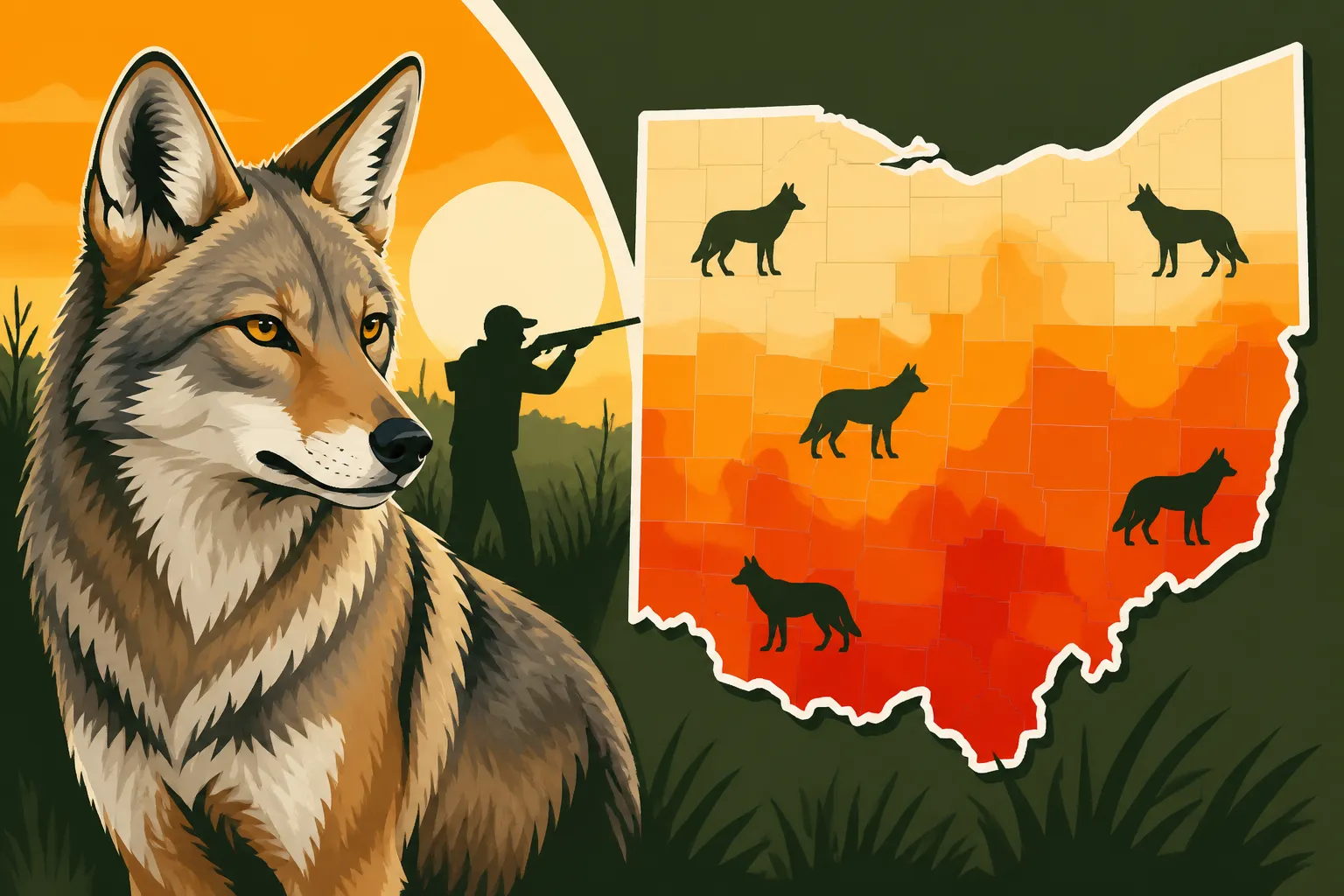
Today, it's not an exaggeration to say that coyotes are found in all 88 counties of Ohio. This isn't just a rural phenomenon either; their howls are no longer confined to the deepest woods or the most remote farmlands. You can find them denning near busy highways, hunting rodents in industrial parks, and even occasionally wandering through suburban neighborhoods. However, "present" doesn't mean "equally dense." While the range is statewide, their concentrations vary significantly depending on habitat, prey availability, and human activity. Generally, agricultural areas interspersed with small woodlots and brushy fencerows tend to support higher densities due to abundant food sources and suitable cover. Remote, heavily forested regions, like portions of the Wayne National Forest, also hold robust populations, albeit sometimes with slightly different hunting strategies compared to open farmland. Even in densely populated areas like Cleveland, Columbus, or Cincinnati, green spaces, river corridors, and larger parks provide enough habitat for small, localized coyote families to exist, often out of sight from most residents.
Factors Influencing Coyote Density
What makes one patch of Ohio land teem with coyotes while another, seemingly similar area, has fewer? It often boils down to a dynamic interplay of resources, safety, and human presence. Understanding these factors is key to predicting where you might encounter more of these clever predators.
Habitat Preferences
Coyotes are generalists when it comes to habitat, meaning they're not tied to one specific type of environment like a true forest dweller or a prairie specialist. This adaptability is precisely why they've spread so successfully across Ohio. Their ideal habitat is a mosaic landscape: a mix of open fields for hunting, dense brush or small woodlots for cover, denning, and raising pups, and reliable water sources. In Ohio's farmlands, this translates to fencerows, small creek bottoms, abandoned pastures, and the edges of standing corn or soybean fields. These features provide concealment from humans, shelter from the elements, and excellent ambush points for prey. Even in more urbanized settings, coyotes will utilize wooded ravines, overgrown industrial lots, and large, undeveloped green spaces that offer enough seclusion to raise a litter. Think about areas where you can find small game like rabbits and rodents, and where deer frequently move – these are often prime coyote territories. Access to safe denning sites, whether abandoned groundhog burrows, brush piles, or rock crevices, is also a critical component of high-density areas.
Prey Availability and Food Sources
The old adage "food makes the difference" holds incredibly true for coyote populations. Their density is directly tied to the abundance of food sources. Ohio's diverse landscape provides a smorgasbord for coyotes. Small mammals like voles, mice, and rabbits are a constant and reliable food base, particularly in agricultural areas and grasslands. But their diet is much broader. They are known scavengers, readily consuming carrion, especially deer carcasses left from hunting season or roadkills. Predation on white-tailed deer fawns is a significant, and often frustrating, aspect of their diet, particularly in the spring when young deer are vulnerable. This impact is a major concern for many hunters trying to manage deer populations and improve fawn survival, and something to consider when you're out Scouting Ohio Public Land Before Season The availability of turkeys and turkey poults is another food source, particularly in areas with good turkey habitat. Beyond meat, coyotes are surprisingly omnivorous. They'll eat insects, berries, apples, and even garden vegetables during certain times of the year, particularly late summer and fall when fruits ripen. This varied diet ensures they can survive lean times and exploit whatever resources are locally abundant, contributing to their pervasive distribution.
Human Impact and Urbanization
Human activity has a complex, often paradoxical, impact on coyote density in Ohio. On one hand, humans indirectly created the ideal conditions for coyotes to thrive by eliminating wolves and fragmenting forests. On the other hand, direct human interaction, like hunting and trapping, can influence local populations. However, studies show that while hunting can reduce local numbers, coyotes are incredibly resilient and can quickly rebound, often by increasing litter sizes. Perhaps the most interesting impact is their increasing adaptation to suburban and urban environments. As cities expand, coyotes learn to navigate human landscapes, finding refuge in green spaces, parks, and even residential areas where food (like rodents, stray cats, and even pet food left outdoors) is surprisingly abundant. Their secretive nature and nocturnal habits allow them to exist largely unnoticed by the majority of the human population. Areas with less open space and more vehicle traffic might see fewer coyotes, but those with river corridors, large parks, and undeveloped tracts can actually host stable populations, demonstrating their incredible ability to co-exist, if not thrive, right alongside us. Understanding this nuanced relationship is crucial for any strategy of Coyote and Predator Hunting in Ohio
Regional Differences in Coyote Populations
While coyotes are truly everywhere in Ohio, their lifestyles and concentrations shift dramatically depending on the specific region. What works for a coyote in the flat agricultural plains of Northwest Ohio isn't quite the same as for one denning in the steep, timbered hills of Appalachia.
Farm Country Dominance
The vast agricultural landscapes of Ohio, particularly in the western and central regions, are prime coyote habitat. These areas offer a perfect blend of cover and consistent food sources. Small woodlots, often isolated "islands" of timber surrounded by endless corn and soybean fields, provide ideal denning sites and daytime bedding areas. Crucially, the fencerows and creek bottoms that crisscross these fields act as natural travel corridors, allowing coyotes to move undetected between feeding grounds and safe cover. The abundance of small game like rabbits and voles in and around these fields, combined with opportunities for scavenging on deer left after harvest or roadkill, means a constant and varied food supply. Many farmers also report concerns about Ohio Coyote Attacks on Livestock highlighting the prevalence of these animals in agricultural zones. During peak deer season, the scraps and remnants from deer processing provide an easy meal, further supplementing their diet. This rich, human-altered landscape essentially creates a buffet and a safe haven, leading to some of the highest coyote densities in the state. If you're planning on Hunting Northwest Ohio Farmland Deer, expect to find coyote sign, as they're an integral part of that ecosystem.
Appalachian Foothills and Timber
Heading southeast into Ohio's Appalachian foothills, the landscape shifts dramatically to rolling hills, dense timber, and deep ravines. Here, coyotes adapt to a different kind of wildness. Instead of small woodlots, they utilize vast tracts of continuous forest, such as the Wayne National Forest or Shawnee State Forest. The steep topography provides excellent vantage points and numerous hidden hollows for denning. Food sources are still plentiful but might differ slightly. While small game like squirrels and rabbits are present, deer are a more consistent prey item, especially vulnerable fawns in the spring. Acorn crops and wild berries also play a role in their diet during certain seasons. Hunters focusing on areas like Still-Hunting Shawnee State Forest Ridges, or exploring locations such as Reading a Ridge for Southeast Ohio Deer, will inevitably come across abundant coyote tracks and scat. The expansive, less-fragmented habitat means coyotes here might have larger territories, but the sheer amount of cover allows for robust populations to exist, often with less direct human interaction than their farm-country counterparts.
Suburban and Urban Adaptations
This is perhaps the most surprising and often unsettling aspect of Ohio's coyote populations: their ability to thrive in increasingly developed areas. It's no longer just the deep woods or wide-open fields; coyotes are setting up shop surprisingly close to our homes. They exploit parks, golf courses, river floodplains, power line easements, and even large backyards with dense shrubbery for cover. Food sources in these areas are varied and sometimes include unintentional contributions from humans, like pet food, fallen fruit from trees, and easily accessible garbage, alongside their natural prey of rodents, rabbits, and even domestic cats. The cover might not be vast, but it's enough for a secretive predator. The relative lack of direct hunting pressure in many suburban zones also contributes to their comfort and ability to establish territories. While densities might not reach the peak levels of prime agricultural areas, the sheer proximity to human populations makes their presence more noticeable and often, more concerning to residents. The Ohio Department of Natural Resources often receives calls about coyote sightings in places you wouldn't expect, underscoring this widespread urban adaptation.
Ecological Role and Impact of Ohio Coyotes
The presence of a widespread, adaptable predator like the coyote inevitably has ripple effects throughout Ohio's ecosystems. For hunters, landowners, and wildlife enthusiasts, understanding these impacts is crucial for appreciating the complex web of nature.
Predation on Deer and Small Game
This is probably the most talked-about impact of coyotes, especially among the hunting community. Coyotes are effective predators, and deer, particularly fawns, are a significant part of their diet, especially in spring and early summer. Studies across various states, including Ohio, have shown that coyote predation can be a major factor in fawn mortality, sometimes accounting for a substantial percentage of young deer lost before they reach adulthood. This doesn't mean coyotes are "wiping out" the deer herd, as deer populations are also influenced by habitat, harsh winters, disease, and hunting pressure, but they certainly play a role in regulating numbers, particularly at a localized level. For those interested in Ohio Deer Population Estimate, it's important to consider all these factors. Beyond deer, coyotes prey heavily on small game like rabbits, squirrels, and groundhogs. They also target turkey poults, especially when nests are disturbed or young birds are vulnerable. This predation can impact local small game populations, a frustration for hunters keen on Ohio Small Game and Upland Bird Seasons. It's a natural process, but the extent of their impact can vary greatly depending on the abundance of other food sources and the density of both predator and prey.
Competition with Other Predators
With coyotes occupying a prominent niche, they inevitably interact and compete with other mesopredators (medium-sized predators) in Ohio. Red foxes and gray foxes, for instance, are smaller canids that historically filled some of the predatory roles now dominated by coyotes. There's evidence that where coyote populations are high, fox numbers may decline, possibly due to direct competition for food, interference, or even predation by the larger coyotes. Similarly, bobcats, which are making a strong comeback in certain parts of Ohio, might find themselves in direct competition with coyotes for prey like rabbits and deer fawns. While both can exist in the same landscape, the coyote's numerical advantage and adaptability often give it an edge. Understanding these dynamics is essential for a holistic view of the ecosystem. Even raccoons, significant furbearers in Ohio, might find themselves competing for carrion or vulnerable den sites. These inter-species relationships are part of the natural balancing act, constantly shifting based on local conditions.
Coyote and Livestock Interactions
For farmers and rural landowners, the ecological role of coyotes often takes a back seat to the very real and immediate concern of livestock predation. Coyotes are opportunistic, and if an easy meal presents itself in the form of a lamb, goat kid, or even poultry, they will take it. This is a significant source of economic loss and emotional distress for livestock producers across Ohio. While cattle and larger animals are generally safe from adult coyotes, calves can be vulnerable, especially if born in remote pastures. It's a valid and persistent frustration, and understanding the patterns of Ohio Coyote Attacks on Livestock, including the types of animals targeted and the times of year when attacks are most common, is critical for mitigation. Farmers often employ various strategies to deter coyotes, including secure fencing, night penning, and even livestock guardian animals like dogs, llamas, or donkeys. These proactive measures are often more effective than reactive hunting efforts alone, though hunting remains a key component of management for many.
Estimating Coyote Numbers in Ohio
If you've ever tried to count how many deer are in a particular woodlot, you know how hard it is to get an accurate number for wildlife. Now imagine trying to count an animal as elusive and widespread as the coyote. It's a monumental task, but state agencies like the Ohio Department of Natural Resources (ODNR) employ several methods to get the best possible picture of their populations.
Population Survey Methods
The ODNR uses a combination of approaches to estimate coyote populations, though direct counts are notoriously difficult. One primary method involves annual surveys of hunters and trappers. Participants are asked to report the number of coyotes they harvest, the number of coyotes they see while hunting other species (like deer or turkey), and their general perception of population trends (increasing, decreasing, or stable). This provides valuable anecdotal and harvest data across the state. ODNR also conducts carcass collections or receives reports of roadkill, which can offer insights into population health, age structure, and even disease prevalence like Mange in Ohio Coyotes and Foxes. Another important tool is scent station surveys, where a baited plot of ground is monitored for tracks. While not a direct count of individuals, this method can indicate relative abundance and distribution in specific areas. Additionally, wildlife biologists conduct spotlight surveys or utilize remote trail cameras to document coyote presence and activity, especially in specific study areas. Combining these various data points helps ODNR formulate a comprehensive, albeit imperfect, understanding of Ohio's coyote numbers and trends.
Challenges in Tracking Elusive Animals
Despite the best efforts, accurately tracking and counting coyotes presents significant challenges. First and foremost, coyotes are incredibly elusive and wary of humans. They are primarily nocturnal or crepuscular (active at dawn and dusk), which means they often operate under the cover of darkness. Their coloration allows them to blend seamlessly into various landscapes, making visual confirmation difficult. Furthermore, their wide-ranging territories mean a single coyote might cover many miles in a night, making it hard to avoid double-counting or missing individuals entirely. Unlike deer, which tend to congregate in herds, coyotes typically live in family groups or as solitary individuals, further complicating enumeration efforts. Environmental factors also play a role; dense vegetation can obscure sightings, and weather conditions can wash away tracks. These challenges mean that most population "estimates" for coyotes are more about tracking trends in abundance and distribution rather than providing an exact numerical count. It's about understanding if they are increasing or decreasing in certain regions and reacting accordingly, rather than striving for an impossible exact number. This is where tools like GoHunt, with its mapping and landowner information, can be incredibly useful for hunters and trappers trying to understand terrain and potential animal movement, even if it's not directly counting coyotes.
Living and Hunting with Ohio Coyotes
The reality is, coyotes are here to stay in Ohio. For many, that means finding ways to coexist, while for others, it means actively managing their populations. Both approaches play a role in navigating life with these intelligent and resilient predators.
Coexistence Strategies for Landowners
For landowners, especially those with livestock or small pets, peaceful coexistence with coyotes often requires proactive strategies. One of the most effective methods is creating secure enclosures. Keeping poultry in predator-proof coops, especially at night, is paramount. For larger livestock, strong fencing, particularly electric fencing, can be a significant deterrent. Another highly effective strategy is the use of livestock guardian animals. Breeds like Great Pyrenees, Anatolian Shepherds, and llamas are known for their protective instincts and can successfully deter coyotes from preying on sheep, goats, or even chickens. Simple measures like removing attractants can also make a big difference. Don't leave pet food outside, secure garbage cans, and clear away brush piles near homes where coyotes might den or hide. If you spot a coyote near your property, making noise, yelling, or hazing them can help reinforce their natural fear of humans, a practice known as "aversive conditioning." Understanding basic coyote behavior, such as their territorial nature and their preferred travel corridors, can also help landowners strategically place deterrents.
Coyote Hunting as a Management Tool
For many Ohio hunters and trappers, pursuing coyotes is not just a challenging and rewarding endeavor, but also a legitimate form of wildlife management. The ODNR recognizes coyotes as furbearers, and hunting and trapping seasons are open year-round with no bag limits, reflecting a management strategy focused on reducing populations or their local impacts. Hunters often target coyotes using various methods, from calling them into close range using distress calls and howls, a popular tactic detailed in guides like Coyote Calling in Ohio Winter, to spot-and-stalk tactics, or even through incidental encounters while deer hunting. The advent of night hunting permits and specialized equipment has also expanded opportunities for hunters seeking to reduce local coyote numbers, an area where understanding Night Hunting Rules for Ohio Coyotes, including necessary permits and equipment restrictions, is crucial. Trapping, as described in Ohio Trapping and Furbearer Seasons, is another effective method, particularly for removing problem animals or reducing localized populations. While studies suggest that hunting and trapping alone rarely lead to widespread population reductions due to the coyote's reproductive resilience, these activities can be very effective at a local level, reducing pressure on deer fawns (a major concern given their Ohio Predator Impact on Fawn Recruitment), small game, and livestock. For many, it's a way to directly address concerns about local wildlife balance and protect their property.
Coyote Population Trends and Management Considerations
The ODNR continuously monitors coyote populations through various surveys and hunter reports. While numbers fluctuate regionally, the overall trend in Ohio has shown stable to increasing populations. This means that while hunting and trapping are valuable tools, they are not causing a widespread decline in coyote numbers across the state. This sustained presence requires ongoing management strategies that balance ecological roles with human concerns.
Here's a breakdown of considerations:
| Factor | Farm Country | Appalachian Foothills | Suburban/Urban Fringe |
|---|---|---|---|
| Density | High | Moderate-High | Moderate-Variable |
| Primary Food | Small game, deer, carrion, crops | Deer, small game, carrion | Rodents, pets, garbage, deer |
| Habitat | Woodlots, fencerows, crop fields | Dense timber, ravines, clear-cuts | Parks, green spaces, riparian zones, residential |
| Human Conflict | Livestock predation, game concerns | Less direct conflict | Pet predation, nuisance sightings |
| Hunting Popularity | High | High | Restricted/Illegal |
| Management Focus | Control depredation, protect game | Balance ecosystem, hunting opportunity | Public safety, deterrence |
This table illustrates that effective coyote management in Ohio isn't a one-size-fits-all approach. What works in a sprawling farm field in Wyandot County might be impractical or inappropriate for a park in Cuyahoga County. Tools and tactics vary, and hunters use resources such as the GoHunt app to gain crucial intel on potential habitat and public access points, no matter the region. This helps them tailor their approach to the specific local environment, whether they are focused on reducing local impacts or simply enjoying the challenge of the hunt.
Disclaimer
Please remember that hunting regulations, seasons, and licensing requirements can change. Always consult the latest Ohio Department of Natural Resources (ODNR) hunting and trapping digests, available on their official website, before engaging in any hunting or trapping activities. Safety should always be your top priority.