Ohio Deer Population Estimate
It can feel like you're constantly chasing a ghost when trying to pin down Ohio's exact deer population. One year you hear there are too many, the next, a certain county seems to be struggling. It's not just a number; it's a dynamic, ever-changing picture influenced by so many factors. This comprehensive guide is here to unravel the complexities behind Ohio's deer population estimates, help you understand the regional nuances, and show how this information can make you a more informed and successful hunter.
The Complex Picture of Ohio's Deer Herd
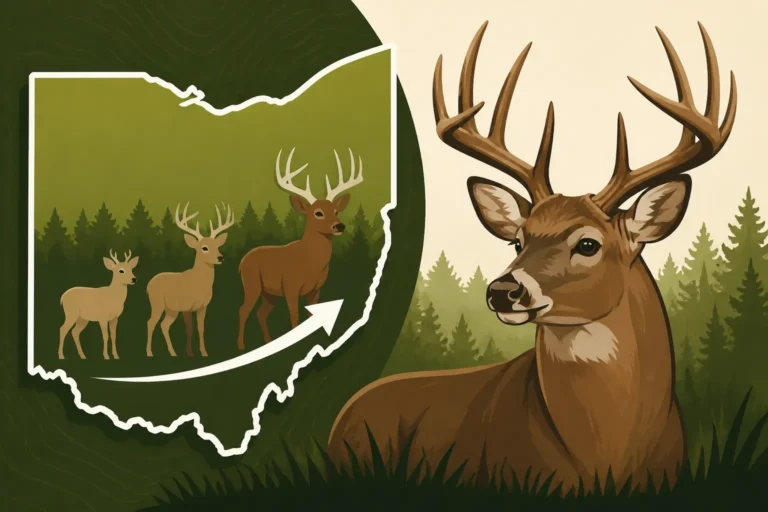
Let's be real, you're never going to see the Ohio Department of Natural Resources (ODNR) put out a single, definitive number like "There are exactly 750,000 deer in Ohio." Why? Because it's far more complicated than that. Deer populations aren't static; they're constantly fluctuating due to births, deaths, migrations, and harvest. What the ODNR does, and what we hunters need to understand, is that they focus on population trends and objectives within specific regions and counties. This allows for more targeted management strategies, rather than a broad-stroke approach that wouldn't make sense across such a diverse state.
Understanding ODNR's Estimation Methods
The ODNR employs a multi-faceted approach to estimate deer populations and trends, rather than just doing a simple head count. It's a scientific process that combines several data points to create a robust picture. The most significant piece of the puzzle comes from harvest data. Every deer checked in by a hunter provides crucial information: location, sex, and age. When you look at the aggregate of all these check-ins, the ODNR can track success rates, hunter effort, and the proportion of bucks to does taken, which are all vital indicators. They also look at things like Ohio Deer Harvest Records for long-term trends.
Beyond hunting data, the ODNR monitors other important metrics. Deer-vehicle collision statistics are a surprisingly good indicator of local deer density; more deer-car accidents often correlate with higher local populations. Field observations by wildlife biologists and even citizen science reports from hunters and landowners also contribute. This comprehensive data allows the ODNR to build mathematical models that project population changes and assess whether herd objectives are being met. It’s about more than just numbers; it’s about managing a healthy and sustainable resource for all Ohioans.
The Dynamic Nature of Deer Populations
Imagine a farmer's field one year after a bumper acorn crop compared to a year with a complete mast failure. The deer population in that area is going to respond differently. Deer populations are inherently dynamic, meaning they are constantly changing based on a multitude of factors. Fawn recruitment, which is the number of fawns that survive to breeding age, is a huge driver. Good fawning conditions, like mild winters and abundant browse, can lead to a boom. Conversely, harsh winters or increased predation can severely impact fawn survival.
Disease outbreaks, though often localized, can also have significant impacts. We've seen how Epizootic Hemorrhagic Disease (EHD) can decimate local herds in a hot, dry summer. Additionally, changes in habitat due to development, logging, or agricultural practices can either create new deer strongholds or reduce carrying capacity. This constant flux is why a static "population estimate" is really just a snapshot in time; the real work is in understanding the underlying forces that cause these numbers to rise and fall.
Regional Differences in Deer Density
Ohio is a remarkably diverse state, from the rolling Appalachian foothills in the southeast to the flat, fertile farmlands of the northwest. It stands to reason that deer populations and their habits would vary just as much, and they absolutely do. You can't hunt the same way in Shawnee State Forest as you would in a woodlot surrounded by cornfields near Findlay. Understanding these regional distinctions is key to successful hunting and appreciating the White-Tailed Deer Across Ohio.
Appalachian Ohio's Rugged Terrain and Deer
When you venture into southeastern Ohio, you're entering a different world for deer hunting. Places like Wayne National Forest and Shawnee State Forest are characterized by steep ridges, deep hollows, and extensive timber. This rugged topography naturally limits human access in many areas, creating sanctuaries for deer. Consequently, while the overall deer density might be lower compared to the farm belt, you often find older age-class bucks. These deer have learned to navigate the challenging terrain and evade hunters, leading to a different kind of hunting experience.
Deer in these areas are often more spread out, and their movements are heavily dictated by mast crops (especially acorns), water sources, and bedding cover on those secluded ridge tops and benches. They rely on their instincts and the vastness of the woods to survive. Hunting here requires a lot more walking, climbing, and an understanding of how wind and thermals behave in hilly country. If you're planning on Hunting Southeast Ohio Appalachian Foothills, expect to work hard for your deer, but the reward can be an older, wiser animal.
Farm-Belt Deer in Northern and Western Ohio
Shift your focus to the northern and western parts of Ohio, and you're in prime farm country. This landscape, rich with corn, soybeans, and alfalfa, provides an almost endless buffet for deer, leading to higher densities. Woodlots are often smaller, more isolated, and serve as bedding and cover islands amidst vast agricultural fields. Deer here don't have to travel far for food, and they often become patterned around crop rotations and field edges.
While the sheer number of deer can be impressive, the hunting pressure can also be intense, especially on public land within these regions. Deer here are often younger, harvested before they can reach older age classes, though trophy bucks certainly emerge from these food-rich environments. For hunters Hunting Northwest Ohio Farmland Deer, understanding field patterns, entry and exit routes, and using cover effectively is paramount. The deer here are masters of using ditches, fencerows, and standing crops to their advantage. Tools like GoHunt can show you these nuances in satellite imagery, helping you pinpoint those crucial travel corridors.
Suburban and Urban Deer Challenges
Perhaps one of the most intriguing, and often frustrating, aspects of Ohio's deer population is the increasing presence of deer in suburban and even urban environments. These areas, characterized by manicured lawns, gardens, and small pockets of green space, offer a unique set of challenges and opportunities. Deer here face minimal hunting pressure (or are hunted by very specific programs), abundant food from landscaping, and few natural predators. The result is often incredibly high deer densities.
While these areas are generally off-limits to traditional hunting for safety reasons, some municipalities implement controlled hunts or special archery-only programs to manage the burgeoning populations. The problem isn't usually about finding deer; it's about managing their impact on property, gardens, and vehicle collisions. Understanding the dynamics of these localized, often isolated populations, which often contribute to the Ohio Deer Vehicle Collisions, is a growing part of deer management discussions, even if they don't directly impact most traditional hunting seasons.
Factors Influencing Ohio's Deer Population
Understanding the "why" behind population fluctuations is just as important as knowing the "what." Ohio's deer herd is constantly being shaped by a tug-of-war between environmental factors and human intervention. These influences dictate not only the total number of deer but also their health, distribution, and behavior, which directly impacts our hunting experiences.
Hunting Pressure and Harvest Data
Let's be honest, hunting is the single most effective tool for managing deer populations in Ohio. The ODNR meticulously tracks Ohio Annual Deer Harvest numbers, and these figures are absolutely crucial in assessing population trends and setting future hunting regulations. When harvest numbers dip significantly in a region, it can signal a declining population, prompting the ODNR to potentially adjust bag limits or season lengths. Conversely, consistently high harvest numbers might indicate a stable or growing population that can sustain more pressure.
The structure of Ohio's deer seasons, including the Ohio Archery Season Structure, the two-weekend gun season, and the muzzleloader season, are all designed to manage the herd. By issuing different types of permits, like antlered deer permits and unlimited deer management permits in certain areas, the state can fine-tune harvest goals. Hunter effort, success rates, and the number of hunters in the field all play a direct role in the actual pressure exerted on the herd, shaping its size and demographic makeup year after year.
Habitat Quality and Food Availability
Deer are creatures of their environment, and the quality and availability of habitat are paramount to their survival and proliferation. Food sources are critical – a severe mast crop failure, where acorns and other hard mast are scarce, can lead to stressed deer, lower fawn survival rates, and even local population declines. On the flip side, abundant agricultural crops, timber clear-cuts that produce fresh browse, or well-managed private land food plots can bolster a deer population significantly.
Cover is equally vital. Deer need thickets, brushy creek bottoms, and dense timber to bed down, escape predators, and find shelter from harsh weather. In agricultural areas, standing corn or dense fencerows become invaluable cover. Changes in land use, such as extensive suburban development or large-scale timber harvesting, can drastically alter the available habitat, forcing deer to adapt, relocate, or face reduced survival rates. ODNR works to improve habitat on public lands, but private land management ultimately dictates much of the state's deer habitat.
Disease and Predator Impact
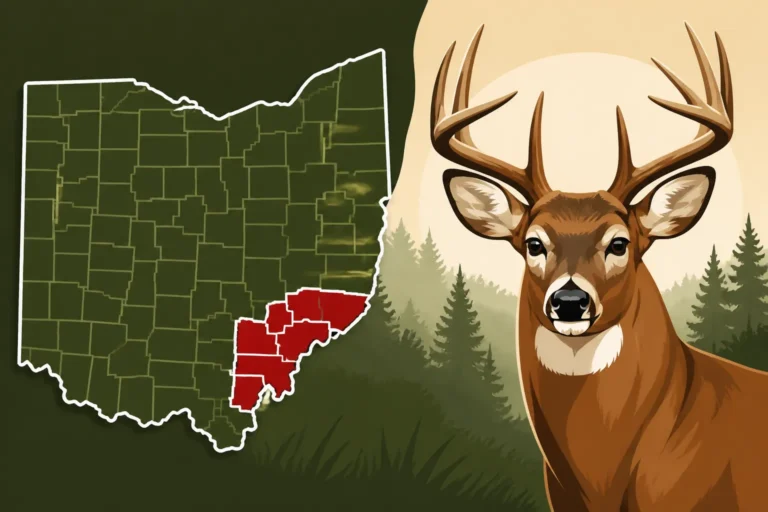
While often not the primary drivers of large-scale population shifts, disease and predation can certainly have localized, significant impacts. Chronic Wasting Disease (CWD) is a persistent concern, and Ohio has a Ohio's Chronic Wasting Disease Surveillance Area in certain counties. While the prevalence is relatively low compared to some other states, ODNR actively monitors and tests deer to prevent its spread, as CWD can have devastating long-term effects on deer health and population dynamics. Ohio's CWD Case Count by County is meticulously tracked.
Epizootic Hemorrhagic Disease (EHD) is another disease that can cause localized die-offs, especially during hot, dry summers when midges, the disease vectors, are prevalent near water sources. While often temporary, these outbreaks can significantly reduce populations in affected areas. Predators, primarily coyotes, also play a role, particularly in fawn mortality. While GoHunt users might not track disease, knowing where it’s an issue can change your hunting strategy. While coyotes don't typically control a healthy adult deer population statewide, they can keep local populations in check, especially affecting Ohio Fawn Survival Rates in certain areas, adding another layer to the complex puzzle of deer management.
How ODNR Manages the Herd
The Ohio Department of Natural Resources isn't just counting deer; they're actively managing the herd to balance ecological health, hunter opportunity, and minimize human-wildlife conflict. This involves a carefully crafted strategy that considers biological data, public input, and evolving challenges like disease. Their approach isn't static; it adapts to current conditions and long-term goals.
The Role of Deer Management Permits
One of the most effective tools in the ODNR's arsenal for managing deer populations is the implementation of deer permits, particularly the "Deer Management Permit" (DMP), which used to be called the antlerless deer permit. These permits are crucial for allowing hunters to harvest additional does, which directly impacts population growth. Since does are the reproductive engine of the herd, increasing their harvest helps to reduce the overall population size in areas where it's deemed too high. Conversely, reducing the availability or increasing the cost of these permits can help allow a population to grow.
The availability and regulations surrounding Ohio Deer Management Permits vary significantly by county, based on local population objectives. In many counties, especially in the more agricultural and suburban areas, these permits are unlimited, allowing hunters to take multiple antlerless deer. This targeted approach allows the ODNR to achieve very specific management goals, addressing localized overpopulation issues without impacting areas where deer numbers might be stable or even slightly below desired levels. It's a nuanced system designed to give hunters flexibility while serving the greater good of the herd.
Monitoring Chronic Wasting Disease CWD
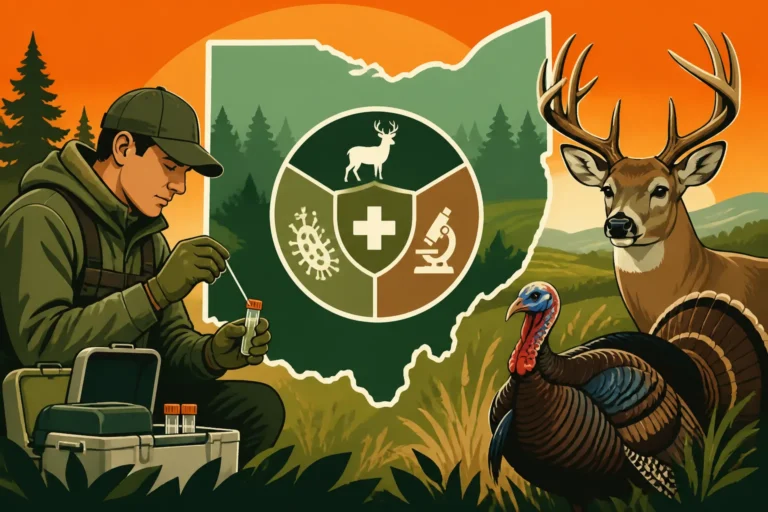
Chronic Wasting Disease (CWD) represents a significant threat to Ohio's deer herd, and its management is a growing priority for the ODNR. CWD is a fatal neurological disease that affects cervids (deer, elk, moose) and can spread directly between animals or through environmental contamination. While Ohio's CWD prevalence remains low compared to some western states, the ODNR maintains a dedicated Ohio's Chronic Wasting Disease Surveillance Area, currently encompassing several counties in north-central Ohio, centered around Wyandot County where the first wild cases were detected.
Within these surveillance areas, strict regulations are in place during certain hunting seasons. This includes mandatory CWD testing during specific periods and restrictions on moving deer carcasses out of the zone. Hunters are encouraged to submit their deer heads for testing, and the ODNR provides self-serve sampling kiosks and staffed check stations. The goal is to detect the disease early, prevent its spread, and understand its impact on the herd. This monitoring is critical for safeguarding the long-term health of Ohio's deer, and it's a responsibility shared by both wildlife managers and hunters. You can find up-to-date information, including sampling station locations and results, on the ODNR's website.
What This Means for Hunters
Okay, so we've talked about how ODNR estimates deer, how regions differ, and what factors influence the population. But what does all this mean for you, the hunter, when you head afield? This knowledge isn't just academic; it's practical information that can directly impact your hunting strategy and success. Being an informed hunter is about more than just knowing season dates; it's about understanding the game you pursue.
Scouting Smart Based on Population Trends
Knowing the general deer population trends and densities in your chosen hunting area should be the foundation of your scouting efforts. If ODNR reports indicate a higher deer density in your target county, you might adjust your expectations for seeing more deer, potentially focusing on finding areas with less pressure or prime food sources where multiple deer will congregate. Conversely, in areas with lower densities, like some parts of Appalachian Ohio, your scouting might shift to finding isolated pockets of good habitat where deer are concentrated, or targeting travel corridors between larger blocks of cover. This is where using a tool like GoHunt to overlay public land boundaries and analyze terrain features, which GoHunt excels at, can save you countless hours of boots-on-the-ground scouting.
Furthermore, understanding local population dynamics helps you interpret the sign you find. Are you seeing lots of buck sign but few tracks? Maybe the buck-to-doe ratio is skewed, or the doe population is lower than average for that area. This knowledge can help you decide if you need to scout more broadly or focus on a specific type of sign. Effective Scouting Ohio Public Land Before Season isn't just about finding trails; it's about understanding what those trails signify in the context of the local deer population.
Adapting Tactics to Local Deer Densities
Your hunting tactics should absolutely adapt to the local deer density. In high-density areas, deer are often more accustomed to human presence, especially on public land. They might be more nocturnal, or they might move during daylight in thicker cover. Here, tactics like still-hunting very slowly through bedding areas, or using ground blinds in overlooked corners of woodlots near fields, might be more effective. You might also find that rattling and grunting are less effective if deer are used to constant human scent and noise. Conversely, in areas with a robust population and good food sources, you might have more success setting up on a well-used trail leading to a food plot or agricultural field.
In lower-density areas, such as rugged state forests, your approach will likely be different. These deer can be more sensitive to pressure, and covering more ground becomes essential. You might focus on finding pinch points, saddles, or benches that funnel deer movement, especially during the rut. Using calls during Hunting the Ohio Rut in Early November might be more effective if the deer aren't as accustomed to hunting pressure. Regardless of density, paying attention to wind and thermals, and practicing scent control, remains paramount. Cross-referencing ODNR data with what you see on mapping apps like GoHunt can help you visualize these differences and plan your approach with greater precision.
Ohio offers incredible diversity for deer hunters, and understanding the population estimates and the factors that drive them is a vital piece of the puzzle. By using this information, you can make more informed decisions, adapt your strategies, and ultimately, increase your enjoyment and success in the field.
| Ohio Deer Region | Typical Density Trend | Common Habitat Types | General Hunter Experience | Key Hunting Tactics |
|---|---|---|---|---|
| Appalachian Ohio | Moderate to Lower | Steep hardwoods, deep hollows, timber | More walking, fewer deer sightings, potential for older bucks, less hunter competition | Still-hunting, saddle hunting, focusing on mast crops, understanding thermals |
| Farm Belt (NW/Central) | High | Crop fields, small woodlots, fencerows | More deer sightings, often younger bucks, higher hunter competition on public land | Field edge setups, ground blinds, focusing on entry/exit routes, hunting standing crops |
| Suburban/Urban Edge | Very High | Residential areas, green spaces | Limited traditional hunting access, controlled hunts, high deer conflict, often nocturnal | Archery-only, focus on small cover patches, extreme scent control, low-impact presence |
Disclaimer
Please remember that hunting regulations, season dates, and specific land access rules can change. Always consult the most current Ohio Department of Natural Resources (ODNR) official regulations before heading afield. This guide is for informational purposes only and should not replace official sources.