Ohio Groundhog Hunting Rules
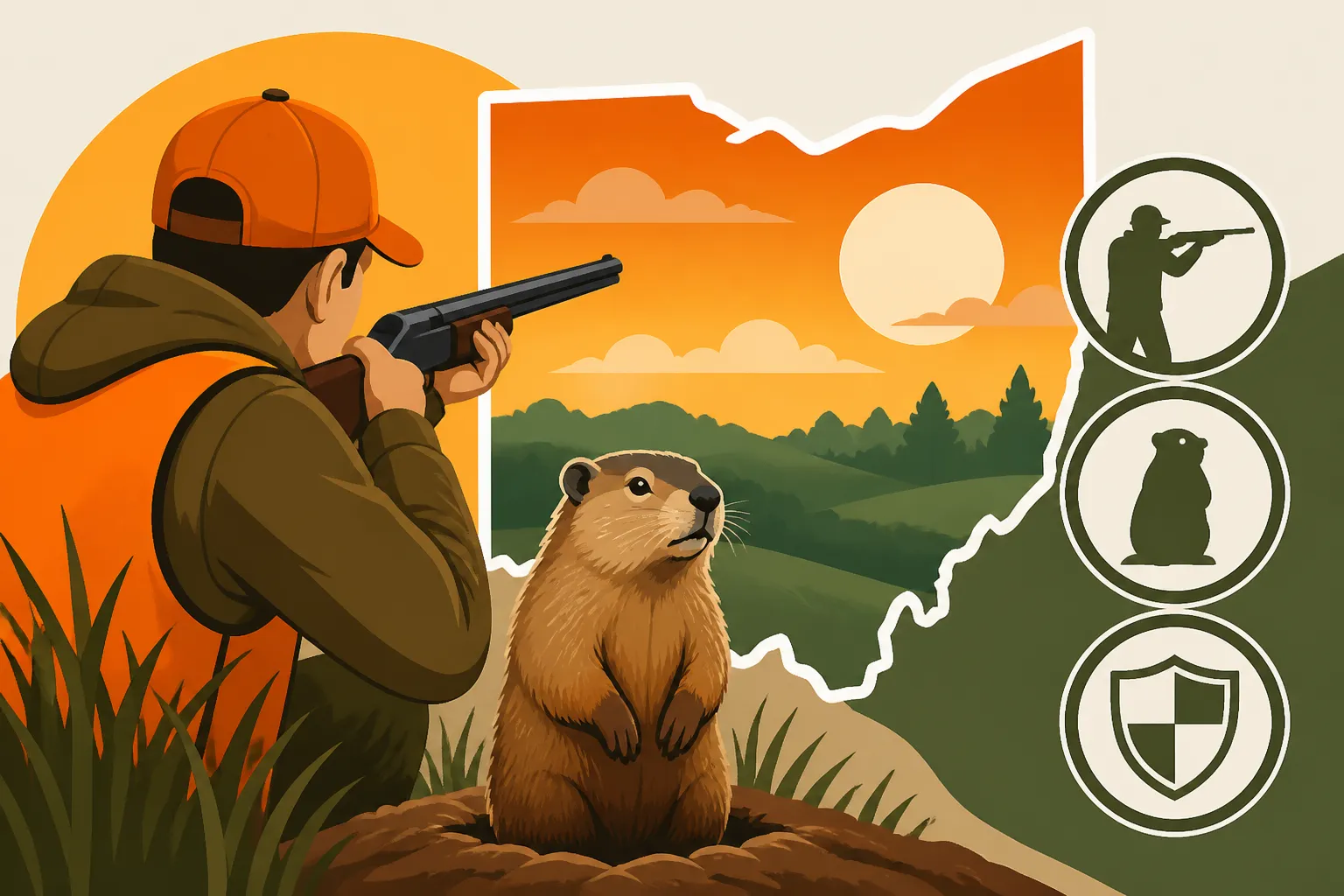
For many Ohio hunters, the off-season lull can be a real struggle, leaving you itching for a reason to get out into the fields and woods. Groundhog hunting, often seen as pest control by farmers and an excellent way to hone your marksmanship by hunters, offers a fantastic opportunity to stay sharp year-round. However, the specific rules and nuances of chasing these burrowing critters can sometimes feel a bit murky, especially when you’re trying to figure out what’s legal, where you can go, and what gear you can use. This comprehensive guide is here to demystify Ohio's groundhog hunting regulations, helping you confidently pursue these challenging targets.
Understanding Ohio's Open Season for Groundhogs
One of the most appealing aspects of groundhog hunting in Ohio is its incredible flexibility. Unlike most other game species that have strict opening and closing dates, groundhogs operate under a much more liberal framework. This means you can enjoy long days in the sun, working on your shooting skills and contributing to agricultural pest control, without constantly checking a calendar.
No Closed Season, No Bag Limits on Private Land
That’s right – on private land in Ohio, there is absolutely no closed season for groundhogs, also known as woodchucks. You can pursue them any day of the year. This is primarily because they are often considered an agricultural nuisance, capable of causing significant damage to crops, farm equipment, and even livestock due to their extensive burrowing habits. Farmers frequently welcome responsible hunters who can help mitigate these issues, offering a win-win situation for both parties.
Furthermore, there is no daily or seasonal bag limit when hunting groundhogs on private property. This freedom allows hunters to focus on population control and shooting practice without the pressure of tags or quotas. You can spend an entire day in a hayfield, picking off multiple 'chucks, and be well within the Ohio Department of Natural Resources (ODNR) regulations. This lack of restriction is a big reason why so many hunters turn to groundhogs when deer or turkey seasons are closed, providing a valuable year-round outdoor pursuit. Just remember, while the regulations are lenient, always prioritize ethical hunting practices and respect the animals you pursue.
Legal Hunting Hours and Equipment Considerations
When it comes to the legal hours for groundhog hunting, things are generally straightforward: you can hunt them from sunrise to sunset. This aligns with most small game hunting regulations in Ohio, ensuring fair chase and clear visibility. While some predator hunting, like Coyote and Predator Hunting in Ohio, allows for night hunting under specific conditions, groundhogs are typically pursued during daylight hours when they are most active, feeding in fields or basking in the sun near their burrows.
As for equipment, Ohio is quite permissive. You can use a wide array of firearms, including rifles, shotguns, and handguns. This broad allowance is another reason groundhog hunting is so popular; it lets you practice with various platforms. Rimfire rifles, like a .22LR or .17 HMR, are classic choices for shorter distances, while centerfire rifles such as a .223 Remington, .22-250, or even a .204 Ruger are excellent for reaching out across vast fields. If you're looking to compare options, it's interesting to note the differences in Ohio Legal Firearms for Deer Hunting, which are much more restricted in terms of straight-wall cartridges. For groundhogs, however, you have a lot more freedom. Just make sure whatever firearm you choose is sighted in properly for the ranges you'll be shooting. While blaze orange is not required when hunting groundhogs outside of specific deer or turkey seasons, it’s always a good idea, especially if you’re on public land or hunting areas with varied terrain where other outdoor enthusiasts might be present.
Navigating Groundhog Hunting on Public Lands in Ohio
While private land offers the most straightforward access for groundhog hunting, Ohio does have public land opportunities. However, these come with additional considerations and often more restrictive rules that you absolutely need to be aware of. The "open season, no limit" rule applies generally, but specific public hunting areas might have their own nuances.
Rules Specific to Ohio Wildlife Areas and State Forests
Hunting groundhogs on Ohio's public lands, such as the numerous Ohio Wildlife Areas or State Forests, requires careful attention to signage and specific regulations for each location. While the statewide framework allows for year-round groundhog hunting, individual wildlife areas or state forests might have specific rules or even temporary closures during peak seasons for other game, or for management purposes. For example, some areas might prohibit target shooting, which could implicitly limit groundhog hunting if it's perceived as recreational target practice rather than pest control. Always check the local regulations for the specific public land you plan to visit, usually available on the ODNR website or at kiosks near access points.
It’s not uncommon for public lands to see increased pressure during popular seasons, and while groundhog hunting doesn’t draw the same crowds as deer season, it’s wise to be aware of other hunters or recreationists. Using a spotting scope to scan fields for groundhogs from a distance, or checking thick fencerows where rabbits and squirrels might be found, are great ways to hunt effectively and safely. Remember that on these public lands, ethical conduct and respect for other users are paramount.
Using Technology for Public Land Scouting and Boundaries
Modern technology has become an invaluable tool for public land hunters, and groundhog hunting is no exception. Mapping applications are crucial for identifying public land boundaries, understanding property lines, and scouting potential groundhog hot spots. Services like GoHunt offer detailed satellite imagery and property line overlays, which are incredibly helpful when you're trying to determine if that tempting field is actually on public ground or if it's private land requiring permission. Using GoHunt's mapping features can also help you identify elevated positions for safe shooting and locate natural funnels or field edges where groundhogs might be concentrated.
Beyond simply knowing where you can hunt, these apps, including the ODNR's own Ohio HuntFish App, can show you topography, access points, and even vegetation types that might indicate prime groundhog habitat. Before you head out, spend some time studying aerial photos to pinpoint burrows, field edges, or creek bottoms where groundhogs are likely to be found. Having this digital intelligence on your phone, even without cell service in remote areas, can save you hours of aimless wandering and ensure you stay within legal boundaries. Remember to charge your phone and bring a backup battery!
Choosing the Right Gear and Calibers for Groundhogs
Selecting the appropriate gear for groundhog hunting is not just about legality; it's about efficiency, precision, and enjoyment. Given the open regulations, hunters have a wide latitude, but making informed choices can significantly improve your success and safety.
Popular Rifle Calibers for Precision Groundhog Hunting
When it comes to groundhog hunting, precision is key. These small targets can be incredibly wary, often requiring shots at extended ranges across open fields. This is why rifles, particularly those chambered in varmint-specific calibers, are overwhelmingly popular. For closer shots, say within 100-150 yards, the .22 Long Rifle (LR) remains a classic, offering cheap practice and minimal recoil. The .17 HMR (Hornady Magnum Rimfire) is another excellent rimfire option, boasting a much flatter trajectory and greater accuracy at similar ranges, making it perfect for those 150-200 yard shots where a .22LR starts to struggle with drop.
Stepping up to centerfire calibers opens up even greater possibilities for long-range accuracy. The .223 Remington is arguably the most popular choice, readily available, relatively inexpensive to shoot, and incredibly effective out to 300-400 yards with good bullet selection. For hunters seeking even more reach and flatter trajectories, cartridges like the .204 Ruger and .22-250 Remington shine. These calibers offer blistering velocities, minimal bullet drop, and incredible accuracy, allowing you to confidently take shots at 400 yards and beyond. When choosing a caliber, consider your typical hunting environment, the expected shot distances, and your comfort level with recoil and ammunition cost. Regardless of your choice, a good quality scope with ample magnification and clear glass is a non-negotiable piece of equipment for groundhog hunting.
Shotguns, Archery, and Trapping for Woodchucks
While rifles are the bread and butter of groundhog hunting, they aren’t your only options. Shotguns can be surprisingly effective for groundhogs encountered at closer ranges, especially when they pop up unexpectedly in thick cover or near woodlots. Using a tight choke and heavier loads, such as those you might use for Squirrel Hunting Ohio Hardwoods, can deliver a lethal blow at 20-40 yards. This method requires quick reflexes and often closer stalking, but it can be a thrilling way to hunt them.
For those who enjoy a greater challenge, archery equipment is also legal for groundhogs. This takes serious skill, as getting within bow range of a wary groundhog in an open field is incredibly difficult. It forces you to master stalking techniques and camouflage. However, successfully taking a groundhog with a bow is a deeply rewarding experience. Lastly, trapping is also an option for groundhog control, especially for landowners dealing with persistent burrowing issues around buildings or in gardens. Ohio's trapping regulations for furbearers and nuisance animals are specific, so if you go this route, ensure you understand the rules regarding trap types, placement, and checking frequency. Trapping is more about nuisance abatement than recreational hunting, but it offers another legal method of control.
Safety, Ethics, and Landowner Relations in Groundhog Hunting
Groundhog hunting, like all forms of hunting, comes with significant responsibilities regarding safety and ethical conduct. Moreover, because much of the best groundhog hunting occurs on private land, fostering positive relationships with landowners is absolutely crucial.
Ensuring a Safe Shot and Minimizing Ricochet Risks
Safety is paramount in groundhog hunting. Unlike hunting deer in thick timber, groundhog hunting often involves shooting across vast, open fields. While this provides clear sightlines, it also means your bullet will travel a considerable distance if it misses or passes through the target. Always, always have a safe and adequate backstop behind your target. A hill, embankment, or thick woodline is ideal. Never take a shot if you're unsure what lies beyond your target, even if it's just a few hundred yards away. Given the flat trajectories of varmint cartridges, a bullet can easily travel over a mile.
Ricochets are another significant concern, especially when shooting at groundhogs on rocky terrain or hard ground. A bullet striking a hard surface at a shallow angle can skip dangerously, traveling in unpredictable directions. Always aim for soft ground or where you know the bullet will safely embed. It's a good practice to wear eye and ear protection, just as you would on a shooting range. Even though Ohio doesn't require blaze orange for groundhog hunting, wearing it, especially if you're hunting on public land or with others, is a smart way to increase your visibility and enhance safety, as covered in Ohio Blaze Orange Requirements. A safe hunter is a responsible hunter, and ensuring every shot has a proper backstop is the cornerstone of that responsibility.
Building Positive Relationships with Ohio Landowners
The vast majority of prime groundhog hunting takes place on private farms and agricultural properties, making landowner permission absolutely essential. Approaching landowners respectfully, clearly stating your intentions, and offering to help control groundhogs can often lead to invaluable hunting opportunities. When you do secure permission, treat their property with the utmost respect. Close gates, avoid driving on wet fields, pick up your spent casings, and leave no trash behind. Going the extra mile, like offering a portion of your harvest if they desire (though groundhogs aren't typically eaten, the gesture is appreciated), or simply saying thank you, can solidify your access for years to come.
Communication is key. Let the landowner know when you plan to hunt and when you’ll be leaving. Ask about any specific areas to avoid, like sensitive crops or areas where livestock are grazing. A great resource for understanding the nuances of securing access is the guide on Getting Private Land Permission in Ohio. Remember, you are a guest on their land, and your actions reflect on all hunters. By being a responsible and considerate hunter, you not only ensure your continued access but also help build a positive image for the hunting community as a whole. A good relationship with a landowner is more valuable than any hunting spot. Using mapping tools like GoHunt can help you articulate exactly where you plan to hunt on their property, further demonstrating your preparation and respect.
Disclaimer
Please note: This article provides general information about Ohio hunting regulations. Hunting laws and regulations can change, and it is the hunter's responsibility to consult the most current Ohio Department of Natural Resources (ODNR) official regulations and publications before engaging in any hunting activity. Always confirm season dates, bag limits, licensing requirements, and legal equipment with the ODNR.