Why Ohio’s 2025-26 CWD Count Was the Highest Yet
The alarming truth is, hearing about increasing deer disease isn't just another headline for Ohio hunters; it's a gut punch that affects our traditions, our venison, and the very future of the herd we cherish. This guide dives deep into why the 2025-26 Chronic Wasting Disease (CWD) count hit a new peak in Ohio, exploring the complex reasons behind this concerning trend and offering practical advice to navigate these challenging times.
Understanding the Escalation of Ohio's CWD Challenge
It's tough news to swallow when we see the numbers tick up, but the 2025-26 season brought a record high in CWD detections across Ohio. For many of us who've spent decades chasing whitetails in these woods, this isn't just an abstract statistic; it's a stark reminder of a persistent threat that continues to spread. This isn't just about deer; it’s about the health of our wildlife, the safety of our venison, and the future of hunting in our state.
The Grim Reality of the 2025-26 Season Data
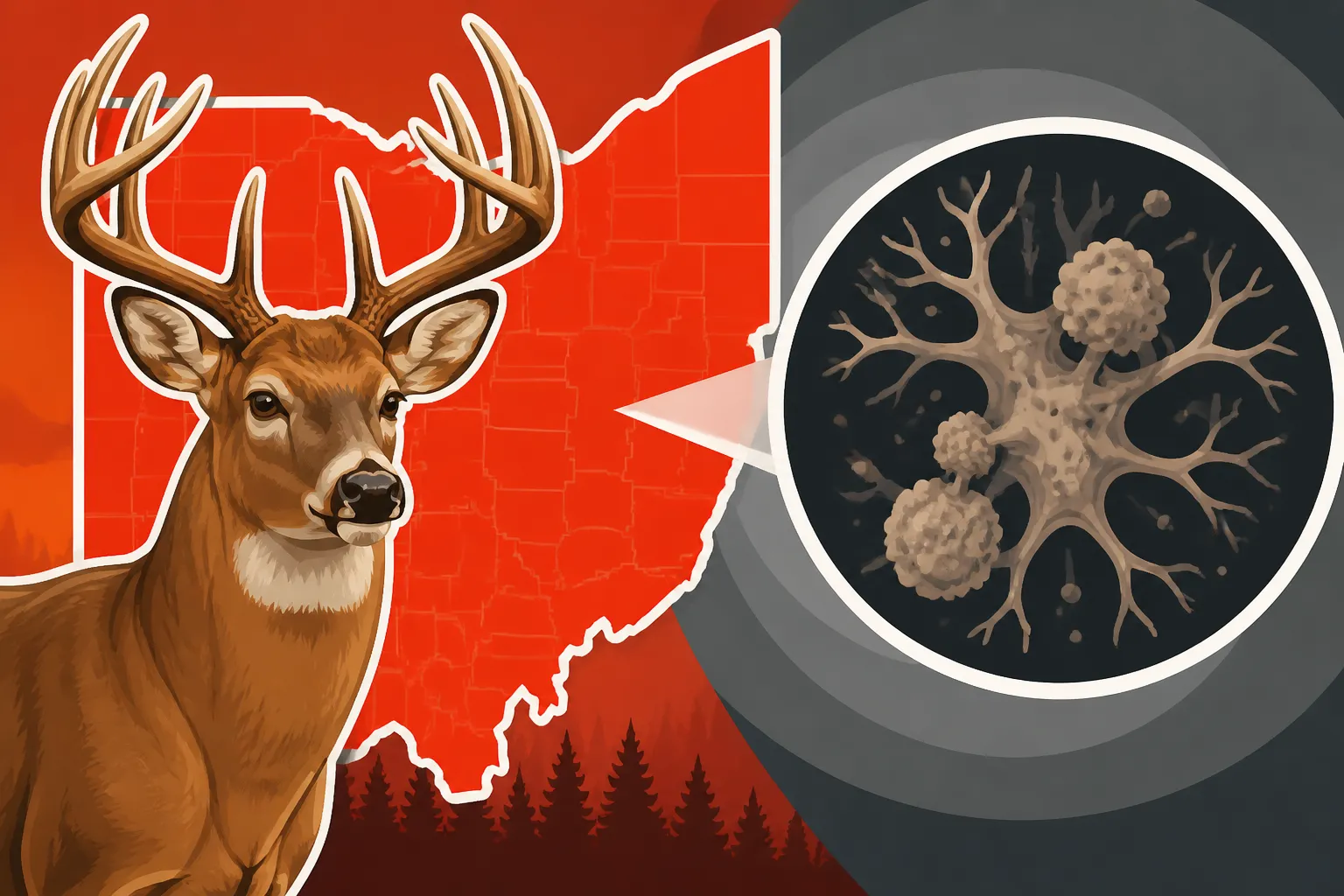
The numbers from the 2025-26 hunting season revealed a significant jump in CWD positive cases, marking it as the highest count Ohio has ever seen. This surge isn't necessarily a sign that the disease suddenly exploded overnight, but rather a reflection of a growing challenge that wildlife agencies and hunters are confronting head-on. CWD is a fatal neurological disease that affects cervids like deer, elk, and moose. It's caused by abnormal proteins called prions that slowly destroy the brain and nervous system, leading to emaciation, abnormal behavior, and ultimately, death. The disease is notoriously difficult to manage because these prions can persist in the environment for years, making containment a monumental task. The concentration of these cases, particularly in areas like Wyandot County, continues to show why this region has been a focal point for the disease. If you're hunting in these counties, understanding the specific risks and regulations is more crucial than ever.
How Ohio's CWD Detection System Has Evolved
One of the key reasons we're seeing higher CWD counts isn't just increased prevalence, but also greatly improved surveillance and detection efforts. The Ohio Department of Natural Resources (ODNR) has steadily ramped up its CWD monitoring program over the years, learning from other states and adapting to the unique challenges within Ohio. This includes broader hunter participation in submitting deer for testing, more accessible Ohio CWD Sampling Station Locations, and targeted mandatory testing periods. For instance, during the Mandatory Testing on Early Gun Opening Weekend and Mandatory Testing on Statewide Gun Opening Weekend within the designated Disease Surveillance Area (DSA), thousands of samples are collected. This rigorous approach, while sometimes inconvenient for hunters, provides a much clearer picture of where the disease exists and how it's spreading. Without these intensive efforts, many positive cases might go undetected, masking the true scope of the problem. Tools like the Scouting With the Ohio HuntFish App can even help hunters find nearby check stations and stay informed about testing requirements, which is crucial for compliance. Even third-party resources, such as those you might find on GoHunt's data platforms, have helped some hunters stay informed about disease hotspots and mandatory submission areas, allowing them to better plan their hunts and contribute to the overall surveillance effort.
Factors Contributing to Increased CWD Spread
The disease isn't just appearing out of thin air; its spread is a complex interplay of environmental factors, deer behavior, and how deer interact with each other and their surroundings. Understanding these dynamics is essential to comprehending why the numbers keep climbing, despite our best efforts.
Deer Population Dynamics and Movement Patterns
Ohio's deer population has remained robust in many areas, and while healthy herds are generally a good thing, high densities can unfortunately accelerate CWD transmission. When deer numbers are high, they naturally come into more frequent contact with one another. This increased interaction, especially during periods like the rut in early November when bucks are actively seeking does and interacting aggressively, can facilitate the direct spread of prions. Imagine a crowded dinner table: the more deer sharing a limited resource like a food plot or mineral lick, the higher the chance of prion transmission through saliva, urine, or feces. Deer also exhibit significant movement patterns, particularly bucks during the rut, which can carry the disease into new territories. A buck that travels several miles from a CWD-infected area could potentially shed prions in an entirely new locale, effectively expanding the disease's footprint. This movement is a natural part of White-Tailed Deer Across Ohio behavior, but it presents a unique challenge for CWD containment.
Environmental Persistence and Indirect Transmission
Perhaps one of the most insidious aspects of CWD is the incredible persistence of its prions in the environment. Unlike bacteria or viruses that can be killed by disinfectants or sunlight, CWD prions are remarkably resilient. They can remain viable in soil, plants, and water for years, even decades, making indirect transmission a significant concern. A deer can contract CWD by simply ingesting prions from contaminated soil where an infected deer once died or even from plants growing in that soil. This means even if all infected deer were somehow removed, the environment itself could remain a source of infection for new deer entering the area. This environmental reservoir is a major reason why CWD is so incredibly difficult, if not impossible, to eradicate once it has established a foothold. It’s not just about tracking infected animals; it’s about managing a contaminated landscape.
Human Impact and Management Challenges
As hunters and conservationists, our actions play a crucial role, for better or worse, in the ongoing battle against CWD. The human element, from compliance with regulations to the intensive management strategies employed by the state, is central to understanding the escalating CWD count.
Hunter Compliance and Carcass Movement
One of the biggest concerns for wildlife agencies is the potential for hunters, perhaps unknowingly, to contribute to the spread of CWD through the movement of deer carcasses. When a hunter harvests a deer in a Ohio's Chronic Wasting Disease Surveillance Area, there are strict Ohio Carcass Movement Restrictions in place. These rules dictate that certain parts of the deer, such as the brain, spinal cord, and lymphoid tissue (where CWD prions concentrate), should not be transported out of the DSA unless properly processed. The challenge lies in ensuring widespread hunter compliance. While most hunters are diligent, even a few instances of an infected carcass being moved to a new county could establish a new CWD hotspot. This is why thorough communication about these regulations and clear instructions, often found on resources like the ODNR website or even within hunting apps from companies like GoHunt, are so vital. It's a collective responsibility to prevent further spread.
The Role of Intensive Management Zones
In response to increasing CWD detections, the ODNR has implemented and continually refined intensive management strategies, particularly within the DSA. This typically involves allowing hunters to harvest more deer, especially antlerless deer, to help reduce overall deer density and potentially slow the rate of disease transmission. The idea is that fewer deer means less contact, and therefore, less opportunity for the disease to spread. This can include specific permitting structures like Ohio Deer Management Permits designed to encourage higher harvest in affected areas. However, these strategies are not without their challenges. They require significant hunter participation and understanding, and their effectiveness can be limited by the environmental persistence of prions. Containing CWD once it has established a foothold, as seen with How Many Deer Have Tested CWD-Positive in Ohio and particularly in Why Wyandot County Leads Ohio's CWD Count, is an ongoing, uphill battle that demands constant adaptation and vigilance from wildlife managers and hunters alike.
What This Means for Ohio Hunters
For those of us who spend our autumns and winters in the Ohio woods, the rising CWD count isn't just a concern for biologists; it directly impacts how we hunt, what we do with our harvested deer, and our peace of mind.
Adapting Hunting Strategies in CWD Areas
Hunting in an area known for CWD requires a thoughtful approach. While the desire to harvest a trophy buck is strong, the responsible hunter in a DSA might prioritize harvesting antlerless deer to help manage population numbers and contribute to disease control efforts. You might consider adjusting your hunting pressure, especially around high-traffic areas like established food plots or mineral sites where deer congregate, as these can be hotbeds for prion transmission. Some hunters are also exploring strategies like focusing on Hunting After a Poor Acorn Year in areas where deer might be more concentrated around specific food sources. Furthermore, understanding deer movement through advanced mapping on platforms such as GoHunt, can help you identify areas with lower deer density or areas where deer might be less likely to interact with contaminated environments. This isn't about giving up on hunting, but rather adapting our methods to be part of the solution.
Best Practices for Prevention and Personal Safety
Beyond adapting our hunting strategies, there are critical best practices every hunter should follow, especially when hunting in or near a CWD-affected county. First and foremost, if you harvest a deer in a DSA, follow all mandatory testing and carcass movement regulations. You can find kiosks for Submitting a Deer Head at a Sampling Kiosk in designated areas. Proper field dressing is also paramount; always wear gloves and minimize contact with brain and spinal tissue. Once the deer is field dressed, promptly cool the carcass. When processing your deer, avoid consuming brain, spinal cord, eyes, spleen, tonsils, and lymph nodes, as these are the tissues where CWD prions are most concentrated. For those concerned about consumption, especially from a known CWD-positive deer, resources exist on Handling Venison From a DSA County Safely that provide detailed guidance. While there's no evidence CWD can transmit to humans, it's prudent to take precautions. The ODNR provides extensive guidelines, and staying informed through official channels or trusted hunting platforms is crucial for both personal safety and preventing further spread. This vigilance ensures that we can continue to enjoy the bounty of Ohio's deer herd safely and responsibly.
CWD Surveillance Area Requirements Summary
| Action | DSA Counties | Non-DSA Counties | Notes |
|---|---|---|---|
| Mandatory Deer Head Submission | Yes (specific weekends) | No | Applies to certain gun weekends; voluntary at other times. |
| Carcass Movement Restrictions | Yes | No | Brain, spinal cord, etc., must be removed before transport out of DSA. |
| Voluntary Sampling Kiosks | Yes | Yes (limited) | Available for all hunters to submit samples. |
| Antlerless Deer Harvest Encouraged | Yes | Management-based | Often through special permits to reduce local deer density. |
| Venison Consumption Guidelines | Emphasized | General safety | Best practices for handling and consuming venison. |
Disclaimer
The information provided in this guide is for general informational purposes only and is not intended as legal advice or an exhaustive statement of Ohio hunting regulations. Hunting laws and regulations are subject to change. Always consult the official Ohio Department of Natural Resources (ODNR) website or their current hunting digest for the most up-to-date and accurate information before engaging in any hunting activities.