Ohio Northeast Zone Turkey Rules
Trying to keep all the specific rules and dates for Ohio's spring turkey season straight can feel like you need a law degree and a calendar dedicated solely to hunting regulations. It's especially confusing when you realize the state divides things up into different zones, each with its own quirks. This guide is here to clear the air, breaking down everything you need to know about hunting wild turkeys in Ohio's Northeast Zone, so you can focus on calling in that gobbler instead of worrying about a forgotten regulation.
Understanding Ohio's Turkey Zones
Ohio's approach to turkey hunting isn't a one-size-fits-all deal, and that can certainly throw a wrench into your planning if you're not careful. The state divides its turkey season into different zones, primarily the South Zone and the Northeast Zone, each with its own distinct opening and closing dates. This zonal system is in place for a few very good reasons, mostly centered around wildlife management and responding to regional differences in turkey populations and spring green-up.
Why Ohio Divides Turkey Seasons by Zone
The Ohio Department of Natural Resources (ODNR) carefully monitors turkey populations across the state, and what they've found is that turkeys in the southern part of Ohio tend to breed and begin their spring activities earlier than those in the northern and eastern regions. This difference in phenology – the timing of biological events – means that a season structure designed for the southern counties wouldn't be ideal for the northern ones. Opening the season too early in the north, for instance, could disrupt breeding too much, while opening too late in the south might mean hunters miss the prime gobbling activity. By creating zones, the ODNR can tailor the season to better align with the turkeys' natural cycles in each specific area, aiming for optimal hunting opportunities while still ensuring the health and sustainability of the turkey population. It's a pragmatic approach to wildlife management that acknowledges the diverse landscapes and climates within our state.
Delineating the Northeast Zone Counties
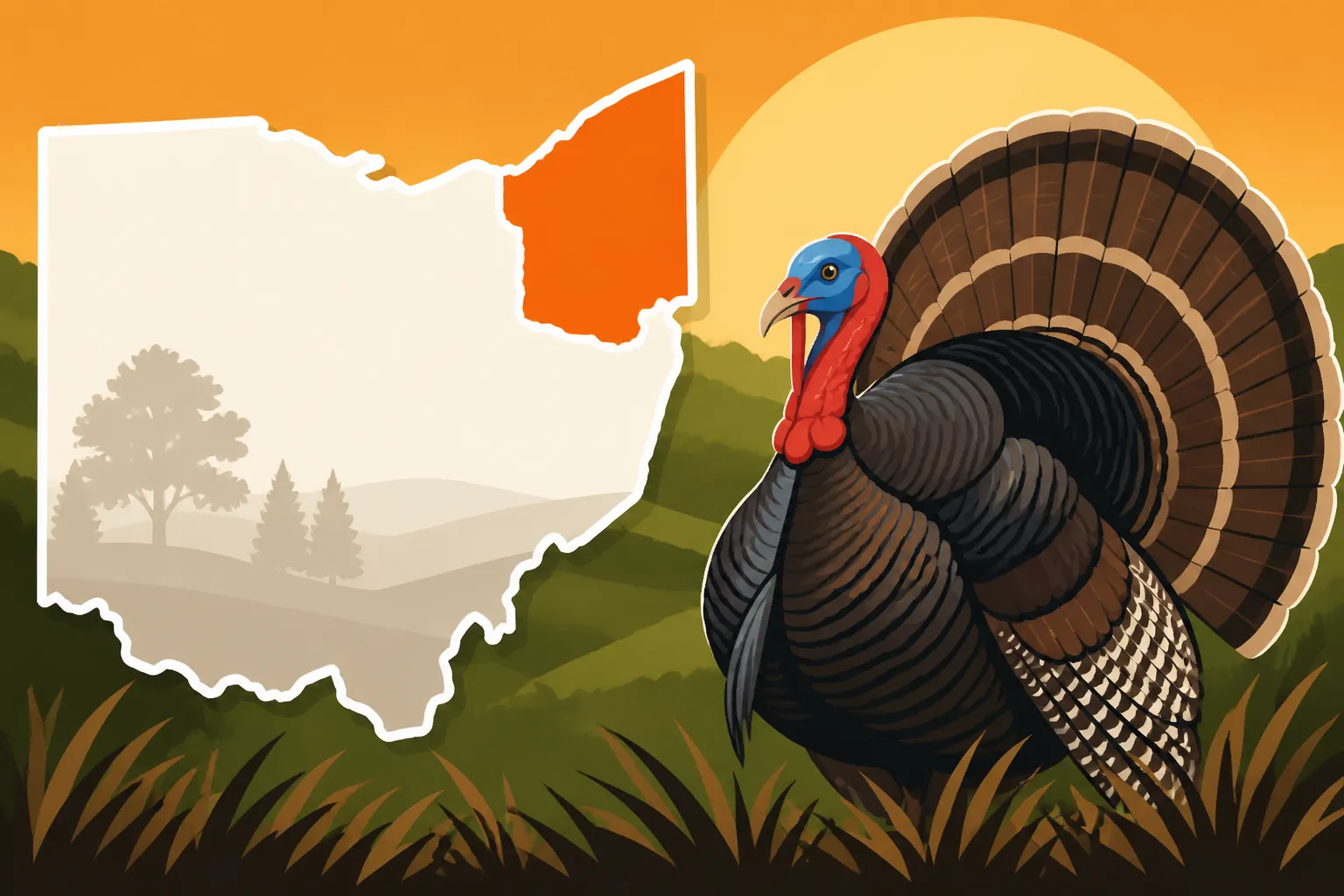
So, what exactly defines the Northeast Zone? It’s not just a general idea; it's a specific list of counties. The Northeast Zone generally encompasses the easternmost and northern counties of Ohio, extending roughly from the Lake Erie shoreline down through the eastern border. This includes counties like Ashtabula, Trumbull, Mahoning, Columbiana, Jefferson, Carroll, Harrison, Guernsey, Noble, Belmont, and Monroe, among others. It also sweeps westward to include counties such as Geauga, Portage, Stark, Tuscarawas, Coshocton, Muskingum, and Perry. This vast area presents a variety of habitats, from the rolling farmlands to the more rugged Appalachian foothills, offering diverse hunting experiences. Before you head out, it's always a smart move to double-check the current hunting digest or an updated map on the ODNR website, just to make absolutely certain your target county falls within the specified Northeast Zone boundaries for the current season. This small step can save you a lot of headaches later on. If you're wondering Which Counties Sit in the Northeast Turkey Zone, the ODNR's website or the GoHunt app can provide precise, up-to-date information.
Contrasting with the Ohio South Zone
When you look at the Northeast Zone, it's really important to understand how it differs from the South Zone. The South Zone generally covers the majority of Ohio's central, western, and southern counties. The primary difference, and the one that often causes the most confusion, is the season start date. Typically, the South Zone's spring turkey season kicks off a week or even two weeks earlier than the Northeast Zone. This staggered opening is a direct result of those biological differences we just talked about – the warmer climate in the south means turkeys are ready earlier. This difference in timing means a hunter looking to get an early start might head south, while someone hunting closer to home in the northeast waits for their local opener. It’s also worth noting that bag limits and other regulations usually remain consistent across both zones once the season is open, but that initial difference in start date is critical. Hunters need to be acutely aware of which zone they are hunting in to avoid any legal issues, especially if they hunt across county lines that might straddle the zonal boundary. Knowing the distinct characteristics of Ohio Spring Turkey Zones and Dates is crucial for any hunter.
Key Season Dates and Bag Limits for the Northeast Zone
Once you understand why Ohio has zones, the next logical step is to dive into the specifics of when you can actually hunt and how many turkeys you can take in the Northeast Zone. These details are paramount for a successful and legal hunt, and they can shift slightly year to year based on wildlife management goals and population assessments by the ODNR. Always consult the most current hunting digest for the exact dates, but generally, there's a predictable pattern.
Regular Season Opening and Closing Dates
For those of us targeting the Northeast Zone, the regular spring turkey season usually kicks off a bit later than its southern counterpart, typically in late April or early May, and runs through mid-to-late May. This later start is designed to coincide with the peak of gobbling activity and breeding in this particular region, giving hunters the best chance to locate and call in a tom. The season then typically closes around the same time statewide. It's a relatively short window, usually about four weeks, which means every hunting day counts. Planning your vacation time, scouting trips, and equipment preparation needs to revolve around these specific dates. Missing the opening week can sometimes mean missing the most active gobbling, especially if weather patterns shift and birds become less vocal. It’s always good practice to have the exact When Ohio's Northeast Zone Turkey Season Opens date etched into your mind or on your calendar.
Youth Hunting Weekend Specifics
Before the regular season even begins, Ohio offers a special youth hunting weekend for spring turkeys, a fantastic opportunity to introduce the next generation to the joys and traditions of turkey hunting. This youth-only weekend typically takes place in late April, usually the weekend immediately preceding the South Zone opener, and thus a week or two before the Northeast Zone regular season. Youth hunters (those 17 years old and younger) must be accompanied by a non-hunting adult mentor (18 years or older) who holds a valid hunting license. The mentor cannot carry a hunting implement, but they can assist with calling and guidance. This weekend allows young hunters to experience the woods without the pressure of a full season crowd, often leading to incredible memories and successful hunts. It’s a dedicated window to teach responsibility, ethics, and the thrill of the chase, setting a foundation for a lifetime of hunting.
Understanding the Daily and Season Bag Limits
The rules around how many birds you can harvest are straightforward but critical. In Ohio, the spring turkey season bag limit is generally one bearded turkey. That's right, just one. This means once you've successfully harvested a gobbler, your spring turkey season is officially over, regardless of how much time is left in the season. There's no daily bag limit to worry about because you're only allowed one overall. The "bearded" part is important; it typically means adult males, but occasionally a hen (female turkey) can have a beard. As long as it's bearded, it's legal. This conservative bag limit is another tool for wildlife management, ensuring the population remains healthy and robust for future seasons. It also adds a layer of challenge and excitement, knowing that your one tag must be used wisely. It makes that successful harvest all the more meaningful.
Here's a quick comparison of the Northeast Zone's typical framework:
| Feature | Ohio Northeast Zone (Spring Turkey) | Ohio South Zone (Spring Turkey) |
|---|---|---|
| Typical Opening Date | Late April / Early May | Mid-April |
| Typical Closing Date | Mid-to-Late May | Mid-to-Late May |
| Youth Season | Statewide youth weekend (typically before South Zone opener) | Statewide youth weekend (typically before South Zone opener) |
| Bag Limit | One (1) bearded turkey per spring season | One (1) bearded turkey per spring season |
| Daily Limit | N/A (Season limit applies) | N/A (Season limit applies) |
| Legal Hours | Generally 30 minutes before sunrise to sunset (check digest for specifics) | Generally 30 minutes before sunrise to sunset (check digest for specifics) |
Permit Requirements and Costs
Before you even think about setting foot in the woods with your shotgun or bow, you've got to make sure your paperwork is in order. Ohio has specific license and permit requirements that apply to all hunters, and turkey hunting is no exception. It's not just about having the right gear; it's about being legally authorized to hunt. Forgetting a crucial permit can quickly turn a hopeful morning into a disappointing and potentially costly encounter with a wildlife officer.
Essential Licenses and Turkey Permits
To legally hunt turkeys in Ohio, you'll need two main things: a valid Ohio hunting license and a specific Ohio spring turkey permit. The hunting license is your general pass to hunt any legal game species in the state, while the turkey permit is specifically for harvesting a wild turkey during the designated season. You can purchase these through the ODNR's official website, at most sporting goods stores, or at licensed agents across the state. Many hunters use online resources like GoHunt to manage their licenses and permits, which often provides digital proof of purchase right on your phone, making it super convenient. Don't rely on an expired license or forget to buy that turkey tag – it's a non-negotiable part of the process. Always carry proof of both your hunting license and turkey permit while in the field.
Non-Resident Considerations and Fees
For our hunting friends coming from outside the Buckeye State, there are a few additional considerations, primarily around cost. While the process for obtaining a license and permit is similar to residents, the fees for non-residents are naturally higher. You'll need an Ohio non-resident hunting license in addition to the Ohio spring turkey permit. These costs can add up, so it’s wise to budget accordingly. For example, the non-resident annual hunting license is significantly more than a resident one, and the turkey permit itself also has a different price point for out-of-staters. It's a good idea to check the ODNR website or use the GoHunt platform well in advance of your trip to get the most current pricing for Ohio Nonresident Hunting License Options and Ohio Spring Turkey Permit Cost. This way, there are no surprises when you're ready to buy, and you can ensure you have all the necessary documentation without a last-minute scramble.
Youth and Senior Hunter Discounts
Ohio does a great job of encouraging new hunters and appreciating its seasoned veterans through various discounts. For youth hunters, those 17 years old and younger, both the annual hunting license and the turkey permit are available at a significantly reduced rate. This makes it much more affordable for families to get their kids into the outdoors and participate in traditions like spring turkey hunting. Similarly, Ohio offers reduced-cost licenses and permits for senior residents, typically those 66 years of age and older. These discounts are a small way to give back to those who have contributed to Ohio's hunting heritage or are just starting their journey. Be sure to check the specific age requirements and documentation needed for these discounts when purchasing licenses and permits. It's always a good idea to keep an eye on the official ODNR site for the most up-to-date information on these programs.
Legal Hunting Methods and Restrictions
Beyond licenses and dates, knowing how you can legally hunt is crucial. Ohio has a clear set of rules regarding firearms, bows, calls, decoys, and other practices to ensure safety, fair chase, and effective wildlife management. Ignoring these rules isn't just unethical; it can lead to serious legal repercussions, potentially ruining your hunting season and future opportunities.
Approved Firearms, Bows, and Ammunition
When it comes to harvesting a spring turkey in Ohio's Northeast Zone, hunters have a few options for their weapon of choice. Shotguns are a perennial favorite, and typically, any gauge from 10-gauge down to .410 bore is permissible. The key is using legal turkey loads, which are generally non-toxic shot like bismuth or tungsten-alloy, or lead shot no larger than #4. Some hunters swear by heavy-hitting 12-gauge setups, while others prefer the lighter recoil of a 20-gauge for younger hunters or those sensitive to kick. Modern archery equipment, including vertical bows and crossbows, is also perfectly legal. When using a bow, broadheads must meet minimum cutting diameter requirements, usually specified in the hunting digest, to ensure a humane harvest. Rifles and handguns are generally not permitted for spring turkey hunting in Ohio, so leave those at home. Always confirm the current year's regulations for any specific ammunition or weapon restrictions to stay compliant.
Calling and Decoy Regulations
Part of the thrill of turkey hunting is the cat-and-mouse game of calling, and Ohio allows the use of various calls and decoys to entice those wary gobblers. Mouth calls, slate calls, box calls, and even electronic calls are all generally permitted. Electronic calls, which were once controversial, have become a widely accepted tool in many states, including Ohio, for both realism and ease of use, especially for beginners. Decoys are also a staple for many turkey hunters, helping to draw in birds to within shooting range. You can use a variety of hen, jake, or gobbler decoys, or even full strut models. However, there are some important safety considerations with decoys. Never place them directly between yourself and another hunter, and always be aware of your surroundings to avoid being mistaken for a turkey by another hunter. While it's great to have realistic decoys, remember to practice safety first. Proper Decoy Placement for Pressured Birds can make a huge difference in your success and safety.
Prohibited Practices and Safety Guidelines
Ohio, like all states, has a list of hunting practices that are strictly off-limits to ensure ethical hunting and public safety. Shooting turkeys while they are on the roost is prohibited; you must wait until they are on the ground. Hunting from a vehicle or shooting across a public road is also illegal. Baiting, which involves using food or minerals to attract game, is strictly forbidden for wild turkeys. Additionally, it's illegal to hunt with more than one firearm or bow at a time, or to use dogs to hunt wild turkeys in the spring. Safety is paramount: always identify your target positively and be absolutely sure of your background before taking a shot. Wear blaze orange or blaze pink when walking to and from your hunting spot, especially on public lands during overlapping seasons, though it's not strictly required while actively hunting turkey. Remember, a quick check of Ohio Hunter Education Requirements can provide a deeper understanding of these vital safety practices. These aren't just rules; they're guidelines designed to protect both the wildlife and the hunters themselves.
Checking and Reporting Your Harvest
So, you've done it! You called in a gobbler and made a clean shot in Ohio's Northeast Zone. Congratulations! But the hunt isn't truly over until you've legally checked in your bird. This mandatory step is not just a formality; it's a vital part of Ohio's wildlife management program, providing critical data on harvest numbers, hunter effort, and population health. Skipping this step can lead to penalties, so it's essential to understand the process.
Mandatory Check-In Procedures
After you've successfully harvested your bearded turkey, Ohio law requires you to immediately attach a game tag to the bird. This tag, usually printed from your turkey permit, must contain your name, address, and the date and time of the kill. This acts as immediate proof of your legal harvest while you are in the field. The next crucial step is reporting the harvest. You have a few options for this: you can report online through the ODNR's website, via a toll-free telephone number, or by using the HuntFish Ohio mobile app. Many hunters find the app the most convenient, as it allows for immediate reporting right from the field, often even without cell service if you've downloaded the necessary maps beforehand. The system will then provide you with a confirmation number, which you'll need to write on your game tag. This electronic reporting system has replaced the old physical check stations, making the process much more streamlined for hunters.
Reporting Deadlines and Information Needed
The clock starts ticking as soon as you harvest your turkey. You must report your harvest by 11:30 p.m. on the day of the kill. This deadline is strictly enforced. When you report, you'll need to provide several pieces of information: your hunting license and turkey permit numbers, the date and time of harvest, the county where the turkey was harvested, and the gender of the turkey (always bearded for spring season). You'll also typically be asked if the bird was a "gobbler" or a "jake" (a juvenile male), which helps the ODNR track age demographics. This data is invaluable to wildlife biologists, helping them assess Ohio Turkey Population Trends and set future seasons and bag limits. Providing accurate information ensures that the ODNR has the best possible data to manage our precious wild turkey resource effectively. Make sure to have all this information readily available when you go to report your harvest.
Carcass Tagging and Transport Rules
Once your turkey is tagged with the game tag and you've received your confirmation number, you're good to transport it. The tag and confirmation number must remain attached to the turkey's carcass until it's processed. This means if you're driving home from your hunting spot with your bird in the back of your truck, the tag needs to be visible and securely attached. If you decide to take your bird to a taxidermist or a meat processor, make sure they are aware of the tagging requirements, as they'll need that information for their records. Should you decide to butcher the bird yourself, keep the wings and head attached to the body until you reach your home or camp. This helps wildlife officers verify the legal harvest if you're stopped. Adhering to these simple rules ensures a smooth and legal end to your successful spring turkey hunt.
Navigating Public and Private Land in the Northeast Zone
Finding a place to hunt is often half the battle, especially for turkey. Ohio's Northeast Zone offers a mix of public and private land opportunities, each with its own set of challenges and requirements. Knowing where you can legally hunt and how to gain access is just as important as knowing the season dates.
Public Land Opportunities in the Northeast
The Northeast Zone, while containing significant agricultural land, also boasts some excellent public hunting opportunities, primarily through Ohio's Wildlife Areas and State Forests. Areas like Grand River Wildlife Area in Trumbull County, or Mosquito Creek Wildlife Area also largely in Trumbull and Ashtabula counties, offer substantial acreage with diverse habitats that can hold turkeys. Further south and east, areas within counties like Guernsey or Muskingum may offer state forests or larger wildlife areas with good turkey populations. These public lands are open to anyone with a valid license and permit, but they often see more hunting pressure, especially on opening weekend. To find success, you might need to scout thoroughly, hike deeper into lesser-traveled areas, or employ tactics like "run-and-gun" to locate responsive birds. Using resources like the ODNR's HuntFish Ohio map can be invaluable for pinpointing specific access points, parking areas, and habitat types. It's also where GoHunt can be very useful for scouting, allowing you to review satellite imagery and topo maps to identify promising areas for Run-and-Gun Turkey Tactics on Public Land.
Securing Private Land Permission
While public land is a fantastic resource, many of Ohio's best turkey hunting spots are on private land. Gaining permission to hunt private property requires respect, good communication, and often, a bit of persistence. The Northeast Zone has a good mix of smaller woodlots, larger timber stands, and agricultural fields, many of which hold turkeys. Approaching landowners well in advance of the season, neatly dressed and polite, is key. Offer to help with chores, respect their property, and leave it cleaner than you found it. Always ask for written permission, even if it's just a simple note, to clarify boundaries and avoid any misunderstandings. Many successful hunters build long-term relationships with landowners, which is truly the gold standard for reliable access. Remember that Hunting Ohio Farmland Deer often follows similar principles for gaining access, so those lessons apply here too. Establishing trust and demonstrating responsibility will go a long way in securing those coveted private land spots.
Respecting Boundaries and Posted Land
Whether you're on public or private land, respecting boundaries is non-negotiable. On public land, clearly defined boundaries (often marked with signs or paint) delineate hunting zones from non-hunting areas or private inholdings. Always be aware of these. On private land, it's even more critical. Trespassing is illegal and can quickly sour relationships between landowners and hunters, potentially reducing future access for everyone. Never assume that unposted land is open to hunting; in Ohio, it is always your responsibility to know whose land you are on and to have permission. The GoHunt app and other GPS mapping tools can be invaluable for identifying property lines and ensuring you stay within legal hunting areas. Pay close attention to "No Trespassing" signs or purple paint on trees, which are legally recognized forms of posting land in Ohio. If in doubt, don't hunt it. A responsible hunter always knows where they stand, both literally and legally.
Disclaimer
Please note that hunting regulations, season dates, and license requirements can change. Always consult the most current Ohio Department of Natural Resources (ODNR) hunting digest or their official website for the definitive and up-to-date rules before planning your hunt. This guide is for informational purposes only and should not be considered a substitute for official regulations.