Ohio South Zone Turkey Rules
The crisp, cool air of an Ohio spring morning, the gobble rattling through the timber, the anticipation of a longbeard — there’s nothing quite like it. But before you even think about setting up your decoy spread or practicing your tree yelps, you need to be absolutely dialed in on the rules. Ohio's turkey hunting regulations, particularly when it comes to the South Zone, can feel like a maze if you're not careful, and missteps can quickly turn a fantastic hunt into a frustrating, or even illegal, situation. This guide will meticulously break down everything you need to know about hunting spring turkeys in Ohio's South Zone, helping you navigate the season with confidence.
Understanding Ohio's Turkey Zones and Why They Matter
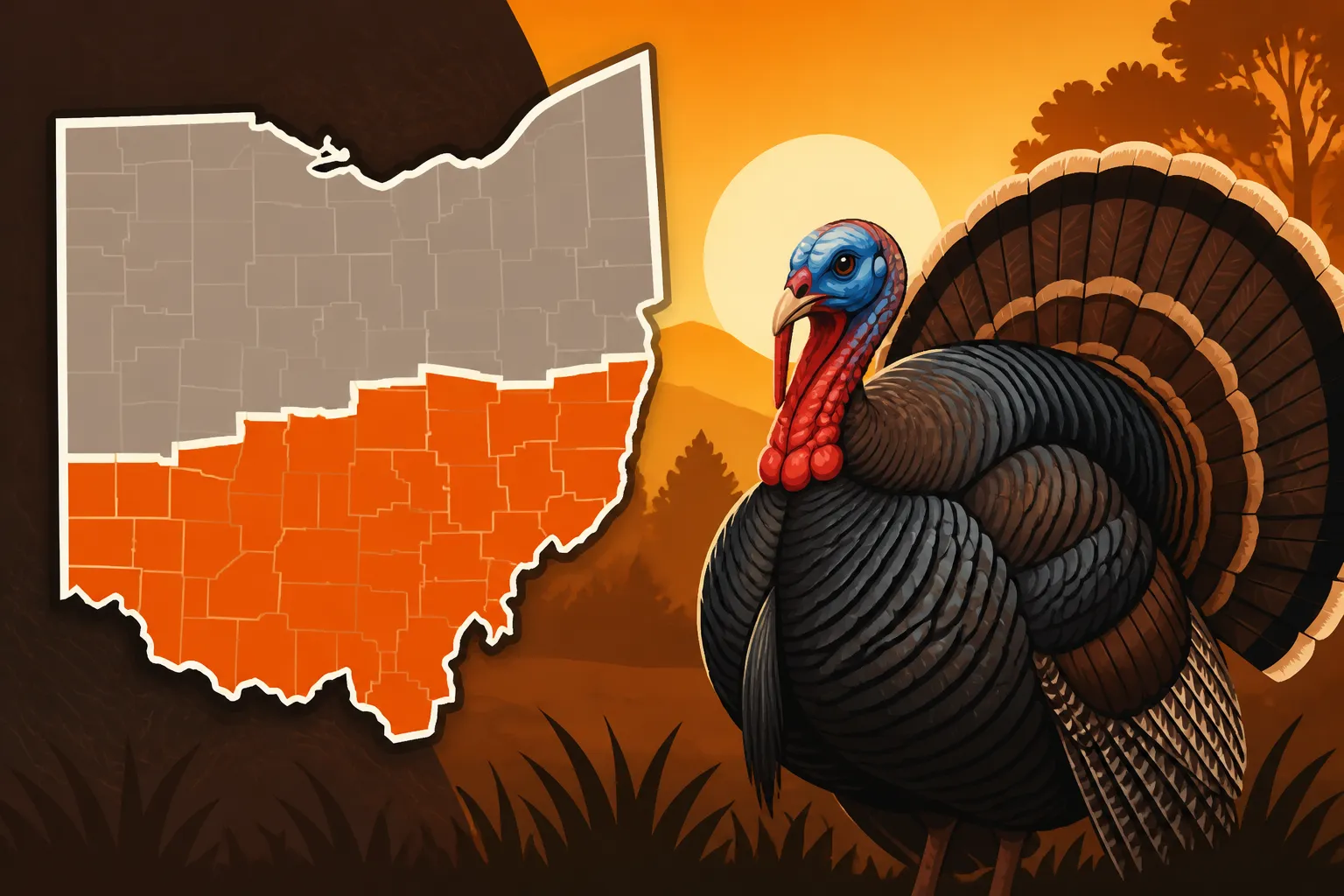
Ohio isn't a "one-size-fits-all" state when it comes to turkey season. For spring turkey hunting, the state is divided into two distinct zones: the South Zone and the Northeast Zone. This separation isn't arbitrary; it's a carefully considered management strategy based on ecological factors, turkey populations, and even weather patterns across the state. Understanding these zones is the very first step in planning your hunt, as the opening dates, and sometimes specific nuances of the rules, can differ significantly.
The Rationale Behind Zone Divisions
Why does Ohio split its turkey season into zones in the first place? Well, the Ohio Department of Natural Resources (ODNR) manages wildlife based on scientific data, and that data shows that turkey populations, habitat conditions, and the timing of spring green-up and breeding cycles aren't uniform across the entire state. The southern counties, generally speaking, experience an earlier spring. Trees leaf out sooner, insects emerge earlier, and turkeys begin their breeding rituals—gobbling, strutting, and nesting—a bit ahead of their counterparts in the colder, more northern and eastern parts of the state. By creating separate zones, the ODNR can tailor hunting seasons to better align with the biological rhythms of the turkeys in those specific regions, aiming to maximize hunter opportunity while still ensuring the health and stability of the turkey population. It's a pragmatic approach to a diverse landscape.
Identifying South Zone Counties
The South Zone encompasses the majority of Ohio's counties, particularly those southern, central, and western parts of the state. Think of it as almost everything south and west of a line that generally runs across the northern tier of counties, with a few exceptions. If you're hunting in places like Athens, Muskingum, Ross, Pike, Scioto, Meigs, or pretty much any county along the Ohio River, you're firmly in the South Zone. Even counties further north like Delaware, Union, or Logan are typically included. It’s always smart to double-check the most current ODNR hunting regulations map each year, but generally, if you're not in the extreme northeast corner of the state, you're likely in the South Zone. Knowing this boundary is critical because it dictates when you can even step foot in the woods with your turkey call. For specific details on the various zones and their general boundaries, you can check out the comprehensive guide on Ohio Spring Turkey Zones and Dates.
Key Regulations for Ohio's South Zone Spring Turkey Season
Once you've confirmed you're in the South Zone, the real work begins: understanding the specific regulations that govern your hunt. These aren't suggestions; they are laws designed to ensure fair chase, promote ethical hunting, and protect the turkey resource for future generations. Missing even one detail could lead to fines or the loss of your hunting privileges.
Season Dates and Daily Hunting Hours
The biggest difference between the zones is, of course, the season dates. The South Zone typically opens earlier than the Northeast Zone, reflecting that earlier spring green-up we talked about. Generally, the South Zone spring turkey season kicks off in late April and runs through mid-May, sometimes with a youth-only weekend preceding the main opener. For instance, a recent season might have the youth hunt the weekend before the general season opens, and then the main season runs for three to four weeks. It's crucial to check the current year's ODNR regulations annually, as these dates can shift slightly.
As for hunting hours, this is one area where both zones typically align. For most of the spring turkey season, hunting is permitted from half-hour before sunrise until noon. This "noon cutoff" is a critical rule that many new hunters, or even experienced ones from other states, might overlook. It means you must be done hunting, unloaded, and heading out of the woods by noon. This rule is designed to reduce hunting pressure on gobblers in the afternoon, allowing them to continue breeding activities without constant interruption, and gives them a break from human presence. However, there's often a late-season exception to this rule, where during the final week or so of the season, hunting hours might extend to sunset. Again, verify these specifics with the current year's regulations because things like Ohio Legal Shooting Hours can change.
Bag Limits and What Constitutes a Legal Bird
Ohio's bag limit for spring turkey hunting is quite straightforward: one bearded turkey per hunter per spring season. That's it. It doesn't matter if you hunt public land in Shawnee State Forest or private ground near Chillicothe; you can only harvest one bird with a beard.
Now, let's talk about "bearded turkey." This is where things get interesting and sometimes confusing for new hunters. A bearded turkey means any turkey, male or female, that possesses a visible beard. While almost all adult male turkeys (gobblers) have beards, a small percentage of hens (female turkeys) can also grow them. These "bearded hens" are legal to harvest in Ohio during the spring season. However, the vast majority of hunters are targeting gobblers. Why "bearded turkey" instead of "gobbler"? It's a practical regulation. In the heat of the moment, especially if a bird comes in silent or at a strange angle, distinguishing a jake (a young male turkey) from a hen can be difficult. The presence of a beard provides a clear, unmistakable visual cue, simplifying identification for hunters and reducing accidental hen harvests, which are illegal in the spring (unless, of course, that hen has a beard). This single-bearded-bird limit across the season means once you tag out, your spring turkey hunting is done until next year. The excitement of harvesting that single bird is a huge part of Ohio Spring Turkey Bag Limit restrictions.
Legal Hunting Methods and Restrictions
Ohio offers a few different legal methods for spring turkey hunting, but there are important restrictions to keep in mind.
- Shotguns: This is by far the most popular and effective method. You can use a shotgun, 10 gauge or smaller, firing shot sizes no larger than No. 4 and no smaller than No. 8. That means you can use traditional lead shot or increasingly popular non-toxic alternatives like tungsten super shot (TSS). Chokes specifically designed for turkey hunting, often full or extra-full, are common to achieve tight patterns.
- Archery Equipment: Bows and crossbows are also legal during the spring turkey season. There are no minimum draw weight or arrow length requirements for turkeys, but broadheads must be fixed-blade or mechanical broadheads that expand upon impact. Field points are, of course, not allowed for hunting. Many hunters enjoy the challenge of getting a wary gobbler close enough for a bow shot, adding another layer to the hunt.
- Firearms Restrictions: Unlike deer season, straight-wall cartridge rifles are not legal for turkey hunting in Ohio. It's strictly shotguns or archery equipment. Handguns are also prohibited for spring turkey.
- Decoys: The use of decoys is perfectly legal and highly effective. From full-strut gobblers to submissive hens, decoys can often bring birds those last crucial yards. Just remember basic safety: always place your decoys in a clear area, where you have a safe backstop, and where you won't be mistaken for a turkey by another hunter.
- Prohibited Methods: Electronic calls are strictly forbidden for turkey hunting in Ohio. You must rely on mouth calls, slate calls, box calls, or other manual methods. Driving or herding turkeys is also illegal, as is hunting from a vehicle. These rules are in place to maintain the challenge and ethical standards of turkey hunting.
Permits, Licenses, and Mandatory Tagging in the South Zone
Getting your bird isn't just about calling and shooting; it's also about having all your paperwork in order. Ohio has specific requirements for licenses, permits, and, critically, how you report your harvest. Don't let administrative details trip you up after a successful hunt.
Essential Licenses and Turkey Permits
To hunt spring turkey in Ohio, you'll need two main things if you're a resident: a valid Ohio Hunting License and an Ohio Spring Turkey Permit. Non-residents will need their respective non-resident versions, which often cost a bit more.
- Hunting License: This is your basic permission to hunt any game in Ohio for a given season. It's required for all hunters, with very few exceptions (like landowners hunting on their own property under certain conditions). You can purchase these licenses online through the ODNR's "Wild Ohio" portal, at a licensed vendor (like bait shops, sporting goods stores, or Walmart), or by phone.
- Spring Turkey Permit: This permit specifically authorizes you to hunt turkeys. It's an additional purchase on top of your general hunting license. Think of the license as your driver's license, and the turkey permit as the specific endorsement for hunting turkeys. The cost of an Ohio Spring Turkey Permit Cost is usually quite reasonable for residents but higher for non-residents.
It's always a good idea to purchase these well in advance of the season opener. Nothing's worse than scrambling on opening morning when you realize you forgot a crucial permit. And remember, carrying proof of your valid license and permit while hunting is mandatory. Many hunters use a hunting app like GoHunt to keep digital copies readily accessible on their phones, though carrying a printed copy or physical card is also perfectly acceptable and sometimes preferred in areas with poor cell service.
Mandatory Harvest Reporting and Tagging
This is arguably the most critical step after pulling the trigger: mandatory harvest reporting. Ohio requires that all legally harvested turkeys be reported to the ODNR. This isn't just a suggestion; it's the law, and it's how the state gathers vital data for wildlife management.
- Immediate Tagging: As soon as you recover your bearded turkey, you must immediately attach your valid turkey permit to the bird. This permit usually has a tear-off section or instructions for how it's attached. It must remain attached until the bird is fully processed or brought to its final destination.
- Online or Phone Reporting: Within 24 hours of harvest, you must report your turkey. The easiest way to do this is online via the ODNR's Wild Ohio customer portal or by calling the toll-free harvest reporting system. You'll need information like your customer ID, the date of harvest, the county of harvest, and the gender of the bird. After reporting, you'll receive a confirmation number. This number needs to be written on your permit or kept with the bird. For deer, the process is very similar; you can learn more about Ohio Deer Checking and Reporting Rules for comparison.
- Why Reporting Matters: The data collected from harvest reports is crucial for ODNR biologists. It helps them track population trends, understand harvest success rates in different areas, and make informed decisions about future season dates and bag limits. When hunters fail to report, it creates gaps in this data, making effective management more challenging.
Special Considerations for Youth Hunters in the South Zone
Ohio is committed to fostering the next generation of hunters, and the state offers special opportunities and rules for youth hunters, particularly for spring turkey season in the South Zone. These initiatives are designed to give young people a positive, mentored hunting experience.
Youth Spring Turkey Weekend Rules
One of the most exciting aspects for young hunters is the dedicated Youth Spring Turkey Weekend. This weekend typically precedes the general statewide South Zone opener by about a week. It allows youth hunters aged 17 and younger to hunt turkeys before the increased pressure of the regular season, often leading to higher success rates and a more relaxed hunting environment.
- Eligibility: To participate, youth hunters must be 17 years old or younger at the time of the hunt. They must possess a valid youth hunting license and a youth spring turkey permit.
- Mentorship Requirement: Youth hunters must be accompanied by a non-hunting adult mentor who is at least 18 years of age and possesses a valid hunting license. The mentor cannot carry a hunting weapon during the youth hunt, but they can call for the youth hunter. This ensures safety and provides an invaluable learning opportunity.
- Bag Limit and Reporting: The bag limit for youth hunters is one bearded turkey, and it counts towards their overall season limit. All harvest reporting rules (immediate tagging, 24-hour reporting) apply to youth harvests as well.
- Focus on Experience: The youth weekend isn't just about bagging a bird; it's about sharing the outdoors, teaching ethics, safety, and the joy of hunting. For many families, this weekend becomes a cherished tradition, forging memories that last a lifetime. Hunting the Ohio Youth Gun Weekend for deer follows a similar structure, emphasizing safety and mentorship.
Hunter Education Requirements for Young Hunters
Before a youth hunter can even participate in the spring turkey season, they generally must complete an approved hunter education course.
- Mandatory Course: In Ohio, anyone born on or after January 1, 1973, must successfully complete a hunter education course to purchase a hunting license. This means most youth hunters will need to have this certification under their belt.
- Apprentice License Alternative: For those who haven't completed hunter education yet, Ohio offers an Apprentice Hunting License. This allows an individual to hunt for up to three years under the direct supervision of a licensed adult mentor (who is at least 18 years old and has a valid hunting license). The mentor must be close enough to provide immediate assistance and instruction. This program is fantastic for giving new hunters a chance to experience hunting before committing to the full hunter education course, but it's important to understand the strict supervision requirements.
- Safety First: Hunter education covers crucial topics like firearm safety, ethical hunting practices, wildlife identification, and game care. These lessons are fundamental for responsible hunting, especially for young people who are just starting out. Making sure youth hunters are fully prepared, either through certification or the apprentice program, is paramount. More information on general hunting education can be found at Ohio Hunter Education Requirements.
Navigating Public vs. Private Land Rules in the South Zone
Ohio offers a mix of public and private land for turkey hunting in the South Zone, and the rules of engagement can differ significantly between the two. Understanding these differences is crucial for a lawful and successful hunt, whether you're knocking on doors or trudging through state forests.
Hunting on Ohio Public Lands
Ohio boasts a respectable amount of public hunting land, particularly in the southern and southeastern counties, which are largely within the South Zone. Areas like Wayne National Forest, Shawnee State Forest, and numerous Wildlife Areas managed by the ODNR offer fantastic opportunities for spring turkey hunting.
- General Rules Apply: All statewide South Zone turkey rules (season dates, bag limits, methods, reporting) apply on public lands.
- Specific Area Regulations: However, some public hunting areas may have additional, site-specific regulations. These can include restrictions on vehicle access, camping, treestand placement, or even specific hunting zones. Always check the ODNR's public hunting land maps and any posted rules for the specific wildlife area or state forest you plan to hunt. A tool like GoHunt or the ODNR's own HuntFish Ohio map can be invaluable for pinpointing public land boundaries and checking for any special regulations.
- Increased Pressure: Public lands, especially easily accessible ones, can see significant hunting pressure, particularly on opening day and weekends. Hunters often have to work harder, walk further, and be more strategic to find unpressured birds. Knowing how to adapt your tactics, perhaps by Run-and-Gun Turkey Tactics on Public Land can be key.
- Ethical Considerations: When hunting public land, always be mindful of other users, whether they are hikers, birdwatchers, or other hunters. Practice good etiquette, avoid sky-busting, and leave no trace. Your conduct reflects on all hunters.
Accessing and Hunting Private Property
The vast majority of Ohio's landscape is private land, and much of the best turkey hunting takes place on farms, woodlots, and other private holdings. Gaining access to private land requires respect, communication, and strict adherence to landowner wishes.
- Permission is Paramount: You must obtain permission from the landowner before hunting on private property. This isn't just common courtesy; it's legally required in Ohio. Hunting without permission is trespassing, a serious offense.
- Written vs. Verbal Permission: While verbal permission is legally sufficient, many hunters prefer to get written permission, especially if hunting a property regularly or if there's any ambiguity. A written agreement can protect both the hunter and the landowner.
- Building Relationships: The best way to secure private land access is often through polite inquiry, offering to help with chores, and showing respect for the land and the landowner's property. Leave gates as you found them, avoid damaging crops or fences, and share some venison or turkey breast if you're successful. A good relationship can lead to years of hunting access.
- Landowner Rules: Landowners may impose their own rules in addition to state regulations. They might specify where you can park, where you can hunt, what time you can be there, or even what methods you can use. Always abide by these requests, even if they are more restrictive than state law.
- Fenceline Management: Be aware of property boundaries, especially when a gobbler is gobbling on a fenceline. You can call a bird across a property line, but you cannot legally shoot a bird that is on property where you do not have permission, nor can you retrieve a bird from property without permission. This is where a mapping app, like one found on GoHunt, with clear property lines can prevent issues.
Common Challenges and Best Practices for South Zone Hunters
Even with all the rules nailed down, spring turkey hunting in the Ohio South Zone presents its own set of unique challenges. Being prepared for these, and adopting some best practices, can greatly improve your chances of success and enjoyment.
Weather Variability and Adaptation
Ohio spring weather is famously unpredictable. You can start the day with frost on the ground and end it in a torrential downpour, or experience an unseasonably warm spell followed by a cold snap. This variability impacts both the turkeys and your hunting strategy.
- Dressing in Layers: This is the golden rule for Ohio spring hunting. Start with moisture-wicking base layers, add insulating mid-layers, and top with a waterproof/windproof outer shell. You'll often be adding and shedding layers throughout the morning as temperatures fluctuate.
- Impact on Turkeys: Cold, wet weather can make turkeys less active and vocal. They might stay on the roost longer or be less inclined to strut in the open. Conversely, warm, sunny days often mean more gobbling and strutting activity. You might need to adjust your calling strategy, perhaps trying to Call an Ohio Gobbler Off the Roost earlier on milder mornings, or being more patient on colder ones.
- Gear Protection: Keep your calls dry, especially slate or glass calls, as moisture can affect their sound. Protect your shotgun or bow from rain and mud. Waterproof boots are a non-negotiable for navigating often-soggy spring woods.
Decoy Placement and Calling Strategy
Effective calling and decoy placement are art forms in turkey hunting, and even more so in pressured areas often found in the South Zone.
- Reading the Terrain: When setting up, consider visibility, cover, and potential ambush points. Try to position yourself so an approaching gobbler has to come into easy shotgun or bow range to see your decoys. Sometimes Setting Up Against a Big Oak provides the perfect backdrop and cover.
- Types of Decoys: A single hen decoy is often sufficient, especially in heavily hunted areas where a full-strut gobbler decoy might intimidate a real gobbler who has already been challenged by other hunters. Sometimes, a jake decoy paired with a hen can be aggressive enough to pull in a dominant tom, but use with caution on pressured public ground.
- Calling Patience and Variety: Don't overcall. Listen more than you call, letting the turkeys dictate the rhythm. Vary your calls (yelps, clucks, purrs, cutts) and volume. If a gobbler is hung up, try subtle purrs or clucks, or even go silent for a while to make him curious. Sometimes, a well-timed, aggressive series of cutts can provoke a response, but other times, too much noise will send them walking.
Troubleshooting Common South Zone Turkey Hunting Scenarios
Even the most seasoned hunters run into frustrating situations. Knowing how to react when a gobbler hangs up, or when the woods seem silent, can make all the difference.
The "Hung Up" Gobbler Dilemma
It's a classic scenario: a gobbler is hammering away, he's close, but he just won't come into range. He's "hung up," usually out of sight behind a ridge, a thicket, or a fenceline.
- Analyze the Hang-Up: Is there a natural barrier? Is he expecting the "hen" (you) to come to him? Does he have real hens with him that are keeping him in place? Often, a tom has been called to by other hunters and is now wary of moving closer.
- Strategic Repositioning: If you can, discreetly try to move to a new position that either cuts off his escape route or allows you to see the obstacle he's behind. This requires extreme stealth.
- Adjust Calling: Try changing your call intensity or type. Go soft, almost silent, or mimic different hens. Sometimes a subtle cluck or purr is more enticing than a loud series of yelps. If he's with real hens, mimicking a "fly-down cackle" when they hit the ground can sometimes pull him away, but this is a gamble.
- Patience, Patience, Patience: Sometimes, the best call is no call at all. Let him stew. He might eventually decide to commit, especially if his real hens wander off.
- Consider a Decoy Tweak: If you have a decoy, sometimes adjusting its position slightly to make it more visible or engaging can help. For instance, if you have a jake decoy, positioning it as if it's looking away can sometimes make a dominant tom jealous enough to come closer for a fight.
Dealing with Silent Woods and Pressured Birds
Not every morning will be filled with booming gobblers. Especially on public land or later in the season, you might find the woods surprisingly quiet.
- Become a Listener: Spend more time listening for subtle sounds: distant gobbling, hen yelps, crows alarming, or even the soft drumming of a strutting gobbler. Use locator calls (owl hoots, crow calls) sparingly to try and shock a gobble out of a bird.
- Mobile Hunting (Run-and-Gun): If the area is silent, don't sit still for too long. Adopt a "run-and-gun" approach. Move through the woods, stopping frequently to call and listen. Focus on terrain features turkeys love: ridge tops, creek bottoms, field edges, and clearings. A good scouting app or even just a detailed topo map can help identify these potential hotspots. This can be very effective for covering ground and finding birds that aren't actively gobbling from the roost.
- Target Different Times: While early morning is prime, don't discount later in the morning. Often, once hens leave gobblers to go to their nests, those lonesome toms become much more susceptible to calls later in the morning, leading up to the noon cutoff.
- Scouting is King: Pre-season scouting is invaluable. Knowing where turkeys roost, feed, and travel before the season even starts gives you a massive advantage when the birds go quiet during hunting hours. Look for tracks, droppings, strut marks, and dusting bowls. Even listening for gobblers from the road a week or two before the season can give you a starting point. A platform like GoHunt can help you scout from home, marking potential roost sites or travel corridors on aerial maps.
| South Zone Spring Turkey Rule | Description | Details |
|---|---|---|
| Season Dates | Opens earlier than Northeast Zone, runs several weeks. | Typically late April to mid-May. Always check current year's ODNR regulations for exact dates. Includes a youth-only weekend before the general opener. |
| Daily Hunting Hours | Half-hour before sunrise to noon. | Exception: Final week of the season often extends to half-hour before sunrise to sunset. |
| Bag Limit | One bearded turkey per hunter per spring season. | Once harvested, your season is complete. "Bearded turkey" includes any turkey (male or female) with a visible beard. |
| Legal Weapons | Shotguns or Archery Equipment. | Shotguns: 10 gauge or smaller, using shot sizes No. 4 to No. 8. Archery: Bows/crossbows with legal broadheads. Straight-wall rifles and handguns are not permitted. |
| Harvest Reporting | Mandatory within 24 hours of harvest. | Immediately attach permit to bird. Report online or by phone. Retain confirmation number. |
| Electronic Calls | Strictly prohibited. | Only manual calls (mouth, slate, box, etc.) are allowed. |
| Youth Season | Dedicated weekend before general opener. | For hunters 17 and under, accompanied by a non-hunting adult mentor (18+ with license). Counts toward regular season bag limit. |
Disclaimer
The information provided in this guide is intended for general informational purposes only and is subject to change. Hunting regulations are set by the Ohio Department of Natural Resources (ODNR) and can be modified annually. It is the sole responsibility of every hunter to consult the most current and official Ohio Hunting and Trapping Regulations Digest, available from the ODNR, before participating in any hunting activity. Failure to comply with all regulations can result in fines, penalties, or loss of hunting privileges.