Which Counties Sit Inside the Ohio DSA
It’s a truly frustrating thing to be an Ohio deer hunter, ready for the season, only to find yourself scratching your head over confusing regulations, especially when it comes to Chronic Wasting Disease (CWD). The fear of doing something wrong, or misunderstanding where you can and can't hunt, or what you need to do with your deer, can really dampen the excitement. This comprehensive guide is here to clear up the confusion surrounding Ohio’s CWD Surveillance Area (DSA), outlining exactly which counties are included and what that means for your hunting plans.
Understanding Ohio's Chronic Wasting Disease Surveillance Area (DSA)
CWD is a serious concern for anyone who loves deer hunting in Ohio. It's one of those silent threats that can really change the landscape of our sport, and the Ohio Department of Natural Resources (ODNR) is working hard to manage it. Understanding the basics of CWD and why these special zones exist is the first step to hunting responsibly and confidently.
What Exactly is CWD?
Chronic Wasting Disease is a fatal neurological disease that affects cervids, which include deer, elk, and moose. It's caused by abnormal proteins called prions, and unfortunately, once an animal contracts CWD, there is no cure, and it's always fatal. The disease causes distinctive lesions in the brain, leading to emaciation, behavioral changes, and eventual death. Think of it like a slow, debilitating illness that makes the animal act strangely, lose weight, and eventually succumb.
The prions can spread through direct contact between animals, but also through contaminated environments, meaning they can persist in the soil for years after an infected animal has died. This is why it's such a persistent and challenging disease to manage. For us hunters, it’s not just about the health of the herd; it’s also about ensuring the venison we bring home is safe to consume. While there's no evidence CWD can spread to humans, health agencies still recommend against eating meat from infected animals. The ODNR's proactive approach, including the establishment of DSAs, is critical to slowing the spread and monitoring the disease. If you want a deeper dive, check out our guide on Ohio's Chronic Wasting Disease Surveillance Area Explained.
Why DSAs Are Established
The primary purpose of a CWD Surveillance Area, or DSA, is pretty straightforward: to contain, monitor, and manage the spread of the disease. When CWD is detected in a specific area, the ODNR designates a surrounding zone as a DSA. This isn't just a random boundary on a map; it's a strategic effort based on scientific understanding of how CWD spreads and where it's most likely to be found next.
Within a DSA, stricter regulations are put in place, primarily focusing on increased surveillance and mandatory testing. The idea is to identify the prevalence of the disease, track its movement, and prevent it from expanding into new areas. This means more intensive monitoring of deer populations, often through hunter-harvested samples, and sometimes even targeted removals of deer if prevalence rates are extremely high. The ODNR also uses DSAs to educate hunters and landowners about CWD, its risks, and how they can help in the fight against its spread. It's a comprehensive, multi-faceted approach designed to protect Ohio's deer herd and our hunting traditions.
The Core of the DSA: Wyandot County and Its Neighbors
Every CWD story starts somewhere, and for Ohio, that "somewhere" was a specific region that led to the creation and expansion of the DSA we know today. Understanding this origin helps shed light on why certain counties are designated as they are.
The Initial Outbreak and Central Counties
Ohio's journey with CWD began in late 2020 when the disease was first detected in a captive deer facility in Holmes County. This was a wake-up call, but the real game-changer for wild deer came in December 2021, when a wild deer in Wyandot County tested positive. This single positive case was the catalyst for establishing Ohio's first CWD Surveillance Area. Wyandot County quickly became the epicenter, not because it was the only place with infected deer, but because it was the first confirmed instance in a free-ranging wild deer.
Following this initial discovery, the ODNR acted swiftly, implementing mandatory testing and carcass regulations across Wyandot and several adjacent counties. These core counties were chosen because they were in close proximity to the positive case, making them the highest risk for additional CWD detections. The aim was to create a buffer and closely monitor deer movement and disease prevalence in the immediate vicinity of the outbreak. It’s a bit like when you get a bad flu bug in your household; you naturally pay closest attention to those closest to the initial infection. For more on the specifics of the outbreak, you might find our article Why Wyandot County Drives Ohio's CWD Numbers particularly insightful.
Expanding the Surveillance Footprint
Unfortunately, CWD isn't a static problem. As surveillance efforts continued and more testing was conducted, additional positive cases emerged, sometimes in new areas. This is why the DSA boundaries aren't set in stone and can expand over time. When a new CWD-positive deer is found in a county adjacent to or even slightly outside the existing DSA, the ODNR reviews the data, considers the geographical proximity, deer movement patterns, and other factors, and often makes the decision to expand the DSA.
This expansion is a pragmatic response to the disease's spread. It acknowledges that deer don't respect invisible lines on a map, and the prions can travel with them. For example, if a deer harvested just over the county line tests positive, it's a strong indication that surveillance needs to extend further. This ripple effect means that counties that might have initially been considered "safe" could find themselves within the DSA as the ODNR works to get an accurate picture of the disease's footprint. It's all part of an adaptive management strategy to mitigate the long-term impact of CWD on Ohio's deer population.
A Comprehensive List of Ohio's DSA Counties
The most pressing question for many hunters is, "Which counties are actually in the DSA right now?" This information is crucial for planning your hunts, understanding regulations, and ensuring you comply with all ODNR requirements.
The Current Official DSA Counties
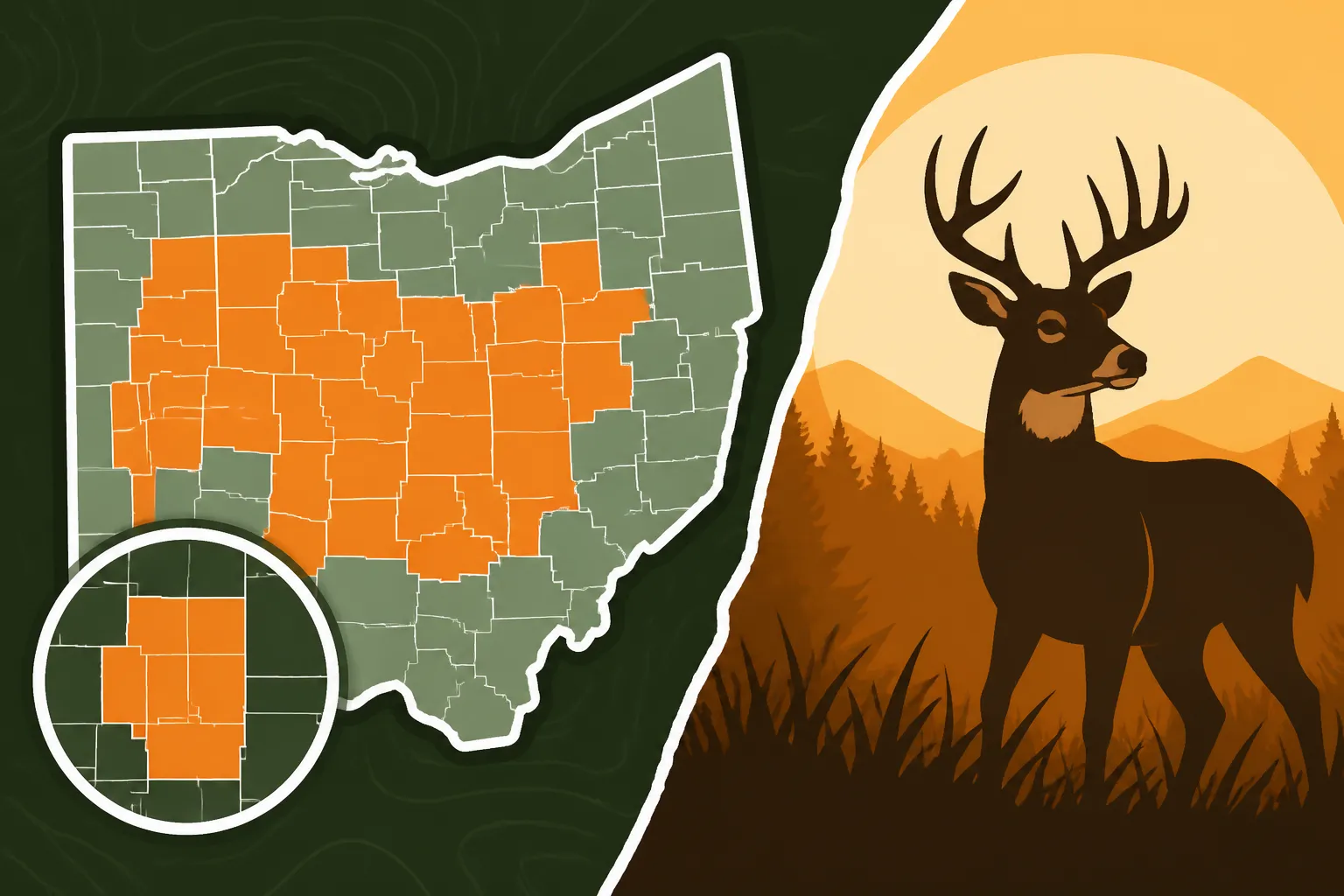
As of the latest updates from the Ohio Department of Natural Resources, the Chronic Wasting Disease Surveillance Area (DSA) encompasses a specific group of counties. It's important to remember that these boundaries are subject to change based on new CWD detections and ongoing surveillance efforts, so always check the ODNR's official website for the most current information. However, for practical purposes and as a guide, the counties currently within Ohio's DSA are:
| County Name | DSA Status | Notes |
|---|---|---|
| Wyandot | Core | Site of first wild CWD positive deer. |
| Hardin | Adjacent | Shares borders with Wyandot. |
| Marion | Adjacent | Shares borders with Wyandot. |
| Crawford | Adjacent | Shares borders with Wyandot. |
| Hancock | Adjacent | Shares borders with Wyandot and Hardin. |
| Seneca | Adjacent | Shares borders with Wyandot and Crawford. |
| Union | Adjacent | Shares borders with Marion and Hardin. |
| Logan | Adjacent | Shares borders with Hardin and Union. |
This list represents the counties where CWD surveillance is most intensive, and where specific hunting regulations related to CWD are enforced. If you plan to hunt in any of these areas, it's absolutely essential to be aware of the rules. The GoHunt app can be a handy tool for cross-referencing these areas with public land access and local regulations, though the ODNR website remains the authoritative source. For a detailed breakdown of where these counties are and why they are included, you can consult our article, Which Counties Sit Inside the Ohio DSA.
Understanding the "Buffer" Counties
Beyond the officially designated DSA counties, there are also what we might call "buffer" counties. These are counties that directly border the DSA, but aren't currently part of it. While they don't always have the same mandatory regulations as those inside the DSA, they are areas of heightened vigilance. Think of them as the next line of defense, where ODNR wildlife biologists and technicians are keeping an extra close eye on things.
The reason for this increased attention in buffer counties is simple: deer move. A deer harvested just outside the DSA might have traveled from within it, potentially carrying the disease. Therefore, even if you're hunting in a county adjacent to the DSA, it's wise to be aware of the proximity and understand that voluntary testing might be encouraged, or regulations could change quickly if a new positive case is detected nearby. Staying informed by regularly checking ODNR updates is crucial. We’ve explored this further in Which Counties Border the Ohio DSA, which delves into how these adjacent areas are monitored.
Implications for Hunters Inside the DSA
Hunting within Ohio's CWD Surveillance Area isn't just business as usual. There are specific regulations and recommendations you absolutely need to follow to do your part in managing this disease and to ensure your hunt is legal and responsible.
Mandatory CWD Testing Requirements
One of the most significant changes for hunters in the DSA is the implementation of mandatory CWD testing for harvested deer, especially during specific periods. Typically, this includes the opening weekend of the statewide gun deer season, and sometimes other select dates. If you harvest a deer in a DSA county during these mandatory testing windows, you are required to take the deer's head (with at least four inches of neck attached) to an official ODNR CWD sampling station.
These sampling stations can range from staffed check stations to convenient self-serve kiosks. At a self-serve kiosk, you'll typically be asked to fill out some information and then deposit the head into a designated freezer. It's a straightforward process, but it's vital to comply. This testing provides the ODNR with critical data on CWD prevalence and helps track the disease's spread. Knowing the Mandatory CWD Testing Windows in the DSA ahead of time is key for planning. For step-by-step instructions on submitting a sample, read our guide on Submitting a Deer Head at a Sampling Kiosk.
Carcass Movement Restrictions
Another critical regulation within the DSA concerns the movement of deer carcasses. To prevent the further spread of CWD prions, there are strict rules about what parts of a deer can be transported out of a DSA county. Generally, the skull cap (with antlers attached), boned-out meat, hide, and clean-cut antlers are allowed to leave the DSA. However, whole carcasses, or certain parts like the brain, spinal cord, and lymph nodes (which are the areas where CWD prions concentrate), cannot be removed from the DSA.
This means if you harvest a deer in a DSA county, you'll likely need to process it within that county or at a commercial processor located within the DSA. This can be a major logistical consideration, especially if you're traveling from outside the area. It requires planning for field dressing, potentially quartering the animal, and having the right cooler capacity if you're doing it yourself. Familiarizing yourself with Ohio Carcass Movement Restrictions is essential to avoid any legal issues or unintentional disease spread. It’s better to be prepared with the right processing tools, whether it’s a good boning knife or a portable saw, than to be caught off guard.
Hunting Regulations and Permit Considerations
Beyond testing and carcass movement, there can be other specific hunting regulations that apply only within the DSA. One notable example is the early gun season that exists specifically within the DSA counties. This additional hunting opportunity is designed to help manage deer populations and increase the chances for hunters to harvest deer, thereby providing more samples for CWD testing. This isn't just a bonus hunting week; it's a strategic tool in the ODNR's CWD management plan. Our article, Why the Early Gun Season Exists in the DSA, offers a detailed explanation.
Furthermore, permit usage can sometimes vary. In areas with high deer densities or specific management goals related to CWD, there might be greater availability of Ohio Deer Management Permits, allowing hunters to harvest additional antlerless deer. Always check the latest hunting digests and ODNR proclamations for specific regulations related to antler point restrictions (or lack thereof in certain DSA areas), bag limits, and any other special rules that apply within these designated zones. Compliance is not just about avoiding a fine; it’s about being a responsible steward of Ohio’s deer herd.
Staying Informed and Planning Your Hunt
The dynamic nature of CWD and its associated regulations means that staying up-to-date is just as important as knowing the current rules. As hunters, we have a responsibility to be informed and to help the ODNR in their efforts.
Utilizing ODNR Resources
The Ohio Department of Natural Resources is your single best source for the most accurate and current information regarding CWD and the DSA. Their website (wildohio.gov) is regularly updated with news releases, detailed maps of the DSA, specific testing requirements, and sampling station locations. Before heading out, especially if you plan to hunt in or near any of the affected counties, make it a habit to visit their site.
Beyond the website, the ODNR also offers excellent digital tools. The Using the Ohio HuntFish App is incredibly helpful, providing access to regulations, license purchasing, and often interactive maps that can show public lands and even CWD sampling station locations. These resources are designed to make it easier for hunters to comply and stay informed, removing the guesswork so you can focus on the hunt. They even have detailed information on Ohio CWD Sampling Station Locations which is crucial for those mandatory testing periods.
Planning Your Hunt with CWD in Mind
When you’re planning a hunt in a DSA county, or even a neighboring one, it’s a good idea to add CWD considerations to your checklist. This goes beyond just knowing the dates and bag limits. Think about logistics:
- Pre-Scouting: Use tools like GoHunt, which often integrates public land boundaries and specific regulations, to scout potential areas. Look for easy access to a CWD sampling station.
- Gear Preparation: Ensure you have the necessary items for processing a deer in the field, if required. This might include game bags, a good knife, and a saw if you plan to bone out the animal on site.
- Cooler Capacity: If you're successful, you'll need adequate cooler space, especially for boned-out meat, if you're staying within the DSA for processing.
- Transportation: Be mindful of the carcass movement restrictions. Plan how you'll get your deer from the field to a processor or to a home processing setup within the DSA.
- Safety First: Remember, even with CWD concerns, general hunting safety remains paramount. Always wear your blaze orange during gun seasons, especially if you're hunting public land.
By incorporating these CWD-specific planning steps, you're not just complying with regulations; you're actively contributing to the health of Ohio's deer herd and the future of hunting in our state. And should you harvest a deer, knowing how to handle the venison safely, as detailed in our guide on Handling Venison From a DSA County Safely, is the final, crucial step for responsible hunting in these areas.
Disclaimer
Please remember that hunting regulations, including those pertaining to Chronic Wasting Disease Surveillance Areas, can change. Always consult the official Ohio Department of Natural Resources (ODNR) website and the current hunting and trapping regulations digest for the most up-to-date and accurate information before planning and engaging in any hunting activities. This article is intended for informational purposes only and should not be considered legal advice.