Ohio Deer Checking and Reporting Rules
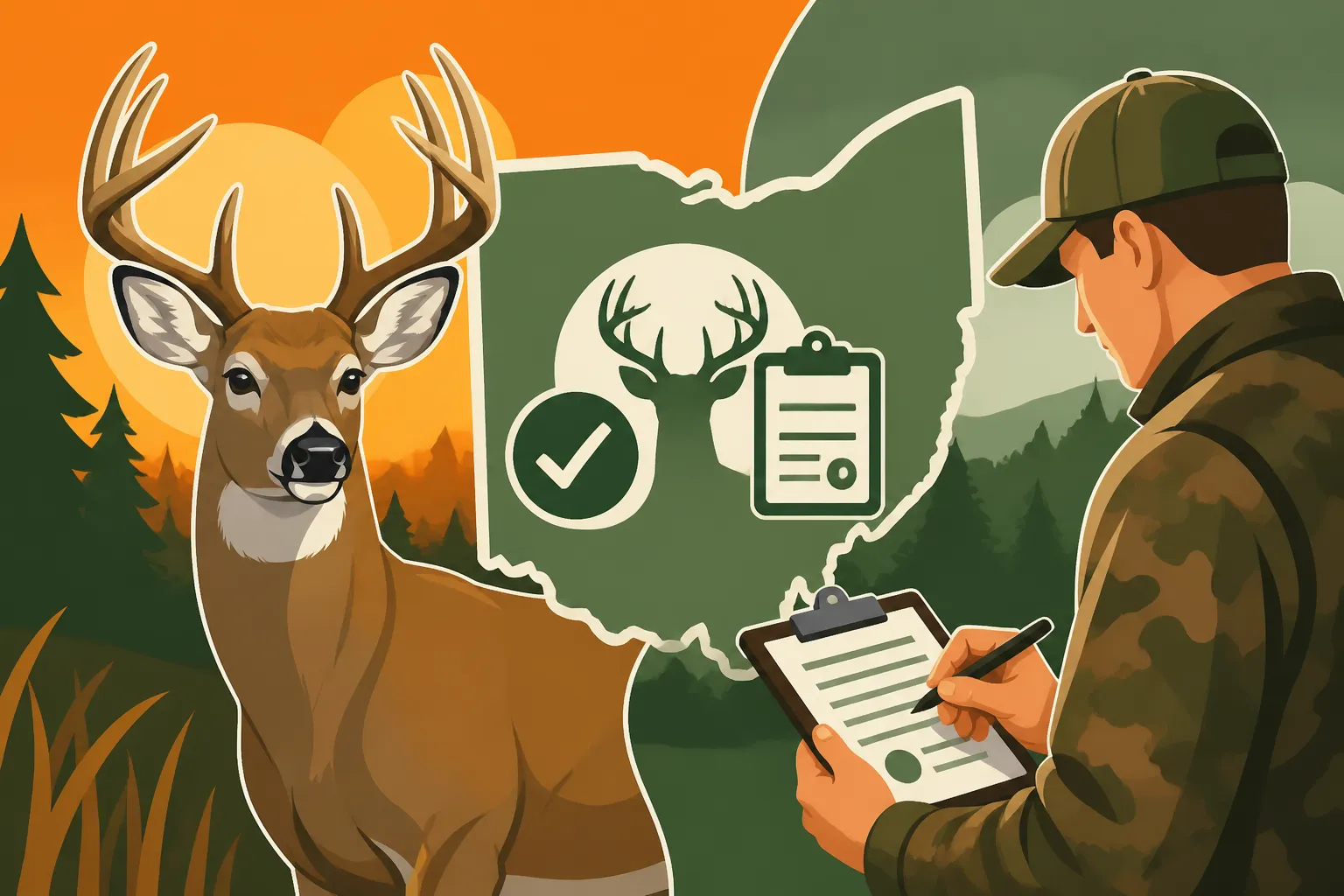
There's nothing quite like the rush of finally tagging a deer after all the scouting, early mornings, and cold sits. You've done the hard part – made the shot, found your deer, and probably celebrated a little. But then reality sets in: what now? The paperwork side of hunting in Ohio, specifically checking and reporting your deer, can feel like navigating a maze, and nobody wants a wildlife officer knocking on their door because of a technicality. This guide is here to untangle all the rules and requirements for properly checking your Ohio deer, ensuring your hard-earned harvest is legal and contributes to sound wildlife management.
Why Checking Your Deer is Absolutely Essential in Ohio
I know, I know. After the adrenaline dump, the last thing you want to do is futz with an app or a phone call. But checking your deer isn't just a bureaucratic hurdle; it's a critical step that benefits every hunter in the state. Ignoring it isn't just breaking the law, it undermines the very foundations of responsible wildlife stewardship that we all rely on.
Understanding the Purpose of Mandatory Reporting
Think of every deer check-in as a piece of a giant puzzle. When you report your harvest, you're providing vital data to the Ohio Department of Natural Resources (ODNR). This information helps them paint a comprehensive picture of the deer herd's health and population trends across the state. They use this data to:
- Estimate Population Numbers: By comparing harvest numbers to previous years and other metrics, ODNR biologists can estimate the overall health and size of the white-tailed deer population in various regions. This is how they determine if the herd is growing, shrinking, or stable. Want to know more about how they figure all this out? Check out How ODNR Counts Ohio's Deer Herd.
- Track Disease Spread: Especially with concerns like Chronic Wasting Disease (CWD), knowing where and when deer are harvested can help identify potential disease hotspots and monitor its spread.
- Inform Future Season Regulations: The data collected directly influences decisions about future hunting seasons, bag limits, and specific regulations like whether a county has unlimited Ohio Deer Management Permits or restrictions on antlerless deer. It ensures that hunting remains sustainable and balanced for everyone.
- Gauge Hunting Pressure: Information about weapon types and harvest dates can help gauge hunting pressure in different areas, allowing the ODNR to make informed decisions about public land management or special hunt allocations.
Without accurate, timely reporting from hunters like us, the ODNR would be flying blind, making it much harder to manage our incredible deer resource effectively.
The Consequences of Skipping the Check-In
Let's be blunt: not checking your deer is a serious offense, and the consequences are far from minor. It's not worth the risk, especially when the process is fairly straightforward.
- Legal Penalties: If you're caught with an unchecked deer, you could face significant fines, court costs, and even have your hunting license revoked for a period. This means no more deer hunting for you, potentially for several years. Imagine missing out on prime hunting seasons because of a simple oversight! Wildlife officers are diligent, and they have ways of knowing what's going on out there.
- Impact on Wildlife Management: Beyond the personal legal trouble, skipping your check-in directly harms the collective effort to manage Ohio's deer. Your unreported deer is a missing piece of data, leading to less accurate population estimates and potentially flawed management decisions. If enough hunters fail to report, it could lead to stricter regulations down the road, impacting everyone's hunting opportunities. It’s a collective responsibility we all share.
The Ohio Deer Checking System: Your Options
Gone are the days when every small town had a dedicated check station at the gas station or bait shop. While those were a part of hunting tradition for many of us, technology has streamlined the process significantly. Ohio primarily uses two methods for deer check-in, with a few special cases.
Checking Online Through the Wild Ohio Customer Center
This is by far the most popular and often the most convenient method for checking your deer, especially if you have cell service or a Wi-Fi connection.
- Step-by-Step Online Process:
- Access the Portal: Head to the Wild Ohio Customer Center website (wildohio.gov) on your smartphone, tablet, or computer.
- Log In: You’ll need your customer ID, which is usually printed on your hunting license or permit. If you don't have an account, you'll need to create one, linking it to your license information.
- Initiate Harvest Report: Look for the "Report a Harvest" or similar option.
- Enter Permit Details: Input the specific deer permit number you used for the harvest. This is crucial for verifying your legal tag.
- Provide Harvest Information: This is where you'll input all the details about your deer:
- Date and approximate time of harvest.
- County and township where the deer was taken.
- Weapon used (archery, crossbow, shotgun, muzzleloader, straight-wall rifle, handgun).
- Sex of the deer (buck or doe).
- Number of antler points (if it was an antlered deer).
- Review and Submit: Double-check all your entries for accuracy. It’s easy to mix up a township or miscount antler points in the excitement.
- Receive Confirmation Number: Once submitted, you'll get a unique confirmation number. This is critically important! Write it down, screenshot it, email it to yourself – whatever you do, do not lose it. This number serves as your official proof of check-in and replaces the old physical tag system.
- Common Issues and Solutions:
- No Cell Service: This is a big one, especially if you're hunting deep in public lands like Wayne National Forest or Shawnee State Forest. If you know you'll be in an area with spotty service, plan ahead. Many hunters use apps like GoHunt to scout and plan their trips, and these apps can also help you mark your location for later reporting. You might need to drive to a location with service or wait until you get home to check in. Remember, the deer must be tagged immediately, but you have until noon the day after harvest to complete the online or phone check-in.
- Technical Glitches: Websites can be finicky. If you're having trouble, try a different browser, clear your cache, or switch to the phone system.
- Incorrect Information: Take your time. It’s far better to be accurate than fast. If you realize you made a mistake after submitting, you'll need to contact the ODNR district office to correct it, which is an unnecessary headache.
Checking Via Phone with the Automated System
For those who prefer a voice interface or find themselves in an area with unreliable internet but still manage a phone signal, the automated phone system is a solid backup.
- How the Phone System Works:
- Dial the Number: Call 1-877-TAG-IT-OH (1-877-824-4864).
- Follow Prompts: An automated voice will guide you through the process, asking for the same information required for the online check-in: your customer ID, permit number, harvest date, county, township, weapon, sex, and antler points.
- Speak Clearly: Make sure you speak clearly, especially when stating numbers or county/township names, to avoid errors.
- Record Confirmation: Just like online, you'll receive a confirmation number at the end of the call. Write it down immediately!
- Pros and Cons:
- Accessibility: Great for areas with limited internet access but decent phone signal. It's often quicker than trying to navigate a slow website on a patchy connection.
- Potential Frustration: Automated systems can be frustrating if you miss a prompt or the system misinterprets your answers. Some hunters find it less intuitive than a visual interface. But for a quick check-in when you're cold and tired, it can be a lifesaver.
The Evolution from Physical Check Stations
Many veteran Ohio hunters remember the days of taking their deer to a local meat locker or sporting goods store that served as an official check station. It was a community event, a chance to show off your harvest, and get some firsthand intel on what other hunters were seeing.
- Why They Phased Out: The move away from mandatory physical check stations was largely driven by efficiency and data collection. The digital systems allow for real-time data input, reducing manual errors and speeding up reporting. It also cut down on overhead for the ODNR and local businesses. While some nostalgia certainly exists for those days, the current system is designed for broad accessibility and accuracy.
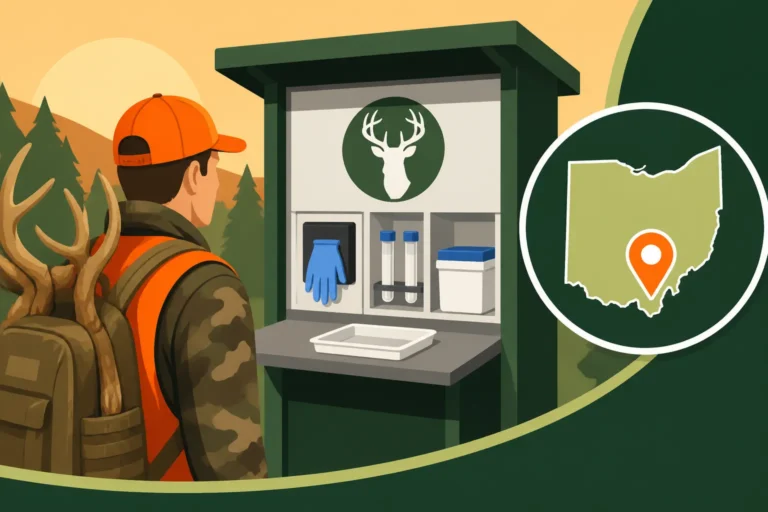
- Where Physical Stations Still Exist: It’s important to note that physical check stations haven't entirely disappeared. In areas designated as a Ohio's Chronic Wasting Disease Surveillance Area (DSA), particularly in counties like Wyandot and Hardin, manned CWD sampling stations or self-serve kiosks are often available, especially during opening weekends of gun season. Even then, you still have to complete the standard online or phone check-in; the CWD station is for disease sampling, not the official harvest report itself. For details on these specific requirements, look into Mandatory Testing on Statewide Gun Opening Weekend.
What You Need to Know Before You Check-In
Preparation is key, not just for the hunt itself, but for the post-harvest process. Knowing these details upfront will save you a lot of grief.
Tagging Your Deer Immediately After Harvest
This is non-negotiable. As soon as you recover your deer, before moving it from the place of kill, it must be visibly tagged.
- The Temporary Tag Requirement: Your deer permit (whether it's a general deer permit or one of your Ohio Deer Management Permits) has a detachable portion designed as a temporary tag. This tag must be filled out legibly with:
- Your name and address.
- Date of harvest.
- Time of harvest.
- Proper Placement: The tag must be securely attached to the deer, typically to an antler if it’s a buck, or through a leg tendon if it’s an antlerless deer. It needs to remain attached until you reach your home or camp and begin processing the animal. This temporary tag allows for transport.
- Time Limits: While you have until noon the day after harvest to complete the official online or phone check-in, the temporary tag must be affixed immediately. Do not move the deer an inch without that tag properly filled out and attached. This is often the first thing a wildlife officer will check if they encounter you transporting a deer.
Required Information for the Check-In Process
Gathering all the necessary details before you start the online or phone process will make it smoother and faster.
| Information Category | Specific Details Needed | Why It's Important |
|---|---|---|
| Hunter Identification | Customer ID (from license/permit) | Links the harvest to your unique hunter profile and permits. |
| Permit Used | Specific Deer Permit Number (e.g., archery permit, antlerless permit) | Verifies legal use of your tags and tracks permit usage. |
| Harvest Details | Date of Harvest | Tracks hunting pressure and population changes over time. |
| Approximate Time of Harvest | Helps ODNR understand deer movement patterns and peak activity. | |
| County of Harvest | Critical for localized population management and disease monitoring. | |
| Township of Harvest | Provides more granular data for hyper-local management decisions. | |
| Deer Details | Sex of Deer (Buck/Doe) | Essential for buck-to-doe ratios and understanding reproductive potential. |
| Number of Antler Points (if antlered, 1 inch or longer) | Helps track buck age structure and antler growth trends. | |
| Weapon Used | Specific Weapon Type (e.g., compound bow, crossbow, shotgun, straight-wall rifle, muzzleloader, handgun) | Informs decisions about weapon-specific hunting opportunities and harvest distribution across seasons. |
- Hypothetical Scenario: Imagine you just dragged a big buck out of a deep ravine in Wayne National Forest. You're exhausted, it's getting dark, and you realize you forgot to jot down the township name. Now you're scrambling, trying to get enough cell signal to pull up a map or remember which specific township you were in. It's a frustrating situation that could be avoided with a quick check on your phone's mapping app (like GoHunt) before heading out, or by taking a quick note immediately after the harvest. The more precise you are, the better the data for the ODNR.
Understanding Antlered vs. Antlerless Designations
This might seem obvious, but there can be nuances, especially with young bucks.
- Antlered Deer: In Ohio, an antlered deer is any deer with an antler at least three inches long, measured from the base to the tip. Even if it's only one antler, if it meets that length requirement, it counts as an antlered deer.
- Antlerless Deer: An antlerless deer is typically a doe, or a buck with antlers less than three inches long (often called a "button buck"). It's crucial to correctly identify these, especially if you're using one of your Ohio Antlerless-Only Permit Rules permits. Sometimes a button buck can fool you, but a quick inspection of the head will usually reveal tiny antler nubs that are less than three inches. Misreporting could lead to a violation, so always double-check.
Special Considerations: CWD, Youth Hunts, and Late Season
Ohio's hunting regulations are pretty comprehensive, and some scenarios require extra attention beyond the standard check-in. It's crucial to be aware of these, especially if you're hunting in a specific area or with a particular group.
Mandatory CWD Testing in Designated Surveillance Areas (DSA)
Chronic Wasting Disease (CWD) is a serious concern for wildlife managers, and Ohio takes it very seriously. If you're hunting in one of the counties designated as a CWD Surveillance Area (DSA), your responsibilities extend beyond the standard check-in.
- What is the DSA and Its Purpose? The DSA is a geographic area where CWD has been detected or is considered a high risk for its spread. The primary goal is to monitor the disease, understand its prevalence, and implement strategies to contain it. For example, Wyandot County, where Ohio's first CWD case was confirmed, has been a focal point. You can learn more about Ohio's Chronic Wasting Disease Surveillance Area to see if your hunting grounds fall within it.
- Mandatory Testing Windows and Locations: If you harvest a deer in the DSA during specific timeframes, typically the opening weekends of the gun seasons, mandatory testing is required. This means you must take your deer (or at least the head) to an official ODNR CWD sampling station or a self-serve kiosk.
- Manned Stations: These are staffed by ODNR personnel who will collect tissue samples from your deer's head. You'll still complete your standard online or phone check-in, but the CWD sample is an additional, critical step.
- Self-Serve Kiosks: Many DSAs have kiosks where you can deposit your deer head. Instructions are usually provided at the kiosk for properly collecting the sample (often involves leaving the head in a designated bin) and ensuring it’s linked to your harvest report. For example, knowing how to approach Submitting a Deer Head at a Sampling Kiosk is crucial. These mandatory testing windows are highly publicized by the ODNR, so keep an eye on their announcements, especially concerning Mandatory Testing on Statewide Gun Opening Weekend.
- Carcass Movement Restrictions: Another critical rule in the DSA involves carcass movement. To prevent the unintentional spread of CWD, there are restrictions on moving certain parts of a deer carcass out of the DSA counties. Generally, only deboned meat, antlers (with no brain tissue attached), hides, and clean skull plates are permitted to leave. Whole carcasses, spinal columns, and other high-risk materials must either be processed within the DSA or disposed of in an approved manner. Always check the latest ODNR regulations for the most up-to-date information on carcass movement restrictions.
Youth Gun Weekend and Apprentice Hunter Rules
Ohio is committed to fostering the next generation of hunters, and youth seasons offer fantastic opportunities. However, specific rules apply, especially concerning supervision and the check-in process.
- Checking for Youth Hunters: During the Hunting the Ohio Youth Gun Weekend, the youth hunter is the permit holder, and their customer ID will be used for the check-in. However, the supervising adult plays a crucial role in guiding them through the process, ensuring all information is accurate, and verifying the harvest details. The adult is ultimately responsible for ensuring the deer is legally checked.
- Apprentice Hunter Rules: The Ohio Apprentice Hunter License Rules allow new hunters, regardless of age, to experience hunting under the direct supervision of a licensed mentor without first completing hunter education. The apprentice hunter is still the one whose permit is used for the harvest. The mentor's role is to ensure the apprentice understands and follows all tagging and checking procedures correctly. This is an excellent opportunity for new hunters to learn the ropes of responsible reporting firsthand. For more on entry requirements, check out Ohio Hunter Education Requirements.
Late Season and Muzzleloader Specifics
Whether you're still chasing a buck during How Ohio's Archery Season Runs Into February or braving the cold for Ohio Muzzleloader Season Dates, the fundamental checking and reporting rules remain consistent. The temporary tag goes on immediately, and the official check-in must happen by noon the day after the harvest.
- Unique Challenges of Late Season: The biggest challenge in late season often revolves around weather and remoteness. Freezing temperatures can make filling out a paper tag difficult with cold hands. Heavy snow might further limit cell service. It's vital to have a plan:
- Waterproof Pen/Marker: Essential for legible tagging in wet or cold conditions.
- Portable Charger: Keep your phone charged for mapping apps (like GoHunt for finding your way and confirming location) and for the online/phone check-in.
- Awareness of Location: Knowing your exact county and township is always important, but particularly when you're bundled up and navigating tricky terrain in the snow.
Common Pitfalls and How to Avoid Them
Even seasoned hunters can make mistakes when it comes to checking in a deer. A little forethought and attention to detail can prevent these common errors.
Incorrectly Recording Harvest Location or Time
This seems minor, but accurate location and time data are incredibly valuable to the ODNR.
- Emphasize Precision: When reporting the county and township, be as precise as possible. Ohio has many townships, and knowing exactly which one your deer came from helps biologists refine their local management strategies. If you're hunting near a county or township line, it's easy to get it wrong.
- Using GPS Tools: This is where modern technology really shines. Before you head into the woods, use a mapping app on your phone, like GoHunt or the official Ohio HuntFish app, to mark your stand location or general hunting area. Immediately after a harvest, mark the exact spot. Most of these apps will tell you the precise coordinates, and often the county and township. This makes reporting much easier and more accurate. Even just taking a photo of the temporary tag with your phone will embed a timestamp and location data that you can reference later.
- Accurate Time for ODNR Data: The time of harvest helps the ODNR understand deer movement patterns throughout the day. Was it a morning deer or an evening deer? This impacts their understanding of deer behavior and helps validate hunting methods. Don't just guess; make a mental note or check your watch immediately.
Losing Your Confirmation Number or License Information
Your confirmation number is your digital "proof of check-in." Without it, proving you legally checked your deer can be a hassle.
- Write It Down Immediately: As soon as the online system provides it or the automated phone system states it, write that number down in a dedicated hunting journal, on a piece of waterproof paper, or even on the back of your license.
- Take Screenshots: If you're checking online, take a screenshot of the confirmation screen. This provides a visual record with the date and time.
- Email It to Yourself: Some online systems offer the option to email the confirmation. Always take advantage of this.
- Keep License Info Accessible: Your customer ID and permit numbers are needed for every check-in. Keep your physical license and permits in a secure, waterproof place. Many states, including Ohio, allow you to carry digital proof of your license on your phone, but it's always wise to have a physical backup, especially if your phone battery dies or gets wet. For full details on Ohio's various permits, check out Ohio Deer Season Structure Explained.
Misidentifying Deer Species or Sex
While most hunters can easily distinguish between a mature buck and a doe, mistakes can happen, especially with button bucks or if you're hunting in low light.
- Reinforce Careful Identification: Take a moment to thoroughly inspect your harvested deer.
- Antler Points: For antlered deer, ensure you accurately count all points that are at least one inch long. This is important for tracking buck age structure and record-keeping.
- Button Bucks: These young males have antler pedicels (the base from which antlers grow) that protrude from their skull, often with small "buttons" that haven't grown into antlers. From a distance, they might look like does. However, up close, you'll see the distinct nubs. If you accidentally take a button buck while intending to take a doe with an antlerless permit, you must report it as a button buck (antlered with 0 points under the 3-inch rule) and it will consume one of your antlered deer opportunities.
- Doe vs. Spike: Be certain it's a doe if you're using an antlerless permit.
- Impact of Misidentification: Misreporting the sex or antler points can skew ODNR data. More seriously, if you misidentify a buck as a doe and use an antlerless-only permit in an area or during a time when only antlered deer are legal, it's a violation. Always be certain of your target before you shoot and double-check after the harvest.
Disclaimer
This guide is intended for informational purposes only and does not constitute legal advice. While we strive to provide accurate and up-to-date information, hunting regulations can change. It is the individual hunter's responsibility to consult the most current Ohio Department of Natural Resources (ODNR) hunting regulations and laws before engaging in any hunting activity. Failure to do so may result in legal penalties.