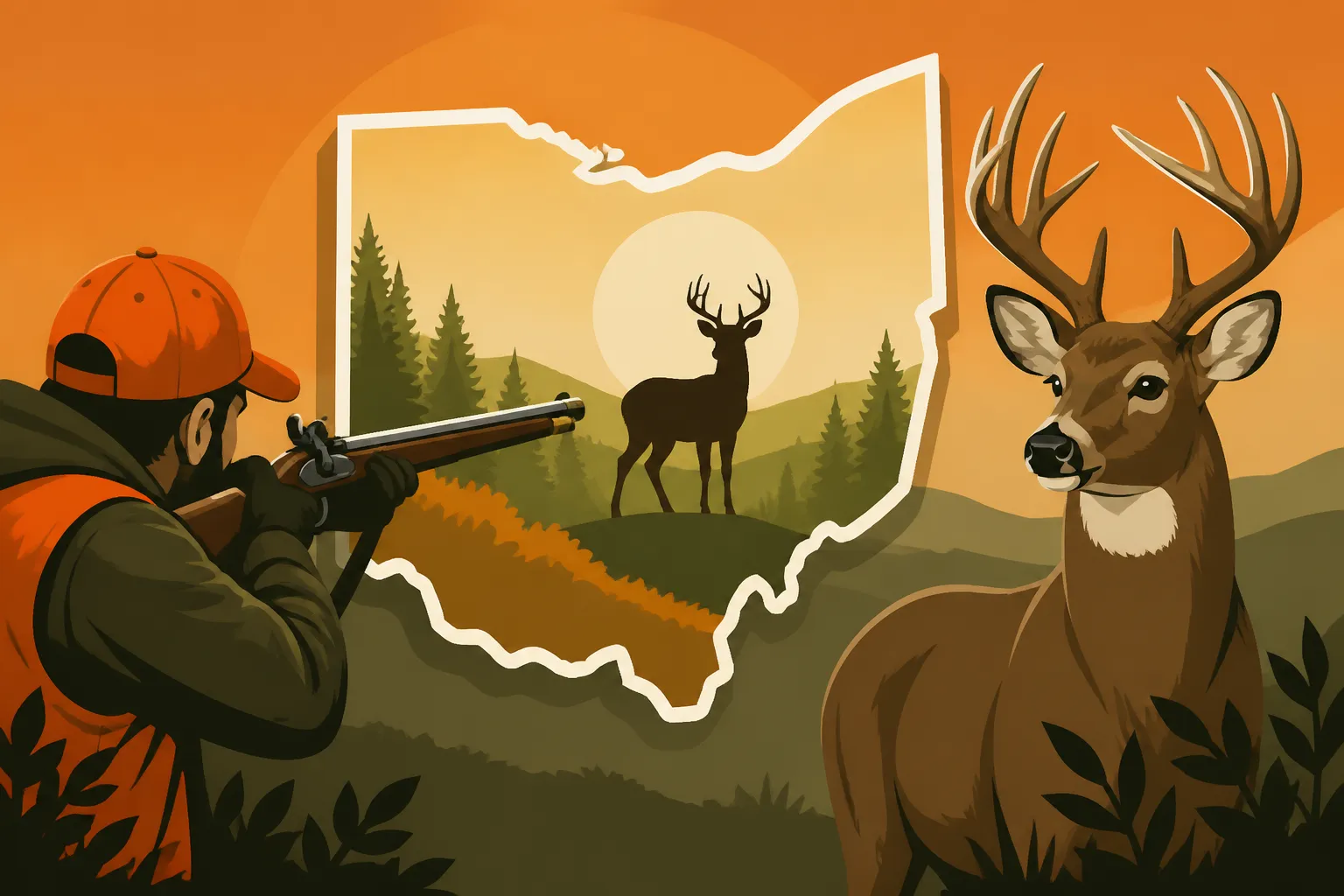
Ohio Muzzleloader Season Structure
For many Ohio deer hunters, the end of the regular firearms season brings a familiar mix of relief and melancholy. Relief from the intense pressure, but melancholy knowing the prime opportunities have passed. Yet, for those willing to embrace the challenge and tradition, Ohio's dedicated muzzleloader season offers a fantastic, often overlooked, chance to extend your time in the deer woods. This guide aims to demystify the rules, strategies, and unique aspects of muzzleloader hunting in the Buckeye State, ensuring you're fully prepared to chase whitetails with black powder.
Understanding Ohio's Muzzleloader Season: A Unique Challenge
The muzzleloader season in Ohio isn't just a placeholder; it's a distinct opportunity for hunters who appreciate a blend of tradition, skill, and an extended chance to fill their tags. After the hustle and bustle of the statewide gun seasons, the woods take on a different character, and so too does the hunt. It's a chance to slow down, embrace the elements, and connect with a more primitive hunting style that many find incredibly rewarding.
The Appeal of Black Powder Hunting
There's something inherently special about loading a firearm from the muzzle. It demands a level of care, patience, and attention to detail that modern cartridge rifles often don't. For many, it's a nostalgic nod to hunting heritage, a chance to step back in time and experience deer hunting as our ancestors might have. The "thump" of a black powder charge igniting, the cloud of smoke, and the anticipation of a single shot all add to the allure. This isn't about rapid-fire follow-ups; it's about making that first shot count, every single time. It's a game of precision, patience, and mastering the fundamentals. Plus, it extends your deer season well into January, long after most other firearms hunters have packed up for the year. Imagine harvesting a buck or doe during a crisp, snowy Ohio January – that's a memory you won't soon forget. It offers a quieter, less crowded experience on public lands compared to the opening weekends of gun season, allowing for a more immersive experience in the often-chilling landscape.
Historical Context and Evolution
The concept of a separate muzzleloader season in Ohio wasn't always a given. Initially, deer hunting was heavily restricted to shotguns, and muzzleloaders were eventually integrated as a primitive weapons option. Over time, as deer populations rebounded and hunting pressure increased, the Ohio Department of Natural Resources (ODNR) recognized the value of a dedicated season. This season not only honored a traditional form of hunting but also served as a tool for deer management, allowing for continued harvest opportunities into the late season. The modern rules, which permit both traditional flintlock and percussion caps alongside more contemporary in-line muzzleloaders, reflect an evolution to balance tradition with accessibility and effectiveness. It's a season that has adapted to include different preferences while maintaining the core challenge of single-shot, muzzle-loaded firearms. This evolution has also kept abreast of new technologies, ensuring that hunters can utilize reliable and safe equipment while still adhering to the spirit of black powder hunting.
Key Dates and Geographic Structure for Muzzleloader Hunters
Understanding when and where you can hunt with a muzzleloader is paramount to planning a successful late-season hunt. Ohio's hunting seasons are meticulously structured, and the muzzleloader season has its specific window designed to offer opportunities while managing the herd.
Statewide Season Dates
Ohio's muzzleloader season typically runs for a specific week in early January. For the 2023-2024 season, for instance, the statewide muzzleloader season ran from Saturday, January 6th, through Tuesday, January 9th. It's a relatively short window, making careful planning and readiness essential. These dates are consistent statewide, meaning there are no zone-specific variations for this particular season, unlike some other hunting opportunities in Ohio. You’ll definitely want to check the current year’s digest released by the ODNR to confirm the exact dates, as they can shift slightly from year to year. Knowing the precise dates for Ohio Muzzleloader Season Dates is the first step in mapping out your hunt. This concise, intense period often means hunters need to be prepared to hunt regardless of weather conditions, which can range from mild and rainy to bitterly cold and snowy in January. The season's brevity also underscores the importance of pre-season scouting, so you're not wasting valuable hunting days trying to locate deer.
Overlap with Other Seasons
While the muzzleloader season has its dedicated slot, it's crucial to understand how it interfaces with other ongoing hunting opportunities. Most notably, the statewide archery season in Ohio extends all the way into February, typically closing the first Sunday of the month. This means that during the muzzleloader season, you’ll also find archery hunters in the woods. This overlap can present both challenges and opportunities. On one hand, it means more hunters might be out, especially on public land. On the other, the presence of archery hunters, who often move through the woods quietly, can sometimes push deer around, potentially leading to encounters you might not have otherwise had.
Another significant consideration is the potential for an early gun season within the Chronic Wasting Disease (CWD) Surveillance Area (DSA). While the main two-weekend gun season is typically over by mid-December, certain areas designated as a DSA might have additional hunting dates earlier in the year to help manage deer populations and CWD spread. However, the dedicated muzzleloader season itself is generally a standalone period in January. It is vital to consult the current regulations for Ohio's Chronic Wasting Disease Surveillance Area to see if any special rules or season overlaps apply to you, particularly if you plan to hunt in counties like Wyandot, Marion, or Hardin, which have been part of the DSA. Hunters need to be aware of all active seasons and carry the appropriate licenses and adhere to weapon-specific regulations, ensuring they remain legal and safe.
Navigating Muzzleloader Equipment and Ammunition Regulations
Hunting with a muzzleloader in Ohio isn't just about showing up with any old black powder rifle. The state has specific regulations concerning the types of firearms, ammunition, and even optics that are permissible during the dedicated muzzleloader season. Adhering to these rules is crucial for a legal and ethical hunt.
Legal Muzzleloader Types
Ohio law is quite clear on what constitutes a legal muzzleloader for deer hunting. You can use a muzzleloading rifle or shotgun, provided it is loaded from the muzzle and uses a single projectile. This means both traditional flintlock and percussion cap rifles are allowed, as are more modern in-line muzzleloaders. The key differentiator is the loading mechanism – everything goes in from the front of the barrel. Caliber-wise, muzzleloading rifles must be at least .45 caliber, and muzzleloading shotguns must be 10-gauge or smaller. This gives hunters a good range of options, from classic .50 caliber "smoke poles" to high-tech .45 or .50 caliber in-line rifles.
The choice between a traditional flintlock or percussion and an in-line often comes down to personal preference and hunting style. Flintlocks offer the ultimate challenge and historical authenticity, but they can be more finicky in wet or cold weather. Percussion caps are a bit more reliable, while modern in-lines offer significantly improved reliability, accuracy, and ease of use, often resembling modern rifles in their handling characteristics. They also tend to be more resistant to moisture, which is a major advantage when hunting in January's unpredictable Ohio weather. Regardless of your choice, ensuring your specific firearm meets Muzzleloaders Under Ohio Rules is non-negotiable before you head to the woods.
Ammunition and Projectile Rules
Just like the firearms themselves, the projectiles and powder used in muzzleloaders are subject to regulation. For deer hunting, Ohio requires the use of a single projectile. This means no buckshot or birdshot in a muzzleloading shotgun, and for rifles, it refers to a single bullet or sabot. Saboted bullets, which are smaller diameter projectiles encased in a plastic sleeve that falls away after leaving the muzzle, are incredibly popular for their improved accuracy and ballistics. Traditional patched round balls or conical bullets (like PowerBelts or Hornady FPBs) are also perfectly legal and effective choices.
When it comes to powder, both black powder and black powder substitutes (like Pyrodex or Triple Seven) are legal. However, smokeless powder is strictly prohibited in muzzleloaders during Ohio's dedicated muzzleloader season. Always double-check your powder type and ensure it is designed for muzzleloading applications to prevent dangerous situations. It’s also crucial to practice with your chosen load before the season. Different projectiles and powder charges can behave very differently, and understanding your muzzleloader’s effective range and point of impact is critical for making an ethical shot. The reliability and consistency of your chosen ammunition can vary significantly, so don't skimp on practice.
Optics and Sights
This is one area where muzzleloader regulations can sometimes cause confusion, especially for hunters accustomed to modern rifle setups. During Ohio's muzzleloader season, hunters are permitted to use open sights, peep sights, or telescopic sights (scopes). This is a significant advantage, particularly for hunters in varying light conditions or those needing to reach out a bit further, as scopes greatly improve accuracy and target acquisition. Many traditionalists still prefer open or peep sights for the added challenge, but a low-power scope (e.g., 1-4x or 2-7x) can be a real asset, especially in the often-gloomy light of a January morning or late afternoon.
However, electronic sights (like red dots) are also permitted. The flexibility in optics allows hunters to tailor their setup to their individual preferences and the terrain they are hunting. For those hunting in dense cover, a red dot might offer faster target acquisition, while open fields or clear-cuts might benefit from the precision of a magnified scope. The key is that whatever sighting system you choose, it must be legally attached to your muzzleloader and used responsibly. This flexibility ensures that hunters can achieve maximum accuracy, which is paramount when you've only got one shot.
Beyond the Basics: Permits, Checking, and CWD Considerations
Hunting during the muzzleloader season isn't just about your firearm; it involves understanding the necessary permits, the process for checking your harvest, and any special considerations related to Chronic Wasting Disease (CWD) that might affect your hunt or how you handle your deer.
Required Licenses and Permits
Before you even step foot in the Ohio woods with a muzzleloader, you need to ensure all your paperwork is in order. First and foremost, you'll need a valid Ohio hunting license. This is the foundation for all hunting activities in the state. Beyond that, to hunt deer, you'll need at least one deer permit. For muzzleloader season, a standard "either-sex" deer permit allows you to harvest an antlered or antlerless deer. Additionally, you can use a "deer management" permit, which is typically for antlerless deer and often available in unlimited quantities in many counties to help manage local populations. Knowing which permit to use and its cost, like the Ohio Muzzleloader Permit Cost, is important.
It’s crucial to understand that these permits are specific to the type of deer you can take. If you’re targeting a buck, your either-sex permit is the ticket. If you’ve already taken an antlered deer with your either-sex permit earlier in the season (say, during archery), you’ll need another either-sex permit or a deer management permit to harvest an antlerless deer during muzzleloader season. Remember that Ohio Deer Management Permits can be a great way to extend your hunting and provide more venison for the freezer. The Ohio hunting license year typically runs from March 1st to the end of February the following year, so ensure your license is current for the January muzzleloader hunt. For non-residents, the process for acquiring licenses is similar but with different fee structures, so it's always wise to check the ODNR website or use a reliable hunting app like GoHunt to confirm all requirements well in advance.
Deer Checking and Reporting
Once you've successfully harvested a deer during the muzzleloader season, the job isn't quite done. Ohio mandates that all harvested deer be checked in. This reporting system is vital for the ODNR to collect data on deer populations, harvest trends, and overall herd health. The good news is that checking your deer is relatively straightforward and can be done online via the Ohio Wildlife Licensing System or by phone. You’ll need to provide information such as the county of harvest, the date, the type of weapon used (muzzleloader in this case), and whether the deer was antlered or antlerless.
The deadline for checking a deer is usually 12:00 PM (noon) the day after the harvest. If you harvest a deer on the last day of the muzzleloader season, you still have until noon the next day to report it. Missing this deadline can result in penalties, so always make it a priority. It's helpful to have your hunting license and deer permit numbers readily accessible when you call or go online. Having all your information ready ensures a smooth and quick check-in process, allowing you to focus on the important task of processing your venison. Remember, accurate data helps the ODNR make informed management decisions that benefit all hunters, so take the reporting seriously.
CWD Impact on Muzzleloader Season
Chronic Wasting Disease (CWD) is a serious concern for deer herds across the country, and Ohio is no exception. While the number of CWD-positive deer in Ohio remains relatively low compared to some other states, the ODNR takes proactive measures to monitor and manage the disease, especially within designated Disease Surveillance Areas (DSAs). If you plan to hunt in a county that falls within Ohio’s DSA during the muzzleloader season, there might be specific rules you need to follow regarding carcass movement and mandatory testing.
The ODNR typically implements mandatory CWD testing for deer harvested in the DSA during opening weekends of various firearms seasons, including an early gun season specific to the DSA. While the January muzzleloader season doesn't always have mandatory testing dates, it's absolutely critical to stay informed. Always check the current year's hunting regulations for any updates regarding CWD testing requirements or carcass movement restrictions, particularly in counties identified as part of the DSA. This might involve submitting a deer head at a sampling kiosk or authorized station. For example, if you harvest a deer in Wyandot County or any other county within the DSA, there may be specific instructions on how to handle the carcass or where to take it for testing. Adhering to these rules helps contain the potential spread of CWD and protects Ohio’s deer herd for future generations. Knowing the specifics about Ohio's Chronic Wasting Disease Surveillance Area is vital for any hunter planning to pursue deer in those regions.
Tactical Advantages and Challenges of Muzzleloader Hunting
Muzzleloader season, occurring in January, presents a distinct set of conditions that can be both advantageous and challenging for the hunter. The colder weather, potential for snow, and reduced foliage all play a significant role in how deer behave and how hunters need to adapt their strategies.
Late-Season Food Sources
By January, the landscape of Ohio has dramatically changed. Most agricultural crops have been harvested, natural browse has been heavily utilized, and acorns, if they were abundant, are likely scarce or buried under snow. This scarcity of food means that deer patterns often become highly predictable. They are primarily focused on finding reliable food sources to sustain them through the harsh winter months. This can be a huge advantage for muzzleloader hunters.
Prime late-season food sources typically include standing crops that farmers might have left unharvested, such as corn or soybeans. Brassicas and other food plot crops, if planted by landowners, can also be major draws. Additionally, deer will often seek out browse from young woody plants, evergreen thickets, or areas with persistent mast, like certain oak species that drop acorns later or hold them longer. Identifying these critical food sources through scouting is paramount. Deer will often bed close to these areas and move to them during daylight hours to feed, especially as temperatures drop. Focusing your hunting efforts on funnel points between bedding areas and these late-season food sources, particularly in the afternoons, can increase your chances of success. Understanding Late-Season Food Sources for Ohio Whitetails is probably the single most important tactical adjustment for January hunting. Using platforms like GoHunt can help identify potential agricultural fields or habitat types where these food sources might be found.
Weathering the Winter Elements
Hunting in January often means facing Ohio's full winter fury. You could encounter anything from freezing rain and sleet to heavy snowfall and bitterly cold temperatures. These conditions pose significant challenges for both hunter and equipment. Staying warm, dry, and comfortable is essential for safety and for maintaining focus. Layering clothing is key, utilizing moisture-wicking base layers, insulating middle layers (like fleece or down), and a waterproof/windproof outer shell. Insulated boots, hand warmers, and a good quality thermos with a hot beverage can make a long sit much more tolerable.
For muzzleloaders specifically, wet and cold weather can be a real nemesis. Black powder and even many substitutes are highly susceptible to moisture, which can lead to misfires. Protecting your muzzleloader from the elements is critical. Using a waterproof cover or umbrella in your stand, or even just keeping a plastic bag over the muzzle and breech while still-hunting, can make a difference. Some hunters apply a light coat of wax or grease around the percussion cap or pan to help seal out moisture. Understanding Keeping a Muzzleloader Dry in Wet Snow is not just a tip; it's a necessity for reliable performance. Additionally, the cold can affect how your muzzleloader shoots, so practicing in similar conditions beforehand is highly recommended. These tactical considerations are a crucial part of Muzzleloader Tactics in January Cold.
Hunting Pressure and Public Land
While the muzzleloader season experiences far less pressure than the opening weekends of the statewide gun seasons, it's still a factor, especially on popular public lands. Many dedicated hunters who cherish the extended season or who haven't filled their tags will be out. However, the nature of the pressure is often different. You'll likely encounter fewer large groups conducting deer drives and more solitary hunters still-hunting or sitting in stands.
Deer that have survived multiple hunting seasons are incredibly wary by January. They are experts at avoiding human encounters, often becoming largely nocturnal or using the densest cover available during daylight hours. This means that successful muzzleloader hunting on public land often requires getting off the beaten path. Look for areas that are difficult to access, steep ravines, or thick bedding areas that other hunters might overlook. Paying attention to fresh sign in these overlooked spots, and being willing to put in the effort to reach them, can yield surprising results. Remember that deer are still moving and need to feed, but their tolerance for disturbance is at an all-time low. Therefore, stealth, patience, and a deep understanding of deer behavior are more important than ever. For those wondering about the broader context, understanding the entire Ohio Deer Season Structure Explained helps place the muzzleloader season into perspective relative to other high-pressure periods.
Making the Most of Your Ohio Muzzleloader Opportunity
The short, intense window of Ohio's muzzleloader season demands thoughtful preparation and an ethical approach. It's not just about taking a deer; it's about the entire experience, from the scouting to the shot, and beyond.
Preparation is Key
Success during the muzzleloader season isn't born in January; it's built in the months leading up to it. Pre-season scouting is absolutely crucial. By the time January rolls around, deer patterns will be heavily influenced by food availability, bedding cover, and pressure. If you can scout after the regular gun seasons, you can identify late-season food sources that deer are currently utilizing, fresh tracks in the snow, and well-used trails leading to and from bedding areas. Don't underestimate the power of simply walking the woods and looking for sign. Utilizing mapping tools, perhaps even those found on platforms like GoHunt, can help you pinpoint promising areas before you ever set foot on the ground. This kind of Scouting Ohio Public Land Before Season is invaluable, especially as deer shift their patterns.
Beyond scouting, range time with your muzzleloader is non-negotiable. Get to know your firearm, its effective range, and how different powder charges or projectiles perform. Practice shooting from various positions you might encounter in the field, not just from a bench rest. Confirm your zero, understand your bullet drop, and practice quick, deliberate loading and firing cycles. The more confident you are with your equipment, the more likely you are to make a clean, ethical shot when the opportunity arises. Finally, a thorough gear check is essential. Ensure your cold-weather clothing is in good repair, your optics are clear, your knife is sharp, and you have all necessary accessories like powder, caps, and cleaning supplies ready to go. Nothing ruins a hunt faster than forgotten or malfunctioning gear in freezing temperatures.
Conservation and Ethical Considerations
Hunting with a muzzleloader, like all forms of hunting, comes with a deep responsibility towards conservation and ethical conduct. During the muzzleloader season, given the late timing and potentially harsh weather, these considerations take on added weight. Ethical shot placement is paramount. With a single-shot firearm, there's no opportunity for a quick follow-up. Practice until you are confident in making a lethal shot within your effective range. Resist the urge to take a shot you're not absolutely sure of, especially as light fades or conditions worsen.
Game recovery can also be more challenging in January. Snow cover can sometimes aid in tracking, but falling snow or icy conditions can quickly obscure a blood trail. If you make a shot, give the deer ample time before tracking, especially if the shot wasn't ideal. The cold weather can work in your favor for preserving venison, but a prolonged track in harsh conditions puts both you and the animal at risk. Always be prepared for a difficult recovery, carrying a good flashlight (even during daylight hours), flagging tape, and a compass or GPS. Learning about Field Dressing a Deer in Cold Weather is also critical to ensure your hard-earned venison is properly cared for. Respecting the animal, the land, and fellow hunters by following all regulations and exhibiting responsible behavior is the hallmark of a true sportsman, regardless of the weapon used. Don't forget that your license and permit fees contribute directly to wildlife conservation efforts in Ohio, making every ethical harvest a part of a larger, positive impact on the state's natural resources.
| Feature | Muzzleloader Season (Jan) | Archery Season (Late) | Gun Season (Peak) |
|---|---|---|---|
| Typical Dates | Early January (4-5 days) | Oct-Feb | Nov-Dec (Two weekends) |
| Weapon Allowed | Muzzleloading rifles/shotguns (single projectile) | Vertical bows, crossbows | Shotguns, straight-wall rifles, handguns, muzzleloaders |
| Hunter Pressure | Moderate to Low | Moderate | High (especially opening weekend) |
| Deer Behavior | Focused on food, wary, often nocturnal | Focused on rut (early), then food/cover | Highly pressured, seeking thick cover |
| Food Sources | Standing crops, persistent mast, woody browse | Acorns, ag crops, food plots, browse | Acorns, ag crops, food plots |
| Weather Impact | Often severe winter conditions (cold, snow, ice) | Varied (mild fall to cold winter) | Cold, potential snow/rain |
| Permit Usage | Either-sex or Deer Management Permits | Either-sex or Deer Management Permits | Either-sex or Deer Management Permits |
| Optics Permitted | Scopes, peep sights, open sights, electronic sights | Bow sights (pins, rangefinding), scopes (crossbows) | Scopes, open sights, electronic sights |
Disclaimer
Please remember that hunting regulations, season dates, and permit requirements can change from year to year. Always consult the most current Ohio Department of Natural Resources (ODNR) hunting and trapping regulations digest before planning your hunt. This article is intended for informational purposes only and should not be considered a substitute for official legal guidance.