Ohio Archery Season Structure
Oh boy, talk about a season that gets your heart thumping and your bow arm twitching! If you're anything like me, the anticipation for Ohio's archery deer season starts building the moment the last snowflakes melt. But let's be real, navigating all the rules and understanding the flow of this incredibly long season can feel like trying to track a buck through a dense briar patch. That's why I've put together this comprehensive guide, so you can truly understand the ins and outs of Ohio's archery season structure and make the most of every precious minute in the woods.
The Sprawling Timeline of Ohio's Archery Deer Season
There’s really nothing quite like the Ohio archery season. It's a marathon, not a sprint, and that's precisely what makes it so special for us bowhunters. While other seasons come and go in a blink, our time in the deer woods stretches for months, offering a tapestry of experiences from crisp fall mornings to bitter cold winter afternoons.
A Season of Unrivaled Opportunity
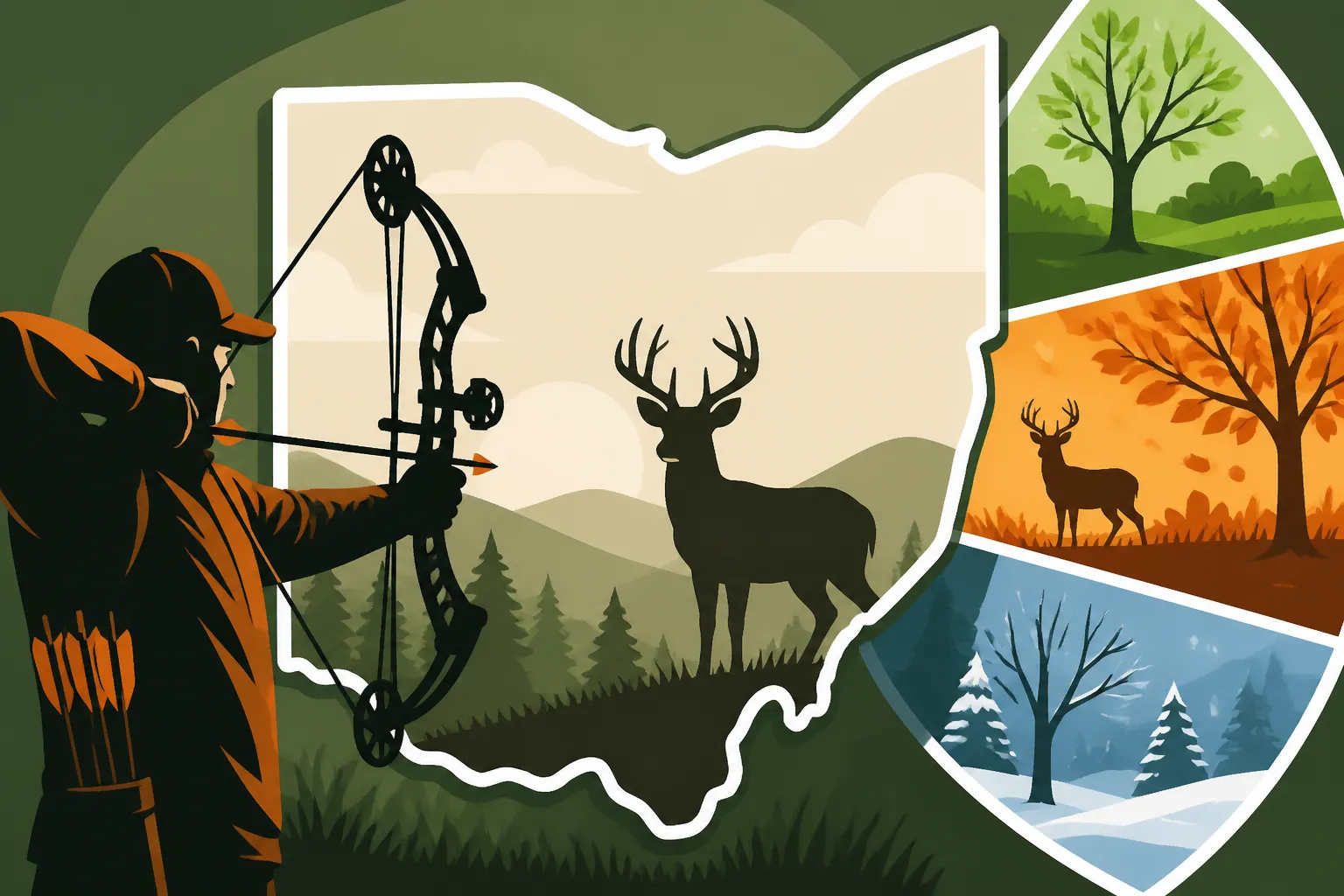
Ohio's archery season kicks off in late September and, for the majority of the state, stretches all the way into early February. Think about that for a moment – we're talking about almost five full months of bowhunting! This incredible generosity from the Ohio Department of Natural Resources (ODNR) gives us an unparalleled opportunity to pursue white-tailed deer. It means we're not constantly battling the clock or feeling pressured to take the first deer we see.
This extended timeline is a real game-changer because it allows us to adapt our strategies to various deer behaviors and weather patterns. You're not just limited to one phase of the deer's annual cycle; you get to experience the early-season patterns, the thrilling chaos of the rut, and the challenging but rewarding late-season grind. It truly caters to every type of bowhunter, from those who can only steal a few days to the dedicated souls who practically live in a treestand all fall and winter.
The sheer length of the season also offers incredible flexibility for those of us juggling work, family, and other commitments. If you miss a weekend due to bad weather or personal obligations, it’s not the end of the world. There’s always another opportunity just around the corner, whether you're planning a trip to the sprawling public lands of Wayne National Forest or hoping to gain access to a small woodlot near home. It truly enables a deeper connection with the entire deer hunting experience.
For a deeper dive into making the most of these months, check out our guide on Bowhunting Ohio's Long Archery Season. It really expands on how to approach such a diverse and lengthy season effectively.
Understanding Key Dates and Overlaps
While the season feels endless, knowing the specific opening and closing dates is crucial for planning. Typically, Ohio's archery season opens on the last Saturday of September. This early opener often coincides with some of the most pleasant hunting weather – cool mornings, vibrant foliage, and deer still somewhat on predictable summer patterns. It's a fantastic time to be in the woods, even if the deer are still a bit patterned and nocturnal.
As the season progresses, we move through October into the thrilling weeks of November, which of course brings the peak of the rut. Then, we transition into the challenging but often rewarding late season of December and January. The season officially concludes on the first Sunday in February, meaning you can literally be bowhunting well after New Year's Day. Many hunters, myself included, truly appreciate How Ohio's Archery Season Runs Into February, finding unique success in those colder, later weeks.
It's also important to be aware of how the archery season overlaps with Ohio's other deer seasons. The statewide gun deer season, usually two weekends in late November and early December, can significantly impact deer movement and hunting pressure. The muzzleloader season in January also brings more hunters into the woods. While archery season remains open during these periods, understanding that increased pressure and adapting your tactics accordingly is key to continued success. Always remember to wear your blaze orange during these overlaps if you're on public land or hunting areas where gun hunters might be present.
Gear Regulations: Vertical Bows and Crossbows in Ohio
When it comes to the equipment you can use during Ohio's archery season, the ODNR has clear guidelines for both vertical bows (traditional and compound) and crossbows. This helps ensure fair chase, safety, and ethical harvesting practices. Knowing what's legal and what's not before you head afield is paramount.
Traditional and Compound Bow Requirements
For those of us who prefer the challenge and tradition of vertical bows, the regulations are fairly straightforward. Ohio law dictates that any compound, recurve, or longbow must have a minimum draw weight sufficient to propel an arrow not less than 20 inches in length. While there isn't a specific numerical minimum like 30 or 40 pounds written into the general deer regulations, the spirit of the law implies that your bow must be capable of delivering a humane and ethical kill. Most experienced bowhunters wouldn't consider anything less than 40 pounds for deer, ensuring proper penetration.
Arrows must be tipped with broadheads that have at least two cutting edges, with a minimum cutting diameter of 7/8 of an inch. Both fixed-blade and mechanical (expandable) broadheads are legal, as long as they meet these cutting edge and diameter requirements. It's crucial to ensure your broadheads are razor-sharp; dull blades lead to poor penetration and wounded animals. Practicing with your chosen broadheads is also critical, as they can fly differently than field points.
The art of mastering a vertical bow is a journey that many of us embrace. It requires constant practice, attention to form, and an intimate understanding of shot placement. The reward of harvesting a deer with a vertical bow, particularly after months of preparation, is incredibly satisfying. It’s a testament to skill, patience, and a deep respect for the animal. Even with modern compound bows offering incredible speed and accuracy, the commitment to ethical hunting remains the cornerstone of success.
The Rise and Rules of Crossbow Hunting
For many years, crossbows in Ohio were primarily restricted to hunters with disabilities or during certain controlled hunts. However, that changed significantly, and crossbows are now fully legal for all hunters throughout the entire archery season. This shift dramatically broadened participation in bowhunting, welcoming new hunters, those with physical limitations, and even experienced archers looking for a different challenge or advantage.
Current Ohio regulations for crossbows are quite similar to those for vertical bows regarding broadheads. Crossbow bolts (arrows) must also be at least 20 inches in length, and tipped with broadheads having a minimum of two cutting edges and a cutting diameter of 7/8 of an inch. Again, both fixed and mechanical broadheads meeting these specifications are perfectly legal. The draw weight of a crossbow must also be sufficient to ensure a humane kill, which most commercially available hunting crossbows easily achieve.
The appeal of crossbows is undeniable. They offer a level of accuracy that can be easier for new hunters to achieve, require less physical exertion to hold at full draw, and can extend the effective range for some archers. While they might operate differently, the same principles of ethical shot placement, understanding deer anatomy, and diligent practice apply. Whether you prefer a traditional stick-and-string or a modern crossbow, the goal is always a clean, humane harvest. If you're weighing your options, our piece on Crossbow Versus Vertical Bow in Ohio dives deeper into the pros and cons of each.
Deer Permits and Bag Limits for Archery Hunters
Understanding Ohio's deer permit system and bag limits is absolutely essential for a successful and legal archery season. This can sometimes feel like a puzzle, but once you get the hang of it, you'll be able to plan your hunts strategically. The ODNR manages the deer herd through these regulations, aiming for healthy populations and ample hunting opportunities.
The "One Buck" Rule and Antlered Deer Permits
Here's one of the most important rules to etch into your mind: in Ohio, each hunter is allowed to harvest one antlered deer per license year, regardless of method. This means whether you take a buck with your bow, a shotgun, or a muzzleloader, that's your antlered deer for the season. Once you've checked in your buck, your antlered deer opportunity is fulfilled, and any subsequent deer must be antlerless.
This single-buck limit forces us hunters to make a strategic decision. Do you punch your buck tag on opening weekend for a respectable early-season deer, or do you hold out for that mature wall-hanger during the rut? It adds a layer of excitement and sometimes, a little angst, to the entire season. For instance, if you harvest a small buck with your bow in October, you cannot harvest another antlered deer during the November gun season or January muzzleloader season.
Your antlered deer permit is included when you purchase your annual hunting license and a deer permit. It’s crucial to ensure your deer permit is valid and properly attached to the deer immediately after harvest, according to Ohio's checking and tagging rules. Don't let the excitement of the moment make you forget the legalities; it's easy to overlook when you're caught up in the thrill of success.
Maximizing Opportunities with Antlerless Permits
While the one-buck rule is firm, Ohio provides ample opportunities to harvest additional deer through its antlerless permit system, often referred to as Ohio Deer Management Permits. These permits are specifically for harvesting antlerless deer (does and button bucks) and are typically valid in designated counties or areas, including both public and private lands.
The availability and quantity of these antlerless permits vary by county, reflecting local deer population management goals. In some counties, particularly in the farmland-rich regions, antlerless permits might be unlimited, meaning you can purchase and use as many as you wish, provided you have a valid hunting license and deer permit. In other areas, primarily in the less populated southern and eastern parts of the state, antlerless permits might be restricted to one or two per hunter. These permits are your ticket to filling the freezer, managing local deer populations, and extending your hunting season well beyond just chasing bucks.
I always encourage hunters to utilize these antlerless opportunities. Not only does it provide delicious venison, but it also contributes to a healthy deer herd by helping to balance the buck-to-doe ratio. Before you head out, always double-check the ODNR website or use a tool like the GoHunt app to confirm the specific antlerless permit regulations for the county you plan to hunt. These regulations can change year to year, so staying current is key.
| Permit Type | Deer Type | Limit Per Hunter (Statewide) | Common Usage | Notes |
|---|---|---|---|---|
| Deer Permit | Antlered | One | Fulfills your single antlered deer harvest for the year. | Valid for either an antlered or antlerless deer. Once an antlered deer is harvested, this permit is used. |
| Deer Management Permit | Antlerless | Varies by County | Harvest additional does and button bucks. | Often unlimited in many counties. Helps manage local deer populations and provides additional venison. Must be used for antlerless deer after an antlered deer has been harvested (if you plan to harvest one). Check current ODNR county-specific regulations, which can be found via the GoHunt app. |
| Youth Deer Permit | Antlered/Antlerless | Varies | Specific permits for youth hunters, often with reduced costs or special seasons. | See "Special Considerations for Youth Bowhunters" below. |
Special Considerations for Youth Bowhunters
Ohio is dedicated to fostering the next generation of hunters, and the archery season offers fantastic opportunities for youth to get involved. Young hunters often have specific provisions and allowances to encourage their participation and ensure a safe, positive experience. While the general rules for equipment and deer checking apply, youth hunters (typically those under 18) must adhere to specific supervisory requirements.
Typically, a youth hunter must be accompanied by a licensed adult hunter who is at least 18 years old. This adult mentor isn't just there for supervision; they're crucial for teaching safety, ethics, and the nuances of deer behavior. This mentorship is invaluable, providing real-world experience that complements formal hunter education.
There might also be specific youth deer permits or discounts available, making it more affordable for families to get their kids into the sport. These can sometimes include special youth hunting weekends or extended opportunities. It's always a good idea to check out specific resources like Ohio Youth and Senior License Discounts on the ODNR website, which outlines all the relevant information for young hunters and their mentors. Getting kids into bowhunting can instill patience, a love for nature, and a deep understanding of conservation that lasts a lifetime.
Where to Hang Your Stand: Public and Private Land Strategies
Ohio offers a diverse landscape for bowhunting, from the rugged hills of Appalachia to the sprawling farmlands of the northwest. Understanding where you can hunt and how to approach each type of land is crucial for consistent success during the archery season. Both public and private lands offer unique challenges and rewards.
Public Land Bowhunting Realities and Rewards
Hunting Ohio's public lands with a bow can be both incredibly rewarding and, at times, incredibly frustrating. Areas like Wayne National Forest in the southeast, Shawnee State Forest in the south-central region, and the numerous ODNR Wildlife Areas scattered across the state offer vast tracts of huntable ground. The sheer amount of space is appealing, but it often comes with the challenge of increased hunting pressure.
Successfully bowhunting public land requires extensive scouting, often before the season even begins. You need to be willing to put in the miles, exploring deeper into timber, finding those hidden pockets of cover, and identifying food sources that other hunters might overlook. Using mapping apps like GoHunt (which I find invaluable for its detailed aerial imagery and property line overlays) or the official Ohio HuntFish app can help immensely in identifying promising areas and potential entry/exit routes. Our guide on Scouting Ohio Public Land Before Season is a must-read for anyone looking to gain an edge.
The satisfaction of harvesting a deer on public land, knowing you've outsmarted both the deer and the competition, is truly unmatched. It tests your resolve, your woodsmanship, and your ability to adapt. You might encounter other hunters, especially on weekends, but by focusing on overlooked terrain, leveraging wind and thermals, and pushing a little further than most, you can still find consistent success on Ohio's public grounds.
The Art of Securing Private Land Access
For many Ohio bowhunters, particularly in the prime agricultural regions, gaining access to private land is the holy grail. Less pressure, more predictable deer movement, and often better habitat can make private land bowhunting incredibly productive. However, securing permission isn't always easy, and it often requires a delicate touch and a respectful approach.
My best advice for gaining private land access is to start early and be genuine. Knock on doors, introduce yourself, and respectfully ask if hunting is permitted. Offer to help the landowner with chores, keep an eye on their property, or even share some venison after a successful hunt. Landowners often appreciate knowing who is on their land and that the hunter respects their property. Our detailed article, Getting Private Land Permission in Ohio, offers step-by-step advice on how to approach landowners and build lasting relationships.
Once you gain permission, treat that property like gold. Adhere strictly to any rules the landowner sets, leave no trace, close all gates, and always communicate your hunting plans. A good relationship with a landowner can provide years of fantastic hunting opportunities. In many parts of Ohio, especially the northern and central regions where agriculture dominates, private land is often the best bet for consistent bowhunting success.
Archery Season Strategies Through the Ohio Year
Ohio's long archery season is a journey through changing landscapes and deer behaviors. What works in September might fall flat in November, and January demands an entirely different approach. To be a successful bowhunter, you need to understand these distinct phases and adapt your strategies accordingly.
Early Season: Summer Patterns and Food Focus
The early archery season, typically from late September through mid-October, is all about food. Deer are still largely on their predictable summer patterns, hitting reliable food sources to pack on weight before the rut and winter. This means your scouting should focus heavily on identifying key feeding areas – agricultural fields like standing soybeans or corn, lush alfalfa fields, and especially burgeoning white oak ridges dropping acorns.
One of the biggest challenges in the early season is the warmer weather. Temperatures can still be quite mild, making scent control paramount. Human odor will linger longer in the air, so meticulous hygiene, scent-eliminating sprays, and playing the wind are non-negotiable. Warm temperatures also mean you need to have a plan for swift meat care; get that deer field-dressed and cooled down as quickly as possible to preserve the venison.
Stand placement in the early season should focus on the transition zones between bedding areas and primary food sources. Look for trails that deer are consistently using in the late afternoon or early morning. Keep an eye out for fresh rubs and scrapes, which will start to appear as the bucks shed velvet and begin to assert dominance. While it can be tough to predict deer movement early, knowing Hunting After a Poor Acorn Year can drastically change your approach to locating these early season food hot spots.
The Rut: The Bowhunter's Golden Window
Ah, the rut! For most bowhunters, this is the magical time of year, the "golden window" that makes all the early-season struggles worth it. In Ohio, the peak of the rut typically falls between late October and mid-November, though it can fluctuate slightly year to year. During this period, bucks are actively chasing does, making them more visible, more reckless, and more susceptible to hunter tactics.
During the rut, deer behavior shifts dramatically. Food still plays a role, but a buck's primary focus turns to breeding. You'll see increased daytime activity, bucks cruising through timber, checking scrapes, and relentlessly pursuing does. This is the time to be in your stand as much as humanly possible, from dawn till dusk, because anything can happen at any moment.
Tactics for the rut include setting up on known travel corridors, funnels, and pinch points that connect doe bedding areas. Calling techniques like rattling antlers, grunting, and doe bleats can be incredibly effective in luring in curious or dominant bucks. Scrapes and rub lines become high-traffic areas, so placing stands overlooking these signposts can be deadly. Our guide to Hunting the Ohio Rut in Early November offers a deep dive into how to capitalize on this exciting period.
Late Season: Persistence in the Cold
Once the rut winds down, typically from mid-December through the close of the season in February, deer behavior reverts to a survival-driven mode. The temperatures drop, often bringing snow and ice, and deer are focused on conserving energy and finding reliable, high-calorie food sources. This late season can be incredibly challenging, but it also offers some of the most rewarding hunts for the persistent bowhunter.
Late season success hinges entirely on finding the remaining quality food sources. Think standing cornfields (if they haven't been harvested), winter wheat fields, brassicas, or even areas with consistent hardwood mast that wasn't depleted earlier. Deer will often yard up in these areas, concentrating their numbers, making them easier to locate. Scouting for fresh tracks in the snow can reveal these vital feeding and bedding patterns.
Dressing properly for extreme cold is non-negotiable. Layering, insulated boots, hand warmers, and a good quality thermos with a hot drink are your best friends during prolonged sits. Scent control is still important, but thermal currents in cold weather can be even more critical. Understanding Cold-Weather Sitting Strategy in Ohio will be a game-changer for your comfort and success. Don't underestimate the opportunity for a secondary rut in early to mid-December; a few does might come back into estrus, spurring some buck activity. The late season is also an excellent time to fill any remaining antlerless tags, providing delicious venison for the freezer.
Disclaimer
Please remember that hunting regulations can change. Always consult the most current Ohio Department of Natural Resources (ODNR) hunting regulations and official publications before heading afield. This guide is for informational purposes only and should not replace official state documentation. Ethical hunting and safety should always be your top priorities.