Hunting Small Private Tracts in Ohio
Finding good hunting ground in Ohio can feel like a constant uphill battle. Public lands often feel overrun, especially during peak seasons, leaving many hunters frustrated with crowded conditions and pressured deer. Meanwhile, securing a massive, expensive hunting lease is simply out of reach for most of us. But what if the answer to more consistent success lies in overlooked, smaller private parcels? This guide is all about equipping you with the practical know-how to find, gain respectful access to, and effectively hunt those hidden gems – the small private tracts scattered across Ohio.
The Unique Challenges and Opportunities of Small Tracts
Hunting small private tracts in Ohio isn't just "hunting on less ground"; it's a completely different mindset and strategy. You're dealing with limited acreage, often surrounded by other private properties, which presents both distinct hurdles and incredible chances for success if approached correctly.
Understanding Deer Behavior on Limited Acreage
Deer, especially mature bucks, are masters of adaptation. On small parcels, their behavior is heavily influenced by surrounding properties, human activity, and the specific cover and food sources available within those few acres. You'll often find that deer use these small woodlots, thickets, or field edges as bedding sanctuaries or travel corridors between larger food sources on adjacent properties. They might only be on your small tract for a few hours a day, typically during low-light conditions, or using it as a daytime refuge if it offers exceptional cover from pressure.
For instance, a five-acre woodlot nestled between two expansive crop fields might be where deer spend their entire day bedded, only emerging at dusk to feed. If those crop fields get harvested, their pattern might shift dramatically to a neighbor’s standing corn or a nearby creek bottom. Your success hinges on understanding these movements. It’s not just about what's on your parcel, but what's around it. You need to identify pinch points, subtle funnels, and natural barriers that concentrate deer movement through your small piece of ground. Sometimes, a small, overlooked fencerow can be a superhighway for deer moving between a bedding area and a feeding field. This requires meticulous scouting, often from a distance, and understanding how deer will react to pressure on neighboring lands.
The "Neighbor Effect" and How to Manage It
The "neighbor effect" is huge when you’re hunting small tracts. What your neighbors do—whether they hunt, farm, walk dogs, or host loud parties—directly impacts deer movement on your property. If an adjacent landowner has a strong food plot or leaves standing crops, deer might spend more time there. Conversely, if a neighbor is constantly pressuring their side of the fence, deer might seek refuge on your unpressured small tract. This dynamic can be both a blessing and a curse. You might get a surge of deer pushed onto your land, or you might find them avoiding your area entirely.
Managing this effect means being a good neighbor yourself. Open communication, mutual respect, and even coordinating hunting efforts can be beneficial. For example, knowing when a neighbor plans a deer drive or if they have a family gathering can help you plan your hunts to capitalize on movement or avoid disturbing the area. Tools like mapping applications, such as those offered by GoHunt, can help you visualize property lines and terrain features, giving you a better understanding of what’s happening beyond your immediate boundaries. Consider exchanging phone numbers with adjacent landowners, offering to help them with something, or even just leaving a note with your contact info. Building a positive relationship can open doors for shared knowledge about deer movement or even future hunting opportunities.
Gaining Access: More Than Just Knocking on Doors
Securing permission to hunt small private tracts often feels like the biggest hurdle. It’s true that many landowners are hesitant, but with the right approach and a commitment to being a responsible hunter, you can often find success. It's about building trust, not just asking for a favor.
Crafting Your Pitch to Landowners
Simply asking "Can I hunt your land?" is rarely effective. Landowners hear that all the time. Instead, you need to present yourself as a responsible, respectful individual who understands their concerns and can even offer solutions. Think about what a landowner might value:
- Safety: Emphasize your commitment to safety, knowing property boundaries, and understanding Ohio's firearms discharge setback rules. Mention that you'll be the only one hunting, avoiding the scenario of multiple unknown hunters on their land.
- Respect for Property: Promise to close gates, avoid driving on wet fields, pick up any trash, and respect their landscaping. Offer to help with chores like cutting firewood, mending fences, or even assisting with small farm tasks.
- Deer Management: Frame your request around helping them manage their deer population, especially if they're experiencing crop damage. You might be able to help them fill an Ohio Deer Management Permit.
- Specifics: Don't just ask to hunt anywhere. Research their property using aerial photos from mapping apps. Identify a specific woodlot or fencerow you're interested in, showing them you've done your homework. "I noticed you have a nice wooded creek bottom along the south end of your property that looks like good deer cover. I was wondering if you ever allow respectful archery hunters to pursue deer there?" is far more compelling than a general request.
- Times: Be specific about when you want to hunt – maybe only bowhunting during the week, or only during certain periods. This shows you're not planning to be there constantly.
It’s often a long game. Sometimes, you'll need to make multiple contacts over time. Start by offering to remove nuisance animals like coyotes, as outlined in our guide on Coyote and Predator Hunting in Ohio, or even just offering to help with a small task, building a relationship before asking about hunting. Many Ohio farmers are wary of strangers, but appreciate someone who genuinely cares about their property. For more detailed advice, check out our post on Knocking on Doors in Ohio Farm Country.
Building Trust and Maintaining Relationships
Gaining permission is just the first step; maintaining that relationship is crucial for continued access. This means consistent communication and respect. Always inform the landowner before you plan to hunt. A quick text or call "Hey, Mr. Smith, I was thinking of sitting that woodlot tomorrow evening if the wind is right. Would that be okay?" goes a long way. If you harvest a deer, offer them some venison. If you see something amiss on their property—a fallen tree, a broken fence, or suspicious activity—let them know.
Consider formalizing the agreement, especially if you're concerned about liability. While Ohio law doesn't always require written permission, it's always a good idea to have something in writing to avoid misunderstandings, as discussed in Do You Need Written Permission in Ohio?. This doesn't have to be a legal contract; it could be a simple note outlining hunting dates, areas, and any specific rules (e.g., "archery only," "no vehicles beyond the field edge"). Leaving the property better than you found it, being mindful of noise, and always following ethical hunting practices will solidify your reputation as a trustworthy hunter. Treat their land as if it were your own, or even better.
Tactical Approaches for Hunting Small Private Tracts
Once you have permission, the real work begins: learning how to effectively hunt a compact piece of land. Small tracts demand precision, stealth, and a deep understanding of deer movement patterns.
Maximizing Edge Habitat and Funnels
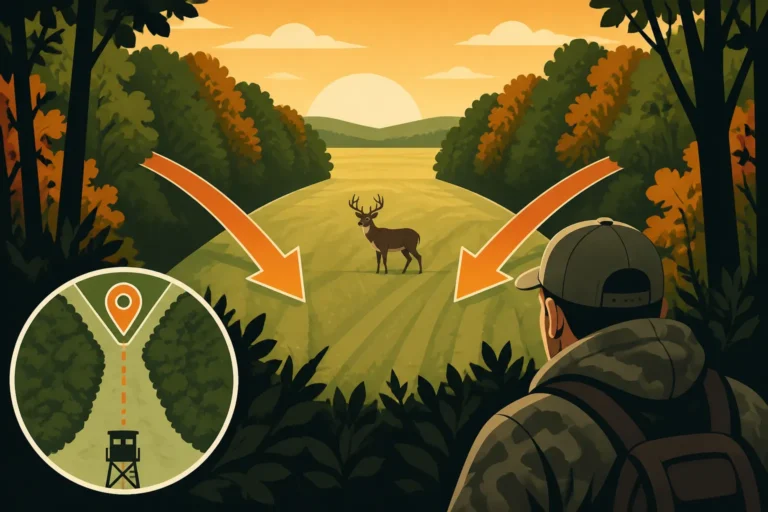
On small parcels, deer often stick to the edges and natural funnels. These are your prime hunting locations. Edge habitat, where a woodlot meets a field, or where thick brush transitions to open timber, is naturally attractive to deer for both cover and feeding. Look for subtle terrain features that create natural funnels:
- Narrow Woodlots: A thin strip of woods between two open fields acts as a natural travel corridor, especially if it connects a bedding area to a food source.
- Brushy Fencerows: These often connect larger blocks of cover and provide security for deer moving during daylight.
- Creek Bottoms and Drainages: Deer naturally follow the contours of the land. A brushy creek bed can be an excellent low-impact travel route, even through relatively open areas.
- Terrain Pinch Points: Small saddles on ridges, narrow strips of timber on a hillside, or areas where dense cover forces deer into a tighter path. For example, setting up on a Hunting a Ridge-Top Saddle for Rutting Bucks can be deadly, even on a small piece of land.
Use detailed aerial maps and tools like GoHunt to identify these features. Zoom in, trace potential deer trails, and try to visualize how deer would move across the property. Your setup needs to be precise, as deer on small parcels are often keenly aware of their surroundings and any changes to it. A single misplaced treestand or ground blind can ruin the spot. This level of detail is critical, similar to Reading Aerial Photos for Southeast Ohio Deer but scaled down to the micro-level.
Low-Impact Hunting Strategies
Pressure is the enemy on small tracts. If deer feel pressured, they'll simply move to a neighboring property. This means you need to adopt extremely low-impact hunting strategies:
- Stealthy Entry and Exit: Plan your routes carefully. Use natural cover, walk into the wind, and avoid making noise. If you're Setting Up on a Northwest Ohio Field Edge, you might need to park a quarter-mile away and walk in through a ditch or along a fencerow to avoid silhouetting yourself.
- Limited Hunting Sessions: Don't hunt the same spot too often. Let the area rest. One or two hunts per week, or even less, might be ideal to keep deer from patterning you.
- Wind Management: This is paramount. Always hunt with the wind in your favor. On small tracts, swirling winds can be particularly challenging, so a good understanding of Wind and Thermals on an Appalachian Ridge (even if you're not in the mountains, the principle applies to subtle terrain changes) is essential.
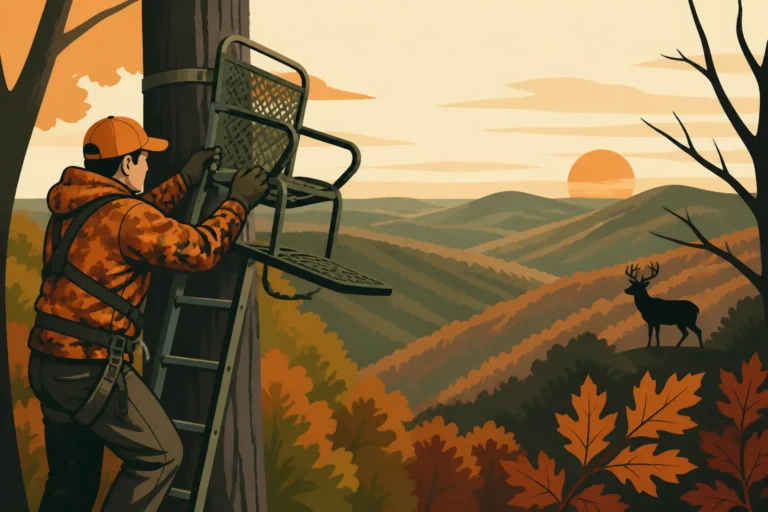
- Strategic Stand Placement: Put your stands or ground blinds in spots that allow for quick, quiet access and departure without alerting deer. You might even consider hunting primarily from the ground using a natural blind or a carefully brushed-in commercial blind, especially if you're concerned about leaving too much scent or visible sign.
The goal is to be a ghost. You want deer to use your small tract without ever knowing you were there. This might mean adjusting your hunting hours to target only prime low-light periods, or even being flexible with your planned hunts based on real-time observations of deer movement from a distance.
Using Trail Cameras and Scouting Smart
Trail cameras are invaluable tools for understanding deer movement on small properties, giving you intelligence without introducing heavy human pressure. Place cameras strategically on known travel corridors, around specific food sources, or near dense bedding cover. Look for patterns:
- Time of Day: Are deer primarily moving through at night, or are there opportunities during legal shooting hours?
- Travel Direction: Which way are they coming from, and where are they going? This helps you understand the "neighbor effect" and identify core bedding and feeding areas.
- Specific Deer: Can you identify a target buck? Knowing its habits is key.
Remember to follow any specific agreements with the landowner regarding trail camera use. When scouting, think about "micro-scouting." Instead of covering vast areas, focus on every detail within your small tract. Look for rubs, scrapes, fresh tracks, and droppings. Identify subtle changes in vegetation or terrain that might serve as natural funnels or bedding areas. If you're hunting in farm country, understanding how deer use Entry Routes Through Standing Corn or a Hunting a Standing Soybean Field can be incredibly insightful, even if the fields are on adjacent properties. Your small tract might be the bedding area next to those fields.
Tools like GoHunt can help you overlay public records, topographic maps, and satellite imagery, making your scouting efforts much more efficient before you even step foot on the property. This digital reconnaissance allows you to identify potential high-traffic areas and plan your access routes to minimize disturbance.
Here's a quick comparison to help solidify the differences:
| Feature | Hunting Small Private Tracts | Hunting Large Public Lands |
|---|---|---|
| Access | Requires permission, relationship building. | Open to all with license, may be competitive. |
| Pressure | Minimal if managed well by hunter; influenced by neighbors. | High, especially during peak seasons and accessible areas. |
| Deer Behavior | Highly influenced by adjacent land, seeking refuge. | More natural movement, but can be highly pressured and nocturnal. |
| Scouting | Micro-focused, understanding local nuances & neighbor effects. | Broader, covering vast areas, finding unpressured pockets. |
| Control | Some influence over habitat, rules (with landowner). | None over habitat or other hunters' actions. |
| Stealth | Absolutely critical for success. | Important, but often less impactful due to sheer size/pressure. |
| Flexibility | High, can adjust based on neighbor activity/deer shifts. | Limited by larger land patterns, often less responsive. |
Ultimately, hunting small private tracts in Ohio is a rewarding challenge. It teaches you to be a more observant, respectful, and adaptable hunter. By focusing on building relationships, understanding local deer patterns, and employing low-impact tactics, you can unlock incredible hunting opportunities right in your own backyard.
Disclaimer
Hunting is a regulated activity. Always consult the current Ohio Department of Natural Resources (ODNR) hunting regulations for specific season dates, bag limits, licensing requirements, and legal hunting methods. Laws and regulations can change, so staying informed is crucial for a safe and legal hunt.