Shed Hunting on Ohio Public Land
That feeling of hitting the woods after deer season, eager to find a piece of bone from one of those elusive bucks you've been chasing, only to walk for hours and come up empty-handed – it’s a real kick in the teeth. Finding shed antlers on Ohio's vast public lands can feel like searching for a needle in a haystack, but with the right strategy and knowledge, you can dramatically increase your odds. This guide will walk you through the timing, locations, and techniques to help you fill your pack with those hard-earned treasures.
Understanding the "Why" and "When" of Shed Hunting
Before you even step foot on public land, it helps to have a solid grasp of why bucks drop their antlers and when to realistically expect to find them here in Ohio. It's not just a random event; there's a biological rhythm to it, influenced by a few key factors.
Why Bucks Drop Their Antlers
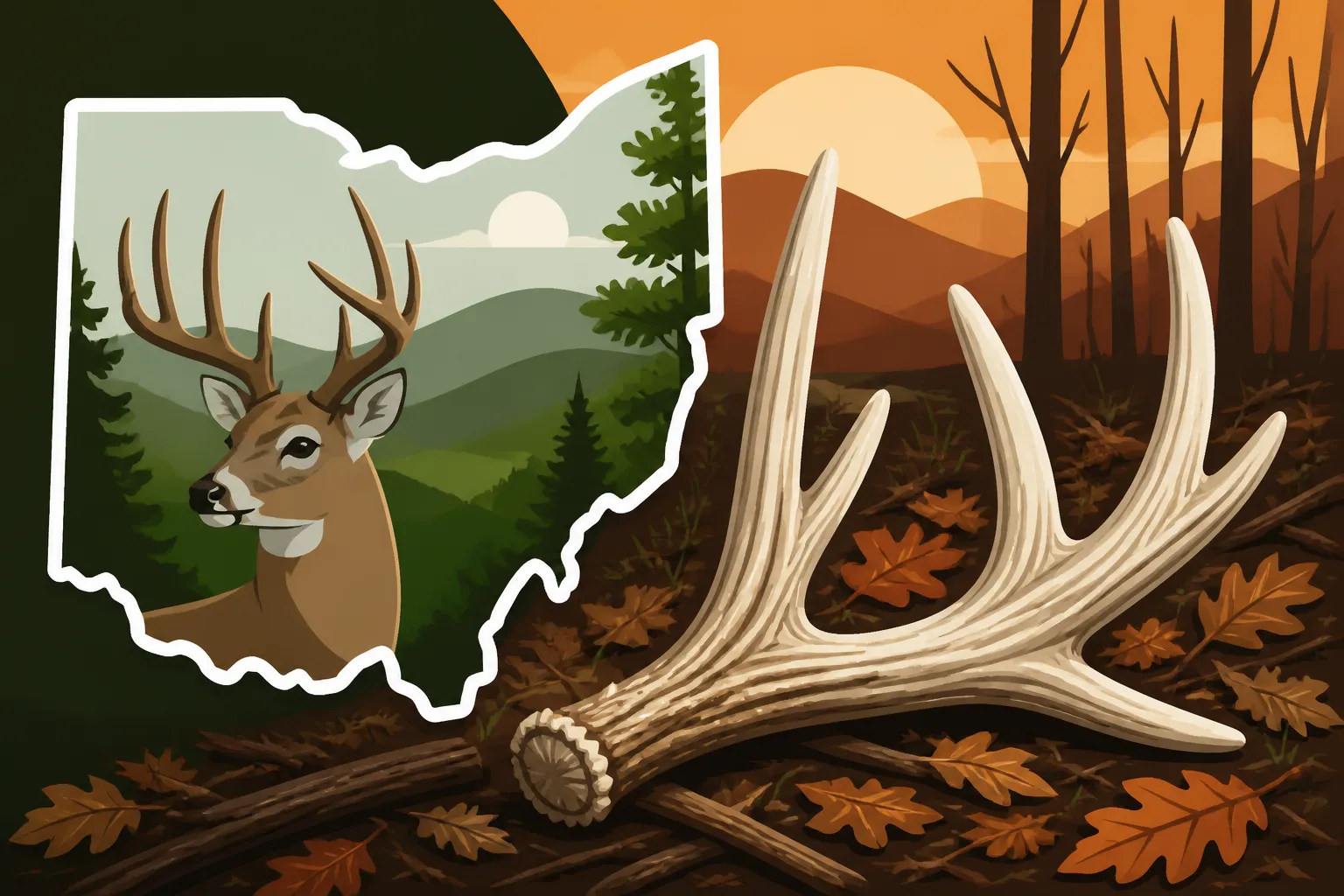
Bucks shed their antlers each year in late winter or early spring as part of a natural cycle. This process is primarily driven by decreasing testosterone levels after the breeding season, or rut. Once the rut concludes, typically in late November and early December here in Ohio, a buck's hormonal balance shifts. The pedicle, the bony base on their skull where the antler attaches, begins to weaken. Eventually, the connection degrades completely, and the antler detaches. It's a fascinating biological marvel, really, and it means every buck grows a new set of antlers bigger and stronger the following year, assuming good health and nutrition. You'll often find a pair from the same buck in close proximity if you're lucky, but more often, they'll drop one and then travel a bit before losing the other.
Ideal Timing for Shed Hunting in Ohio
For most of Ohio, the sweet spot for shed hunting generally runs from late January through March. While some early birds might drop their antlers in December or early January, and a few stragglers might hold onto theirs until April, the bulk of the antler drop happens after the most intense cold weather hits and the deer herd is focused solely on survival and food. During the Hunting the Late-Season Rut Lull, bucks are recovering from the exhaustive breeding season, and their bodies prioritize fat reserves over maintaining antler growth. This period of physiological stress often coincides with antler drop. If you head out too early, you risk disturbing bucks that are still carrying their racks, pushing them off your chosen public land spot. Too late, and squirrels, mice, and other critters might have already chewed the sheds down to nubs, or other shed hunters beat you to them.
Factors Affecting Shed Drop Timing
While late January to March is a good general guideline, the exact timing can fluctuate based on a few critical factors. First, the severity of winter weather plays a huge role. Harsh, prolonged cold snaps, especially those with deep snow, put immense stress on deer, often leading to earlier antler drops. Think about those brutal February weeks we sometimes get in Ohio – that's prime shed-dropping weather. Second, the buck's overall health and nutrition status from the previous year, and specifically after the rut, greatly influence when he'll cast his antlers. A buck that was run ragged during the rut and entered winter in poor condition might drop earlier than a healthy, well-fed buck. Lastly, a buck's age can also be a factor; older, more mature bucks sometimes drop earlier than younger deer, though this isn't a hard and fast rule. Keep an eye on local wildlife reports and trail camera intel if you have it to gauge the local drop.
Where to Focus Your Search on Ohio Public Land
Finding sheds on public land means knowing where deer are most likely to spend their time recovering and moving during the late winter. Unlike private ground where you might know specific buck habits, public land often requires a broader strategy. You're looking for areas that offer cover, food, and safety during a vulnerable time for deer. When Scouting Ohio Public Land Before Season, keep these post-season goals in mind, too.
Bedding Areas and Thick Cover
This is often the number one hotspot for sheds. After the rut, and especially as winter sets in, deer, particularly bucks, seek out the thickest, most secluded cover they can find. They need protection from the elements, like biting wind and snow, and a sense of security from predators and human disturbance, which can be significant on public lands. Look for south-facing slopes that catch more sunlight, dense stands of evergreens like pines or cedars, brushy clear-cuts, or extremely thick, almost impenetrable briar patches. These are the places a buck will hunker down for hours, and often, when he stands up, an antler will pop off. Spend extra time meticulously searching these areas, walking slowly, and looking under every low-hanging branch and around the base of every thicket.
Food Sources and Transition Routes
Deer have to eat, even in winter, and those food sources become critically important when survival is key. On public lands, this often means understanding Late-Season Food Sources for Ohio Whitetails. Look for standing corn or soybean fields bordering public woodlots in agricultural areas (though getting permission for private fields is usually needed), unharvested food plots within wildlife areas, or natural browse like honeysuckle, green briar, and remaining acorns from a mast crop. Even areas with winter wheat or clover can draw deer in. The key is to find the trails connecting these feeding areas to those thick bedding locations. Bucks will often drop sheds along these well-worn paths, especially where they have to jump over a fence, cross a creek, or navigate a thick pinch point. These transition routes are essentially travel corridors, and deer are moving more slowly and deliberately in late winter, increasing the chance an antler loosens up.
| Shed Hunting Hotspot Category | Specific Examples on Ohio Public Land | Why They're Hotspots |
|---|---|---|
| Bedding Areas | South-facing slopes, cedar thickets, clear-cuts, dense briar patches | Deer bed here for warmth and security; antlers often dislodge when standing up. |
| Food Sources | Unharvested food plots, oak ridges (leftover acorns), honeysuckle thickets | Deer spend significant time feeding, increasing chances of antler drop due to movement and stress. |
| Transition Routes | Well-worn trails between bedding and food, fence crossings, creek banks | Antlers can be jarred loose during movement, especially over obstacles or through thick brush. |
| Water Sources | Unfrozen creeks, small ponds, marsh edges | Deer frequently visit for water; often associated with travel routes and feeding. |
| Natural Funnels/Pinch Points | Narrow strips of woods, saddles between ridges, creek bends | Concentrates deer movement, increasing the density of potential shed locations. |
Water Sources and Natural Funnels
Don't overlook water sources, especially during a particularly dry winter or in areas where water might be limited. Deer need to drink, and if you can find unfrozen creeks, small ponds, or marsh edges on public land, these can be magnets. Bucks will often drop sheds along the trails leading to and from these watering holes. Similarly, natural funnels and pinch points are excellent places to concentrate your efforts. These are areas that naturally constrict deer movement, such as a narrow strip of woods between two open fields, a saddle between two ridges, or a bend in a creek that forces deer to cross at a specific spot. Anywhere deer are forced to move through a tighter area, the chances of them bumping an antler loose or simply spending more concentrated time in that area increase. When Reading a Ridge for Southeast Ohio Deer, identifying these funnels can be hugely beneficial for shed hunting too.
Strategies and Techniques for Success
Shed hunting isn't just about walking around hoping to stumble upon an antler. It's a strategic endeavor that benefits from a methodical approach, the right tools, and sometimes, a little help from friends. It’s also important to be mindful of Ohio Public Land Hunting Hours if you're out near official season dates, though shed hunting is generally a post-season activity.
Grid Searching and Pacing Your Hunt
One of the most effective strategies, especially in open timber or fields, is to conduct a grid search. Instead of aimlessly wandering, pick a section of woods or a field and systematically walk back and forth in a grid pattern. Keep your head on a swivel, scanning 10-20 feet ahead of you, but also checking off to the sides. It might feel slow, but it ensures you cover every inch of ground thoroughly. Vary your pace; sometimes moving slowly and deliberately is best, especially in thick cover where sheds can be hidden, while other times a brisk walk in more open areas is fine. Don't be afraid to stop and scan with binoculars from a high point if you find one, it can help you spot the other. When you do find one, don't just pick it up and keep going. Slow down, expand your search in a 50-100 yard radius, looking closely for the match. Bucks often drop antlers within hours or days of each other, and sometimes even in the same general area.
Utilizing Technology and Scouting Tools
In today's world, technology can be a game-changer for shed hunting. Before you even leave the house, spend time scouting from your couch using aerial maps. Platforms like GoHunt offer incredibly detailed satellite imagery that can help you identify key features on public land. Look for those dense bedding thickets, subtle terrain changes, creek bottoms, and potential food sources that might not be obvious on the ground. You can mark these potential hotspots on your GoHunt app, creating waypoints that guide your physical search. When you're in the field, a GPS unit or a smartphone app like GoHunt is invaluable for navigation and tracking your progress. You can see the paths you've already covered, ensuring you don't miss sections or re-walk areas unnecessarily. This is especially useful on large tracts of land like those found in Wayne National Forest Hunting or Shawnee State Forest Hunting. Using GoHunt to drop pins where you find deer sign, rubs, scrapes, or even old beds can build a comprehensive understanding of deer movement over time, which is crucial for predicting shed locations.
Partnering Up and Covering Ground
While solo shed hunting can be a peaceful experience, bringing a friend or two can dramatically increase your coverage and efficiency. Form a line and walk abreast, about 10-20 yards apart, systematically sweeping through an area. This is particularly effective in larger, more open areas. The more eyes you have on the ground, the better your chances of spotting that hidden antler. Just make sure everyone understands the chosen grid pattern and communication is clear to avoid missing spots. Even if you're hunting solo, consider taking a well-trained shed dog if you have one. Breeds like Labradors or German Shorthaired Pointers can be trained to sniff out antlers, giving you an almost unfair advantage. Plus, they make great companions in the woods! Be sure to understand the rules about dogs on public land you're visiting.
Respecting Public Land and Ethical Shed Hunting
Shed hunting is a wonderful way to extend your time in the woods and learn more about deer behavior, but it comes with responsibilities. It’s crucial to treat Ohio’s public lands with respect and practice ethical shed hunting to ensure these opportunities remain available for everyone. When you're out there, remember you might also be looking for Finding Sign in Big Appalachian Timber or other indicators of deer activity, but the primary goal is sheds, not disturbance.
Public Land Regulations and Etiquette
Always check the specific regulations for the public land area you plan to visit. While shed hunting is generally permitted on most Ohio state forests and wildlife areas, there might be specific rules regarding access, parking, or even areas that are temporarily closed for wildlife management purposes. A good resource for this is often the Ohio Department of Natural Resources (ODNR) website or the GoHunt app, which often integrates public land boundaries and rules. Always adhere to "leave no trace" principles: pack out everything you pack in, and leave the area cleaner than you found it. Avoid damaging trees, cutting brush, or building structures. Remember, you're a guest on these lands, and respecting the resource is paramount. Be mindful of other users, whether they're hikers, birdwatchers, or other shed hunters. Politeness goes a long way.
Minimizing Disturbance to Wildlife
The late winter period, when deer are dropping their antlers, is a critical time for them. They're often stressed from the rut, dealing with harsh weather, and trying to conserve energy. Disturbing them during this period can have negative consequences, causing them to burn precious calories they can't afford to lose. If you encounter deer while shed hunting, try to avoid pushing them. If you see a buck still carrying his antlers, make a mental note of the area, back out quietly, and plan to return in a week or two. The goal isn't to chase deer but to peacefully collect the antlers they've already cast off. Avoid high-pressure areas on weekends if possible, choosing weekdays or less popular sections of public land to reduce human impact. Knowing Hunting Pressure on Ohio Public Land can help you select times and locations where you're less likely to disturb wildlife.
What to Do If You Find a Skull or Carcass
Sometimes, instead of a shed antler, you might come across a deer skull with antlers still attached, or even a full deer carcass. In Ohio, it is illegal to possess deer antlers that are still attached to a skull unless the deer was legally harvested and checked. If you find a skull with antlers still attached, do not remove it. It's a tempting find, but it could lead to legal trouble. Instead, contact the Ohio Department of Natural Resources (ODNR) through their tip line or your local game warden. They can investigate the situation and advise you on the appropriate steps. Similarly, if you find a carcass, it's generally best to leave it undisturbed. While it can be tempting to try and recover the antlers, the law is clear: if the skull is attached, you generally can't take it. This regulation is in place to prevent poaching and ensure that only legally harvested deer are possessed by hunters. Focus on the sheds that have naturally fallen off, leaving the rest to nature or the proper authorities.
Disclaimer
Please note that hunting regulations, seasons, and licensing requirements can change. Always consult the most current Ohio Department of Natural Resources (ODNR) hunting regulations and guidelines before planning any hunting or shed hunting activity. This guide is for informational purposes only and does not supersede official state regulations.