Layout Blind Hunting a Cut Cornfield
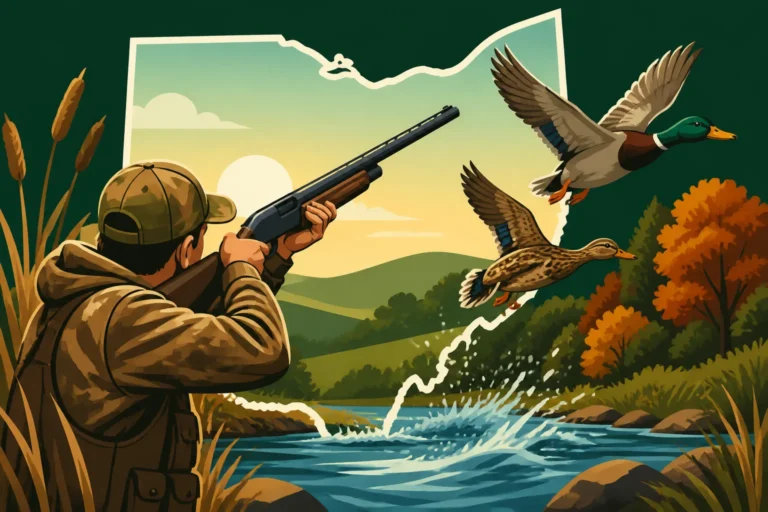
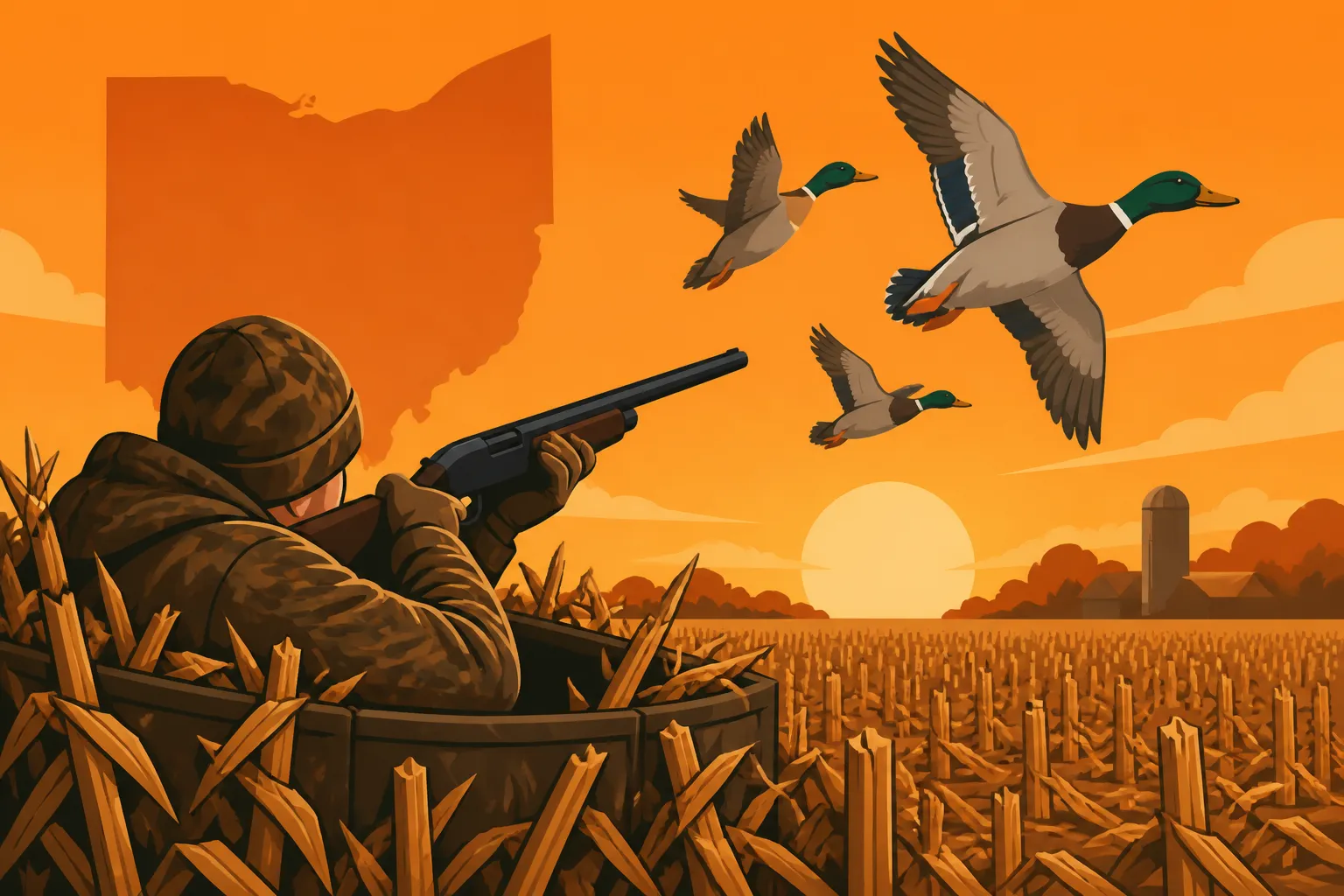
There's nothing quite like the sight of a flock of geese or a group of mallards pitching into a field, wings set, heading straight for your decoy spread. But for many Ohio hunters, the challenge of hunting wide-open spaces, particularly those barren cut cornfields after the combine has done its work, can be incredibly daunting. Finding effective concealment in such a desolate landscape often feels like trying to hide an elephant in a bathtub. This guide is all about mastering the art of layout blind hunting in these challenging cut cornfields, giving you the strategies and tips to turn those frustrating flare-ups into successful retrieves.
Understanding the Landscape: Why Cut Cornfields Are Prime Hunting Ground
Cut cornfields, especially in Ohio's vast agricultural regions, are absolute magnets for waterfowl and often deer too. After the harvest, these fields become giant buffets, offering a wealth of waste grain that birds and deer absolutely crave. However, what makes them so attractive to wildlife also makes them notoriously difficult for hunters to conceal themselves in. It's a double-edged sword that requires a specific approach, and that approach often involves the humble, yet incredibly effective, layout blind.
Food Source and Cover Dynamics
For migrating waterfowl, particularly Canada geese and mallards, a freshly cut cornfield is like a five-star restaurant. They're looking to fuel up for their long journeys or simply sustain themselves through the colder months. The shattered kernels, spilled ears, and broken stalks provide an easy, high-energy food source that's hard to pass up. Ducks, while often associated with water, will readily fly to fields to feed, especially after a cold front pushes them south or when ice locks up their typical aquatic feeding grounds. Geese, being large and needing a lot of calories, can decimate a cornfield over several days, establishing distinct feeding patterns. Deer also frequent these fields, especially in the late season when other browse is scarce, seeking out any remaining corn. This makes understanding their patterns crucial. You can learn more about how to track these patterns by looking into scouting techniques like those described in our article on Scouting Ohio Public Land Before Season.
The dynamics are simple: food equals animals. But these fields also offer a certain kind of "cover" for the birds – wide-open visibility. Geese, especially, are incredibly wary, and they love open spaces where they can see predators coming from a mile away. They'll often land well out in a field, away from tree lines or dense cover, giving them that crucial early warning system. Ducks might be a bit more forgiving, but still prefer a secure landing zone. For deer, the residual stalks offer some visual break-up, and they often feel comfortable moving through these fields under the cover of darkness or in low light, grabbing a quick bite.
The Hunter's Challenge: Lack of Natural Cover
This openness, which is a comfort to the birds, is the bane of the hunter's existence. In a cut cornfield, there are no trees to climb, no thickets to hide in, no substantial ditches to hunker down into. Every contour, every shadow, every foreign object stands out like a sore thumb. I've watched countless flocks of geese committed to a spread, only to veer off at the last second because a hunter's headlamp caught their eye or an improperly brushed blind gave them pause. It’s incredibly frustrating, and it’s why conventional hunting methods simply won't cut it.
The challenge intensifies with hunting pressure. Birds that have been shot at a few times become incredibly smart, often gaining altitude, circling wide, and scrutinizing every detail on the ground before committing. This means your concealment has to be absolutely impeccable. Relying on simply laying down in the stubble might work once or twice on unpressured birds, but for consistent success in Ohio’s often-hunted landscapes, a dedicated strategy is non-negotiable. This is where the specialized design of a quality layout blind truly shines, offering a low-profile, field-conforming hide that mimics the natural contours of the landscape.
Choosing and Setting Up Your Layout Blind
Selecting the right layout blind and then mastering its setup are paramount to success in open fields. It’s not just about getting "in" a blind; it’s about becoming one with the field. An improperly brushed blind is worse than no blind at all, as it draws attention to itself.
Types of Layout Blinds for Ohio Conditions
When it comes to layout blinds, you’ve got a few options, each with its own pros and cons, and understanding them can make a huge difference in your comfort and concealment, especially during a long, cold day of Ohio Waterfowl Hunting on Lake Erie and Inland.
- Low-Profile Blinds (e.g., Avery Finisher, Rogers Goose Buster): These are perhaps the most common and what most people picture. They're designed to be extremely low to the ground, almost flat, which is fantastic for concealment in sparse stubble. They typically have an aluminum or fiberglass frame, a comfortable backrest, and a flag port. The downside is they can feel a bit cramped, especially for larger hunters, and getting in and out can be a bit of a contortion act. They excel in fields with very short stubble where anything taller would be easily spotted. Brands like Avery have long been a staple for serious waterfowl hunters for their durability and design.
- Wedge-Style Blinds (e.g., Final Approach Eliminator Express): These offer a slightly more upright position, often with a padded seat that provides a bit more comfort and makes getting up for a shot a tad easier. They're still very low profile but allow for a more relaxed sitting position. This can be a godsend during a long morning wait when the birds aren't flying. They might sacrifice a tiny bit of absolute flatness, but the comfort trade-off is often worth it, especially when hunting with friends or beginners.
- Box Blinds/Pit Blinds (e.g., Bankes Boats): While not strictly "layout blinds" in the portable sense, some hunters construct permanent or semi-permanent box blinds that are dug into the ground, effectively turning them into pit blinds. These offer ultimate concealment and comfort but are obviously not portable and require permission to dig. They're more common on leased private lands with consistent hunting spots. They offer incredible warmth and allow for easy shooting, but the initial investment of time and labor is significant.
When choosing, consider your body size, how much gear you carry, and the specific fields you’ll be hunting. A taller hunter in a very low-profile blind might struggle to be comfortable for hours, while a shorter hunter in a wedge blind might find themselves too exposed in ultra-sparse cover.
Here’s a quick comparison of common layout blind types:
| Blind Type | Pros | Cons | Ideal Conditions |
|---|---|---|---|
| Low-Profile | Excellent concealment, very flat | Can be cramped, harder to get in/out | Short stubble, pressured birds |
| Wedge-Style | More comfortable, easier to sit up | Slightly higher profile | Moderate stubble, longer hunts |
| Backpack Blind | Lightweight, easy to carry | Less durable, minimal padding | Run-and-gun, minimal gear hunters |
| Box/Pit Blind | Ultimate concealment & comfort | Non-portable, requires digging, costly | Permanent spots, high-volume fields |
Strategic Placement and Concealment
Once you have your blind, the real work begins: placement and brushing. This is where most hunts are made or broken. You can have the best decoys and call like a pro, but if your blinds stick out, those birds are going to flare.
- Read the Field: Before you even think about setting up, spend time observing the field. Where are the birds feeding? What direction are they approaching from? What’s the wind doing? Geese almost always land into the wind, so position your blinds and decoys with that in mind. Look for subtle depressions, taller strips of stubble, or even a slight rise that can provide a natural advantage. Avoid placing your blinds on a noticeable high spot.
- Blend, Don't Hide: The goal isn't to make your blind disappear completely, but to make it look like just another bump or clump of stubble in the field. This means aggressive brushing. Don't just toss a few stalks on it. Use zip ties or bungee cords to secure cornstalks, grass, and whatever other natural vegetation is in the immediate vicinity to the blind’s stubble straps. Make it look messy and organic. If the stubble is very short, you might even consider bringing in some hay or straw from a nearby landowner, but always get permission first.
- Mind the Edges: Pay extra attention to the edges of your blind where the fabric meets the ground. This is often where light reflects or a straight line is visible. Pile up dirt or stubble around the base to smooth out the transition. Don't forget the back of the blind either. It's easy to focus on the front, but birds often circle, and a poorly brushed back can ruin a setup.
- Consider Sun and Shadows: Try to set your blinds so that the rising or setting sun isn't shining directly into your face or creating a harsh, unnatural shadow from your blind. Also, avoid silhouetting your blind against the sky. A slight rise behind you can help break up your outline against the horizon.
- Entry and Exit Routes: Think about how you’ll get into and out of your blind without disturbing the setup. If you’re hunting with a buddy, ensure you have a clear understanding of shooting lanes and how to communicate without spooking birds. This is especially critical when dealing with wary birds, and stealth is key.
Another critical aspect of placement, particularly if you’re focusing on Hunting Northwest Ohio Farmland Deer alongside waterfowl, is thinking about where deer might enter the field. While layout blinds are primarily for waterfowl, a well-placed blind on a field edge can offer surprising concealment for a late-season deer stand, especially if you blend it into a fencerow or woodlot edge. Just be sure your blaze orange is visible when deer hunting if required for the season.
Decoy Spreads and Calling Strategies for Cut Cornfields
Getting the birds to commit and land within range is the ultimate goal, and this relies heavily on your decoy spread and calling prowess. It’s an art form, really, reading the birds and adjusting your strategy on the fly.
Waterfowl Decoy Placement
For geese and ducks in a cut cornfield, your decoy spread needs to convey a sense of safety and feeding. Birds naturally want to join other birds that are relaxed and enjoying a meal.
- Goose Decoy Spreads: For Canada geese, less is often more, but realism is crucial. A spread of 12-24 full-body goose decoys, or even silhouette decoys, is usually sufficient. Place them in small family groups of 3-5, with a few singles scattered about. Leave a large landing zone (the "kill hole") in front of your blinds, ideally between 20-30 yards out. This is where you want the birds to commit.
- Feeding Postures: Most of your decoys should be in feeding postures, heads down, indicating contentment. A few sentry (upright head) decoys can add realism, but don't overdo it. Too many sentries can signal alarm to incoming birds.
- Wind Direction: Always set your spread with the wind in mind. Geese will land into the wind, so your landing zone should be positioned to funnel them directly over or slightly in front of your blinds.
- Motion Decoys: A couple of motion decoys, like a flapper or a rotating wing decoy, can add realism and visibility, especially on calm days. However, too much motion can sometimes spook wary birds, so use them judiciously. Brands like Avian-X offer incredibly realistic full-body decoys that can significantly enhance your spread's appeal.
- Duck Decoy Spreads: If you're targeting ducks, you'll want a separate spread or at least a distinct "duck pond" area within your larger goose spread. Mallards are the most common field ducks in Ohio.
- Mallard Focus: Use mostly mallard decoys, again in feeding postures. You can mix in a few pintails or other puddle ducks if they frequent your area.
- Small Puddle: Create a small, open area within your cornfield spread to mimic a puddle or temporary water. Ducks are drawn to water, even if it's just implied by an open patch of ground amidst feeding decoys.
- Smaller Landing Zone: Ducks often commit tighter than geese, so your kill hole can be a bit smaller, perhaps 15-25 yards out. Again, ensure it’s positioned for incoming birds flying into the wind.
- Movement is Key: Ducks are very responsive to movement. A jerk string with a few active decoys or a battery-operated spinning-wing decoy can be incredibly effective at drawing their attention from a distance. Just remember to turn them off when birds are directly overhead to avoid spooking them. If you're interested in specific duck strategies, consider articles like Mallards and Wood Ducks in Ohio Marshes for further tips.
Remember that the larger the spread, the more work it is to set up and take down. Sometimes, a smaller, incredibly realistic spread is more effective than a huge, haphazard one. The key is to make it look natural and inviting.
Calling Strategies for Waterfowl
Calling is the voice of your spread, and it's essential for sealing the deal, especially with high-flying, wary birds.
- Goose Calling: For Canada geese, a good short-reed goose call is indispensable.
- Come-Back Call: Start with loud, insistent come-back calls (clucks, honks, double clucks) to grab the attention of distant birds.
- Greeting Calls: As they get closer, switch to softer, more welcoming greeting calls.
- Feeding Chatter: When birds are working the spread, use soft clucks and moans, mimicking contented feeding birds. This reassures them that it's safe to land.
- Don't Overcall: A common mistake is to overcall. Once birds are committed and circling, often less is more. Let the decoys do the work, and just offer a few soft clucks to guide them in.
- Duck Calling: A good single or double-reed duck call is essential for mallards.
- Hail Call: Use a loud, clear hail call (a series of excited quacks) to get the attention of distant ducks.
- Greeting Call: As they respond, switch to a softer, more drawn-out greeting call.
- Pleading Laydown Call: If ducks are circling and seem hesitant, a pleading laydown call (a rapid series of descending quacks) can often seal the deal, signaling "come on down!"
- Feeding Chatter: Like geese, soft feeding clucks can make your spread irresistible to nearby birds.
- Adjust to Pressure: If you're hunting heavily pressured birds, like you might find on some public lands, sometimes a softer, subtler approach with your calling can be more effective. Learn to read the birds and adjust.
The brand GoHunt, while primarily known for western big game hunting, offers some excellent resources and articles on general hunting tactics, which can certainly help you refine your understanding of animal behavior, whether it's for waterfowl or other game. Their emphasis on scouting and understanding game movements is universally applicable.
Essential Gear and Safety Considerations
Successful layout blind hunting isn't just about the blind itself; it's also about having the right supporting gear and adhering to strict safety protocols. These details can often make or break your day in the field, especially when dealing with unpredictable Ohio weather.
Clothing, Optics, and Accessories for Open Field Hunting
Hunting in a cut cornfield often means prolonged exposure to the elements, so your gear choices are critical for comfort and effectiveness.
- Layered Clothing: Ohio weather can be notoriously fickle, swinging from chilly mornings to warm afternoons, or from calm to windy in a matter of hours. Layering is your best friend. Start with a moisture-wicking base layer, add an insulating mid-layer like fleece or wool, and top it off with a windproof and waterproof outer layer in a camouflage pattern that blends with your field. For those bone-chilling late-season hunts, consider an article like Cold-Weather Sitting Strategy in Ohio to truly master your layering.
- Warm, Waterproof Boots: You'll be walking through potentially wet, muddy, or even snow-covered fields. A good pair of insulated, waterproof boots is non-negotiable. Look for boots with good ankle support to navigate uneven stubble. Brands like Lacrosse or Muck Boots are popular choices among waterfowl hunters for their durability and comfort.
- Headwear and Gloves: Your head and hands are key areas for heat loss. A warm, camo beanie or facemask is essential. For gloves, consider a thin, warm pair that allows for dexterity when calling or shooting, with a thicker, warmer pair for when you're just sitting and waiting. Many hunters prefer a fingerless glove with a fold-over mitt for versatility.
- Optics: While you won't need high-power rifle scopes, a good pair of binoculars (8×42 or 10×42) is invaluable for spotting distant birds and identifying species. A rangefinder can also be helpful for accurately gauging distances to your landing zone, ensuring your shots are within ethical range. You can read more about options in Binocular Power for Timber Hunting, as many principles apply.
- Shell Bag/Vest: A comfortable shell bag or vest that can hold plenty of ammunition, your calls, and other small essentials is a must. You don't want to be fumbling for shells when a flock is cupping its wings over your head.
- Waterproof Bag: Keep your phone, wallet, and any other electronics in a waterproof dry bag. Unexpected rain or snow can quickly ruin your electronics.
- Thermos: A thermos filled with hot coffee, tea, or soup can be a morale booster on a cold morning and help keep your core temperature up.
Safety Best Practices in a Layout Blind
Safety is always paramount, especially when hunting with others in an open field setting where communication can be a challenge.
- Blaze Orange Visibility (when required): While waterfowl hunting generally doesn't require blaze orange, if you're hunting during an overlap with other seasons, or if local regulations dictate, ensure you have some blaze orange visible when not actively shooting. A small blaze orange flag attached to the top of your blind, pulled down when birds are working, can increase safety, especially during Ohio's Two-Weekend Gun Deer Season when deer hunters might also be in the vicinity. Always check current Ohio regulations.
- Shooting Lanes and Zones of Fire: Before the hunt starts, clearly define everyone's shooting lanes and zones of fire. In a layout blind, you'll often be sitting side-by-side or in a staggered line. Make sure everyone knows where it's safe to shoot and, crucially, where it's not safe. Never swing your barrel across another hunter's position. This is especially important when calling the shot – everyone should know that when the call is made, they are responsible for their own safe shot placement.
- Positive Identification: Always identify your target positively before shooting. In low light or when birds are far out, it can be tempting to just throw up your gun. Wait until you've clearly identified the species and confirmed it's within legal range and bag limits. Understanding Ohio Duck and Goose Bag Limits is critical.
- Ammunition: Only use the legal, non-toxic shot required for waterfowl hunting in Ohio. Lead shot is strictly prohibited for waterfowl. Check your local ODNR regulations for specifics on Where Nontoxic Shot Is Required in Ohio.
- Communication: Establish clear communication signals with your hunting partners. Hand signals are often better than shouting, especially when birds are close. A simple tap on the blind to signal "birds," and a whispered "take 'em" or similar phrase, works well.
- Unload When Moving: When moving between blinds or retrieving downed birds, always unload your shotgun and engage the safety. A fall in uneven stubble with a loaded gun can have serious consequences.
- Know Your Limits: Don't take shots that are too far. Wounding birds is unethical and can be frustrating. Practice regularly at a patterning board to know the effective range of your shotgun and chosen load.
By meticulously planning your setup, employing smart decoy and calling strategies, and prioritizing safety, you'll find that hunting cut cornfields from a layout blind can be one of the most exciting and productive forms of Ohio hunting.
Disclaimer
Please note: Hunting regulations, seasons, and licensing requirements can change. Always consult the most current Ohio Department of Natural Resources (ODNR) official publications and website before planning any hunting trip. This guide is for informational purposes only and does not supersede state regulations.